
Overview of Syrian Legislative Elections
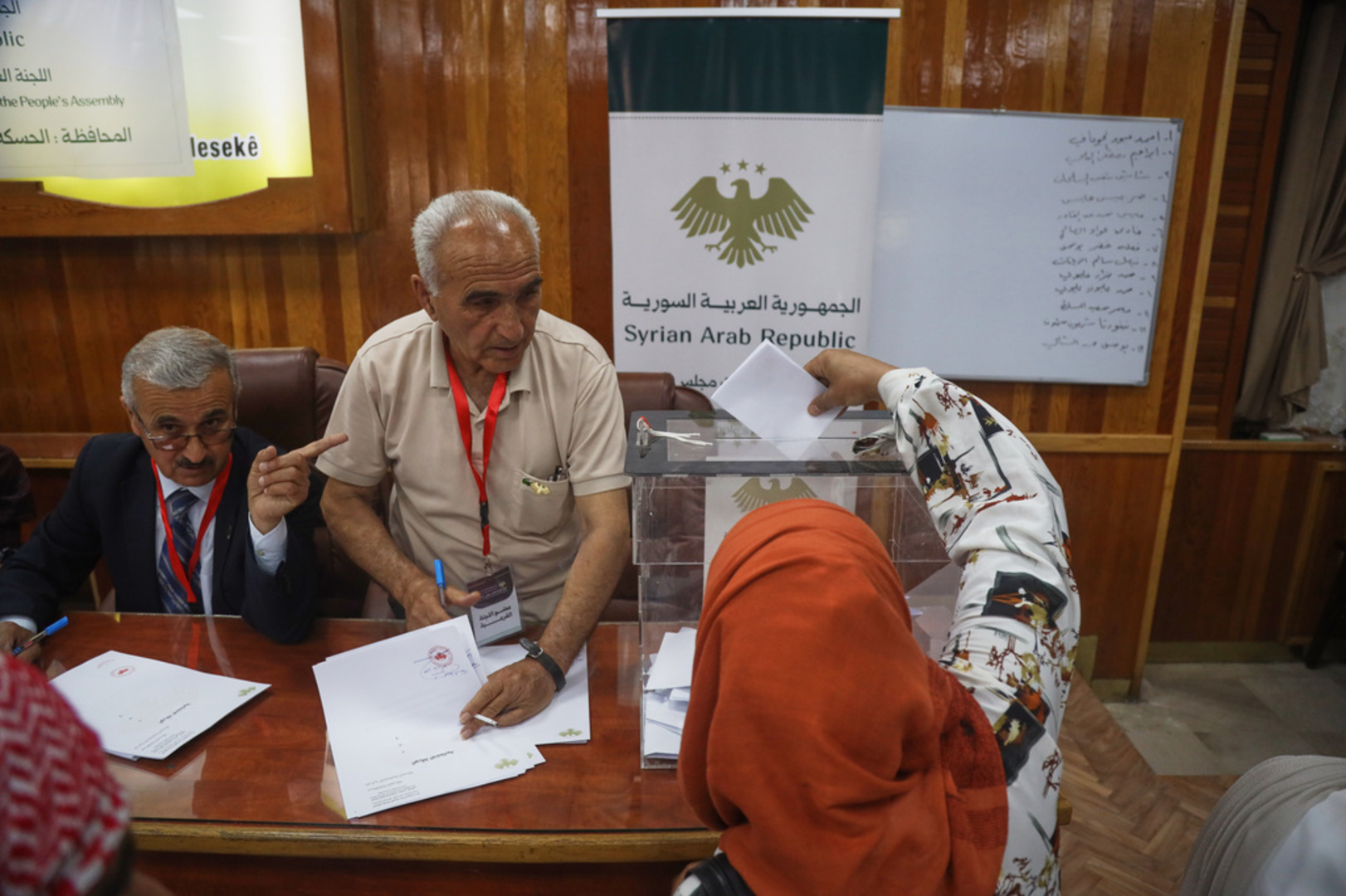
Recent legislative elections in Syria have drawn attention, particularly as they encompassed territories that were formerly under the control of Kurdish forces. This expansion of the electoral process into regions like Hasakah and the town of Kobane represents a notable shift in the political dynamics within the country.
Electoral Activity in Hasakah and Kobane
The cities of Hasakah and Kobane, both historically significant for their Kurdish populations and past administrative structures, observed the Syrian legislative elections. These areas, which have experienced various shifts in control and governance throughout the protracted Syrian conflict, are now part of the broader electoral framework organized by the Syrian government. The conduct of elections in these regions signals an effort by the central government to reassert its administrative and political authority across the country.
For years, parts of northern and eastern Syria, including Hasakah and Kobane, functioned with a degree of autonomy under Kurdish-led administrations. The integration of these areas into the national legislative elections raises questions about the future of local governance and the representation of diverse communities within the Syrian state. Observers are keenly watching to see how these elections might influence the political landscape and the aspirations of local populations.
The Broader Context of Syrian Politics
Syria has been grappling with a complex and multifaceted conflict for over a decade, leading to significant fragmentation of its territory and governance structures. The decision to hold legislative elections in areas that were previously outside direct government control underscores ongoing efforts to consolidate state power and normalize political processes. However, the legitimacy and inclusiveness of these elections, particularly in regions with distinct demographic and political histories, remain subjects of international discussion and domestic debate.
The electoral process in Syria typically involves citizens voting for members of the People's Assembly, the country's legislative body. These elections are framed by the government as a demonstration of national unity and a step towards political stability. However, opposition groups and various international bodies have often raised concerns regarding the fairness and transparency of Syrian elections, citing limitations on political freedoms and the absence of genuinely competitive environments.
Implications for Regional Stability
The extension of Syrian legislative elections into formerly Kurdish-controlled territories has broader implications for regional stability. The involvement of various international actors and the complex web of alliances and rivalries in northeastern Syria mean that any political development in these areas is closely scrutinized. The outcome of these elections and the subsequent governmental actions could influence the ongoing dialogue regarding the future status of Kurdish communities in Syria and the broader geopolitical balance of power.
Understanding the full impact of these elections will require observing the post-election political landscape, including how local populations respond to the new legislative representatives and how the central government integrates these regions more fully into its administrative framework. The long-term effects on local autonomy, ethnic relations, and the trajectory of the Syrian state remain to be seen.
Source: Al Jazeera
Related Articles
 world
world
China Provides Rice Aid to Cuba Amidst Humanitarian Challenges
 world
world
Iran and US Negotiations: Agreement Not Imminent Despite Reported Progress
 world
world
Russian Authorities Present Aftermath of Luhansk College Strike to Media
 world
world