

Reflecting on Africa's Journey Towards Self-Determination
Africa Day, observed annually on May 25th, serves as a significant occasion for reflection on the continent's progress since the formation of the Organisation of African Unity (OAU) in 1963, now the African Union (AU). The year 2026 brings with it a renewed focus on whether African nations have truly achieved the comprehensive liberation envisioned by their founding fathers. While political independence has largely been secured, contemporary challenges suggest that the path to full sovereignty remains complex and multifaceted.
The Enduring Struggle for Power Autonomy
One of the central themes emerging in discussions around Africa Day 2026 is the issue of power dynamics, both internally and externally. Internally, the concentration of political and economic power within certain elites or groups continues to be a point of contention in many African states. This can manifest in governance structures, resource allocation, and even the direction of national development policies. The call for more inclusive and equitable power-sharing mechanisms is a recurring demand from civil society and a segment of the populace.
Externally, the influence of former colonial powers and new global actors remains a significant factor. While direct colonial rule has ended, various forms of economic and political leverage are still exerted. This includes trade agreements, foreign investment conditionalities, and geopolitical maneuvering that can impact the autonomous decision-making capacity of African governments. The continent's leaders are increasingly challenged to navigate these complex international relations while safeguarding national interests and promoting genuine self-determination.
The Burden of Debt and Economic Sovereignty
The question of national debt is another critical area under scrutiny as Africa Day 2026 is commemorated. Many African countries continue to grapple with substantial foreign debt burdens, accumulated from various sources including international financial institutions, bilateral lenders, and private creditors. This debt can severely limit a nation's fiscal space, compelling governments to prioritize debt servicing over essential public services such as healthcare, education, and infrastructure development.
The economic implications of heavy debt often translate into a reduced capacity for independent policy formulation. Conditionalities attached to loans can dictate economic reforms, structural adjustments, and even specific development projects, thereby impinging on a country's economic sovereignty. There is a growing consensus among African economists and policymakers on the need for more sustainable debt management strategies, debt relief initiatives, and a re-evaluation of the terms of international lending to foster genuine economic liberation.
Furthermore, the continent's reliance on commodity exports and the challenges of diversifying economies continue to expose many nations to global market volatilities. Building robust, diversified economies that can withstand external shocks is seen as crucial for achieving true economic independence and reducing vulnerability to external pressures.
Navigating the Digital Frontier: Control and Autonomy
In the 21st century, the concept of sovereignty has expanded to include the digital realm. Africa Day 2026 highlights concerns surrounding digital control and autonomy. The rapid expansion of digital technologies across the continent brings immense opportunities for economic growth, connectivity, and social development. However, it also introduces new vulnerabilities.
Issues such as data privacy, cybersecurity, and the control over digital infrastructure are increasingly pertinent. Many African nations rely on foreign-owned and operated digital platforms and infrastructure, raising questions about data security, surveillance, and the potential for external interference. The debate extends to the governance of the internet and digital spaces, with calls for African nations to have a stronger voice in shaping global digital policies and developing their own secure digital ecosystems.
Moreover, the rise of disinformation and the use of digital tools for political manipulation pose challenges to democratic processes and social cohesion. Ensuring digital literacy, protecting freedom of expression online, and developing robust regulatory frameworks that safeguard national interests in the digital age are key tasks for African governments as they strive for comprehensive sovereignty.
Redefining Sovereignty in a Globalized World
As Africa Day 2026 encourages a deeper look at these critical issues, it underscores that true liberation extends beyond political independence. It encompasses economic self-sufficiency, equitable power distribution, and digital autonomy in an increasingly interconnected world. African nations are actively engaged in redefining what sovereignty means in this contemporary context, advocating for stronger regional integration, diversified partnerships, and policies that genuinely empower their citizens and secure their future on their own terms.
Source: Al Jazeera
Related Articles
 world
world
China Provides Rice Aid to Cuba Amidst Humanitarian Challenges
 world
world
Iran and US Negotiations: Agreement Not Imminent Despite Reported Progress
 world
world
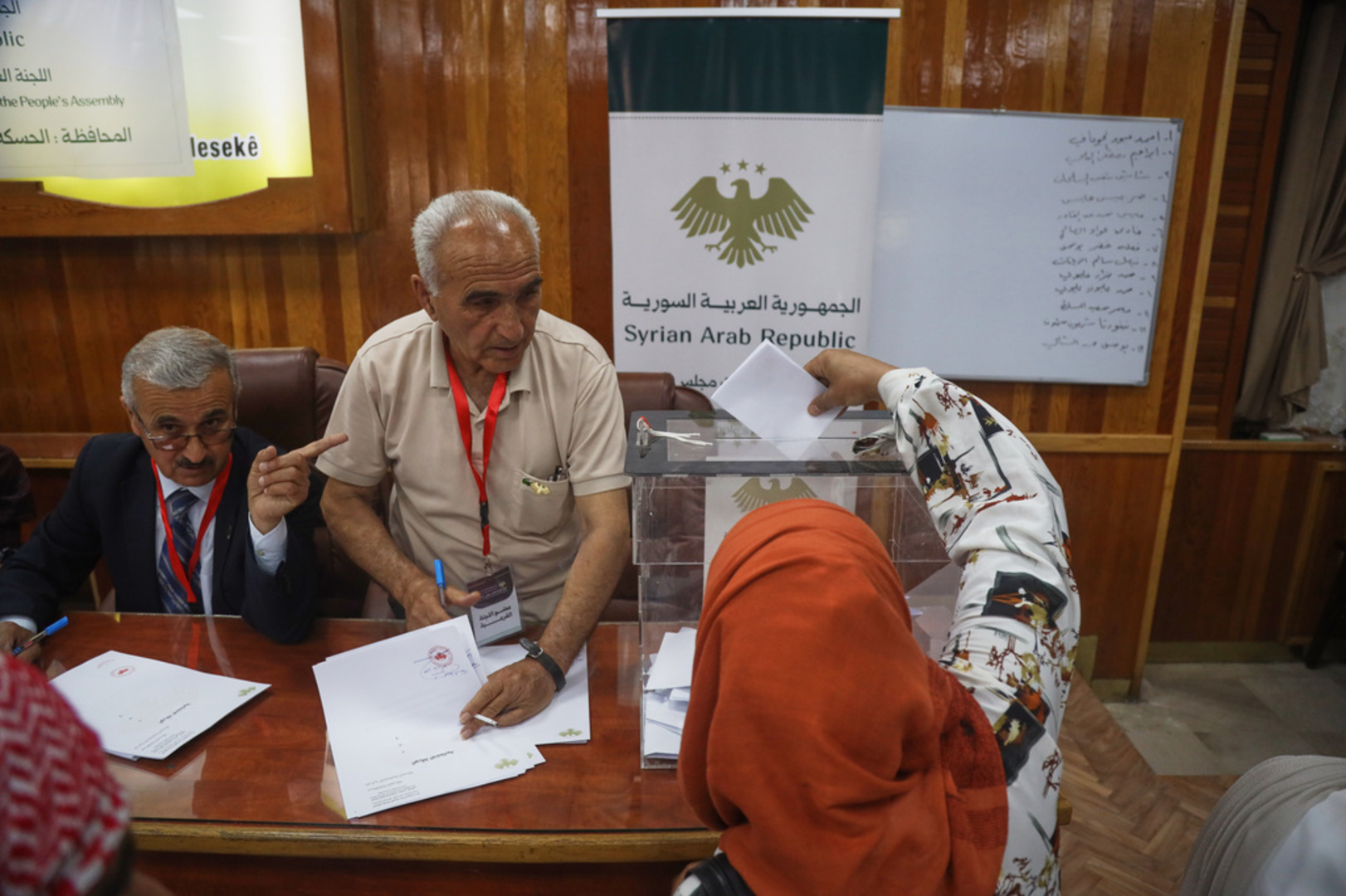
Syrian Legislative Elections Extend to Formerly Kurdish-Held Regions
 world
world