
A Shift in Sweden's Migration Paradigm
Sweden, a nation previously recognized for its accommodating stance towards refugees and migrants, has completed a comprehensive overhaul of its immigration policies over the last decade. This transformation has resulted in a more stringent migration regime, impacting the lives of many individuals who had sought to establish themselves within the country.
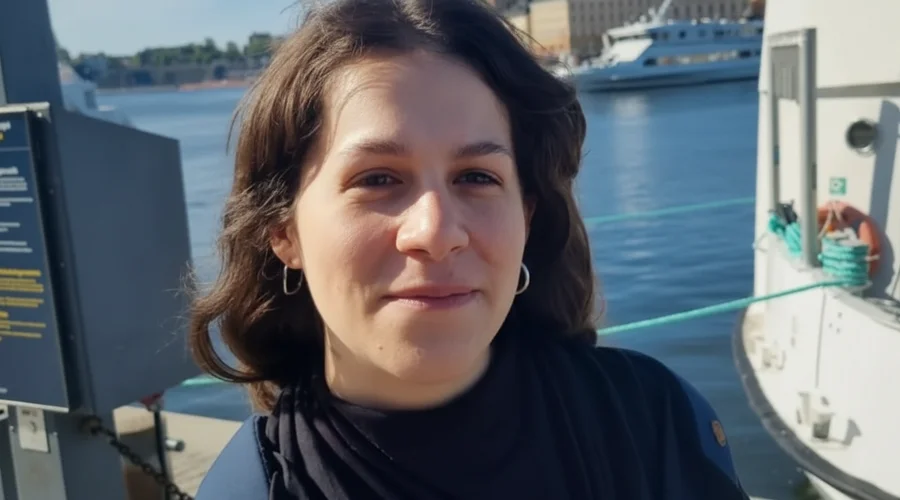
One such individual is Raquel Viveira, a 31-year-old Brazilian. After residing in Malmo and anticipating permanent residency, Viveira received a deportation order. Despite having integrated into Swedish society, including learning the language, establishing a business, and paying taxes, a technicality related to a change in cohabiting partner visas led to her removal. Viveira, who is currently in Sao Paulo awaiting a response to a new application, expresses a sense of injustice, stating, “I did nothing wrong.” Her experience, shared on social media, has resonated with many others who report similar challenges with their status in Sweden, including white-collar workers, Swedish speakers, and spouses of citizens.
Converging Policy Changes and Their Implications
The hardening of Sweden's migration policies culminated in three significant legislative changes in the summer of 2026. On June 12, Sweden adopted the most rigorous implementation options available under the European Union’s new Migration and Asylum Pact. This was followed on July 12 by a new law restricting all incoming asylum seekers to temporary residence permits, thereby eliminating the previous pathway to permanent residency. Furthermore, July 13 saw the introduction of the 'informer law,' which mandates six state agencies, including tax authorities and social services, to report suspected undocumented individuals to the police, a measure that challenges established confidentiality norms.
Legal experts contend that these legislative adjustments do more than merely tighten existing migration policies; they fundamentally redefine the experience of living in Sweden without Swedish citizenship. Sofia Ronnow Pessah, an asylum rights lawyer and policy adviser at RFSL Ungdom, commented on the significant shift, noting, “We’re waking up to a new Sweden after this summer.” She highlighted concerns that these changes would compel individuals to remain constantly vigilant about how their lives might be affected, describing the situation as “heartbreaking.”
Challenges for Undocumented Individuals and Asylum Seekers
The 'informer law' has raised particular apprehension among undocumented individuals, such as Leili Mehtarabbasi, a 70-year-old Iranian who has lived in Sweden without legal status for nearly 26 years. Her son, Ali Reza Roudaki, recounts the family's protracted struggle within the Swedish migration system. Mehtarabbasi arrived in Sweden in 2000 on a visitor visa, while Roudaki and his brother sought asylum after fleeing political persecution in Iran. Although her sons eventually obtained residency through a 2009 law, Mehtarabbasi was not included and remained undocumented. She has navigated significant life events, including breast cancer treatment through informal channels, while her numerous applications for residency have been denied. Currently, she has a pending case at the migration court.
Roudaki describes the asylum-seeking process under the new laws as akin to 'Mission Impossible.' With his wife having recently passed away, Mehtarabbasi now cares for her four-year-old granddaughter, making departure from Sweden an even more complex and undesirable option for the family. Their situation underscores the profound human impact of the policy changes, leaving them in a state of uncertainty and waiting.
The Broader Political Context and Future Outlook
The move towards temporary-only permits introduces new vulnerabilities for residents, as eligibility for renewal can be jeopardized by factors such as job loss, parental leave, or outstanding debts. Additionally, a new 'behaviour' law allows for the revocation of residency based on conduct that may not constitute a criminal offense, a provision Pessah describes as “quite vaguely defined.” Proposed family reunification laws further complicate matters, requiring a substantial monthly income for individuals seeking to bring family members to Sweden.
These policy shifts are occurring within a changing political landscape. Since the 2022 general election, which brought a center-right government to power with the support of the far-right Sweden Democrats, stricter migration measures have been increasingly implemented. The recent vote in the European Parliament to accelerate deportations, where far-right members chanted “Send them back,” highlighted the growing influence of such sentiments. While Sweden's Social Democrats, the largest opposition party, abstained from this vote—a departure from most of their European counterparts—they too have indicated a commitment to strict migration policies, albeit with modifications to certain controversial proposals rather than outright repeal.
The long-term effects of these legislative changes are yet to be fully realized. As Pessah noted, the current outcry over deportations of young people who have spent their entire lives in Sweden stems from laws enacted three years prior, indicating that the full impact of the most recent policies will emerge over time.
Source: Original Article
Related Articles
 world
world
UNRWA Faces Critical Funding Gap Amid Warnings of Worsening Humanitarian Crisis for Palestinians
 world
world
Cross-Border Tensions Escalate as Pakistan Reports Intercepting Drones from Afghanistan
 world
world
Lebanon-Israel Accord: A Precursor to Future Conflict?
 world
world