
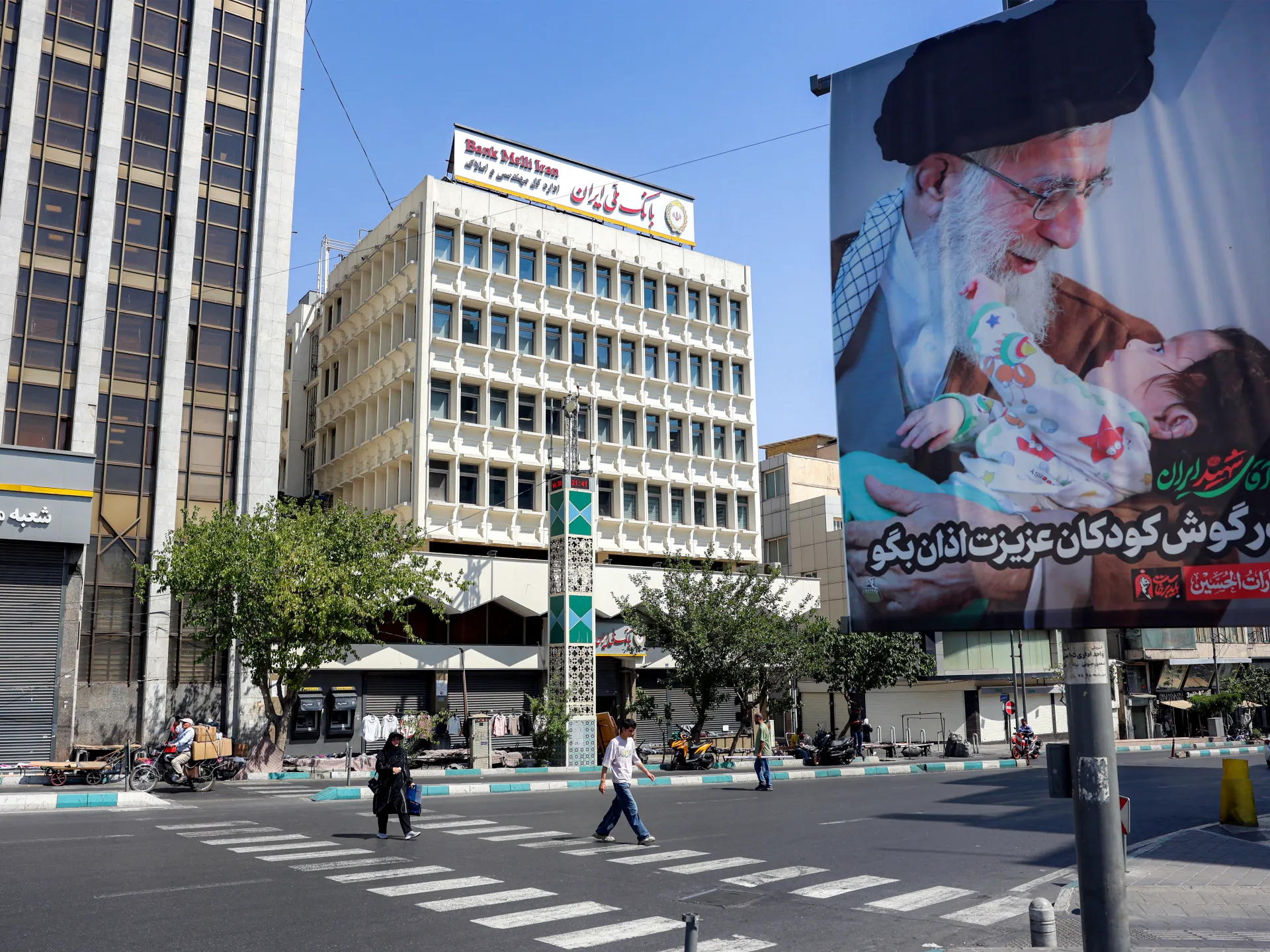
Ongoing Diplomatic Efforts in Doha
Qatari Prime Minister and Foreign Minister Sheikh Mohammed bin Abdulrahman bin Jassim Al Thani has hosted key figures including United States envoy Steve Witkoff and Jared Kushner, son-in-law to US President Donald Trump, in Doha. These meetings are part of a broader effort to facilitate dialogue between Tehran and Washington, following a memorandum of understanding (MoU) signed on June 17. The MoU extended a ceasefire by 60 days, providing a window for more detailed negotiations on a range of contentious issues. These include the future management of the Strait of Hormuz, the status of Iran’s frozen assets, potential long-term sanctions relief, and the parameters of Tehran’s nuclear program.
However, the two weeks since the MoU's signing have been marked by renewed friction. Tensions have escalated concerning maritime activities in the Strait of Hormuz, US airstrikes against Iranian targets, Iranian retaliatory actions against US military installations in Kuwait and Bahrain, and continued Israeli military operations in Lebanon. While Washington has indicated its readiness for direct negotiations in Doha, Iran has publicly refuted claims of direct engagement with the US.
US Stance on the Negotiations
US Vice President JD Vance articulated the Trump administration's position to Fox News, stating that the US maintains a strong stance irrespective of the outcome of the talks. Vance expressed the US's desire for successful negotiations but emphasized that even in the event of failure, the US remains in a significantly stronger position than Iran. He asserted that Iran's nuclear capabilities and military infrastructure have been 'destroyed' and reiterated President Trump's warning that any Iranian aggression in the Strait of Hormuz would provoke a US military response. Vance also suggested that a successful resolution could lead to a 'permanently transformed' Iran. He confirmed that technical discussions on specific points outlined in the MoU are ongoing.
According to reports from The Wall Street Journal, President Trump recently considered various options for military action against Iran but ultimately opted to prioritize diplomatic avenues, indicating a willingness to extend the current 60-day truce if necessary to advance discussions on Iran's nuclear program.
Iran's Perspective and Public Statements
Tehran has consistently denied engaging in direct negotiations with the United States in Doha. Instead, Iranian officials have indicated that they will participate in indirect talks with Qatari mediators to discuss the implementation of the MoU and the release of frozen Iranian assets. Iranian President Masoud Pezeshkian recently stated that Iran anticipates the release of $6 billion in frozen funds by the US as an initial step. Iranian Ministry of Foreign Affairs spokesperson Esmaeil Baghaei confirmed that Iranian negotiators are expected in Doha to discuss these funds and other aspects of the MoU with Qatari counterparts.
Vice President Vance characterized Iran's refusal to acknowledge direct technical talks as a 'Persian negotiation tactic.' During an interview on The Michael Knowles Show, Vance noted the paradoxical nature of Iran's public statements, where officials deny peace talks while simultaneously acknowledging technical discussions. He remarked, 'They’ll say, ‘No, no, there aren’t peace talks ongoing, but there are technical talks between the United States and Iran about the peace deal.’ It’s a Persian negotiating tactic and a Persian rhetorical device that I don’t understand.'
Reasons for Iran's Apparent Reluctance
Alex Vatanka, a senior fellow at the Middle East Institute, suggests that growing skepticism within Iran's leadership regarding the MoU might explain Tehran's hesitation to engage in direct, high-level talks with Washington. Vatanka observed, 'In the last two weeks or so, we’ve seen more pushback inside the Iranian regime. People were saying, ‘This MoU sounds impressive on paper, but where is the action?’' He highlighted concerns among Iranian officials about the delayed release of frozen assets, Iran's control over the Strait of Hormuz, and ongoing Israeli actions in Lebanon.
Vatanka indicated that time is pressing for the implementation of the roadmap established in the June 17 agreement. Consequently, senior Iranian officials may be reluctant to appear publicly in Doha, as such appearances could be perceived as a political liability domestically. He specifically mentioned Iranian Foreign Minister Abbas Araghchi and Consultative Assembly Speaker Mohammad Bagher Ghalibaf in this context.
Significance of the Current Negotiations
Scott Uehlinger, a US national security expert, believes that Washington is leveraging indirect technical talks in Doha to manage tensions in the Strait of Hormuz, despite the absence of direct negotiations. Uehlinger, a former CIA officer, stated, 'I think that the main point of the American negotiators is to try to use the technical talks, which have already been scheduled, as a way of heading off some difficulties which are clearly lying in the future.' He identified Iran's 'diplomatic gambit' to assert control over the Strait of Hormuz as a central challenge.
Uehlinger added that the US aims to clarify Iran's role in the strait as defined by the MoU and to potentially outline further details for a future comprehensive agreement. These indirect discussions are thus crucial for de-escalating potential conflicts and establishing a clearer understanding of maritime protocols in a critical global waterway.
Related Articles
 world
world
UNRWA Faces Critical Funding Gap Amid Warnings of Worsening Humanitarian Crisis for Palestinians
 world
world
Sweden's Evolving Migration Landscape: A Decade of Policy Shifts and Personal Impacts
 world
world
Cross-Border Tensions Escalate as Pakistan Reports Intercepting Drones from Afghanistan
 world
world