
The Plight of Displaced Sudanese Students
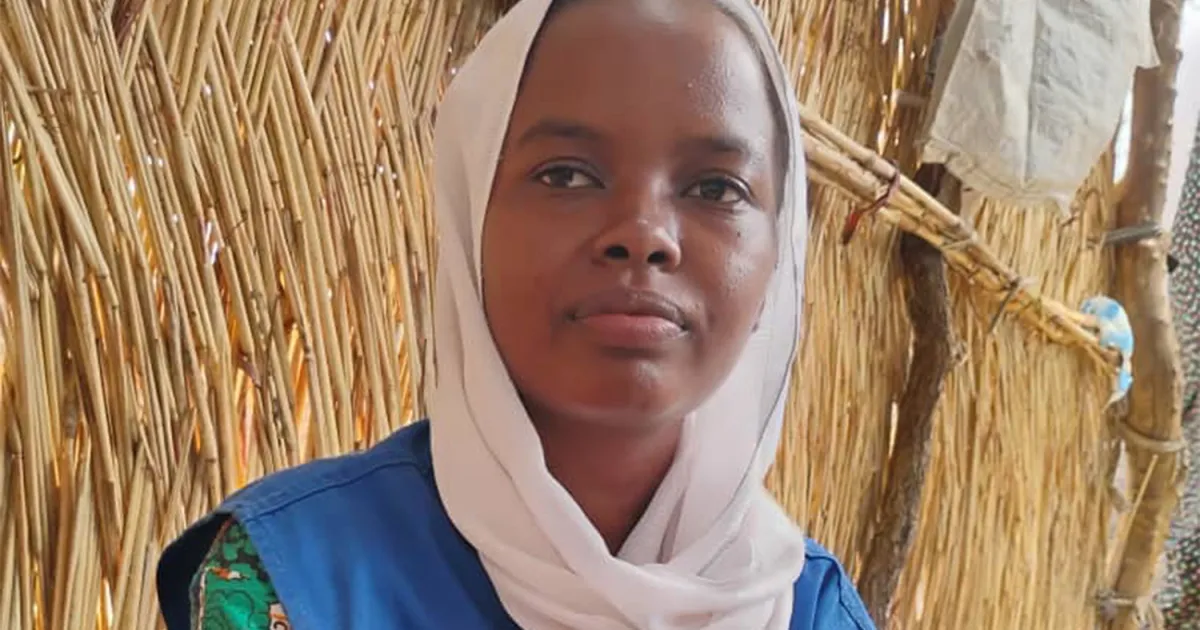
The protracted conflict in Sudan has led to the displacement of countless individuals, profoundly impacting the lives of its youth, particularly students. Many, like Islam Ibrahim, a 20-year-old pharmacy student, have seen their academic pursuits abruptly halted. After her father's death during the siege of el-Fasher, Islam, along with her mother and six sisters, sought refuge in the Central African Republic (CAR), leaving her studies behind. Now residing in the Korsi refugee camp, she dedicates her time to assisting newly arrived Sudanese women and girls, utilizing her nascent medical knowledge to support those exhausted from perilous journeys from Darfur.
Despite finding a degree of safety in exile, Islam faces ongoing pressures. Her uncles have visited the camp, urging her family to return to Sudan to address her late father's estate. Islam fears that such a return would not only expose them to an active conflict zone but also subject her and her sisters to potential familial pressure regarding marriage, which they wish to avoid. "I only want to go back to Sudan if it’s to continue my education," Islam stated, emphasizing her reluctance to return solely for inheritance matters.
Challenges in Exile: A Generation on Hold
Islam's narrative is representative of many Sudanese students in Korsi refugee camp, a generation grappling with futures derailed by war. Interviews with over 30 Sudanese university students reveal lives put on hold, ambitions shattered, and a pervasive uncertainty about returning home. Most are in their twenties, hailing from Amdafock, a border town in Darfur that initially offered refuge before becoming a departure point as violence escalated.
Initially, many held the belief that their displacement would be temporary, envisioning a swift return to complete their degrees once hostilities ceased. However, this hope has progressively diminished. Their experiences underscore a widening educational disparity fueled by the conflict. Millions of students in Darfur and other regions under the control of the Rapid Support Forces (RSF) have endured over three years without consistent schooling or access to nationally recognized examinations. Conversely, students in areas held by the Sudanese army, despite disruptions, have gradually resumed classes and taken exams, exacerbating the educational divide between young people on opposing sides of the conflict.
Adapting to New Educational Landscapes
The recent seizure of Amdafock by fighters from the Seleka rebel coalition, operating from across the CAR border, has further diminished the prospects of return for many families from the town. With support from UNHCR, several Sudanese refugees have secured places at the University of Bangui, offering a fragile pathway back to education after years of interruption. However, reintegrating into university life presents considerable challenges.
Students who completed their schooling in Arabic must now navigate their studies in French, necessitating the acquisition of an entirely new language while simultaneously meeting rigorous academic demands. Many express a profound sense of lost time due to the additional years required for adaptation, coupled with financial hardships and the psychological toll of displacement. "We have already lost so many years," a common sentiment shared by several students. Gamar el-Shaikh, a sociology student at the University of Bangui, articulated this frustration: "We left Birao refugee camp, promising our loved ones that we would return with university certificates. But with the educational environment we are in, and all the difficulties we face, it feels almost impossible to keep that promise."
Baderelddian Issa's family fled after his father, an imam in Amdafock, faced persecution from the RSF for criticizing them in his sermons. Baderelddian recounted how his father's stance made their family a target, forcing them to seek refuge in the CAR. He now strives to continue his studies, even as the likelihood of returning home recedes further.
Difficult Choices and Enduring Hope
For some, displacement has necessitated even more difficult decisions. Intisar el-Sadig lost her husband during the war and subsequently fled to the CAR with her young child. After UNHCR secured her a place at the University of Bangui, she made the painful choice to leave her three-year-old son in Korsi refugee camp with her mother to pursue her studies in the capital. She visits him whenever possible, acknowledging the emotional strain of each separation. "I am studying because I don’t want this war to take everything from us," Intisar affirmed. "If I stop now, then we will have lost not only our home and my husband, but also our future."
Ahmed, who once aspired to be a judge before the war, understands how quickly hopes can crumble. His father, a Sudanese army officer, was killed in el-Fasher. His family sought safety in Nyala, only to be attacked by RSF fighters, an assault during which his mother sustained a severe arm injury. The family eventually reached the CAR. Ahmed's legal studies are now on hold, his ambitions narrowed to mere survival.
Across Korsi, a shared sense of loss permeates. Students who once envisioned careers as pharmacists, engineers, teachers, and academics now navigate the complexities of exile, learning new languages, and attempting to rebuild their education within an unfamiliar system, all while worrying about relatives still in Sudan. For young women like Islam, displacement has also brought renewed pressures concerning inheritance and marriage. For others, the cost is measured in years of interrupted education that may never be recovered.
Despite the immense obstacles, Islam continues her volunteer work, while Gamar, Baderelddian, and Intisar persevere with their studies. Ahmed still clings to his dream of becoming a judge. For these young Sudanese, education has become both a sanctuary and a form of resistance, a fragile endeavor to reconstruct meaning in lives shattered by war. "We are the lost generation of Sudan," Ahmed lamented, tears in his eyes. "We lost everything in this war."
Source: Original Article
Related Articles
 news
news
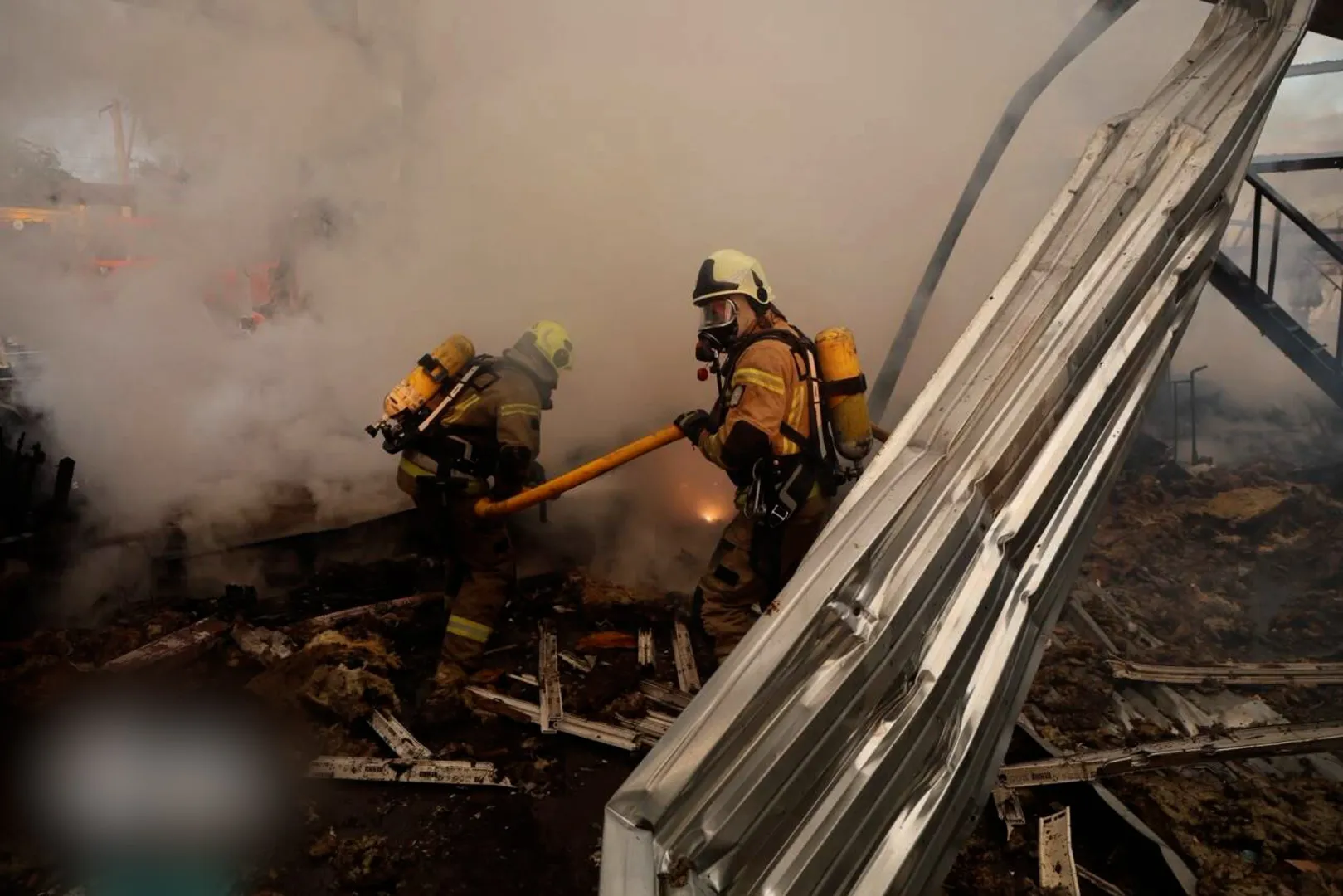
Kyiv Reports Ten Injuries Following Overnight Russian Strikes
 news
news
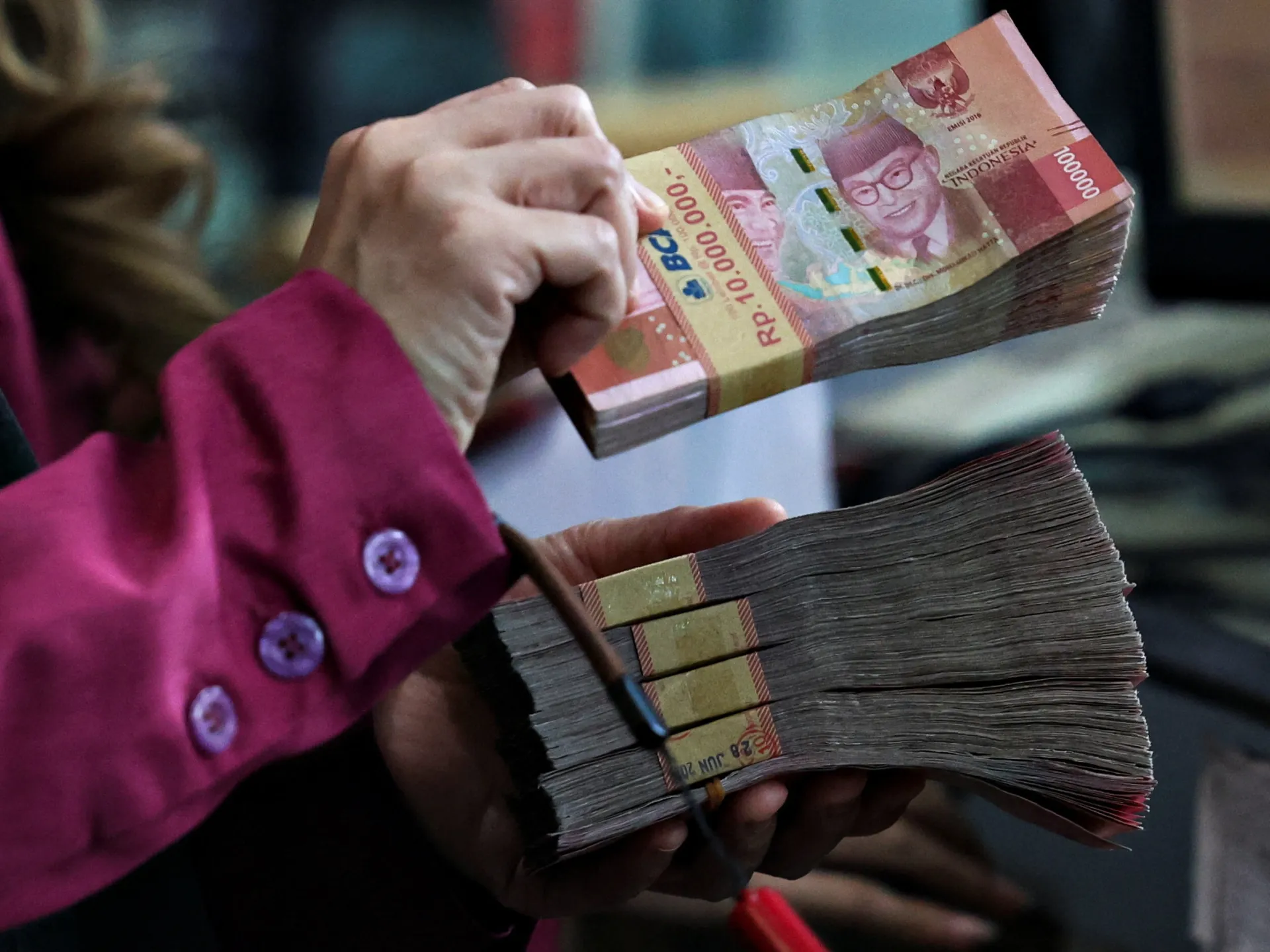
Indonesia's Anti-Graft Prosecutor Resigns Amidst Police Investigation
 news
news
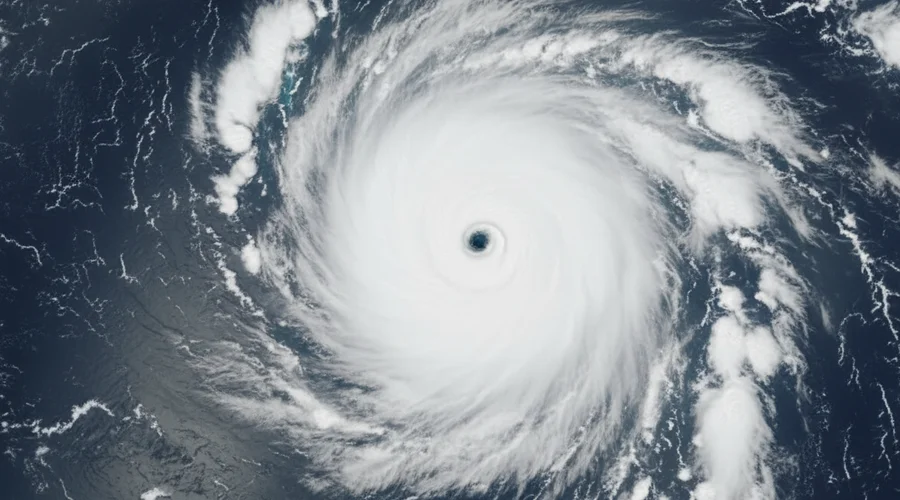
Typhoon Bavi Prompts Mass Evacuations Across China as it Approaches
 news
news