
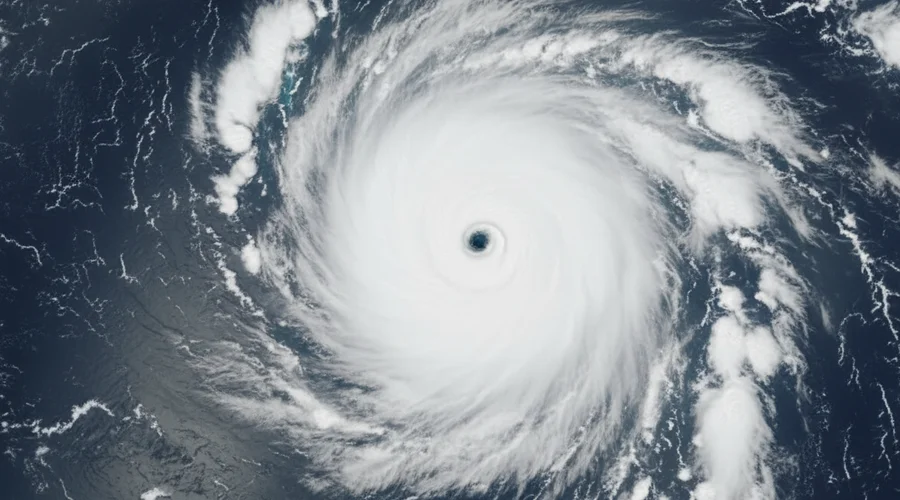
Mass Evacuations Underway in China
As Typhoon Bavi advances towards China, authorities have initiated the evacuation of more than 600,000 residents. The storm's approach follows its impact on Japan's Sakishima islands and a near pass of northern Taiwan. Chinese officials reported on Saturday that over 500,000 people were moved from their homes in Zhejiang province, with an additional 100,000 evacuees in the adjacent Fujian province.
Bavi's Projected Landfall and Continued Threat
Typhoon Bavi is anticipated to make landfall in the densely populated city of Wenzhou, located in Zhejiang, during the early hours of Sunday. Meteorologists predict the storm will bring substantial rainfall to the region. While Bavi has significantly weakened since its passage through the US Pacific islands on Monday, it still poses a considerable risk due to the extensive moisture contained within its rain bands.
In response to the impending storm, China's national weather agency has issued an orange typhoon alert, which is the second-highest warning level in its four-tiered system. The precautionary measures include the cancellation of hundreds of flights, reductions in rail services, and the suspension of numerous schools and ferry operations.
Residents in affected areas are preparing for the storm. Huang Xinghuan, a 50-year-old Wenzhou resident, shared his perspective with Reuters while purchasing groceries before a market closure. "I'm a little worried, but I think it'll be OK," he stated, noting that his family had secured enough water and food supplies for two to three days. He added, "We've been through typhoons before. We'll get through it."
Xinhua news agency reported that by Friday evening, more than 3,700 individuals had been evacuated from high-risk coastal areas in Ningde city, Fujian province. Authorities in the area have mobilized over 17,000 emergency rescue workers, who are currently on standby.
Previous Storm Impacts and Regional Preparedness
The southern regions of China, including Hainan and Guangxi, are still recovering from the effects of Tropical Storm Maysak, which occurred earlier in the week. The city of Nanning experienced significant devastation, where a breached dam led to severe flooding, resulting in at least 39 fatalities.
Impacts Beyond Mainland China
The Philippines has also experienced severe weather attributed to the enhanced southwest monsoon, exacerbated by Bavi's influence. Heavy rains triggered landslides on Friday night, claiming at least 17 lives.
Taiwan, which Bavi was expected to bypass on Saturday according to the island's Central Weather Administration, reported at least 36 injuries. Most of these incidents involved individuals on motorcycles navigating slippery roads amidst heavy rain and strong winds. Approximately 14,210 people were evacuated across the island by Saturday morning, with significant movements from Taichung city and Hualien county. Schools, offices, and most restaurants across Taiwan have been closed as a precautionary measure.
In Japan, over 200 flights were canceled as authorities in the southern Okinawa prefecture warned of high waves, strong winds, and storm surges. The southern Sakishima island chain, administered under Okinawa, has been experiencing strong winds and rain since Friday.
Source: Original Article
Related Articles
 news
news
Sudanese Students in Exile Confront Educational Disruption Amidst Conflict
 news
news
Kyiv Reports Ten Injuries Following Overnight Russian Strikes
 news
news
Indonesia's Anti-Graft Prosecutor Resigns Amidst Police Investigation
 news
news