
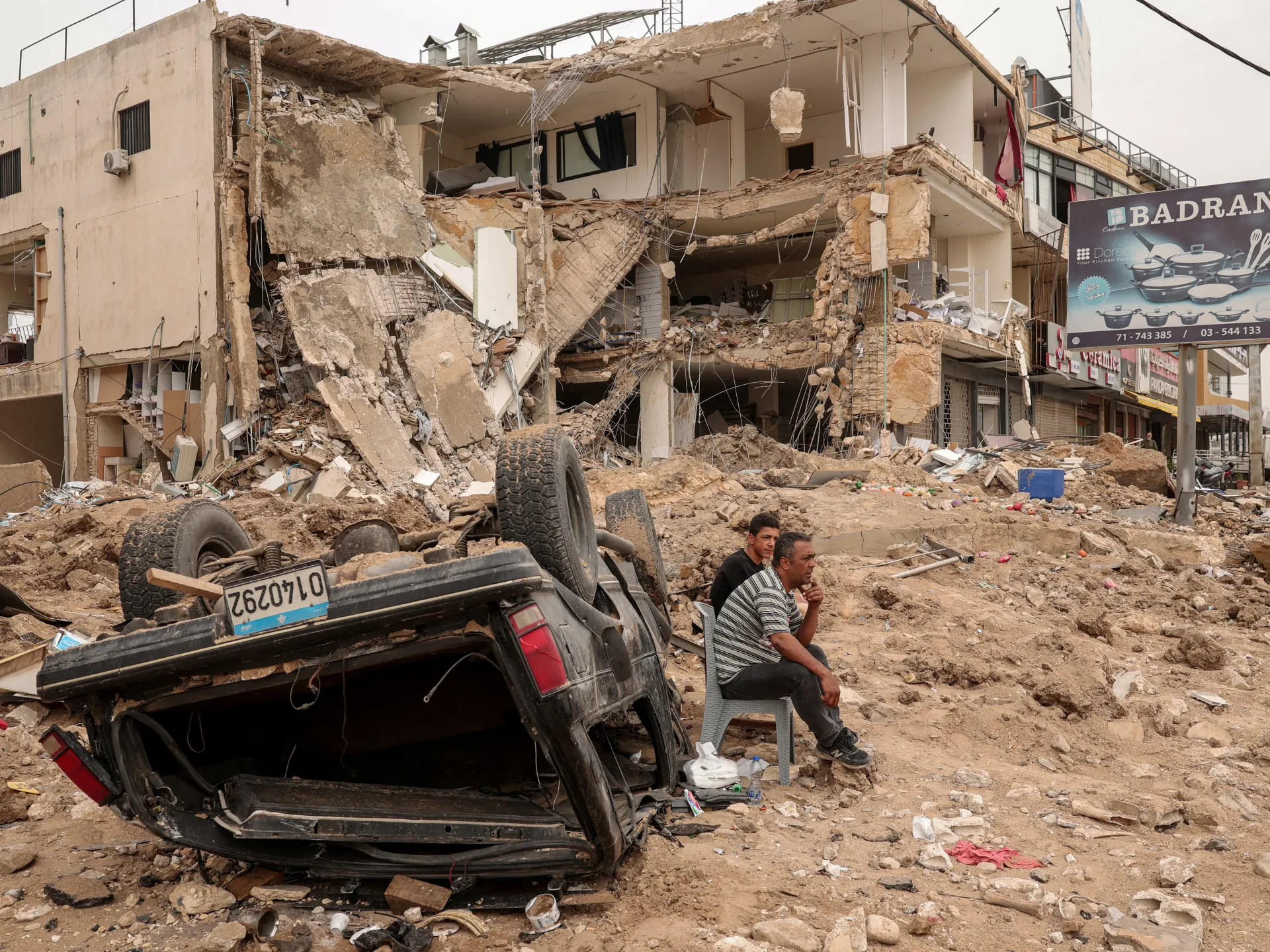
Widespread Destruction Evident in Tyre
Recent satellite imagery has brought to light considerable devastation across Tyre, a historic coastal city in southern Lebanon. This destruction follows a series of Israeli air strikes and systematic displacement orders. An in-depth examination of satellite data, conducted by Al Jazeera's open-source unit, compared images captured between early January and early June 2026, revealing a pattern of demolition and land-clearing activities. The analysis indicates that numerous populated civilian blocks, including multi-story residential complexes, have been reduced to rubble, transforming built-up areas into flattened fields.
This escalation occurs as Israel implements a 'Yellow Line' policy, similar to measures in Gaza, establishing a 10km-deep buffer zone along the border. Lebanese residents have reportedly been prohibited from returning to this designated military zone. Tyre, an ancient maritime city with a history spanning nearly 5,000 years, is situated approximately 11km (6.5 miles) from this exclusionary line, placing it directly within the conflict zone.
Impact on Civilian Life and Infrastructure
According to reports from civil defense in southern Lebanon, at least six individuals were killed in recent Israeli strikes on Tayr Debba, a town within the Tyre district. This incident occurred shortly after a previous attack that reportedly killed 20 people and wounded dozens in southern Lebanon, despite a US-brokered ceasefire. Since early March, the Israeli military offensive has resulted in over 3,600 fatalities and displaced approximately 1.2 million people.
Data provided by the Tyre municipality highlights the severe toll on the city's civilian infrastructure. Since March 2, 2026, Tyre has experienced around 31 direct Israeli air raids. These attacks have directly hit at least 25 residential buildings, leading to their total or partial collapse. Essential infrastructure, including power grids, water stations, telephone lines, and sewage networks, has also sustained extensive damage. Visual evidence confirms that the destruction is distributed across various urban sectors of the city. This ongoing campaign reportedly mirrors destructive patterns observed during the 2006 conflict, which involved the flattening of entire neighborhoods, substantial civilian casualties, and mass displacement. In Gaza, where a significant percentage of buildings have been damaged or destroyed, including heritage sites, the conflict has resulted in a high number of casualties.
Threat to World Heritage Sites and Educational Institutions
The damage has extended to Tyre's invaluable historical areas. Satellite data indicates that air raids struck structures mere meters from the Tyre archaeological site, a location recognized on the UNESCO World Heritage List since 1984. This targeted perimeter falls within a zone granted 'enhanced protection' in November 2024 under the 1954 Hague Convention for the Protection of Cultural Property in the Event of Armed Conflict.
Lebanon's Ministry of Culture issued an urgent statement condemning these attacks, emphasizing that the ancient city represents nearly 5,000 years of human history. The ministry underscored that safeguarding this cultural landmark is a global responsibility mandated by international law, not solely Lebanon's. Beyond historical sites, educational institutions have also been directly affected. The National News Agency reported that Israeli warplanes struck the immediate vicinity of the Islamic University of Lebanon in Tyre, causing structural damage and destroying civilian vehicles nearby.
Palestinian Refugee Camps Under Fire
The bombardment has also impacted vulnerable refugee populations in the region, specifically targeting the el-Buss camp for Palestinian refugees. Satellite images have confirmed the destruction of several buildings within this officially recognized UNRWA camp, alongside severe structural damage to a local public high school. This escalation has triggered a secondary humanitarian crisis for Palestinians in Lebanon, who number approximately 246,000 across 12 official camps. The southern districts of Tyre and Sidon have borne the brunt of direct military operations and forced displacement orders issued south of the Zahrani River.
The three official camps in the Tyre district – Rashidieh, el-Buss, and Burj Shemali – collectively house 28,000 refugees. UNRWA officials have confirmed that one-third of these residents have already fled the three Tyre camps due to the bombardment.
Mass Displacement and Humanitarian Strain
The exodus from Tyre has placed significant strain on Lebanon's humanitarian infrastructure. An estimated 8 percent of Tyre's permanent population of 60,000, which includes about 10,000 from the densely populated historical Old City, fled within a 48-hour period following the latest military warnings. Prior to the current alerts, Tyre hosted 19,000 internally displaced persons (IDPs) from surrounding border villages, with 6,000 accommodated across 19 local shelters. Now, both the original residents and those previously displaced are seeking refuge further north.
Sidon and its camps, Ein el-Hilweh and Mieh Mieh, have become primary destinations, severely overstretching already scarce resources such as food, water, and medical supplies. Displaced families are also arriving in Beirut and Mount Lebanon, including Iqlim al-Kharroub and the Chouf. However, those entering Beirut's southern suburbs, such as the Burj al-Barajneh and Shatila camps, face the ongoing threat of secondary air raids. Hundreds of families are traveling as far north as Tripoli and Akkar, seeking refuge in the Nahr al-Bared and Beddawi camps, which are currently perceived as safer havens.
Source: Al Jazeera
Related Articles
 world
world
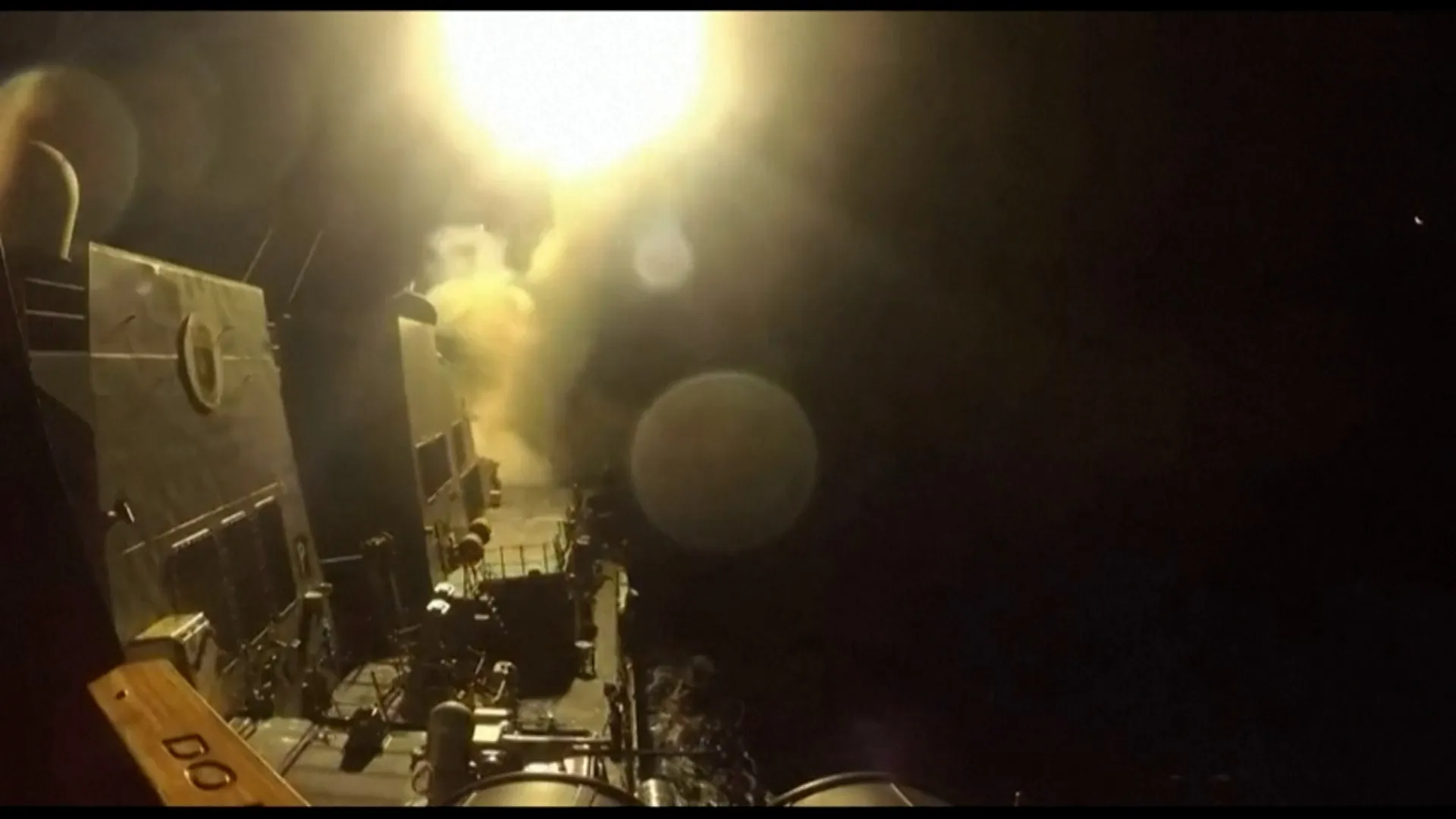
US Central Command Publishes Footage of Strikes Against Iranian Targets
 world
world
Allegations of Sexual Violence Surface in Israeli Detention Facilities
 world
world
UN Watchdog Demands Iran Account for Enriched Uranium Stockpiles Amid Regional Tensions
 world
world