
Overview of the Conflict's Aftermath
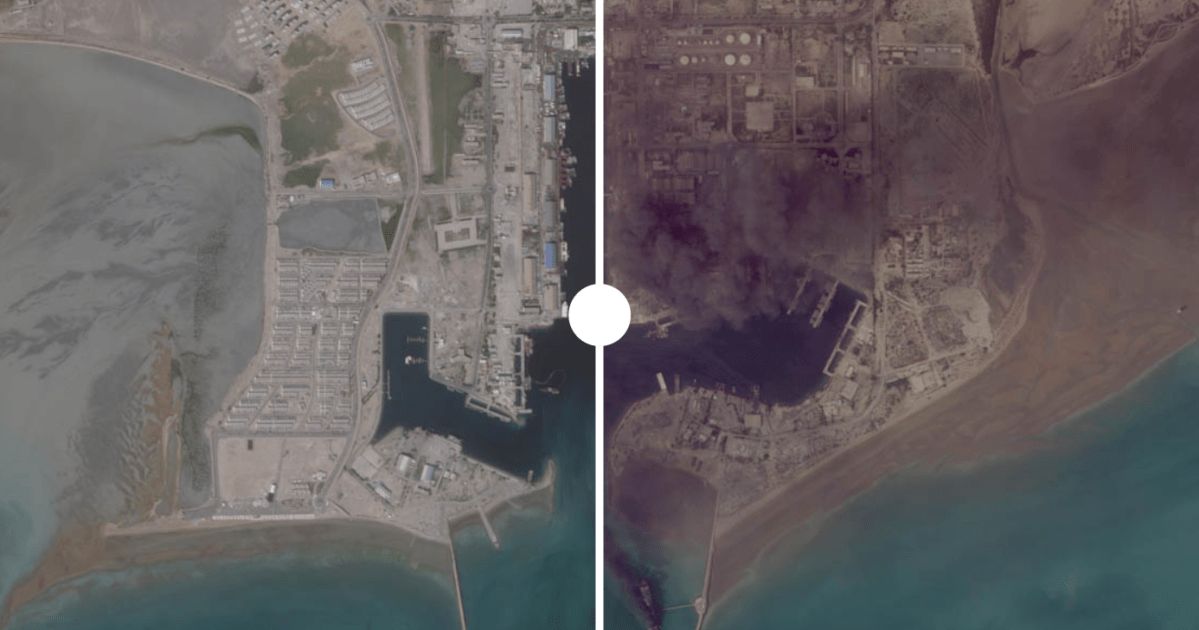
Recent satellite imagery offers a stark visualization of the impact of the US-Israel conflict on Iran, as well as on US military installations situated throughout the Gulf region. These visual records, compiled by Al Jazeera, depict a comprehensive 'before and after' perspective of 15 distinct locations, showcasing the extent of the damage incurred during the recent period of heightened hostilities.
Key Impacted Iranian Locations
The satellite analysis focuses heavily on critical infrastructure within Iran, particularly its naval capabilities. Ports that serve as strategic hubs for Iran's maritime forces appear significantly altered in the post-conflict images. These facilities are not merely points of docking but are integral to Iran's defense and logistical networks. The observed destruction suggests a concerted effort to degrade Iran's naval power, potentially impacting its ability to project influence or defend its maritime borders.
- Naval Ports: Several key Iranian naval ports show signs of substantial damage, including structural impacts to docks, warehouses, and support buildings. The extent of the destruction indicates direct hits aimed at crippling naval operations.
- Military Installations: Beyond naval facilities, other Iranian military sites, whose exact nature remains undisclosed in the summary, also exhibit considerable damage. These could include airfields, barracks, or command centers, all crucial components of a nation's defense apparatus.
- Industrial and Strategic Sites: While the primary focus is military, the broader implications of conflict often extend to industrial and strategic sites that support military efforts. Any damage to these could have long-term economic and operational consequences for Iran.
Impact on US Military Bases in the Gulf
The conflict was not confined to Iranian territory; US military bases across the Gulf region also sustained damage. This highlights the reciprocal nature of the engagements and the broad geographical scope of the hostilities. The presence of US forces in the Gulf is a critical element of regional security architecture, and any damage to these bases raises questions about operational readiness and the safety of personnel.
- Airbases and Support Facilities: Satellite images reveal damage to runways, aircraft hangars, and support infrastructure at various US military airbases in the Gulf. This indicates that these facilities were targets of retaliatory strikes.
- Logistical Hubs: Some US logistical hubs, essential for supplying and maintaining operations in the region, also show signs of impact. Such damage can disrupt supply lines and operational efficiency.
- Defensive Structures: While the primary focus is on damage, the images may also indirectly show the effectiveness or limitations of existing defensive structures at these bases in mitigating the impact of incoming projectiles.
Interpreting the Satellite Data
The use of satellite imagery in conflict analysis provides an objective and verifiable means of assessing damage. These 'before and after' comparisons allow experts to identify precise locations of strikes, estimate the scale of destruction, and infer the types of weapons used based on cratering and structural collapse. Such data is invaluable for understanding the immediate aftermath of military operations and for informing subsequent diplomatic or humanitarian responses.
The visual evidence from satellite photography serves as a critical independent record, offering insights into the physical consequences of the recent US-Israel confrontation with Iran. It underscores the destructive potential of modern warfare and its widespread implications across a volatile region.
The documented destruction across 15 sites, encompassing both Iranian strategic assets and US military installations, paints a clear picture of the intensity and reach of the recent conflict. The analysis of these images will likely continue to inform discussions on regional stability, military strategies, and the broader geopolitical landscape.
Source: Al Jazeera
Related Articles
 world
world
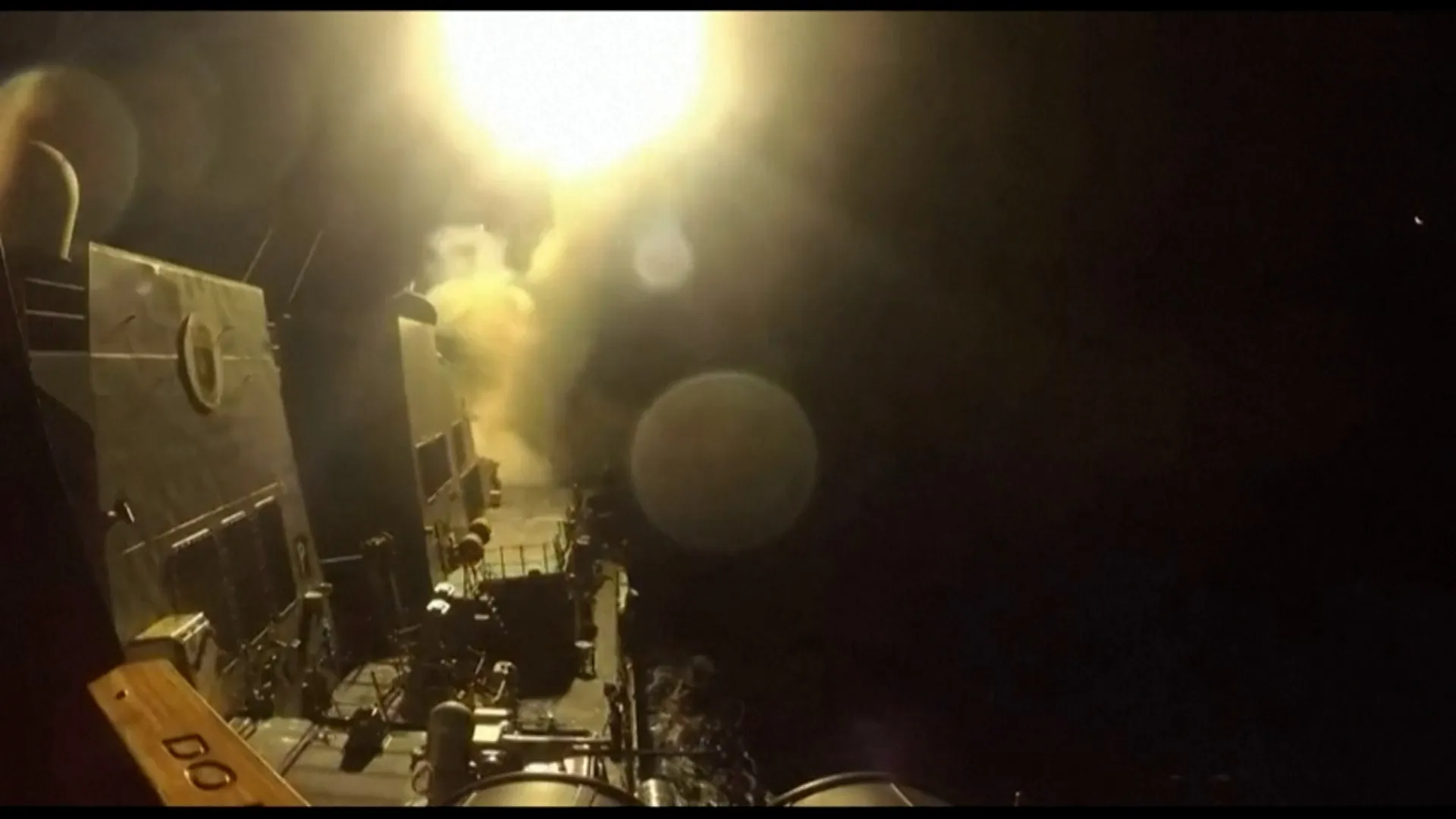
US Central Command Publishes Footage of Strikes Against Iranian Targets
 world
world
Allegations of Sexual Violence Surface in Israeli Detention Facilities
 world
world
UN Watchdog Demands Iran Account for Enriched Uranium Stockpiles Amid Regional Tensions
 world
world