
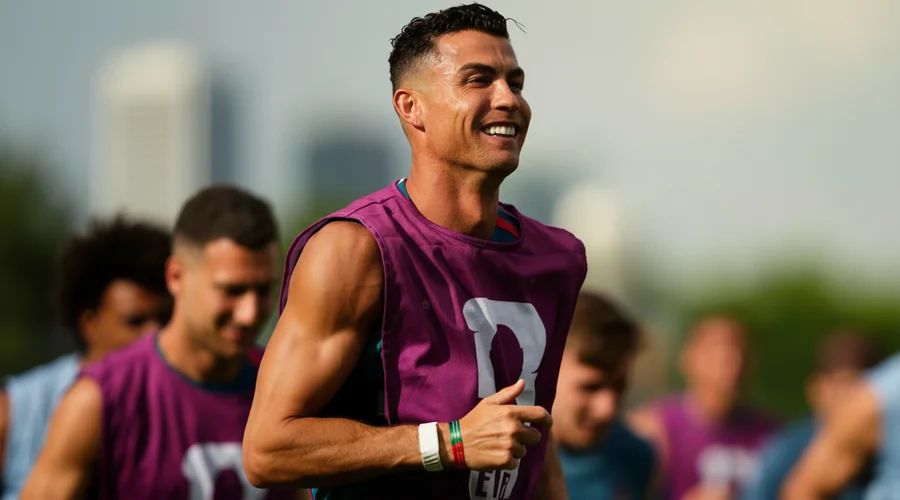
Ronaldo's Enduring Appeal in Toronto
Toronto has been swept up in an wave of enthusiasm following the arrival of football superstar Cristiano Ronaldo and the Portuguese national team. The city is preparing to host a highly anticipated World Cup round of 32 clash between Portugal and Croatia. This marks Ronaldo's return to Toronto after a 17-year absence, with his last visit in August 2009 when Real Madrid played a friendly match against Toronto FC. Despite the passage of time, the scenes of fan devotion mirror those from his previous visit, underscoring his lasting global appeal.
On Wednesday, hundreds of Toronto residents converged on streets, highways, and downtown intersections, eager to catch a fleeting glimpse of Ronaldo as the Portuguese team made its way through the city. Fans scaled structures and peered from high-rise buildings, all hoping for a brief moment of connection with the football legend. The timing of the team's arrival on a public holiday further facilitated fan participation, allowing more individuals to witness the 41-year-old icon, who is likely competing in his final World Cup. For many, this match could also represent his last appearance in a World Cup tournament if Portugal is eliminated.
The city's excitement was palpable from the moment the Portuguese team landed at Pearson airport on Wednesday afternoon. Enthusiastic biker groups formed an escort along the Gardiner Expressway, guiding the team bus to the Delta Hotel. Here, hundreds of fans had gathered, hoping to see Ronaldo as he disembarked. The fervor continued as the team proceeded to Centennial Park for their training session. Even at the Etobicoke training grounds, dozens of captivated fans, many sporting red number 7 jerseys, stood outside the perimeter, watching Ronaldo and the Portuguese squad prepare for the match on what was reportedly Canada's hottest day of the year.
The Cost of Fan Devotion
For many local Portugal supporters, this event offered their closest opportunity to see Cristiano Ronaldo in person. The high demand for tickets to the sold-out match has resulted in exorbitant prices, with some reaching as much as $30,000 Canadian dollars ($21,000 USD), placing them out of reach for the average football fan. On resale platforms, ticket prices have averaged between $2,500 and $3,500 Canadian dollars in the week leading up to the game, despite Ontario regulations prohibiting third-party sales above face value.
Joey, a 33-year-old working at Bairrada Churrasqueira near Toronto's Little Portugal, expressed the sentiment of many fans. "As a dad and a husband, I couldn't justify spending that kind of money on a ticket, no matter how much I want to see Portugal play in Toronto," he told Al Jazeera. Yet, he also conveyed a sense of wonder: "But it still feels surreal that Portugal is playing here in Toronto, who would have ever thought that."
A Cultural Collision: Football and Identity
Joey represents one of the tens of thousands of Portuguese-Canadians who have established roots in Toronto over several decades. The initial wave of immigrants arrived in the 1950s, seeking enhanced opportunities. Just last year, the city honored these pioneers by inaugurating the Azores Parkette in the heart of Little Portugal, commemorating the 18 men who journeyed from Sao Miguel, Azores, to build new lives in Canada. Consequently, when Portugal takes the field at Toronto Stadium, it will signify more than just a football match; it will be a momentous occasion for generations of hyphenated Canadians, representing a unique convergence of their two worlds.
For Shannon Medeiros, 46, a lifelong football enthusiast, the match carries particular significance. Her passion for the sport began at age six, inspired by her father, who attended every game and coached her. Football has been an integral part of her family's life since her father and his family immigrated to Canada in the 1950s. Like many immigrants of that era, education was often set aside in favor of employment to support the family. Football remained a constant and essential element within the growing Portuguese community, which expanded from a few hundred to over 300,000 individuals.
"It's something we do as a family now; that's how much the game means to us," Medeiros stated, now coaching her two sons in the sport, following her father's example. This narrative resonates with the story of Stephen Eustaquio, the Canadian football star of partial Portuguese heritage, whose father also guided him into the sport. Football served as a unifying force, fostering a shared sense of identity within the community as Canada welcomed diverse ethnicities over the decades.
Medeiros highlighted the strong sense of pride within the Portuguese community: "The one thing you'll see in the Portuguese community is how proud we are – of our heritage, our culture, to wear the jersey, put a flag up." A stroll through Little Portugal during the World Cup visually confirms this, with flags featuring both Canadian and Portuguese emblems adorning homes and businesses, often with the omnipresent CN Tower visible in the background.
Match Expectations and Ronaldo's Legacy
Despite acknowledging that the Portuguese team has not consistently performed at its peak during the tournament, Medeiros expressed optimism about their chances against Croatia. She plans to watch the game with her father, awaiting the outcome of her prediction. Meanwhile, fans without match tickets are flocking to sports bars, public screenings, and fan festivals across the city, eager to see if Ronaldo can score his first knockout-round goal in a World Cup, especially after an initially subdued start to the tournament for the Portuguese captain.
Josh Madeiros, a 35-year-old Portuguese-Canadian, shared his prediction while waiting for a drink at Garrafeira: "I think Portugal will win 2-1, or maybe 3-1. But don't tell my girlfriend I said that." He will be supporting his team separately from his girlfriend, who is Croatian. After some consideration, he conceded that Portugal's recent performance has been inconsistent and that there are limits to what a player in his forties, even Ronaldo, can achieve. Nevertheless, his admiration remains unwavering: "But he's still my guy, and he's still the GOAT [greatest of all time]."
Source: Original Article
Related Articles
 sport
sport
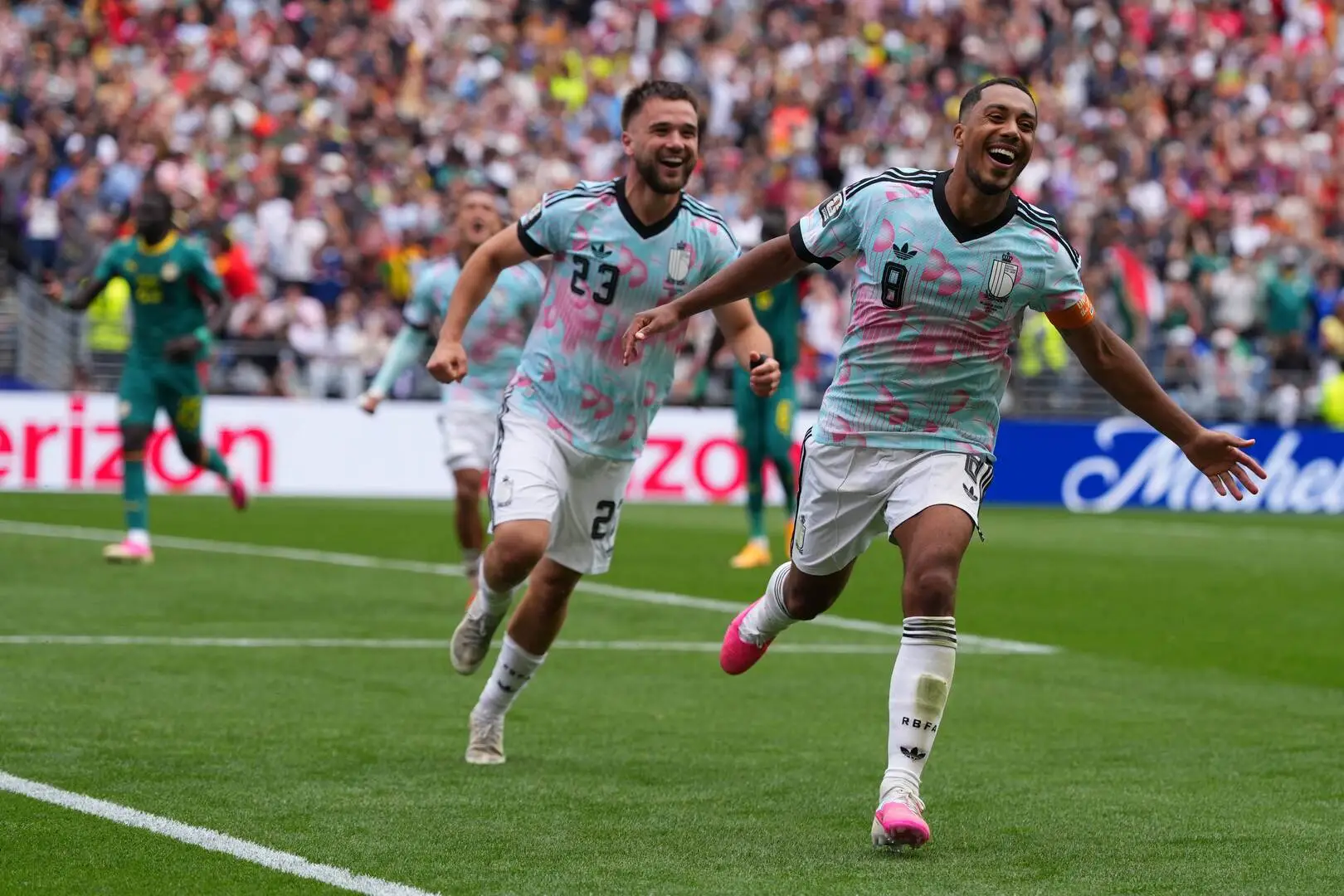
Belgium Secures Dramatic Last-16 Berth with Late Goal Against Senegal
 sport
sport
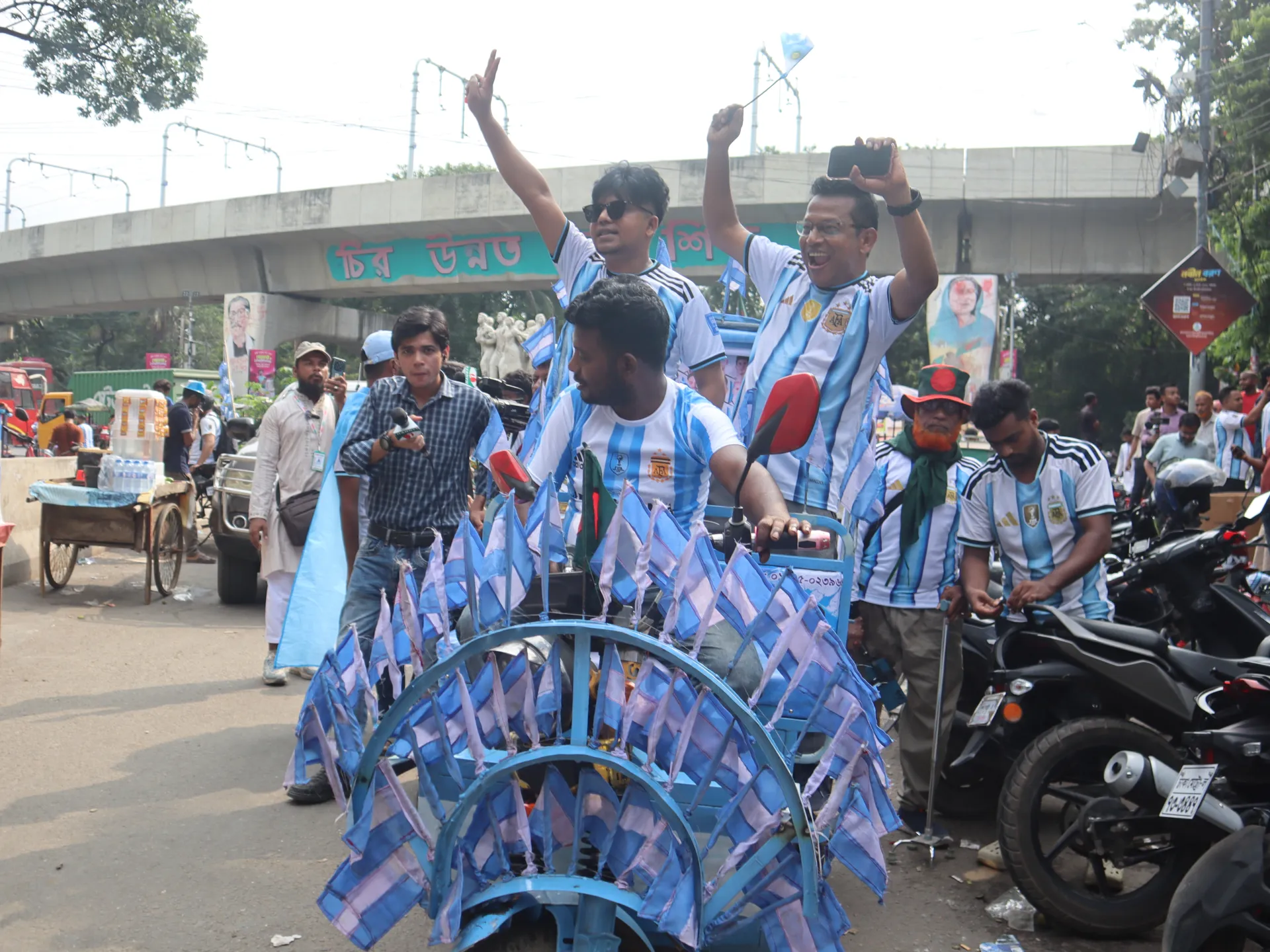
The Enduring Allure: Why Bangladesh's Football Fervor Gravitates Towards Argentina
 sport
sport
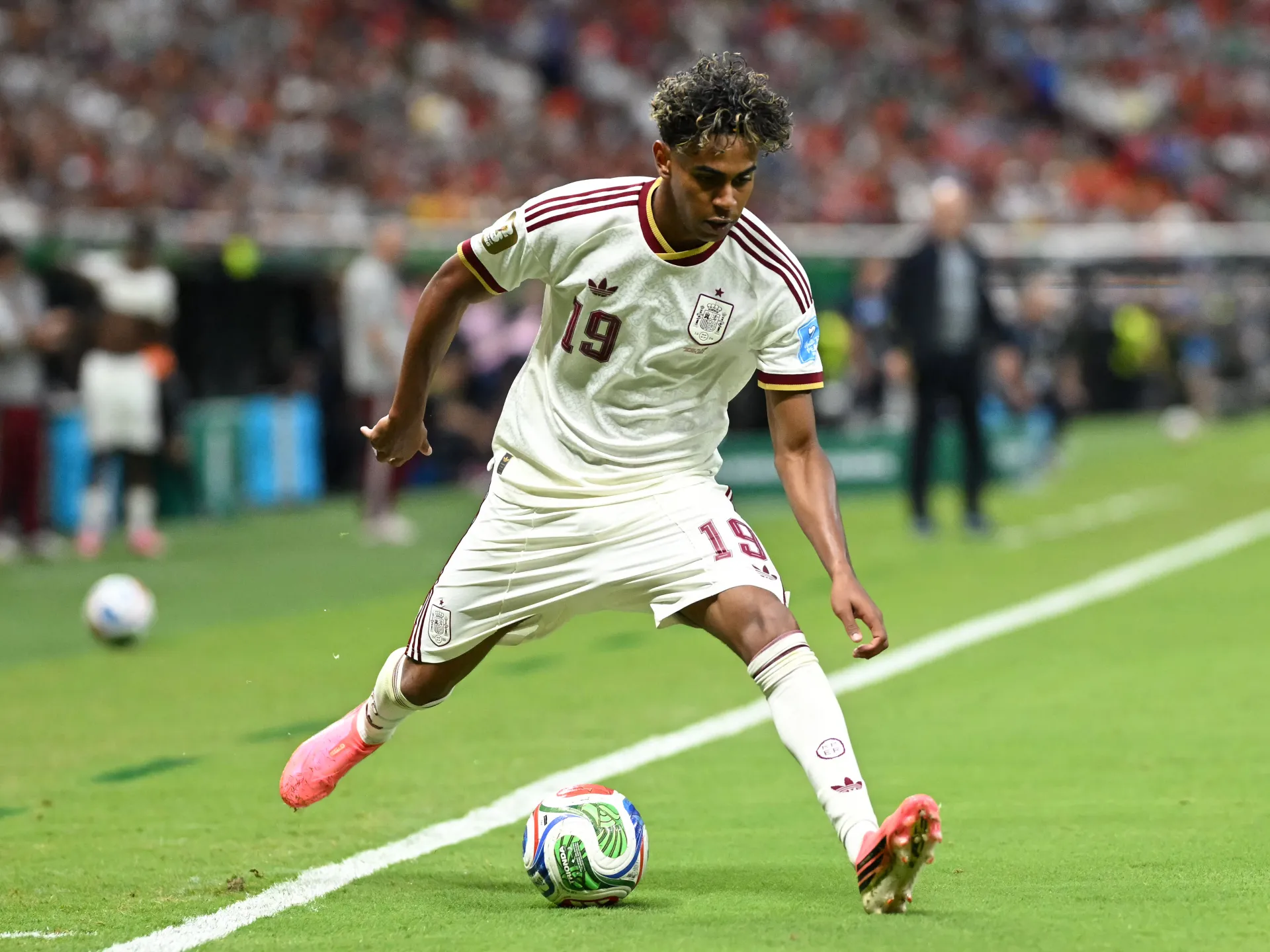
Spain Prepares for Austria Clash in World Cup Round of 32
 sport
sport