
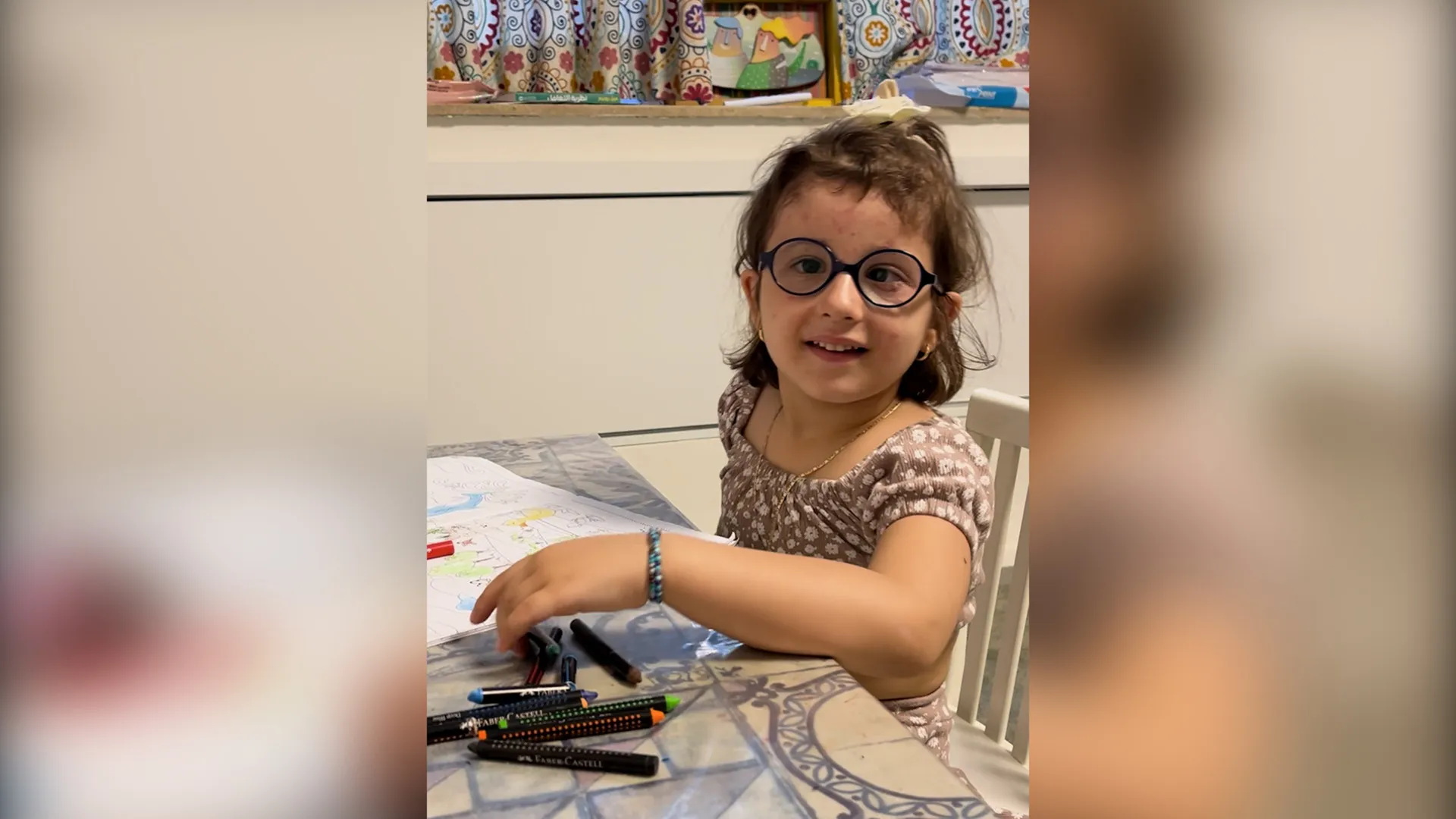
The Enduring Scars of Conflict on Childhood
The human cost of armed conflict is often most acutely felt by the most vulnerable members of society: children. In Lebanon, a nation that has endured protracted periods of instability and cross-border hostilities, the reverberations of war continue to shape the lives of its youngest citizens. These conflicts inflict not only physical wounds but also deep psychological trauma, the recovery from which can be a long and arduous journey.
The story of four-year-old Malika serves as a poignant illustration of this harsh reality. Malika sustained severe injuries during an Israeli attack that tragically claimed the life of her mother. Her mother's final act was one of immense bravery, shielding Malika from the devastating impact of falling debris, a sacrifice that undoubtedly saved the young girl's life but left her with significant physical and emotional wounds.
Malika's Path to Recovery
Malika's journey since that harrowing event has been one marked by both immense challenges and remarkable resilience. Her recovery is a testament to the strength of the human spirit, particularly in children, who often demonstrate an extraordinary capacity to adapt and heal even in the face of unspeakable trauma. Crucially, her progress has been significantly bolstered by the unwavering support of her family, who have provided a vital anchor of love and stability during this tumultuous period.
Beyond familial care, organizations dedicated to assisting child victims of conflict play an indispensable role. In Malika's case, the Ghassan Abu Sitta Children’s Fund has been instrumental in her recuperation. Such funds often provide critical medical care, psychological support, and rehabilitation services that are essential for children to overcome their injuries and begin to process their traumatic experiences. These interventions are not merely about mending physical wounds; they are about fostering an environment where children can regain a semblance of normalcy and hope for the future.
The Broader Context: Children in Conflict Zones
Malika’s experience is, unfortunately, not an isolated incident but rather a reflection of a widespread crisis affecting countless children in conflict zones globally. Children in these areas are exposed to a range of traumatic events, including direct violence, the loss of family members, displacement, and the destruction of their homes and communities. The long-term effects of such exposure can manifest in various ways, including:
- Post-Traumatic Stress Disorder (PTSD): Symptoms can include nightmares, flashbacks, anxiety, and difficulty concentrating.
- Depression and Anxiety: Children may experience persistent sadness, loss of interest in activities, or heightened fear and worry.
- Developmental Delays: Chronic stress and trauma can impede cognitive, emotional, and social development.
- Physical Health Issues: Stress can weaken the immune system and exacerbate existing health conditions.
- Behavioral Problems: Aggression, withdrawal, or difficulty forming attachments can emerge as coping mechanisms.
Addressing these complex needs requires a comprehensive approach that integrates medical, psychological, social, and educational support. Providing safe spaces, consistent routines, and opportunities for play and learning are crucial for helping children process their experiences and rebuild their lives.
The Role of Humanitarian Aid and International Support
The work of organizations like the Ghassan Abu Sitta Children’s Fund highlights the critical importance of humanitarian aid and international solidarity in addressing the needs of child victims of conflict. These organizations often operate in extremely challenging environments, providing life-saving assistance and long-term support. Their efforts not only contribute to the immediate recovery of individual children but also play a vital role in the broader process of community healing and reconstruction.
Moreover, the international community has a responsibility to advocate for the protection of children in armed conflict, ensuring adherence to international humanitarian law and holding perpetrators accountable. Protecting children from the ravages of war is not merely an act of charity; it is a fundamental moral imperative and a cornerstone of building a more peaceful and just world.
Looking Ahead: Hope and Resilience
While the trauma inflicted by war leaves indelible marks, stories like Malika's offer a glimmer of hope. They underscore the incredible resilience of children and the transformative power of support, compassion, and dedicated care. As Malika continues on her path to recovery, her story serves as a powerful reminder of the lasting human impact of conflict and the urgent need for sustained efforts to protect and heal its youngest victims.
Source: A four-year-old’s recovery from the trauma of war in Lebanon
Related Articles
 world
world
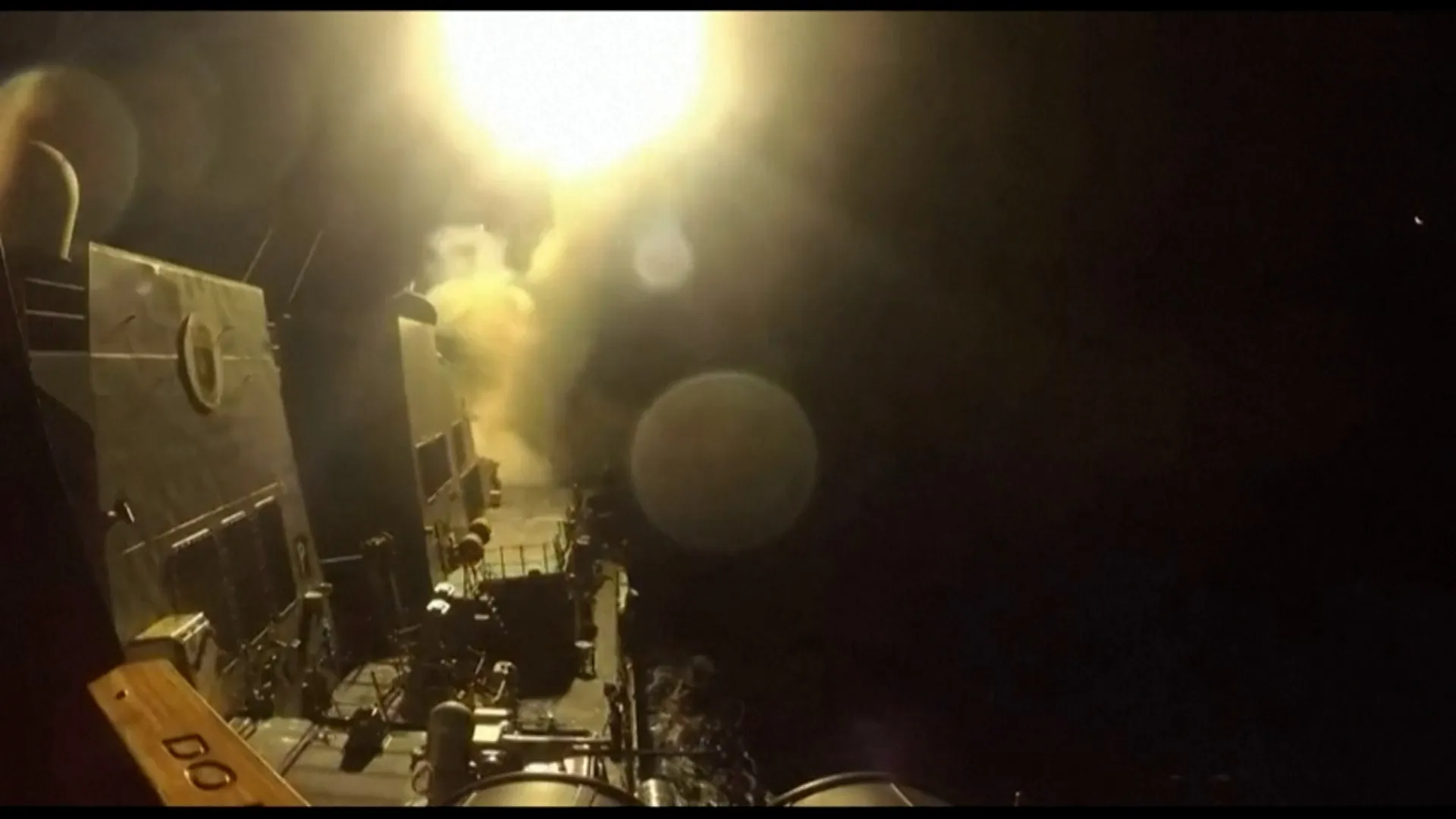
US Central Command Publishes Footage of Strikes Against Iranian Targets
 world
world
Allegations of Sexual Violence Surface in Israeli Detention Facilities
 world
world
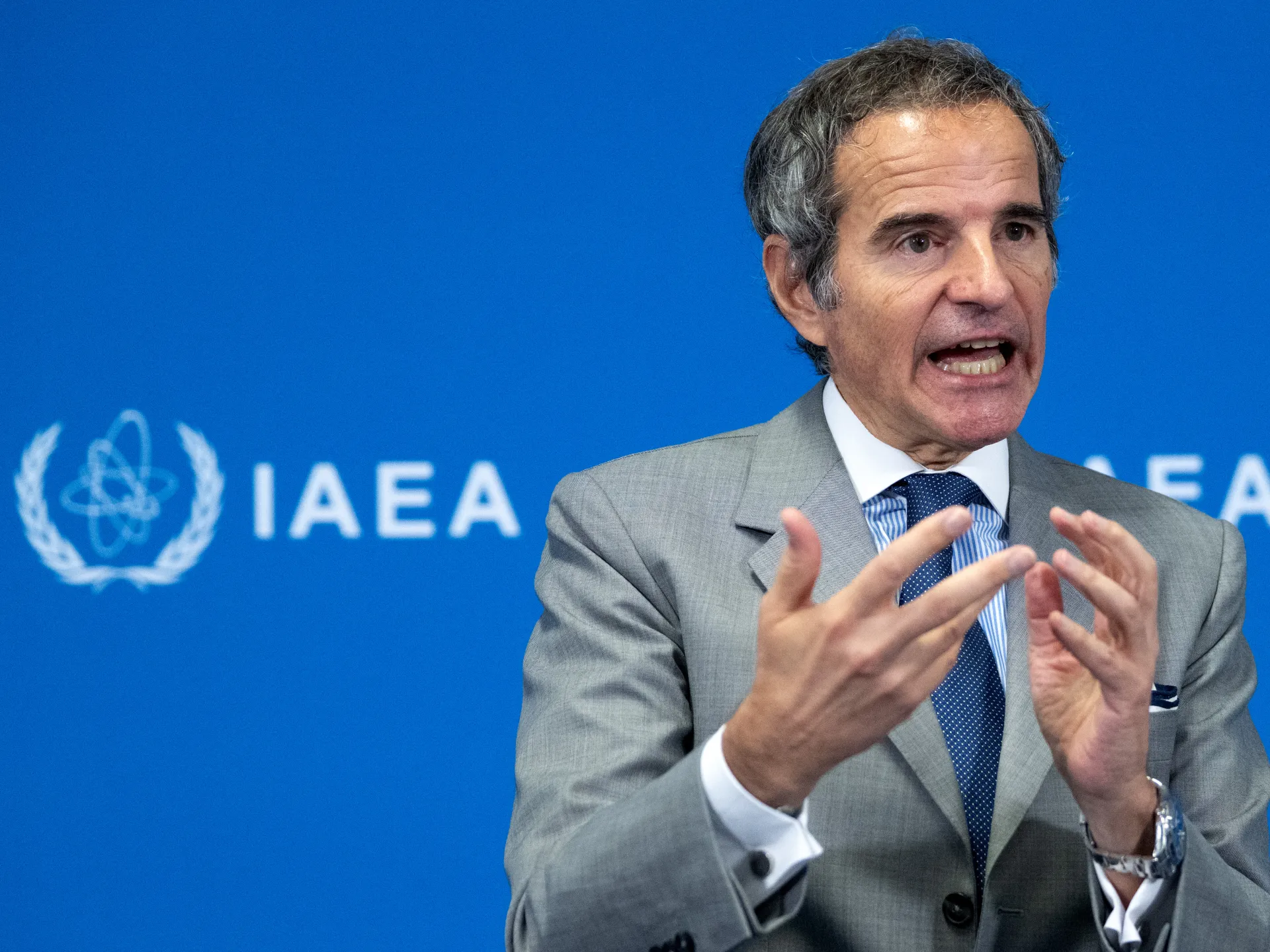
UN Watchdog Demands Iran Account for Enriched Uranium Stockpiles Amid Regional Tensions
 world
world