
Overview of Recent Middle East Escalations
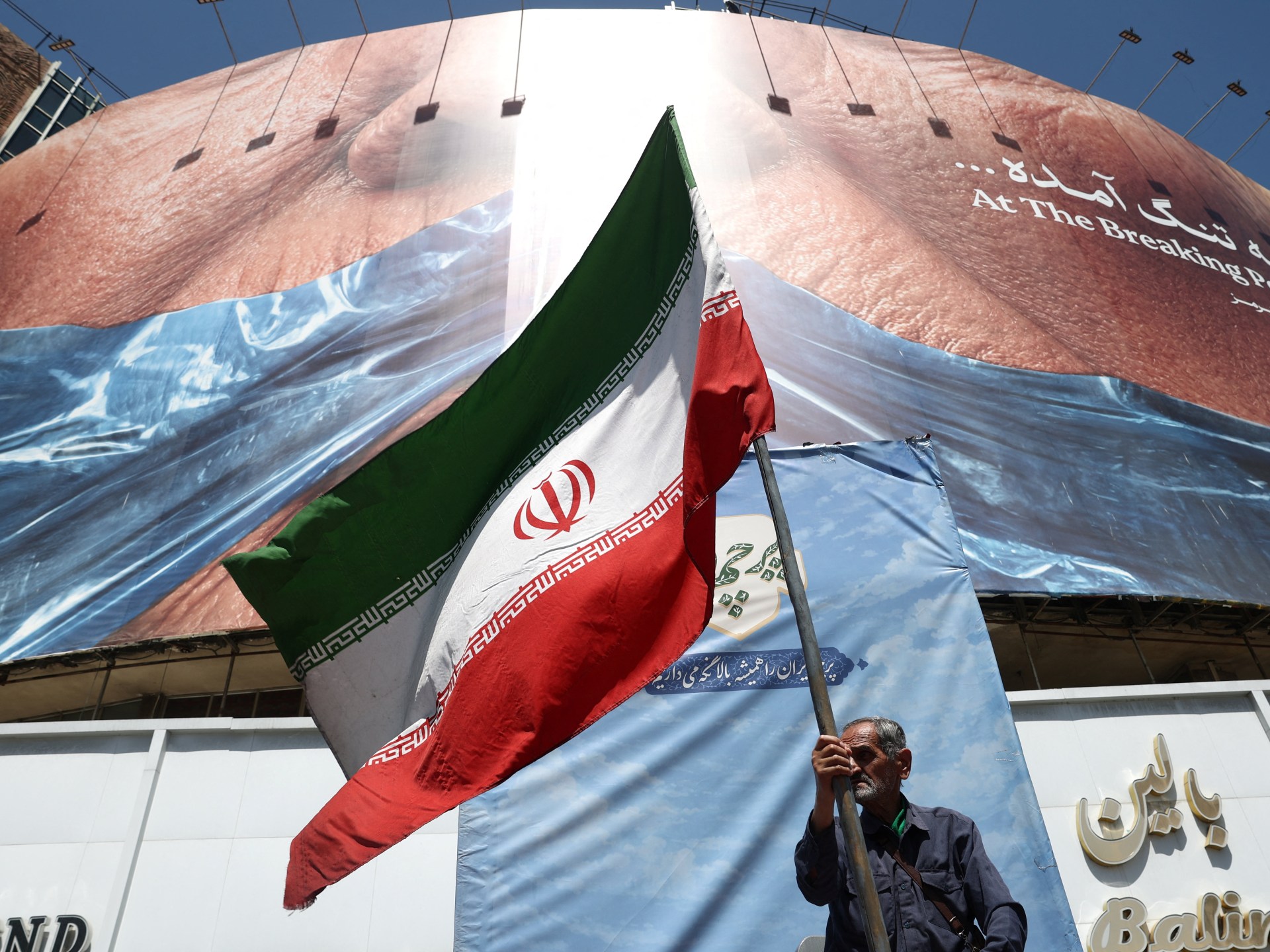
The geopolitical landscape of the Middle East has seen a marked increase in tensions, particularly involving Iran and the United States, with broader implications for regional stability. Recent reports highlight a series of military actions that underscore the volatile nature of the current situation, raising concerns about potential wider conflict.
Iranian Missile Launches and US Interceptions
According to statements from the U.S. military, seven missiles launched by Iran were intercepted en route to Kuwait and Bahrain. These missile launches reportedly occurred after Iran's Islamic Revolutionary Guard Corps (IRGC) declared it had targeted "enemy bases in the region." The specifics of these alleged enemy bases and the exact nature of the targets in Kuwait and Bahrain remain subjects of ongoing analysis.
"The US military said it intercepted seven missiles fired by Iran at Kuwait and Bahrain, after Iran’s Islamic Revolutionary Guard Corps said it attacked ‘enemy bases in the region’."
Earlier US-Iran Engagements
Prior to the missile incidents, the United States had reported its forces engaged with Iranian assets. This included the downing of four Iranian drones that were reportedly launched towards the strategically vital Strait of Hormuz. In a separate action, U.S. forces also stated they conducted strikes on "Iranian coastal surveillance radar sites." These sites were identified as being located on Qeshm Island and Goruk, both situated on Iran's southern coast. These earlier confrontations suggest a pattern of escalating military exchanges between the two nations.
Context of Regional Instability
These events unfold within a broader context of heightened instability across the Middle East. Various factors contribute to this volatile environment, including ongoing geopolitical rivalries, the presence of international military forces, and unresolved regional disputes. The Strait of Hormuz, in particular, is a critical chokepoint for global oil shipments, making any military activity in its vicinity a matter of international concern. The targeting of radar sites could be interpreted as an attempt to degrade Iran's ability to monitor maritime traffic and air activity in the area.
International Reactions and Future Outlook
The international community is closely monitoring these developments, with calls for de-escalation likely to intensify. The potential for miscalculation or unintended escalation remains a significant concern for diplomatic efforts aimed at maintaining peace in the region. The implications of these military engagements could influence future diplomatic initiatives and the broader balance of power in the Middle East.
As the situation continues to develop, observers will be watching for further statements from all parties involved, as well as any signs of de-escalation or continued military action. The current events underscore the fragility of peace in the region and the urgent need for diplomatic solutions to prevent a wider conflict.
Source: Al Jazeera
Related Articles
 world
world
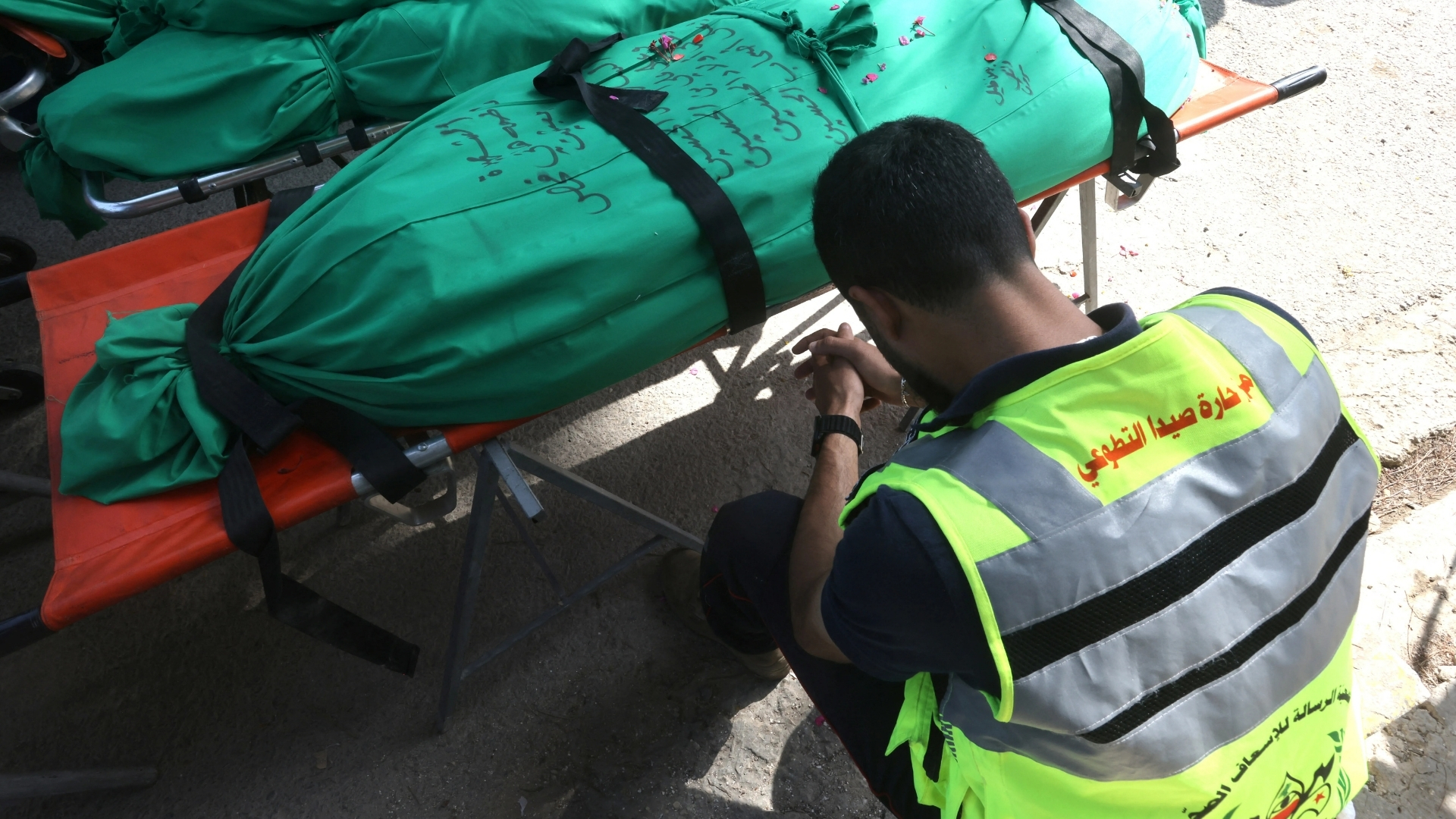
Escalating Tensions: Assessing the Impact of Recent Ceasefire Efforts in Lebanon
 world
world
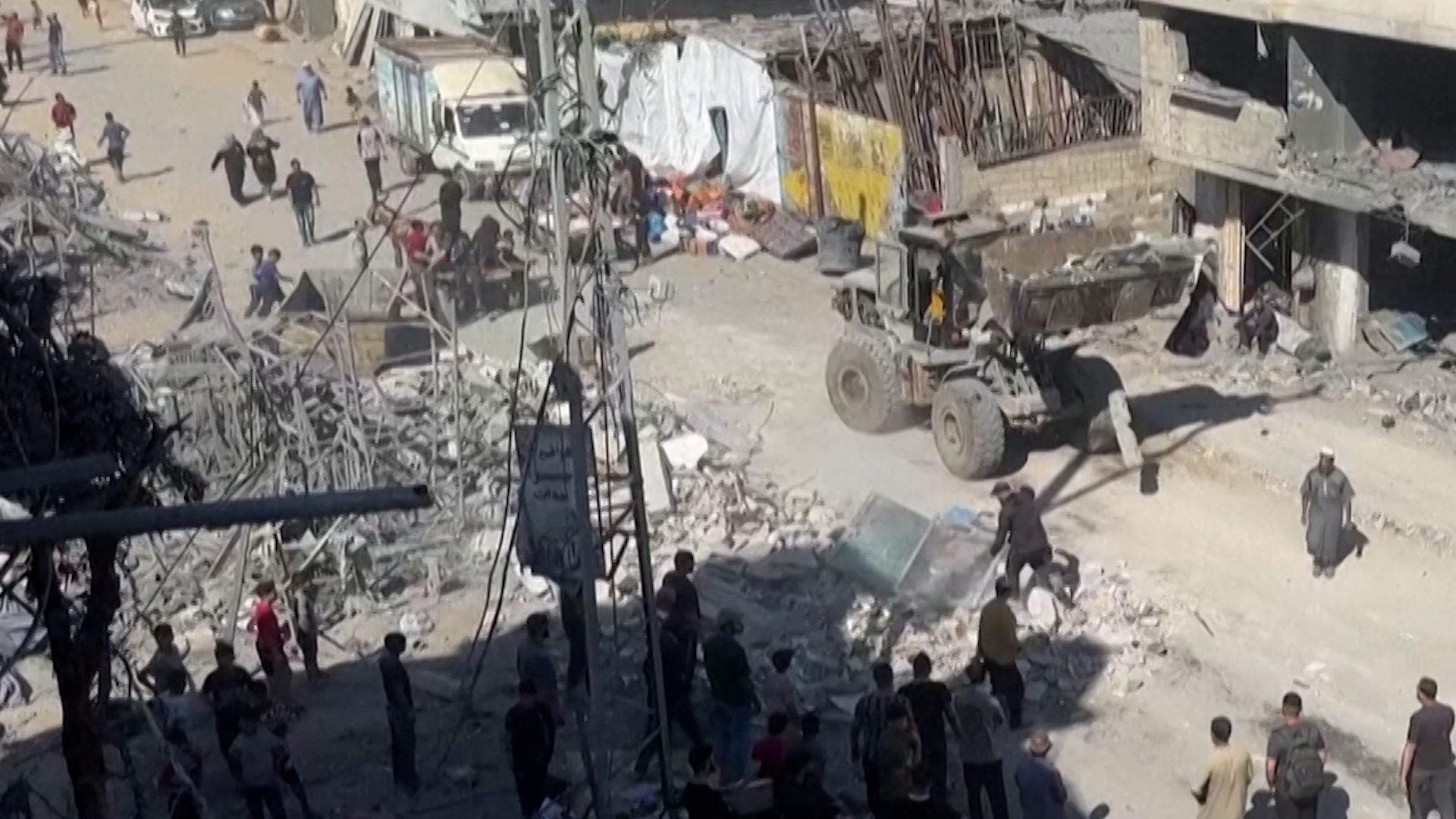
Gaza Residents Begin Cleanup Following Overnight Israeli Strikes
 world
world
France Initiates Investigation into Allegations of Mistreatment of Gaza Aid Flotilla Activists
 world
world