
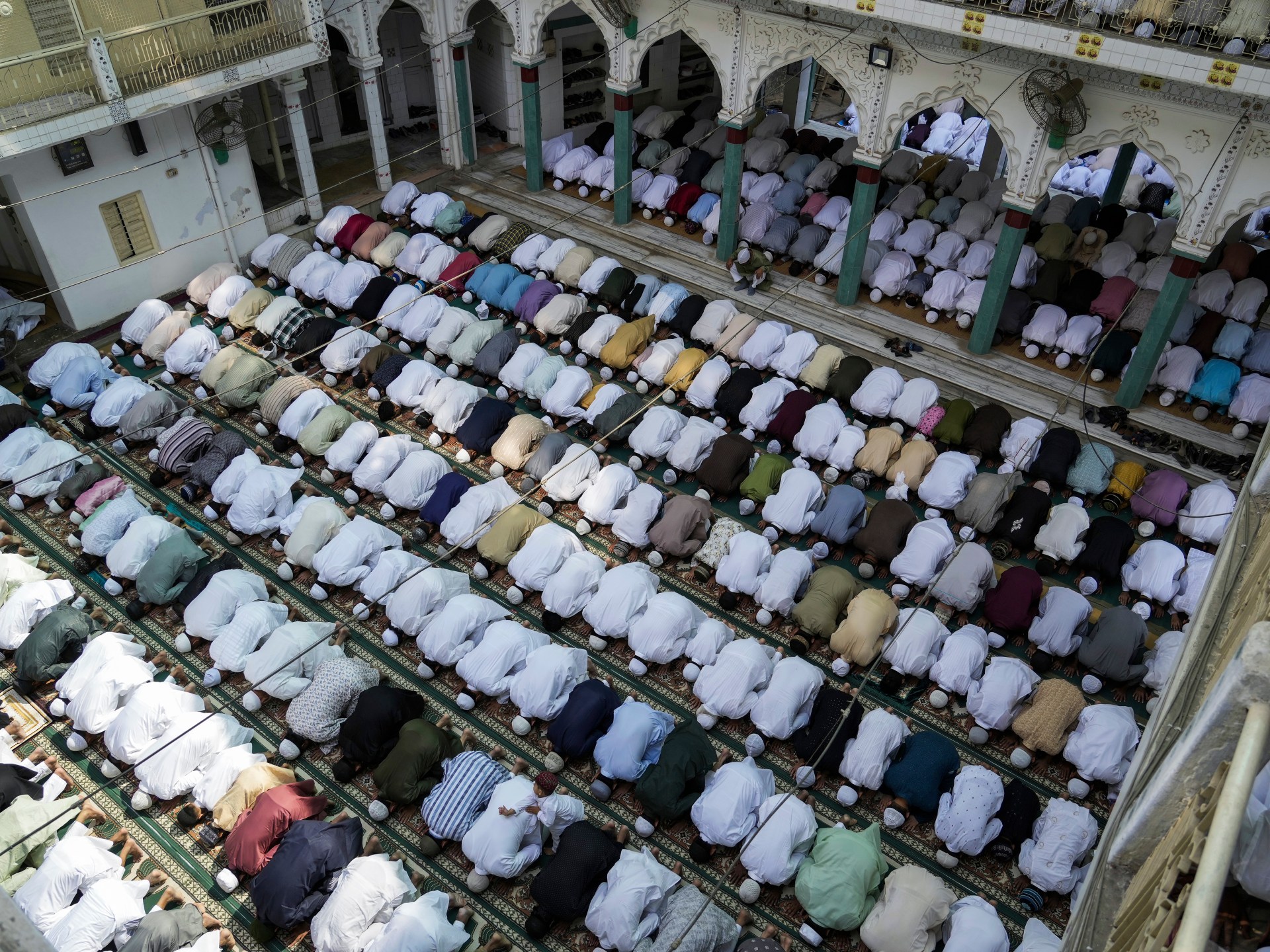
Restrictions on Public Eid Gatherings
In various parts of India, Muslim communities are encountering difficulties in securing public venues for congregational Eid prayers. This trend has prompted a shift in how these significant religious observances are conducted, with many mosques now requesting attendees to participate in prayer shifts to manage crowd sizes and adhere to local directives.
Historically, large open grounds and public parks have served as traditional sites for Eid prayers, allowing for a greater number of worshippers to gather collectively. However, recent developments indicate a growing reluctance from local authorities to grant permissions for such large-scale public assemblies, particularly when they involve Muslim congregations. This situation has led to concerns among community leaders and worshippers regarding the diminishing availability of public spaces for religious expression.
Community Adaptations and Challenges
The restrictions have necessitated practical adjustments within Muslim communities. Mosques, which typically see an overflow of worshippers during Eid, are now implementing strategies such as multiple prayer timings throughout the day. This approach aims to ensure that all who wish to participate can do so, even if it means altering long-standing traditions of a single, unified community prayer. While these measures help in managing logistics, they also highlight the challenges faced by a community striving to maintain its religious practices amidst changing societal and political landscapes.
Community leaders have expressed a sense of apprehension, suggesting that the current climate contributes to a feeling of being marginalized or scrutinized. The denial of public spaces for prayers is perceived by some as part of a broader pattern of increasing pressure on minority communities, particularly in regions where political rhetoric has become more divisive.
Official Stance and Local Directives
Authorities, in some instances, have reportedly cited concerns related to public order, traffic management, or potential disturbances as reasons for denying permissions. These explanations, however, are often met with skepticism by community members who point to the peaceful nature of past Eid gatherings and question the selective application of such regulations.
The directives from local administrations vary across different states and cities, creating an inconsistent environment for Muslim communities. In some areas, explicit threats against holding large congregations without official sanction have been reported, further contributing to the cautious approach adopted by religious institutions and community organizers.
“The ability to gather openly for Eid prayers is a fundamental aspect of our religious freedom and community identity. When these spaces are denied, it sends a troubling message about inclusivity and equal rights,” stated a community elder who preferred to remain anonymous.
The issue extends beyond just Eid prayers, with reports indicating similar challenges for other public religious observances by minority groups. This suggests a broader context of evolving regulations concerning public gatherings and religious practices in India.
Looking Ahead
As Eid approaches, Muslim communities across India continue to navigate these complexities. The emphasis remains on ensuring that worshippers can observe their religious duties while adhering to local guidelines, even if it means adapting to less traditional and more constrained settings. The ongoing situation underscores the importance of dialogue between religious communities and local authorities to foster understanding and ensure equitable access to public spaces for all citizens.
Source: Al Jazeera
Related Articles
 world
world
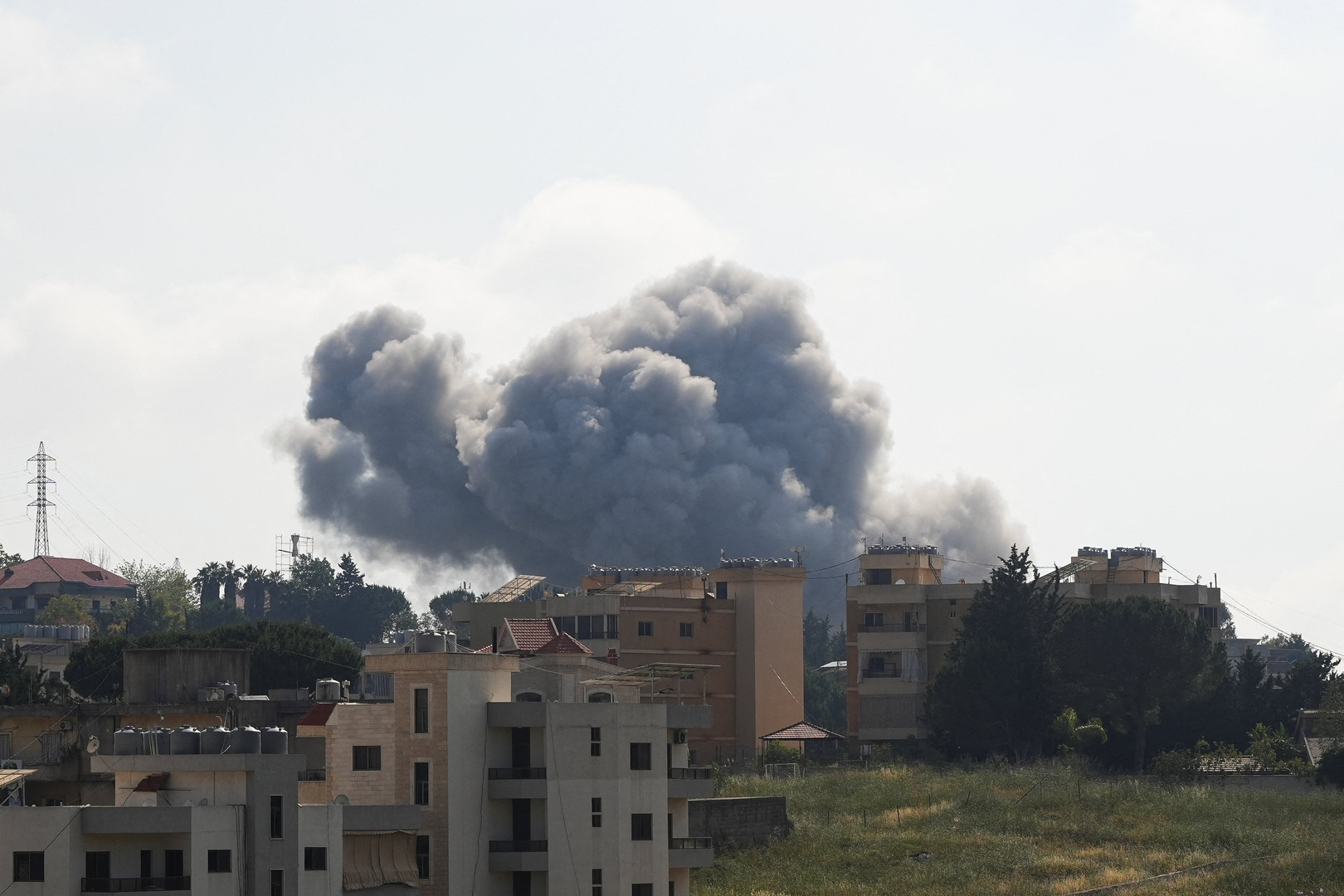
Escalation of Hostilities Reported in Southern Lebanon
 world
world
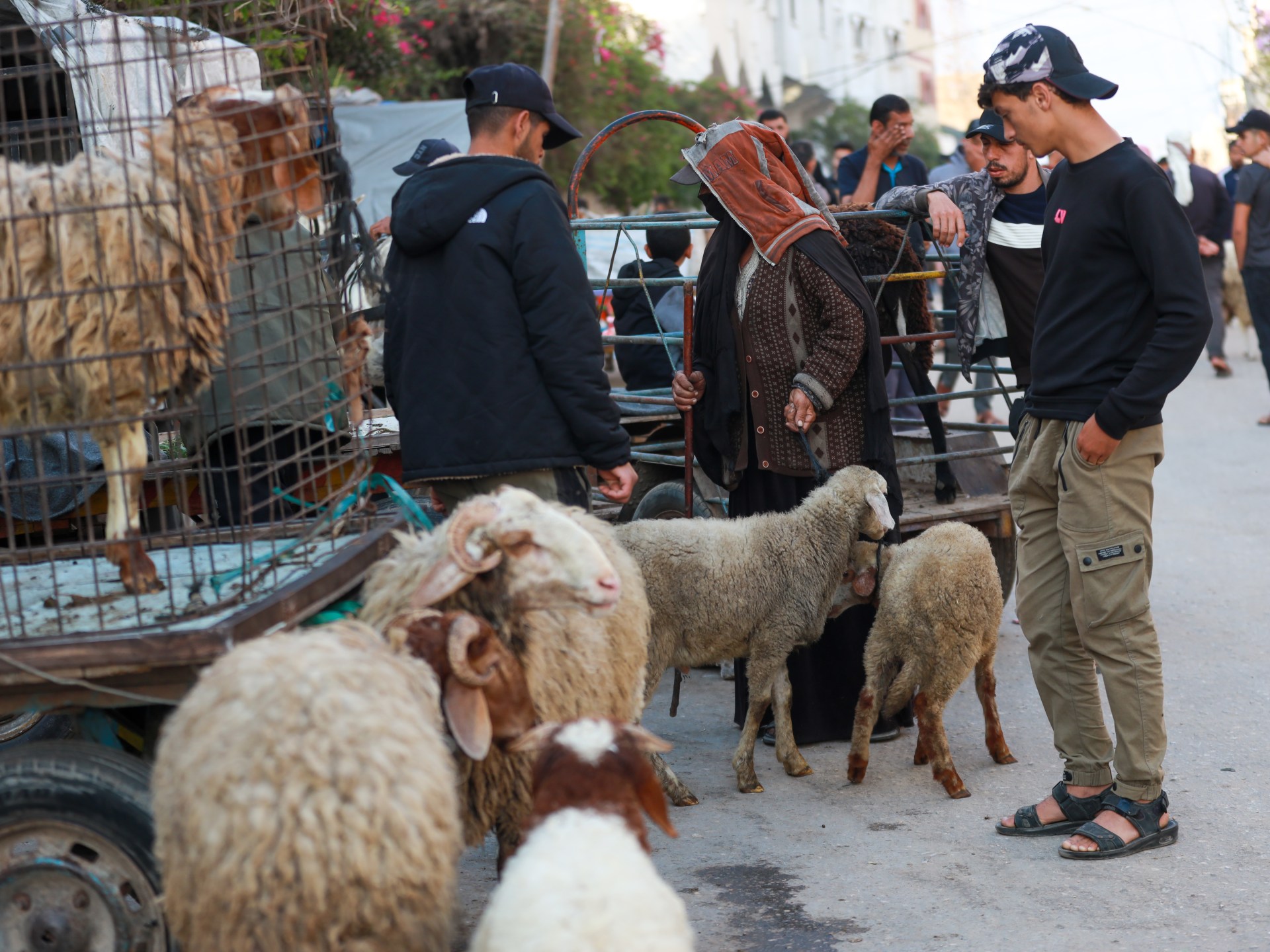
Gaza Residents Face Somber Eid al-Adha Amidst Ongoing Conflict and Scarcity
 world
world
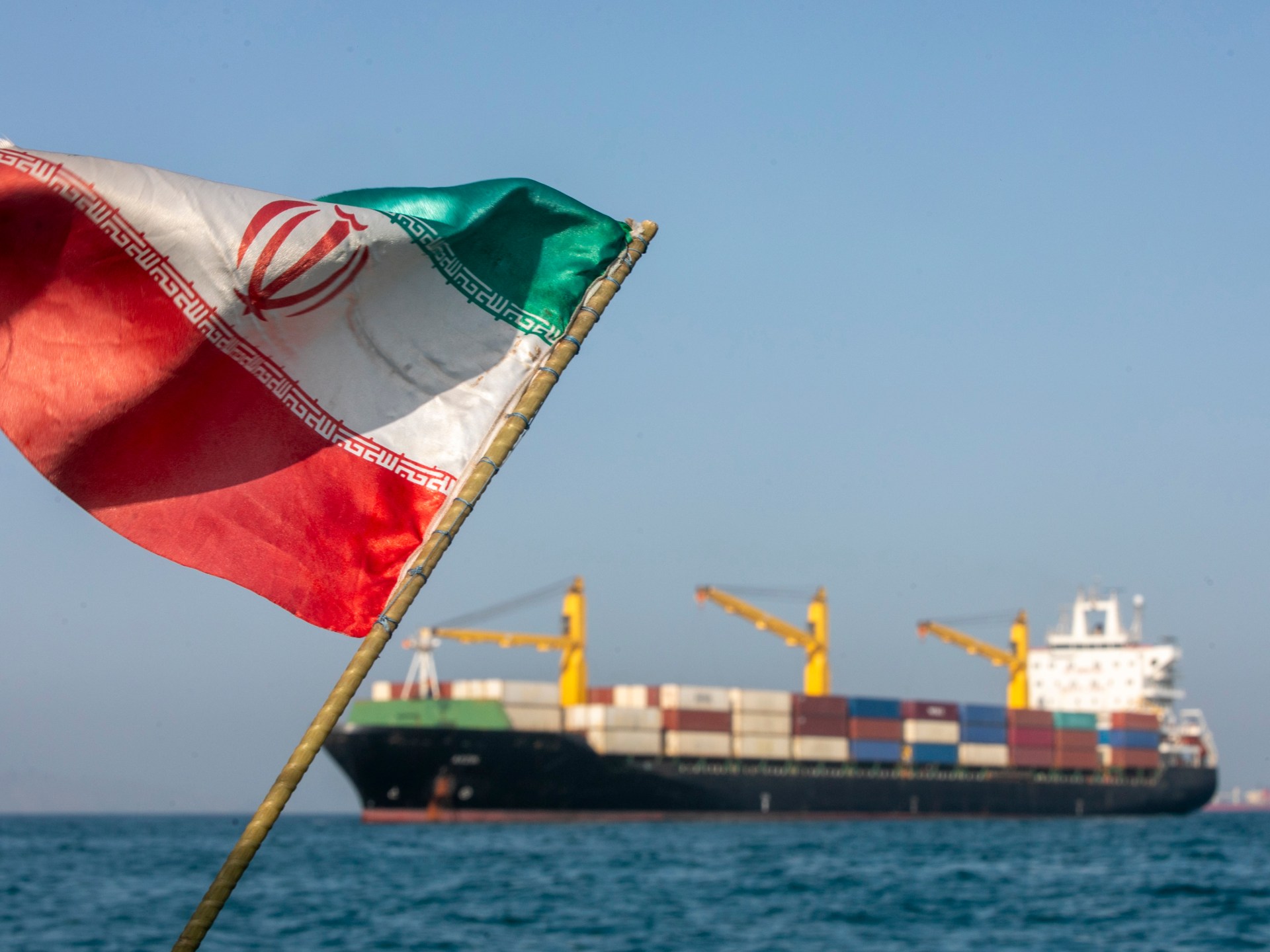
Iran's Enduring Mistrust of US Influences Stance on Peace Agreement
 world
world