
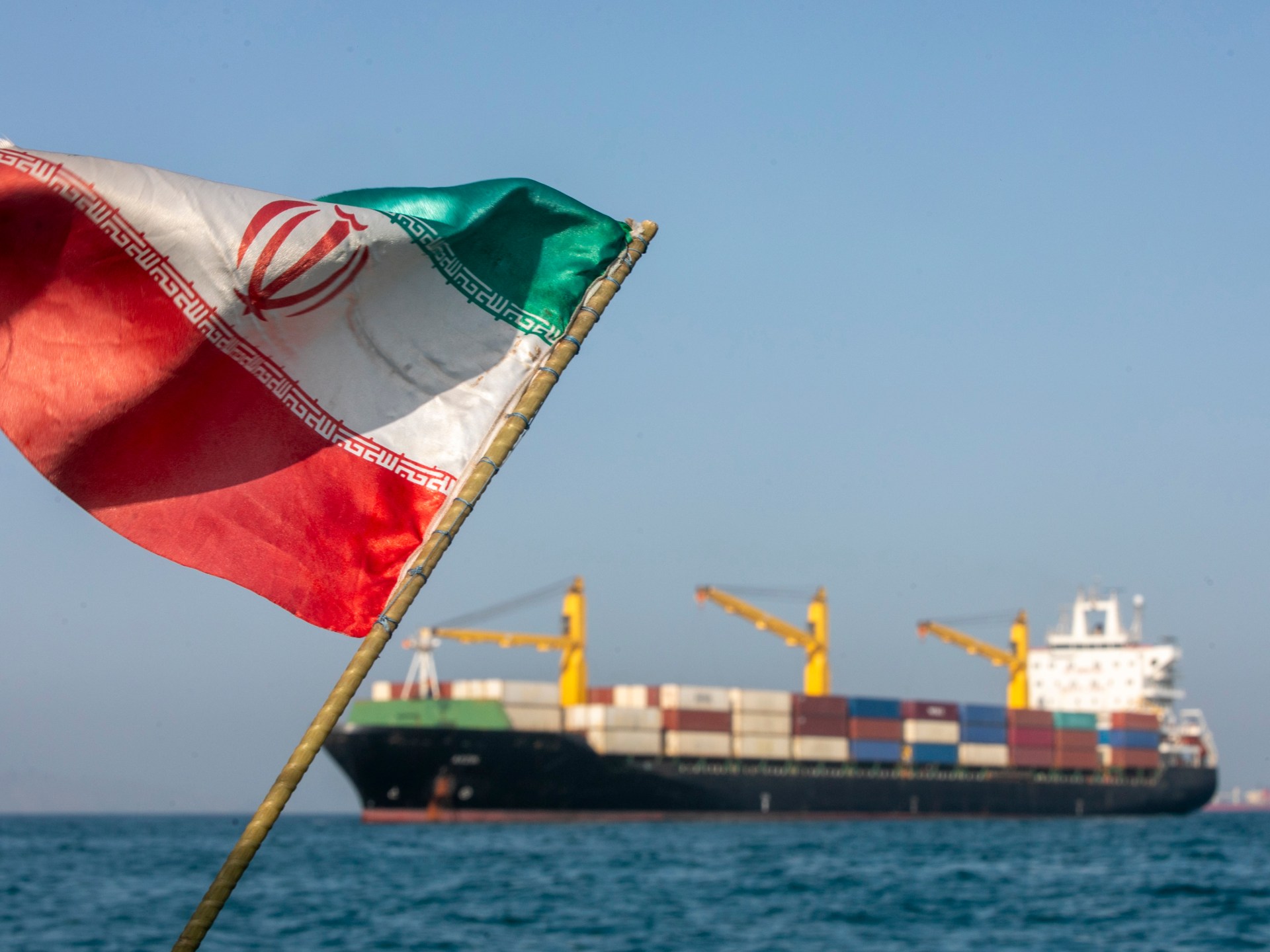
Historical Context of US-Iran Relations
The relationship between the United States and Iran has been characterized by decades of mistrust and geopolitical tension. Following the 1979 Iranian Revolution, which saw the overthrow of the US-backed Shah, diplomatic ties were severed, ushering in an era of animosity. Key events such as the Iran hostage crisis, US sanctions, and the development of Iran's nuclear program have further entrenched this mutual suspicion.
For Iran, the memory of past US interventions, including the 1953 coup that restored the Shah to power, continues to shape its foreign policy outlook. This historical baggage contributes significantly to Iranian leaders' cautious approach to any diplomatic overtures from Washington, particularly concerning agreements aimed at resolving regional conflicts.
Recent US Actions Fueling Iranian Skepticism
In recent statements, Iranian officials have indicated that contemporary US military actions, particularly those in the broader Middle East, serve to validate their long-standing skepticism toward American intentions. These officials suggest that such strikes reinforce their belief that the US is not genuinely committed to a balanced and equitable resolution to regional disputes.
This perception is crucial as it directly impacts Iran's willingness to engage constructively in negotiations for a peace agreement. The Iranian leadership views these actions not merely as isolated incidents but as part of a broader pattern of US policy designed to undermine Iranian influence and security in the region.
Iran's Stance on Demands for a Peace Accord
The ongoing mistrust significantly influences Iran's position on the demands it puts forth for any potential agreement to end conflict. Iranian officials have consistently stated that recent US military engagements only solidify their resolve to maintain firm on their conditions. This includes demands related to security assurances, the lifting of economic sanctions, and recognition of their regional interests.
From Tehran's perspective, a durable peace agreement must address these fundamental concerns to prevent future destabilization. The Iranian government's insistence on these points is rooted in a desire to safeguard its national interests and ensure its long-term security in a volatile geopolitical landscape.
The Impact on Regional Stability
The intricate dynamics between the US and Iran have profound implications for regional stability. A lack of trust hinders diplomatic progress and can perpetuate cycles of conflict. Efforts to de-escalate tensions and foster a more stable environment are often undermined by the deep-seated suspicions on both sides.
"The deep suspicion of the US lingers as Iran ponders agreement to end war," one Iranian official was quoted as saying, highlighting the core challenge in current negotiations.
Achieving a lasting peace agreement necessitates not only addressing immediate conflict points but also building a foundation of trust. This is a formidable challenge given the historical context and recent events that continue to shape the perceptions of both nations.
Prospects for Future Negotiations
Despite the prevailing mistrust, the necessity of finding a resolution remains. International efforts continue to push for dialogue, recognizing that a direct military confrontation would have catastrophic consequences for the region and beyond. However, any future negotiations will inevitably be colored by Iran's enduring skepticism of US motives.
For an agreement to be viable and sustainable, it would likely need to include robust mechanisms for verification and guarantees that address Iran's security concerns. The path forward is complex, requiring significant diplomatic effort and a willingness from all parties to bridge a chasm of historical grievances and current suspicions.
Source: ‘Deep suspicion’ of US lingers as Iran ponders agreement to end war
Related Articles
 world
world
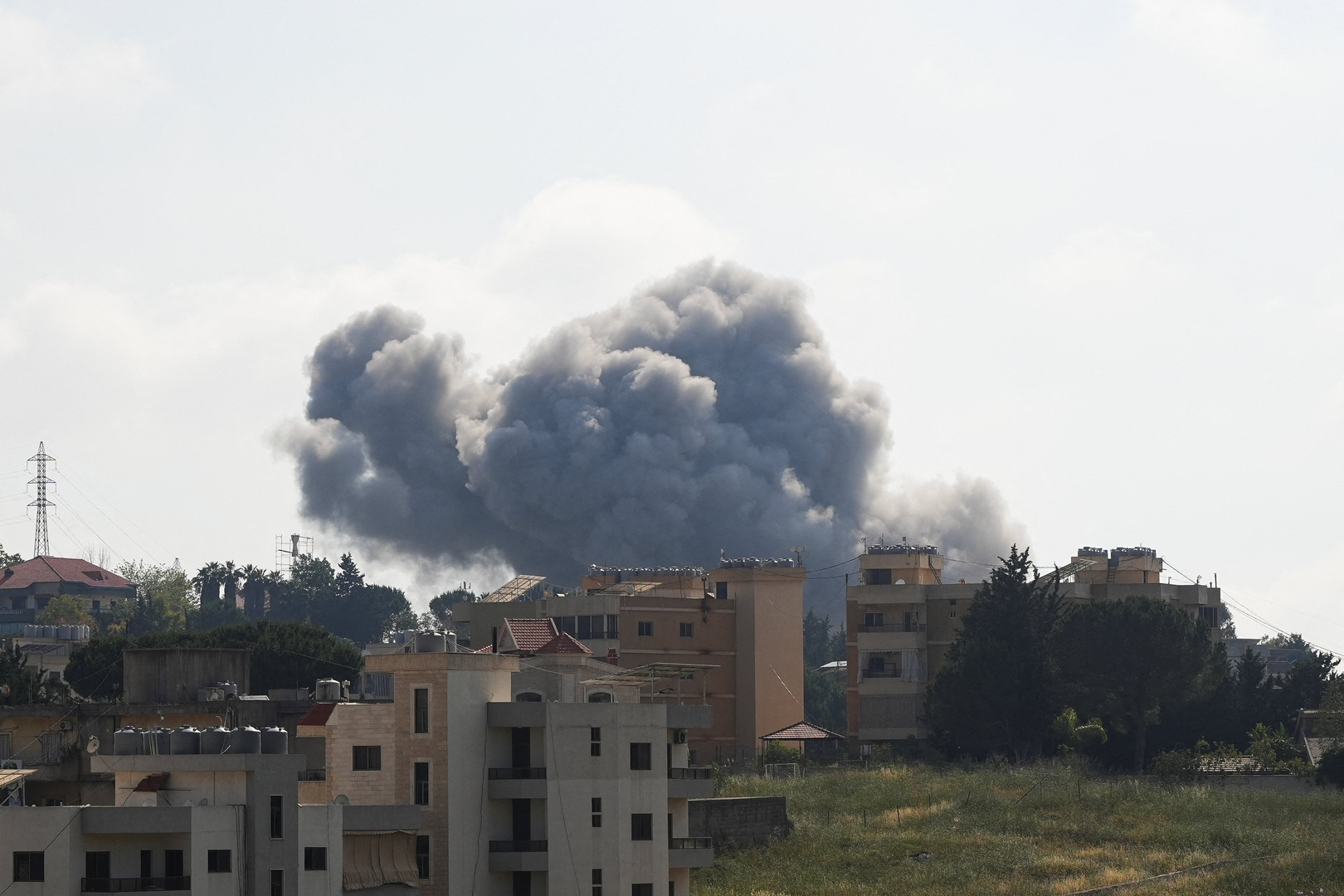
Escalation of Hostilities Reported in Southern Lebanon
 world
world
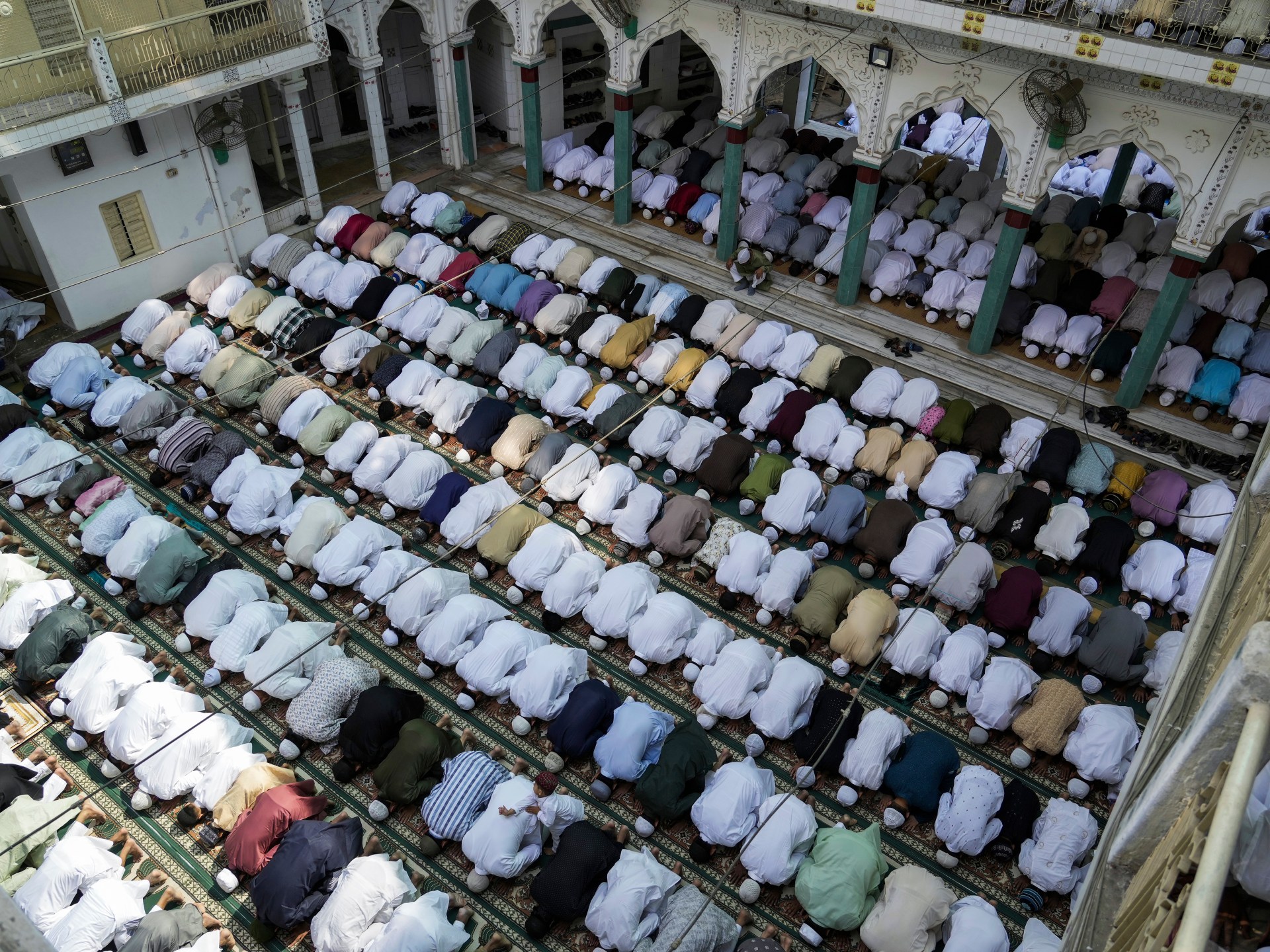
Public Eid Prayers Face Restrictions in India Amidst Growing Concerns
 world
world
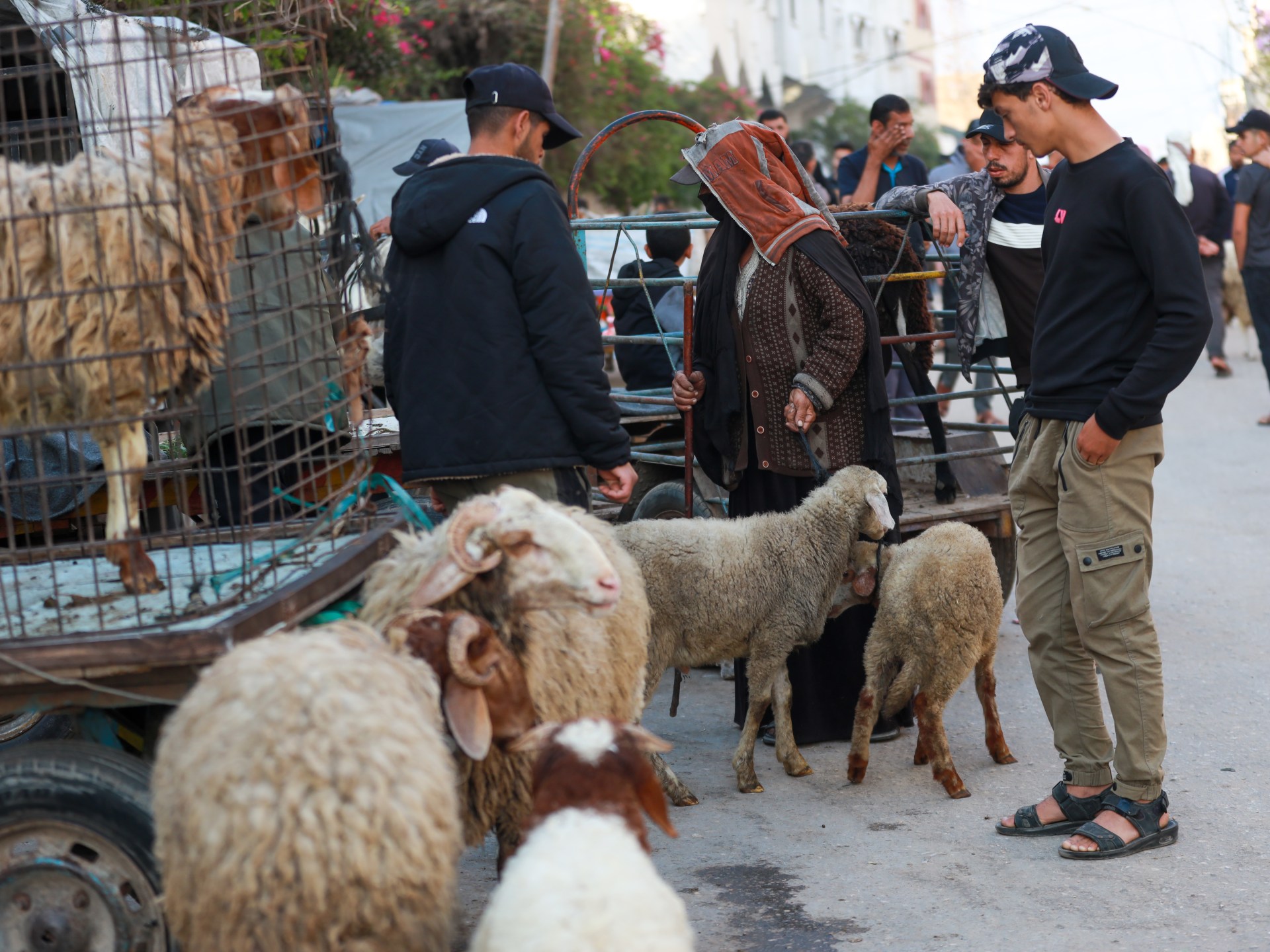
Gaza Residents Face Somber Eid al-Adha Amidst Ongoing Conflict and Scarcity
 world
world