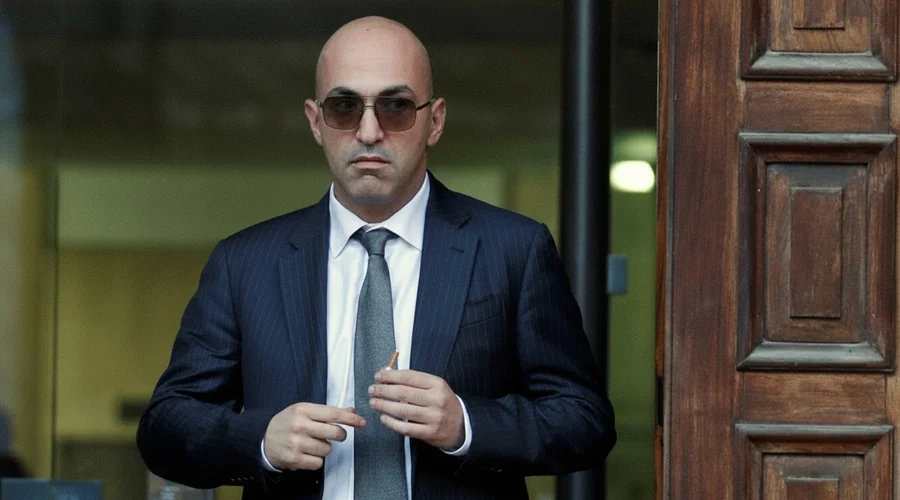
Malta Initiates Trial for Alleged Mastermind Behind Journalist's Murder
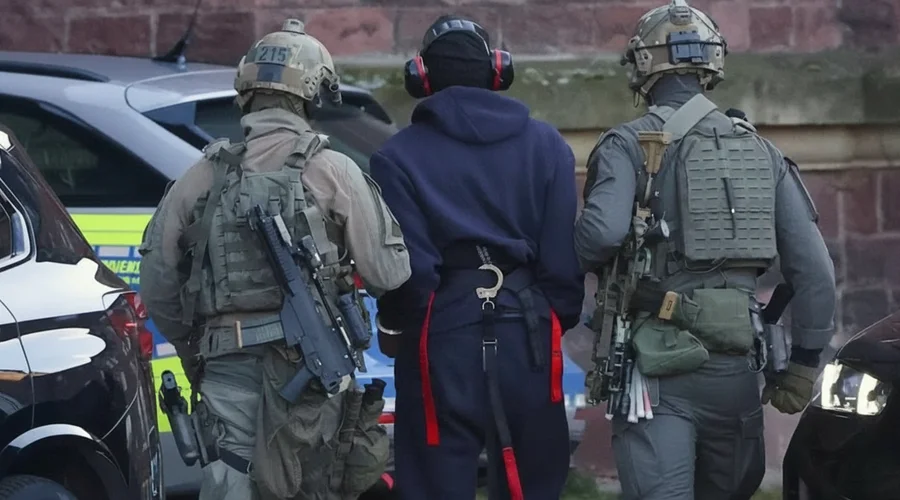
Seven years following the assassination of investigative journalist Daphne Caruana Galizia, Maltese businessman Yorgen Fenech has appeared in court to face charges related to her murder. Fenech, 44, was apprehended in 2019 off the coast of Malta, an event prosecutors characterized as an attempt to flee the country. He stands accused of orchestrating the killing of Caruana Galizia, who was 53 at the time of her death and recognized as one of Malta's most influential journalists.
At the time of her tragic demise, Caruana Galizia was actively investigating allegations of corruption and illicit payments linked to an offshore entity known as “17 Black.” Subsequent to her murder, it was revealed that Yorgen Fenech was the owner of this company. Paul Caruana Galizia, the journalist's son, expressed the gravity of the moment on social media, stating, “Nine years after my mother’s murder, the man accused of commissioning it stands trial.”
Details of the Assassination and Alleged Conspiracy
Daphne Caruana Galizia was killed in October 2017 when a bomb detonated in her car shortly after she departed from her residence on the Mediterranean island. Prosecutors allege that Fenech commissioned Melvin Theuma, a former taxi driver, to arrange the murder. Theuma later confessed to his involvement, admitting to hiring three individuals to carry out the bombing and claiming he received $170,000 from Fenech for his role.
The three men directly involved in the bombing were arrested mere weeks after the incident. They subsequently pleaded guilty at the outset of their trial. In 2025, two individuals who supplied the explosive device received life sentences, while the third accused was granted a reduced sentence in exchange for providing crucial information to the authorities. The trial of Yorgen Fenech is anticipated to span several weeks, given the complexity and public interest surrounding the case.
Wider Implications and Calls for Transparency
The murder of Daphne Caruana Galizia sent shockwaves across Malta and beyond, prompting a significant political crisis. The widespread public outcry and protests concerning the government's handling of the investigation ultimately led to the resignation of then-Prime Minister Joseph Muscat in 2020. A public inquiry, published in 2021, concluded that the state bore a degree of responsibility for the murder, attributing it to an “atmosphere of impunity” fostered by the government at the time.
Media freedom organizations have been vocal throughout the process. Reporters Without Borders, a prominent watchdog, issued a statement at the commencement of Fenech's trial, emphasizing the importance of the proceedings: “This historic trial must expose the truth about the despicable criminal plot and the deadly chain of events that led to the execution of a journalist within the European Union.”
Throughout the legal proceedings, Yorgen Fenech has consistently denied the charges brought against him. The trial represents a critical juncture in Malta's efforts to address the profound implications of the journalist's murder and to deliver justice in a case that has garnered considerable international scrutiny and concern.
Source: Al Jazeera