

Progressive Wave Reshapes Primary Landscape
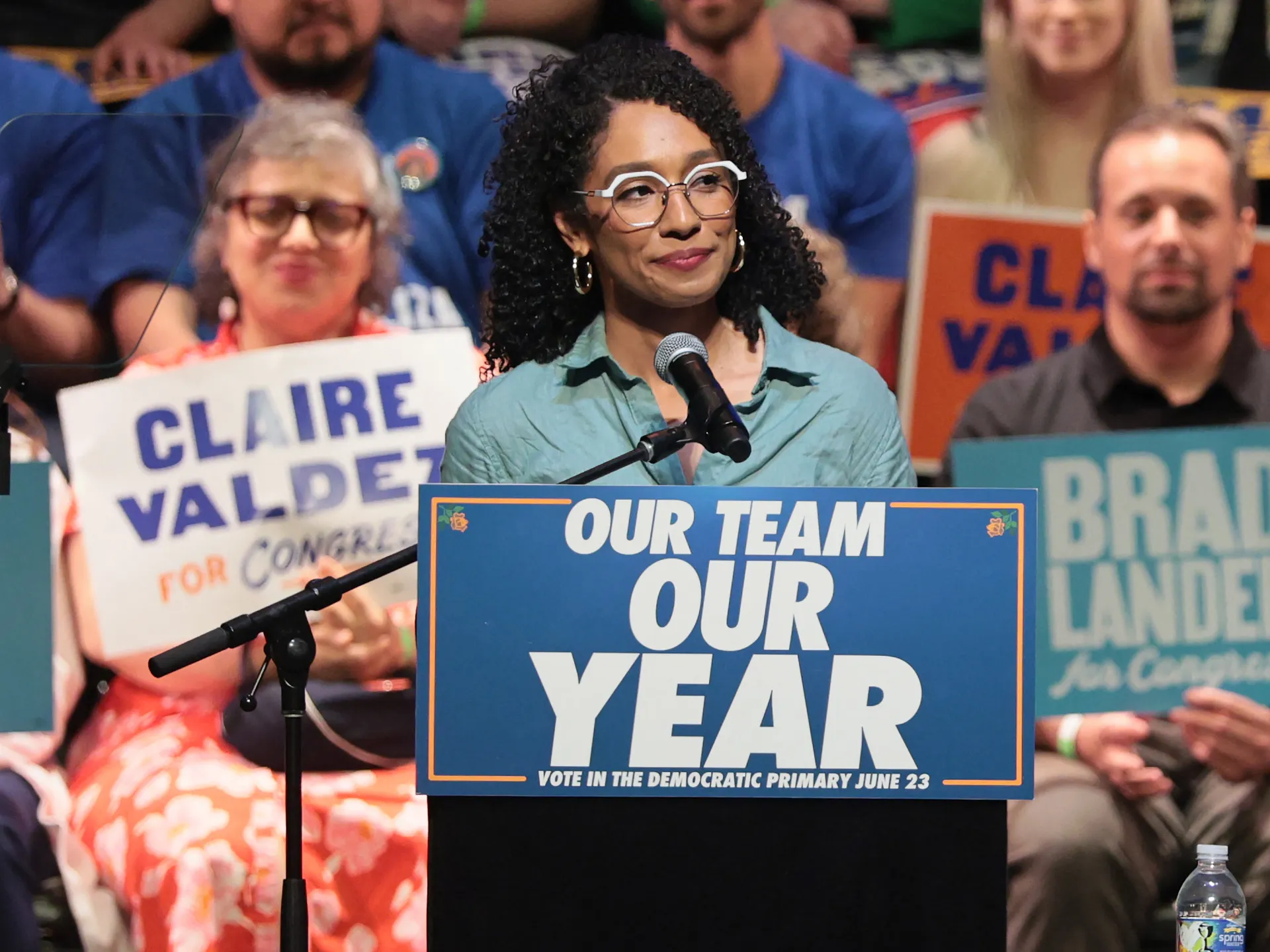
Recent primary elections have seen a significant shift in the political landscape, particularly within the Democratic Party. A number of progressive candidates, notably those endorsed by New York City Council Member Zohran Mamdani, have successfully unseated long-standing incumbents. These victories are being interpreted by many as a clear indication of evolving voter priorities and a growing demand for new leadership, especially among younger and more ideologically driven segments of the electorate.
The outcomes of these primaries suggest a potential realignment within the Democratic Party, where the influence of traditional power brokers and well-funded interest groups may be waning in certain districts. The success of these challengers, often operating with more grassroots support and less institutional funding, highlights the effectiveness of community organizing and direct voter engagement strategies. Their campaigns frequently focused on issues such as economic inequality, climate change, and social justice, resonating with a base that feels underrepresented by mainstream political figures.
The Role of Endorsements and Grassroots Mobilization
Council Member Zohran Mamdani's endorsements proved to be a significant factor in several key races. His backing provided a crucial boost to candidates, lending them credibility and visibility within the progressive movement. Mamdani, himself a prominent figure in the democratic socialist wing of the party, has demonstrated an ability to mobilize volunteers and resources, effectively leveraging his political capital to support like-minded individuals. This strategic use of endorsements underscores the growing power of specific political figures to influence electoral outcomes beyond their immediate constituencies.
Beyond high-profile endorsements, the success of these campaigns was largely attributed to robust grassroots mobilization efforts. Volunteers engaged in extensive door-to-door canvassing, phone banking, and digital outreach, connecting directly with voters on a personal level. This ground-up approach allowed challengers to build strong community ties and address local concerns, often outmaneuvering incumbents who relied more heavily on traditional media advertising and established party machinery. The emphasis on direct voter contact proved particularly effective in conveying the challengers' messages and differentiating them from their more entrenched opponents.
Impact on Pro-Israel Lobbying and Foreign Policy Discourse
A notable aspect of these primary results is the defeat of several incumbents who had received substantial financial and political support from pro-Israel lobbying groups. This outcome has sparked considerable discussion regarding the evolving dynamics of U.S. foreign policy debates, particularly concerning the Israeli-Palestinian conflict. For years, pro-Israel organizations have played a significant role in American elections, often backing candidates who align with their policy perspectives. The recent defeats suggest that this influence, while still considerable, may be facing new challenges from a segment of the electorate that holds different views on the conflict.
The successful challengers often adopted more critical stances on Israeli government policies, advocating for a re-evaluation of U.S. foreign aid and a greater emphasis on Palestinian rights. Their victories could signal a growing willingness among Democratic voters to support candidates who diverge from long-standing bipartisan consensus on the issue. This shift is not necessarily uniform across all districts or demographics, but it indicates a developing trend within certain progressive strongholds. The implications for future foreign policy debates within Congress could be substantial, potentially leading to more diverse discussions and a broader range of perspectives on Middle East policy.
The recent primary results underscore a significant shift within the Democratic Party, demonstrating the increasing influence of progressive movements and a willingness among voters to challenge established political norms. These outcomes could reshape future policy discussions, both domestically and internationally.
The financial backing from pro-Israel groups has historically been a powerful tool for incumbents, providing them with resources to run extensive campaigns. However, the recent primaries suggest that while money remains an important factor, it is not always sufficient to guarantee victory, especially when faced with a highly motivated and organized grassroots movement. The ability of challengers to articulate a compelling vision and mobilize a dedicated base proved instrumental in overcoming the financial advantage of their opponents.
Looking Ahead: Implications for the General Election
The victories of these progressive candidates in the primaries set the stage for potentially dynamic general election campaigns. While these districts are often heavily Democratic, the primary results indicate a strong appetite for change and a preference for candidates who align with a more progressive platform. The general election will test whether these candidates can broaden their appeal beyond their primary base and unite different factions of the Democratic Party.
These outcomes also have broader implications for the national Democratic Party, potentially influencing its platform and messaging in the coming election cycles. The success of progressive candidates could encourage more challengers to emerge in future primaries, further intensifying the internal ideological debates within the party. As the political landscape continues to evolve, the recent primary results serve as a powerful reminder of the electorate's capacity for change and its demand for representation that truly reflects its diverse values and priorities.
Source: Al Jazeera
Related Articles
 politics
Progressive Candidates Secure Key Victories in New York City Democratic Primaries
 politics
US Senate Approves Iran War Powers Resolution, Challenging Presidential Authority
 politics
The Enduring Influence of Meir Kahane on Contemporary Israeli Politics
 politics