
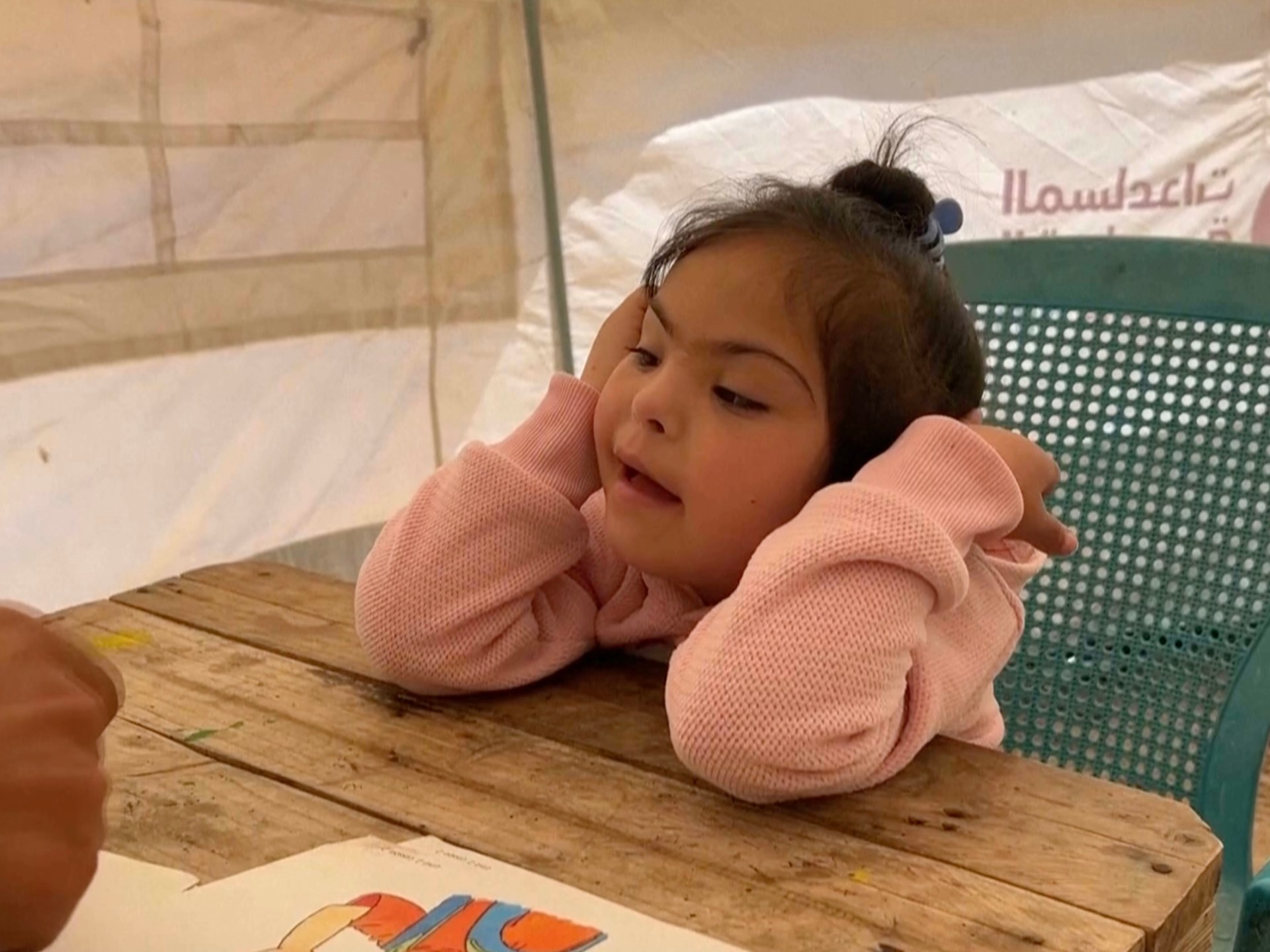
War's Unique Toll on Vulnerable Populations
The ongoing conflict in Gaza has placed an immense burden on its entire population, but certain groups, particularly children with disabilities, experience the devastation in distinct and often exacerbated ways. Among these are children living with Down syndrome, who navigate the chaos and destruction with unique vulnerabilities and require specialized support that is increasingly scarce.
Disruption of Essential Routines and Therapies
For children with Down syndrome, consistent routines and access to specialized educational and therapeutic services are crucial for their development and well-being. The conflict has shattered these vital structures. Schools and therapy centers have been damaged, destroyed, or repurposed, rendering essential programs inaccessible. This disruption can lead to developmental regression, increased anxiety, and a significant setback in their progress.
Many children with Down syndrome rely on speech therapy, occupational therapy, and physical therapy to enhance their motor skills, communication abilities, and independence. The cessation of these services due to the conflict means that critical windows for intervention are missed, potentially impacting their long-term capabilities. Furthermore, the psychological support often integrated into these programs, designed to help them process emotions and interact with their environment, is also absent when most needed.
Heightened Sensory and Emotional Distress
The constant threat of violence, the sounds of explosions, and the pervasive atmosphere of fear are deeply distressing for any child. However, children with Down syndrome may process these stimuli differently and often have a lower tolerance for stress and abrupt changes. Their ability to understand and cope with the complexities of war is limited, leading to heightened anxiety, panic attacks, and behavioral changes such as withdrawal or increased agitation.
The unpredictable nature of conflict, coupled with displacement and the loss of familiar surroundings, can be profoundly disorienting for these children. Their reliance on visual cues and established patterns makes the sudden shifts in their environment particularly challenging to adapt to.
Caregivers, who themselves are under immense stress, face the daunting task of trying to soothe and protect their children while grappling with their own trauma and the struggle for survival. The resources and support networks that typically aid families of children with disabilities are often non-existent in conflict zones, leaving parents feeling isolated and overwhelmed.
Challenges in Accessing Basic Necessities and Healthcare
Beyond the direct psychological impact, the conflict severely impedes access to basic necessities crucial for the health of children with Down syndrome. Food insecurity, lack of clean water, and inadequate sanitation pose significant health risks, as many children with Down syndrome may have co-occurring medical conditions, such as heart defects or immune system vulnerabilities, requiring consistent care and a stable environment.
Healthcare facilities are often overwhelmed, damaged, or inaccessible, making it difficult to obtain routine medical check-ups, necessary medications, or emergency care. The breakdown of infrastructure also affects the supply chain for specialized nutritional supplements or medical equipment that some children may require.
The Long-Term Repercussions
The long-term consequences of such prolonged exposure to conflict on children with Down syndrome are profound. Beyond the immediate physical and emotional trauma, the interruption of their development, the lack of educational opportunities, and the absence of specialized care will likely have lasting effects on their quality of life and future prospects. Rebuilding the infrastructure and restoring the specialized services required to support these children will be a monumental task, even after the cessation of hostilities.
The situation underscores the critical need for humanitarian aid to be tailored to the specific needs of vulnerable populations, ensuring that children with disabilities receive the protection, care, and support necessary to navigate and recover from the devastation of war.
Source: Al Jazeera
Related Articles
 world
world
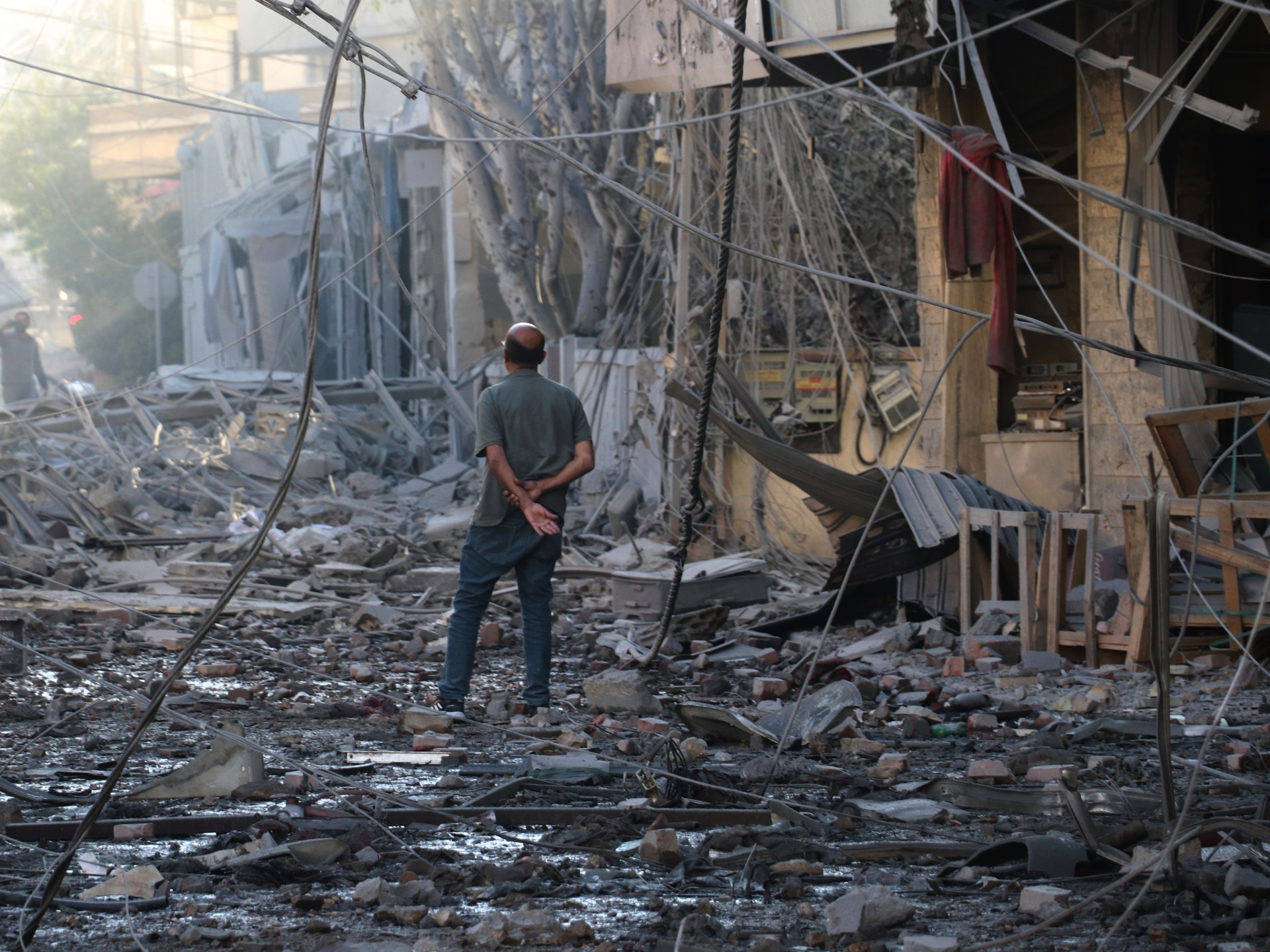
Escalating Tensions: US and Iran Exchange Strikes Amid Regional Unrest
 world
world
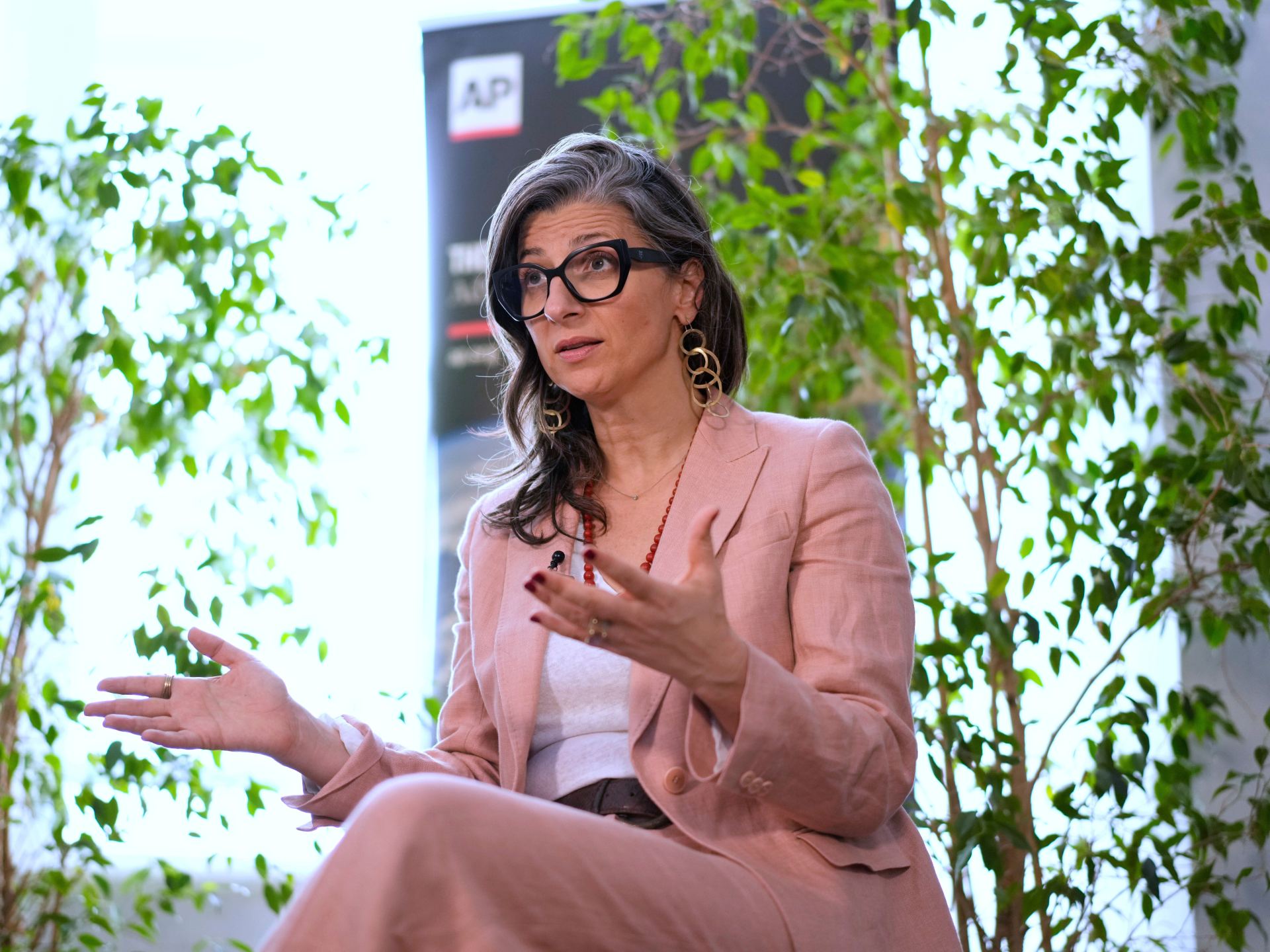
US Reinstates Sanctions on UN Palestinian Rights Expert Francesca Albanese
 world
world
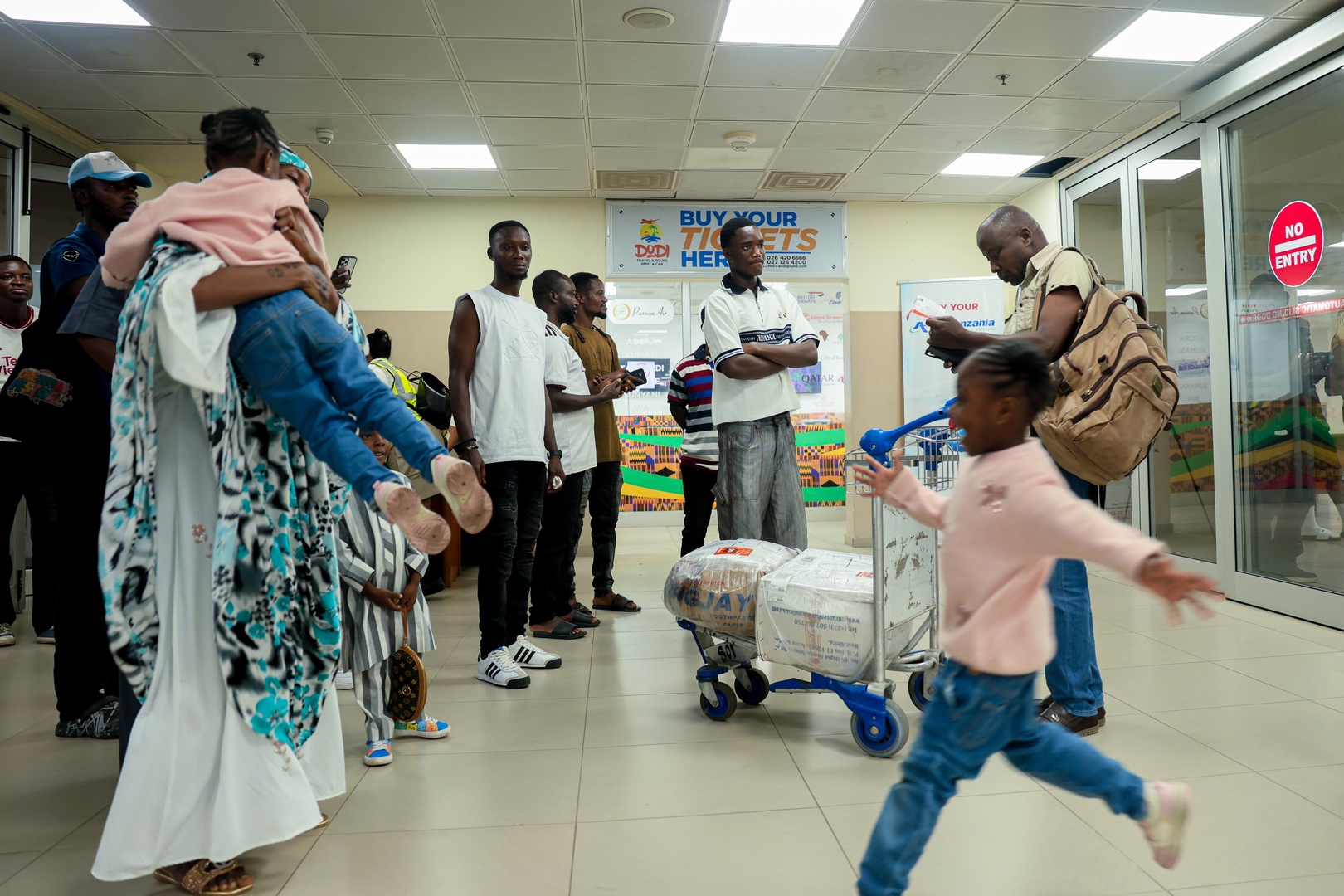
Ghana Repatriates Citizens Amidst South Africa's Anti-Immigrant Climate
 world
world