
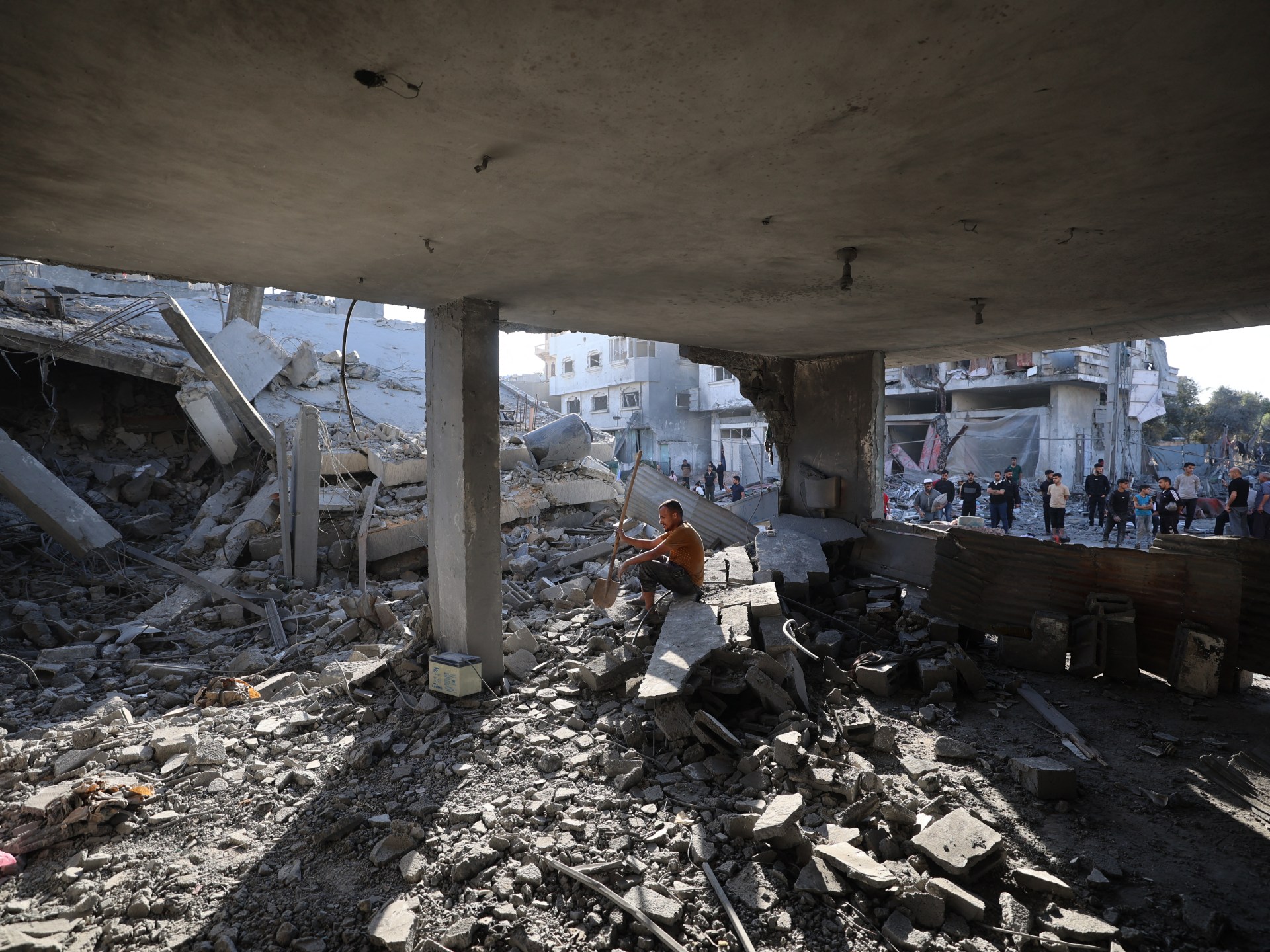
Continued Hostilities in Gaza Amidst Ceasefire Discussions
Gaza continues to experience Israeli military actions, even as a ceasefire is ostensibly in effect. These ongoing operations have resulted in civilian casualties and widespread apprehension, coinciding with preparations by Palestinian factions for discussions in Egypt concerning the future governance of the enclave.
Recent Incidents and Their Impact
On Friday morning, a drone strike in the southern Khan Younis area reportedly killed a young woman and injured at least 15 others, according to the Palestinian Wafa news agency. Later the same day, another incident near Gaza City reportedly left a child injured. These events contribute to what has been described as a “dark reality” in Gaza, prompting residents to question the efficacy and status of the existing ceasefire agreement.
Reports from Gaza City highlight a pattern of overnight strikes, drone attacks, and the continued closure of crossings, which impedes medical evacuations and the delivery of humanitarian aid. Observers note that even a brief period in the region reveals frequent incidents leading to injuries, fatalities, forced displacement, and a pervasive sense of fear among the population.
These recent attacks follow a Thursday incident where at least 11 people were killed, including five members of a single family, in residential apartments. The Israeli military stated that one individual targeted and killed in northern Gaza on Thursday was an alleged fighter, accused of planning imminent attacks against Israeli forces and directing operations within Israel.
The Stalled Ceasefire and Ongoing Violations
Although a ceasefire has technically been in place since October, Israeli military forces have reportedly conducted regular attacks in Gaza. More than half of the territory is said to be under Israeli military control, a situation that appears to defy the terms of the ceasefire. According to Gaza’s Health Ministry, these Israeli actions have resulted in at least 947 deaths and 2,935 injuries since the ceasefire's commencement.
The initial phase of the ceasefire involved the exchange of Israeli captives held by Hamas for Palestinians detained by Israel. However, the transition to the second phase, which was intended to include the disarmament of Hamas and a gradual withdrawal of the Israeli military, has been stalled for several months.
Palestinian Factions Head to Cairo for Talks
In response to the stalled agreement and ongoing hostilities, Hamas officials have arrived in Cairo for scheduled meetings with Egyptian officials and mediators. These discussions, planned for the weekend, aim to “finalise the implementation” of the first phase of the ceasefire agreement.
Hamas also indicated that the talks would address strategies to “halt the repeated Israeli attacks on the Gaza Strip and establish appropriate mechanisms for entering the second phase of the agreement.”
Regarding the issue of disarmament, Husam Badran, a member of Hamas’s political bureau, previously stated that the group would not surrender its weapons at this time. However, he indicated a willingness to commit to a future Palestinian police force operating under a technocratic committee administering Gaza, where only this official police force would openly possess weapons.
Badran clarified, “We are not talking about handing them over; we are talking about, at least, weapons not being visible except for the official weapons of the Palestinian police. The details of this matter will be discussed within a national framework.”
Source: Al Jazeera
Related Articles
 world
world
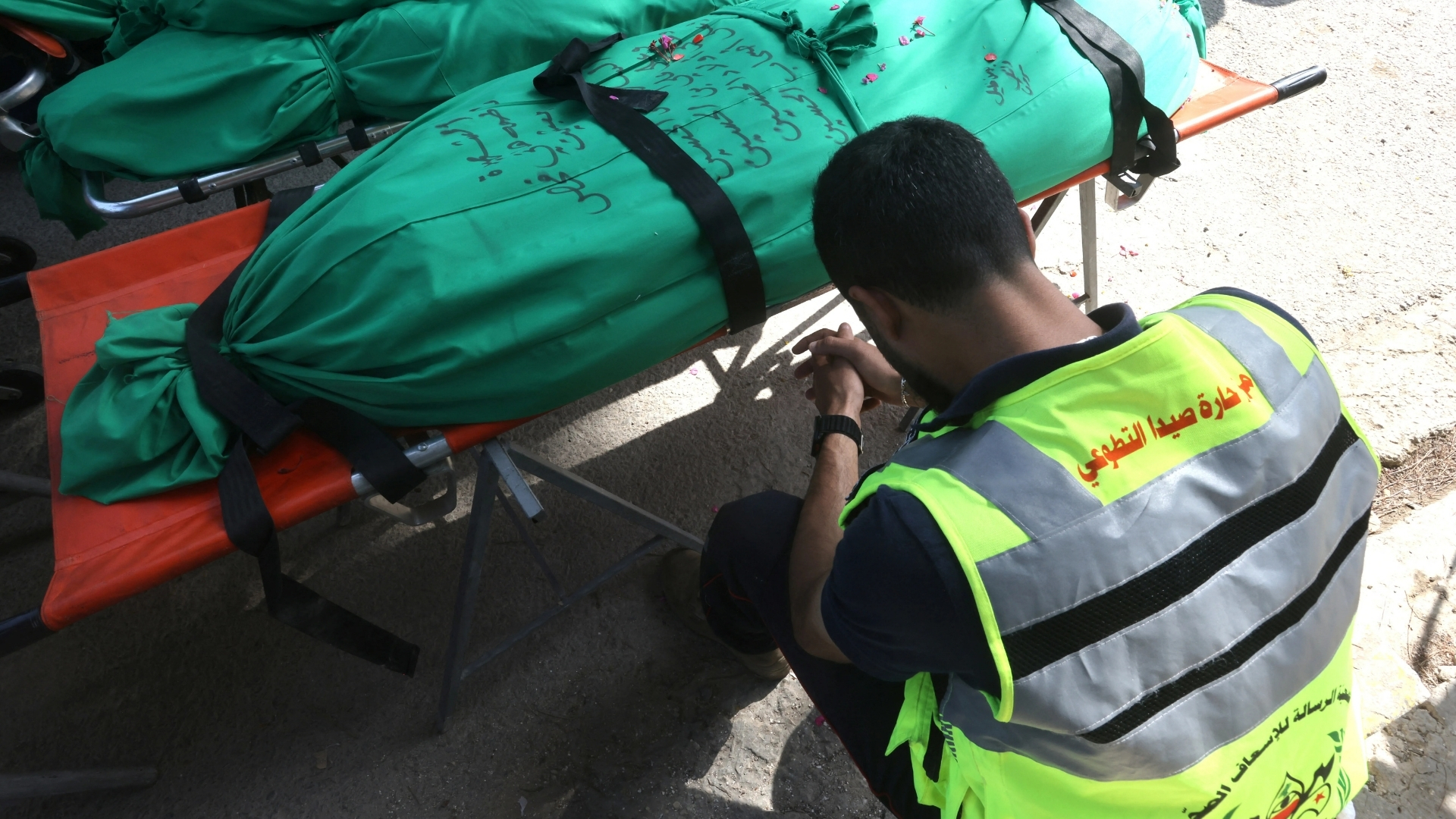
Escalating Tensions: Assessing the Impact of Recent Ceasefire Efforts in Lebanon
 world
world
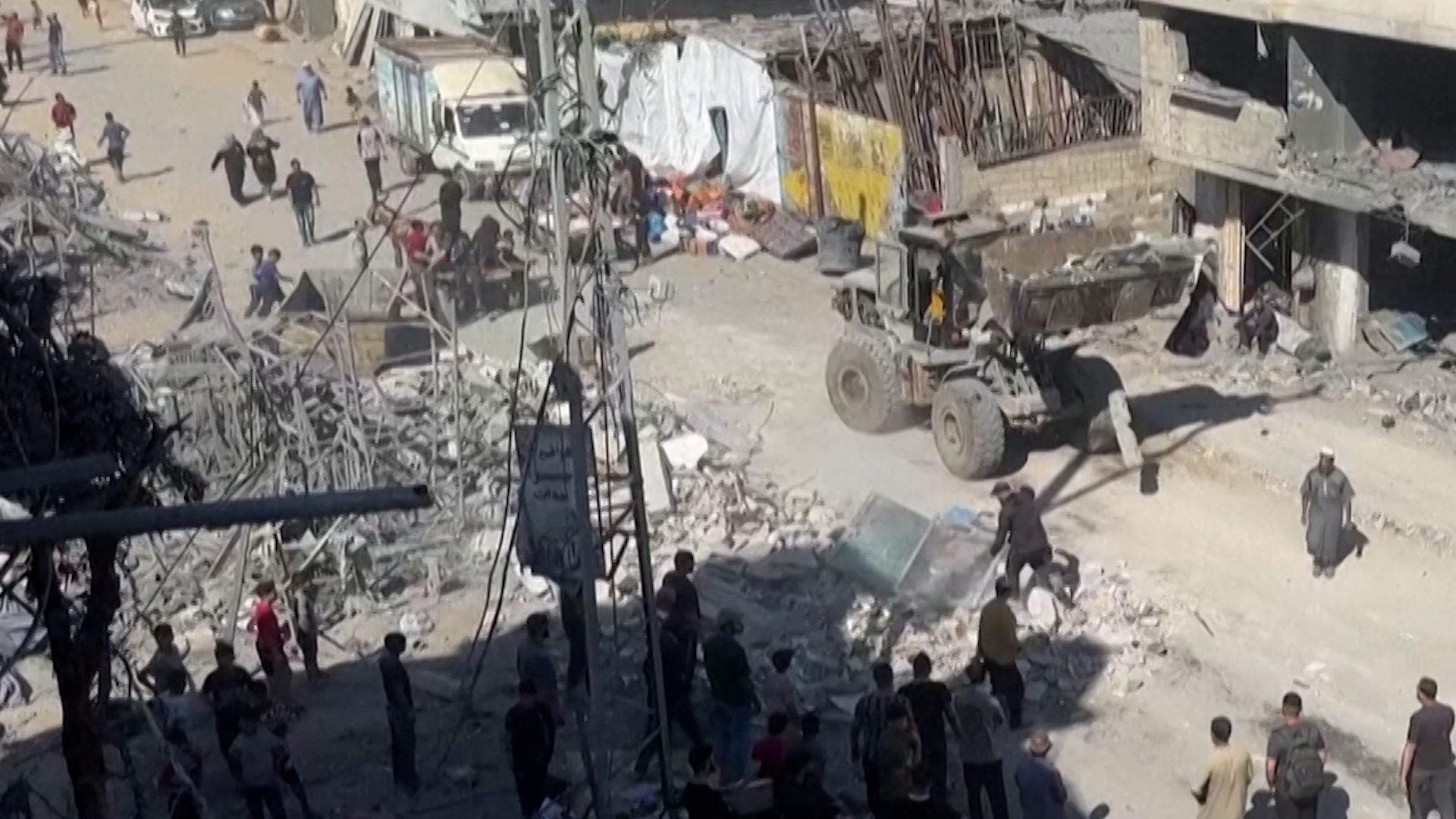
Gaza Residents Begin Cleanup Following Overnight Israeli Strikes
 world
world
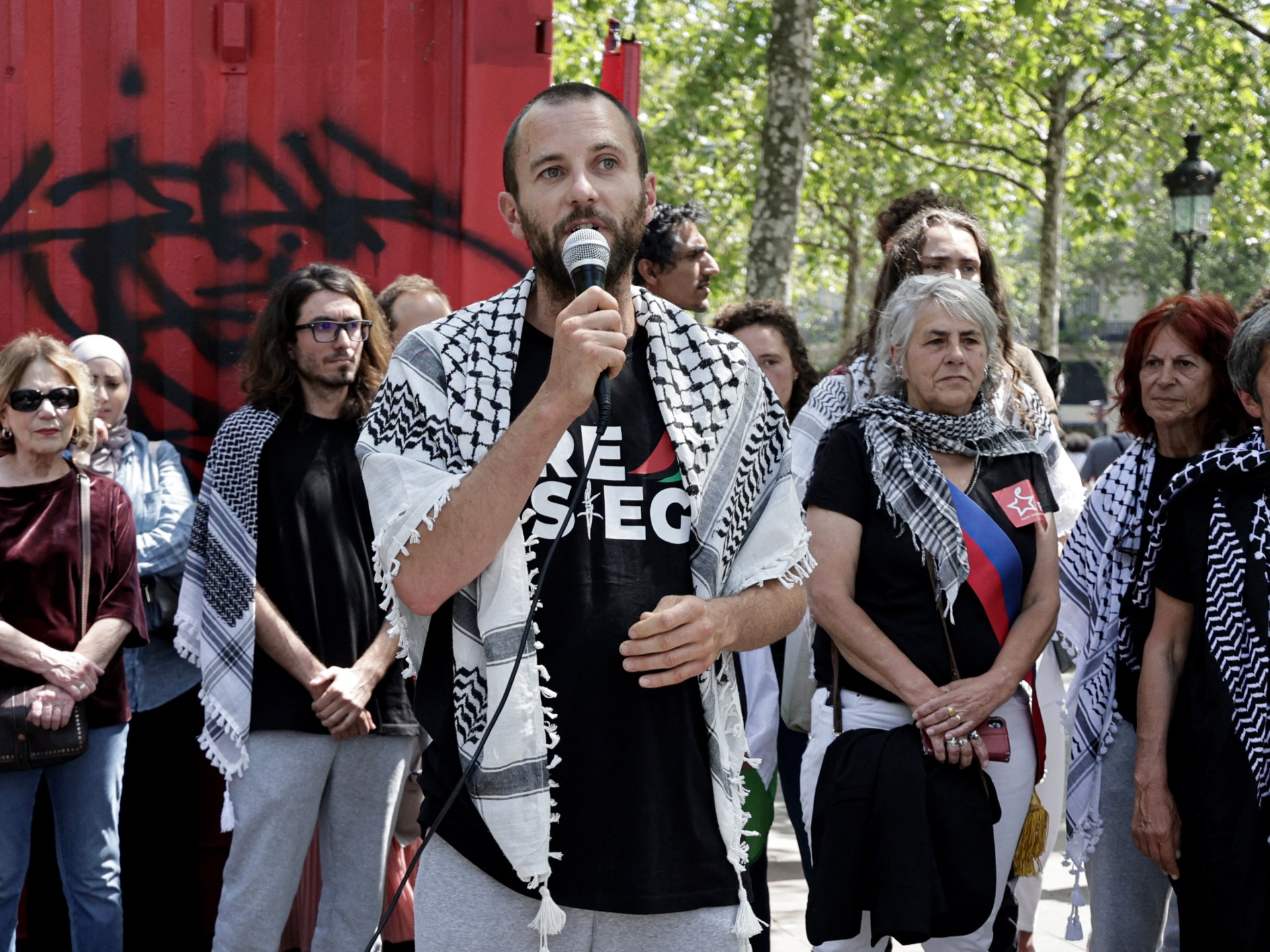
France Initiates Investigation into Allegations of Mistreatment of Gaza Aid Flotilla Activists
 world
world