
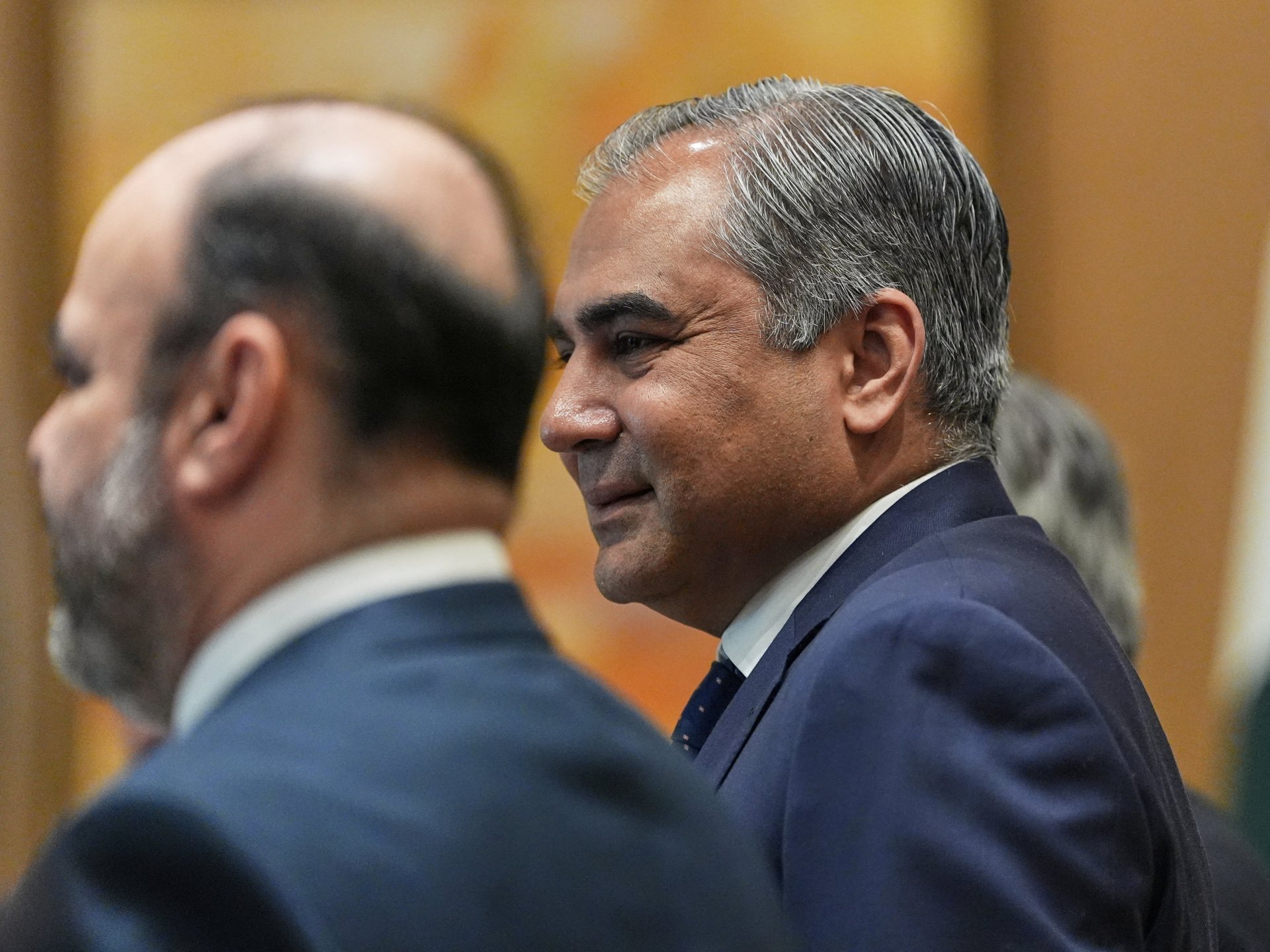
Diplomatic Initiative Amidst Heightened Gulf Tensions
Pakistan's Interior Minister, Mohsin Naqvi, recently undertook a visit to Tehran, Iran, to deliver a 'special letter' addressed to Iran's Supreme Leader, Mojtaba Khamenei. This diplomatic outreach is part of broader efforts to mitigate the ongoing conflict involving the United States, Israel, and Iran, which has reportedly been active for 100 days.
Upon his arrival in the Iranian capital on a Saturday evening, Naqvi engaged in discussions with his Iranian counterpart, Eskandar Momeni. Their agenda included reviewing 'latest regional developments and matters related to internal security,' as shared by Naqvi on social media. Prior to his trip, Iranian media outlets indicated that the Pakistani official was carrying correspondence from both his country's army chief and prime minister intended for the supreme leader.
Escalating Regional Dynamics
Naqvi's visit coincides with a period of renewed instability in the Gulf region. The U.S. Central Command (CENTCOM) reported on Sunday that its forces had intercepted two Iranian one-way attack drones, citing a threat to international maritime traffic in the Strait of Hormuz. Earlier in the week, on Friday, CENTCOM also confirmed the interception of seven ballistic missiles aimed at Kuwait and Bahrain, following the downing of four Iranian drones launched towards the same strait. The Strait of Hormuz is a critical maritime route, accounting for approximately 20 percent of the world's traded oil.
In response to these incidents, United States forces stated they subsequently targeted Iranian coastal surveillance radar sites in Garuk and on Qeshm Island, describing these actions as defensive measures against potential future maritime attacks.
These military engagements have drawn strong condemnation from Gulf nations, many of whom have expressed concerns about the escalating conflict. Bahrain, which hosts the headquarters of the U.S. Fifth Fleet, denounced the recent attacks as 'blatant aggression.' Kuwait echoed these sentiments, labeling the attacks as a 'dangerous escalation.' Egypt, Jordan, and Qatar also joined in the chorus of condemnation.
Stalled Negotiations and Key Sticking Points
Despite the exchanges of fire and retaliatory actions, negotiations aimed at resolving the conflict are reportedly continuing, though a definitive agreement remains elusive. U.S. President Donald Trump has presented a fluctuating stance, alternating between warnings of renewed military action and expressions of optimism regarding a diplomatic resolution. He had previously suggested that an agreement could be finalized over a weekend.
However, Iranian officials have adopted a more cautious tone. Mohsen Rezaei, a military adviser to Iran's supreme leader, informed a U.S. media outlet that 'The negotiations are at a deadlock, and Trump must break this deadlock.' Rezaei also called for the release of approximately $24 billion in frozen Iranian assets, a demand that represents a significant point of contention in the ongoing talks.
Reports from Wednesday indicated that U.S. Treasury Secretary Scott Bessent was considering utilizing these frozen Iranian assets to support rebuilding efforts in the Gulf region, particularly in areas affected by Iranian attacks. A U.S. official reportedly stated to news agencies, 'The Treasury will utilise all tools available to allow Iranian assets to be made available to our Gulf allies to support rebuilding and repairs for any future damage caused by Iran.'
Further complicating negotiations are other key issues, including the cessation of hostilities across all fronts, notably in Lebanon; waivers on sanctions related to crude oil exports; the lifting of a U.S. port blockade; and leverage over the Strait of Hormuz. Iran has maintained a blockade of this narrow waterway since the conflict commenced on February 28, responding to U.S. and Israeli actions with drone and missile attacks on Israel, U.S. targets, and neighboring Gulf states. Tehran declared the Strait of Hormuz closed and threatened to attack vessels transiting without its authorization, actions that significantly impacted global oil and gas prices and supply chains.
A temporary ceasefire, mediated by Pakistan, was initiated on April 8, leading to a substantial reduction in armed hostilities. However, direct talks in Islamabad broke down on April 12, and both sides have since exchanged proposals to end the conflict through Pakistani mediation. Several subsequent flare-ups have heightened concerns about a potential return to full-scale fighting.
Source: Pakistan’s Naqvi visits Iran with ‘special letter’ for supreme leader
Related Articles
 world
world
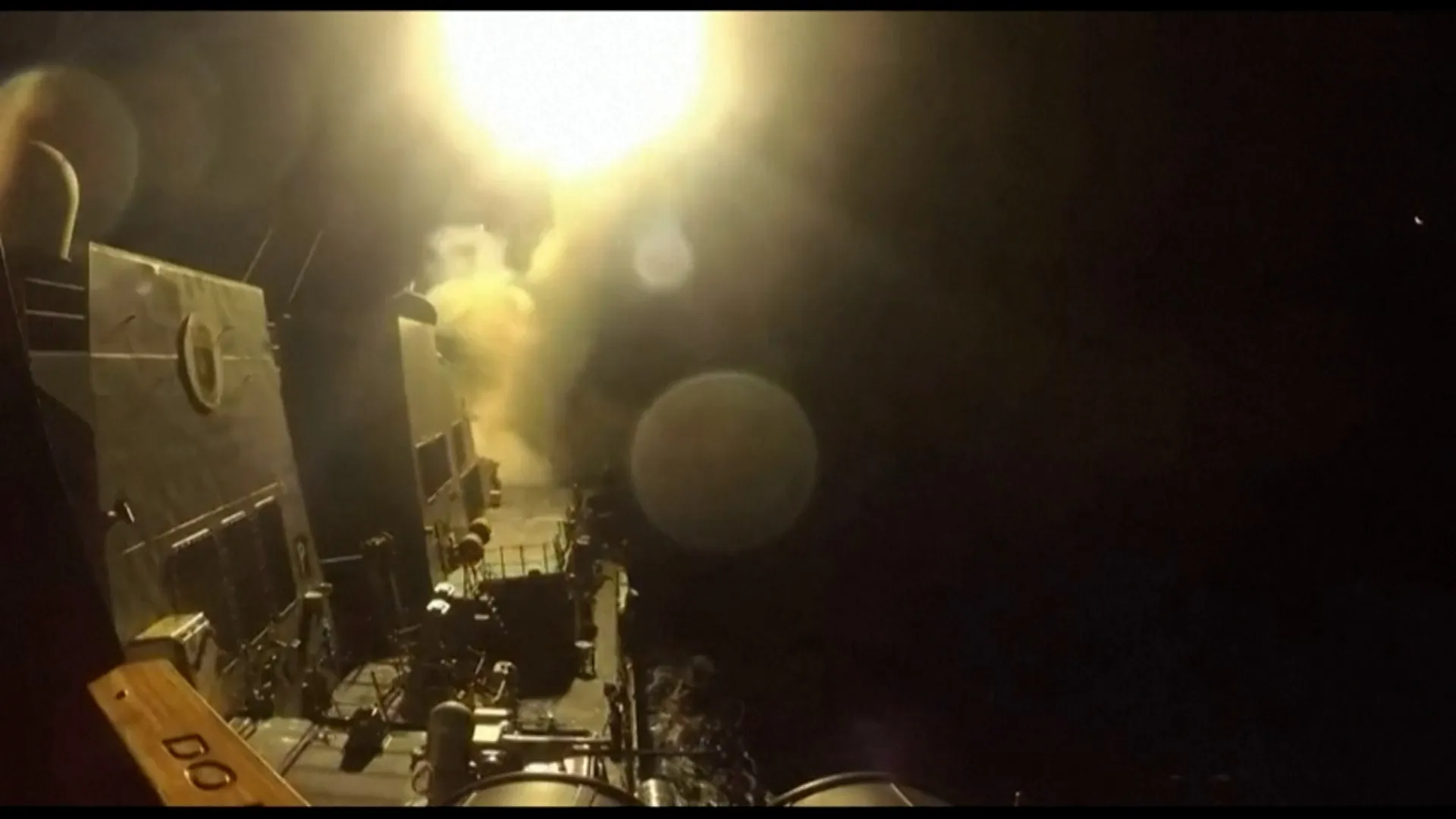
US Central Command Publishes Footage of Strikes Against Iranian Targets
 world
world
Allegations of Sexual Violence Surface in Israeli Detention Facilities
 world
world
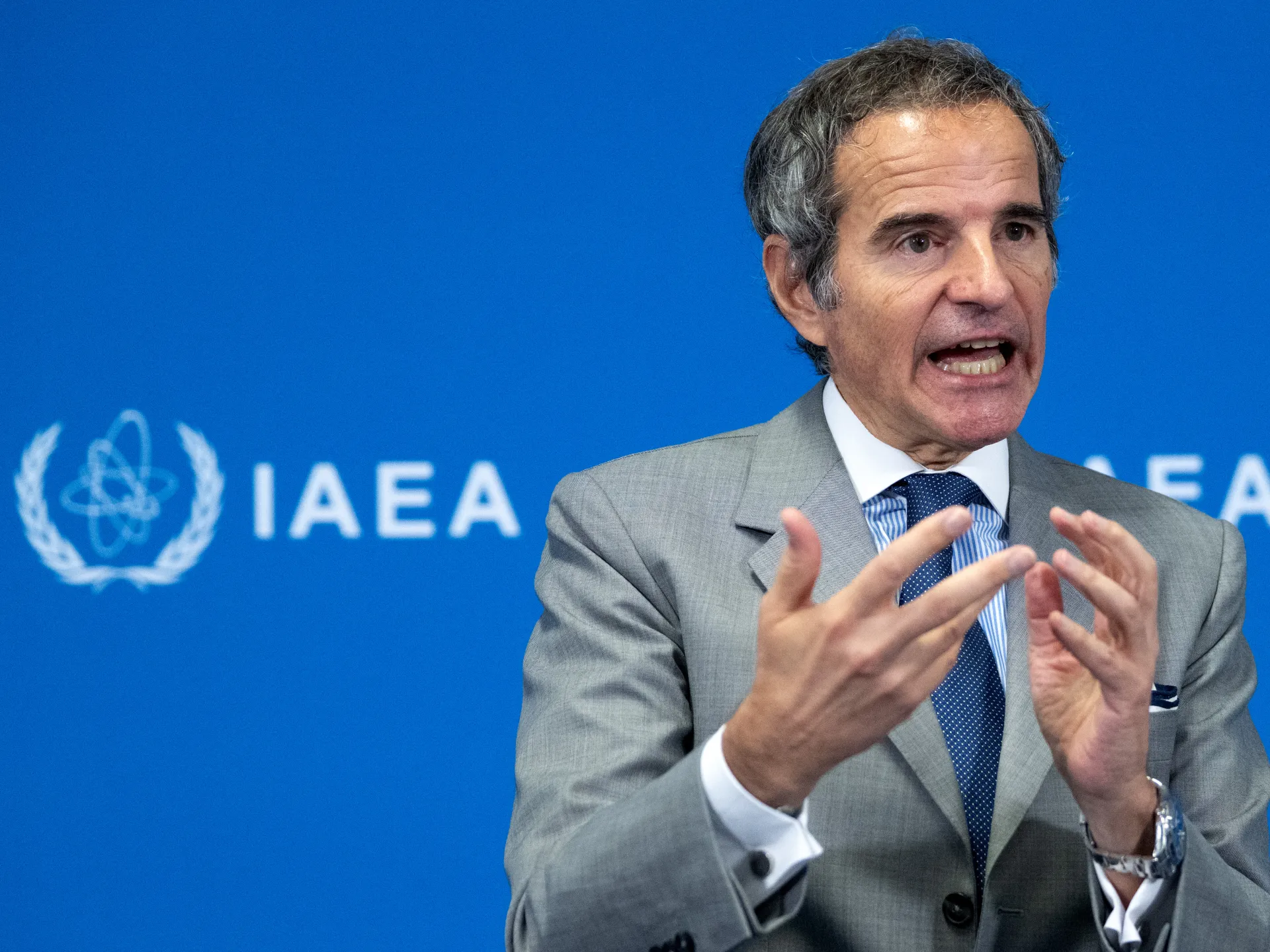
UN Watchdog Demands Iran Account for Enriched Uranium Stockpiles Amid Regional Tensions
 world
world