
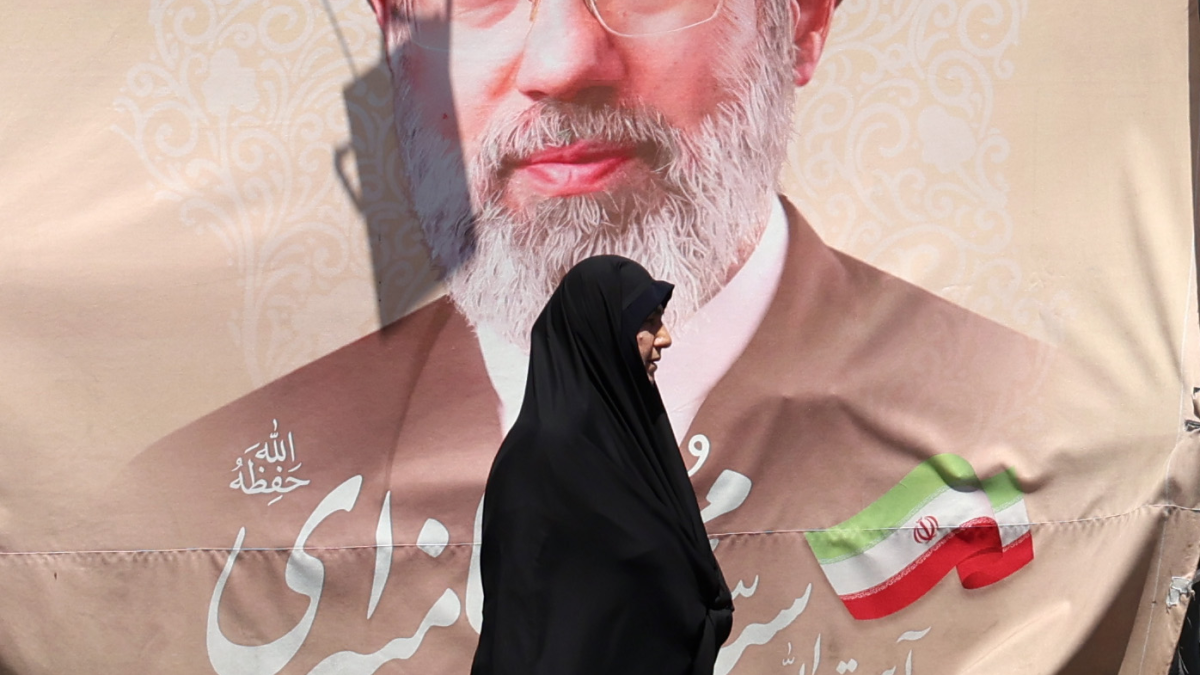
Pakistan's Diplomatic Triumph: Bridging the Divide Between Washington and Tehran
After more than three months of intense conflict between the United States and Iran, which claimed thousands of lives primarily in Iran and Lebanon and significantly disrupted global energy markets, Pakistan has successfully mediated a tentative peace agreement. This diplomatic achievement was lauded by Pakistani Prime Minister Shehbaz Sharif, who highlighted the persistent efforts of key figures within his administration and military.
Addressing the National Assembly on Monday, Prime Minister Sharif acknowledged the critical role played by Field Marshal Asim Munir, Pakistan’s powerful military chief, in preventing the collapse of negotiations during their most precarious moments. Sharif stated, "Throughout this period, he was awake all day and night," adding that Munir had "sacrificed day and night to extinguish the flames of war." He emphasized that Munir's unwavering commitment was instrumental in sustaining the dialogue, remarking, "If this journey had not continued, the dream of peace would have been shattered."
This candid recognition, unusual for a process largely conducted away from public scrutiny, offered a clear insight into Pakistan's success in an endeavor many considered improbable. Sharif also extended his commendation to Deputy Prime Minister and Foreign Minister Ishaq Dar and his team, as well as Interior Minister Mohsin Naqvi, for their "tireless efforts." Furthermore, he acknowledged the contributions of leaders from Qatar, Saudi Arabia, Turkey, and China, who also played roles in the mediation process. While Al Jazeera sought details of the US-Iran agreement from Pakistan’s military and relevant ministries, no specific information was provided.
Details of the Tentative Agreement and Ongoing Negotiations
The agreement, which Prime Minister Sharif initially announced on X early Monday, calls for an immediate and permanent cessation of military operations across all fronts, including in Lebanon. US President Donald Trump promptly confirmed the deal on his Truth Social platform, stating, "The Deal with the Islamic Republic of Iran is now complete." A formal signing ceremony, hosted by Pakistan, is scheduled to take place in Geneva on Friday.
According to Iran’s Mehr News Agency, the 14-point memorandum of understanding stipulates that the US will lift its naval blockade of Iran within 30 days and withdraw its forces deployed near Iranian territory. The Strait of Hormuz, which Iran had effectively closed since the conflict began on February 28, is set to reopen for normal transit under the terms of the agreement. Additionally, Iran's frozen assets, estimated at $24 billion, are expected to be released in phases over 60 days of subsequent negotiations. These future discussions will also address Iran's nuclear program, while its missile program and support for armed groups have been removed from the immediate agenda.
The negotiations were conducted under Iran’s new supreme leader, Mojtaba Khamenei, who assumed the position after his father, Ayatollah Ali Khamenei, was killed on February 28, the first day of the US-Israel war on Iran. Sharif specifically praised Mojtaba Khamenei for demonstrating "immense wisdom, prudence and patience under extremely difficult circumstances" throughout the negotiation period.
The Winding Path to Peace: Diplomacy Amidst Challenges
Pakistan's journey to this announcement was complex and fraught with challenges. A Pakistan-brokered ceasefire was initially implemented on April 8, following a series of urgent calls made by Field Marshal Munir to US officials just hours before a Trump-imposed deadline for striking Iran was set to expire. This ceasefire, though fragile, held, and was subsequently extended indefinitely at the "personal request" of Munir and Sharif, according to Pakistani officials.
On April 11 and 12, Pakistan hosted the Islamabad talks, marking the highest-level direct engagement between Washington and Tehran since 1979. Despite the presence of US Vice President JD Vance, these talks concluded without a definitive agreement. For several weeks thereafter, face-to-face negotiations stalled, with Trump suggesting that discussions could continue by phone if necessary. During this period, Pakistani officials maintained their shuttle diplomacy between Washington, D.C., and Tehran, though public indications of progress remained minimal.
Jauhar Saleem, a former Pakistani diplomat, observed that Islamabad’s consistent mediation reflected a deeper commitment than mere tactical adjustments. He told Al Jazeera, "It’s not a question of what changed between April and June. It’s rather an example of a never-give-up approach in diplomacy where an honest broker respected by both sides can eventually help overcome an overwhelming trust deficit." Saleem highlighted that Pakistan’s role extended beyond merely bridging policy gaps to navigating internal divisions between pragmatists and hardliners within both the US and Iran, particularly in the latter. "Pakistan’s leverage was and remains its credibility as a trusted friend and well-wisher and a fair intermediary," he asserted.
Collaborative Efforts and Final Hurdles
Pakistan did not operate in isolation. On March 31, Pakistan and China signed a joint five-point peace plan, driven by Beijing’s concerns over the Strait of Hormuz blockade, a critical route for much of China’s oil and gas imports. In May, Munir undertook a second visit to Tehran, accompanied by Interior Minister Naqvi, whom Sharif credited for engaging "with Iranian brothers." Iranian Foreign Minister Abbas Araghchi also made multiple visits to Islamabad, holding separate meetings with both Munir and Sharif. During one such visit, Araghchi expressed Tehran’s commitment to engaging with Pakistani mediators "until a result is achieved."
By Saturday, as negotiations entered their final phase, Deputy Prime Minister Dar was in communication with his counterparts in Saudi Arabia, Turkey, and Egypt. Saudi Foreign Minister Faisal bin Farhan Al Saud specifically acknowledged Pakistan’s "consistent and sustained efforts in support of mediation and dialogue throughout the process." That same day, Sharif announced that the US and Iran had reached a "final, agreed-upon text," stating, "Peace has never been this close as it is now."
However, the final hours remained uncertain. Iran’s Ministry of Foreign Affairs publicly stated there were no immediate plans for its negotiating team to travel for a signing ceremony. An Israeli strike on the southern suburbs of Beirut on Sunday, just hours before the deal was announced, provoked a strong reaction from Tehran. Iranian parliament Speaker Mohammad Bagher Ghalibaf questioned Washington's "will or the ability" to uphold its commitments. Despite this sharp rhetoric, Iranian President Masoud Pezeshkian signaled that diplomatic channels remained open.
Pakistani officials have refrained from commenting on the intricate details of the negotiations or the events of the final hours. The precise mechanics of how the agreement overcame these last-minute challenges remain undisclosed. What is known is that shortly after these events, Sharif posted on X, announcing the tentative deal, which Trump confirmed minutes later. Addressing lawmakers on Monday, the Pakistani prime minister concluded, "Nations have sought for decades the respect and honour which has been awarded to Pakistan for its efforts in the peace process."
Source: How Pakistan mediated a US-Iran agreement after more than 100 days of war
Related Articles
 world
world
International Sanctions Target Settlers Amidst Escalating West Bank Tensions
 world
world
G7 Leaders Convene in France Amidst Critical Discussions on Iran and Ukraine
 world
world
Iran Cautions Against Israeli Presence in Lebanon, Citing Potential US Accord Violation
 world
world