
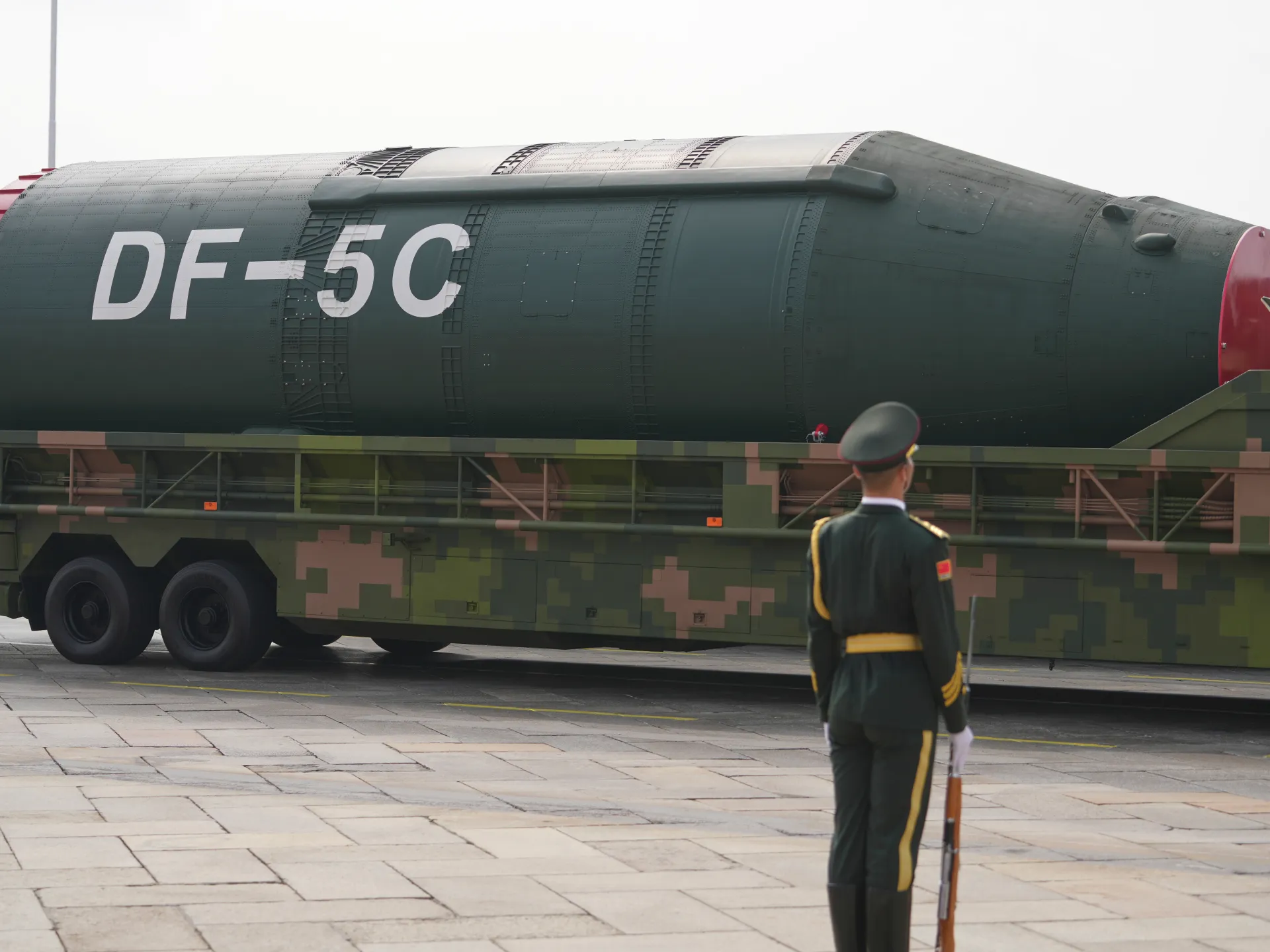
China Conducts Ballistic Missile Test in Pacific
China's military recently conducted a test-launch of a long-range ballistic missile from a nuclear-powered submarine in the South Pacific, according to reports from China's state news agency, Xinhua. The missile, which was reportedly fired at 12:01 PM (04:01 GMT) on a Monday, landed in what were described as "designated waters." This action has subsequently elicited strong reactions and expressions of concern from several nations in the Indo-Pacific region, including Japan, Australia, and New Zealand.
Xinhua characterized the missile test as a "routine arrangement" within China's annual military training schedule, asserting that it was not aimed at any specific target. Despite this official explanation, the action has fueled existing anxieties regarding military activities in the region and the broader issue of transparency.
Australia Voices Disapproval Over Destabilizing Test
Australia's Foreign Minister, Penny Wong, confirmed that the Australian government had been notified by China regarding its intention to conduct a sea-based missile test in the Pacific. However, Wong described the action as "destabilizing" for the region. Speaking at a news conference in Suva, the capital of Fiji, Wong articulated Australia's stance, stating, "Australia has been clear that this proposed test is in the context of a rapid military build-up by China, which is lacking in the transparency and reassurance as to intent that the region expects." This statement underscores a broader regional apprehension about the scale and purpose of China's military expansion, particularly in the absence of comprehensive and clear communication regarding its objectives.
Japan Urges Reconsideration Amid Increased Military Activity
The Japanese government also acknowledged receiving notification of the missile launch. In response, Japan conveyed its "grave concern over the Chinese military’s increased activity" and urged China to reconsider such actions. Additionally, Japan's coastguard had been informed by Chinese authorities the day before the launch about potential falling space debris that could impact Japan's exclusive economic zone. This prior notification, coupled with the missile test, has contributed to Japan's calls for greater caution and transparency from China regarding its military and space-related operations.
New Zealand Expresses Concern Over Pacific as Testing Ground
New Zealand's Foreign Minister, Winston Peters, issued a statement indicating that his government was informed of the planned launch within hours of its execution. Peters characterized the development as "unwelcome and concerning." He further emphasized New Zealand's position, stating, "We, like our neighbours in other Pacific countries, have no interest in China using the South Pacific as a testing site for missile capability." This sentiment reflects a collective regional desire to prevent the South Pacific from becoming an area for military exercises that could potentially compromise environmental safety or regional stability.
Regional Implications and Calls for Transparency
The coordinated expressions of concern from Australia, New Zealand, and Japan highlight a shared regional unease regarding China's military assertiveness and the perceived lack of transparency surrounding its activities. While China maintains that such tests are routine and non-threatening, the reactions from neighboring nations suggest a growing demand for more comprehensive dialogue and clearer intentions from Beijing. The incident also brings into focus the broader geopolitical dynamics in the Indo-Pacific, where various nations are closely monitoring military developments and advocating for a rules-based international order that prioritizes stability and mutual trust. The ongoing military build-up in the region, coupled with these tests, continues to be a subject of international scrutiny and diplomatic engagement, as countries seek to navigate an evolving security landscape and prevent potential escalations.
Source: Original Article
Related Articles
 world
world
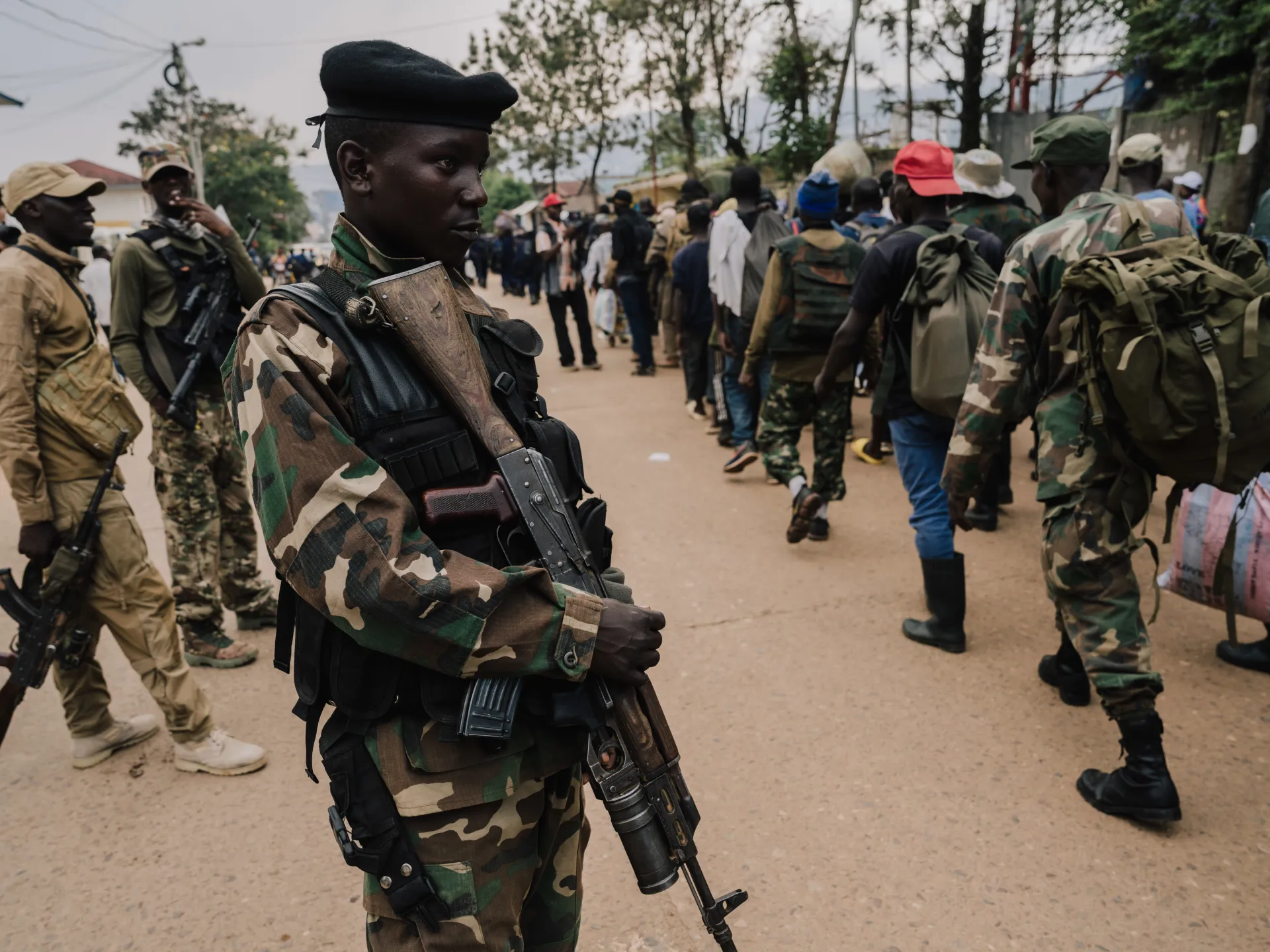
US Sanctions Target Rwandan Entities Over Alleged Role in DR Congo Conflict Minerals Trade
 world
world
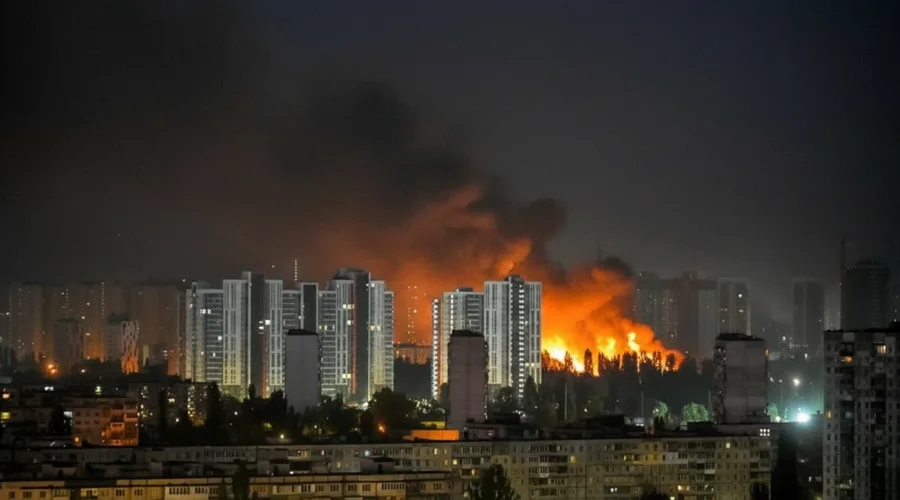
Escalating Tensions: Ukraine Endures Deadly Russian Barrage Amidst NATO Summit Preparations
 world
world
Iran Observes Multi-Day Funeral for Slain Supreme Leader Ali Khamenei
 world
world