
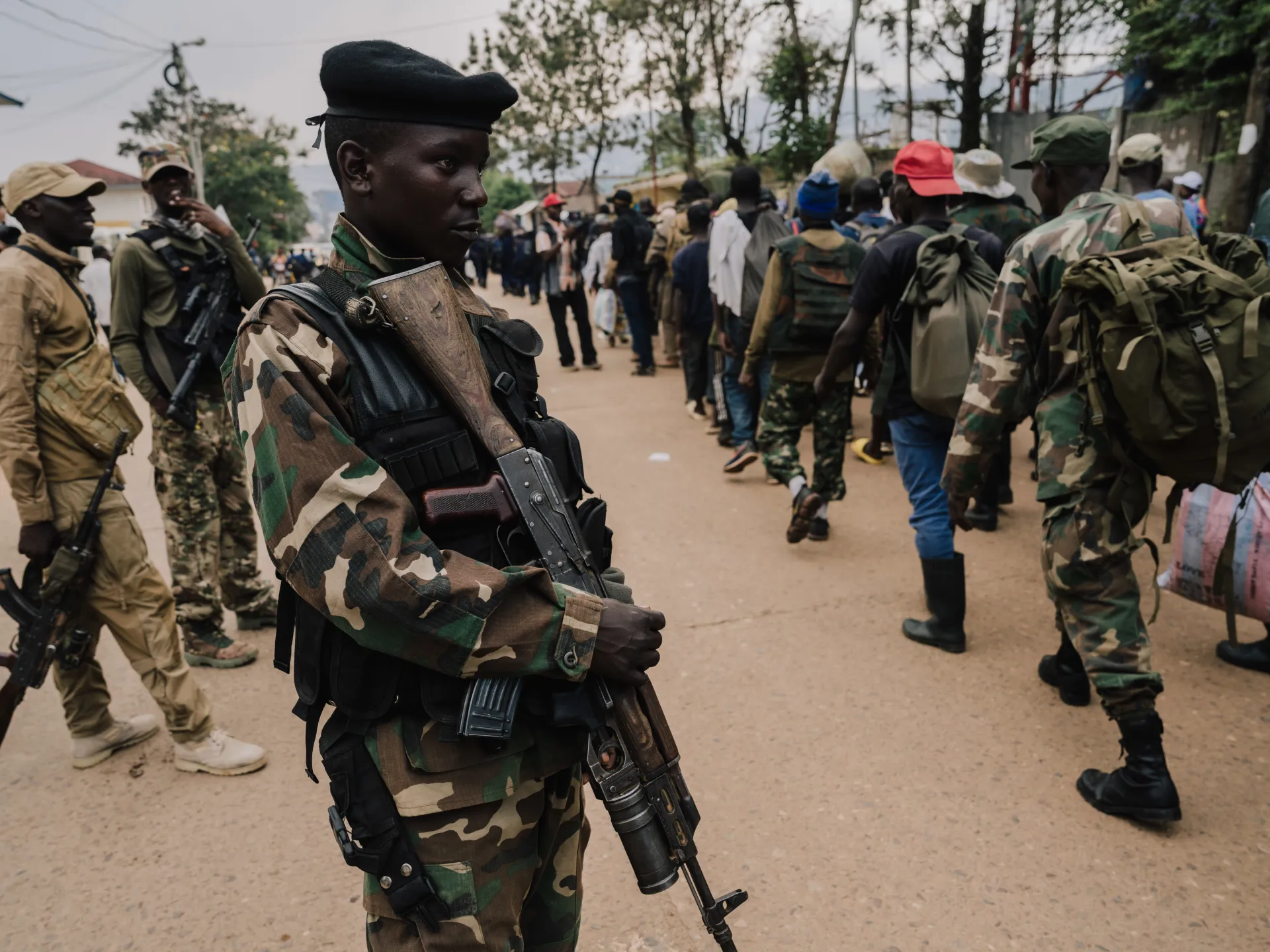
US Imposes Sanctions Amidst Persistent DR Congo Conflict
The United States has recently implemented sanctions against Rwandan individuals and corporate entities, citing their alleged involvement in the illicit trade of minerals from the eastern Democratic Republic of Congo (DRC). These measures are reportedly aimed at disrupting financial networks that are believed to support the M23 rebel group, which operates in the mineral-rich region. This development signals an escalation in international efforts to address a conflict frequently linked to the vast natural resources of the DRC.
According to the US Department of the Treasury, the sanctions are specifically designed to dismantle operations that smuggle minerals out of the DRC, subsequently using the proceeds to fund the M23. The individuals named in these sanctions are Jean Malic Kalima, identified as the chairman of Gasabo Gold Refinery, and Bosco Kayobotsi, the managing director of the same company. The targeted companies, all based in Rwanda, include Gasabo Gold Refinery Ltd, Bugambira Mines Ltd, Wolfram Mining and Processing Ltd, and Rwinkwavu Mining Corporation Ltd.
A statement from the Treasury, dated June 25, indicated that “The M23 and its supporters are exploiting the DRC’s vast mineral resources – wealth that rightfully belongs to the Congolese people – to finance the purchase of weapons, pay combatants and sustain a destabilising insurgency that has triggered a serious humanitarian crisis.” This underscores the US government's perspective on the direct link between mineral exploitation and the ongoing humanitarian crisis in the region.
Resource-Driven Conflict: A Long-Standing Issue
Economist Dady Saleh, based in Kinshasa, emphasized that the conflict in eastern DRC has historically been shaped by the competition for natural resources. “Let there be no mistake. The wars we have been experiencing for 30 years in the eastern region of the country are, above all, economic in nature,” Saleh stated. He further suggested that external powers often pursue strategic economic interests in conflict zones, drawing parallels with situations in Ukraine and Venezuela.
The US Treasury articulated that the region’s mineral wealth should ideally contribute to development rather than fuel conflict. It argued that curbing the illicit flow of minerals could foster legitimate economic activities and secure critical minerals essential for global industries. Saleh noted that these recent sanctions might indicate a shift in international attitudes toward Kigali, remarking, “The DRC’s natural resources have been plundered for decades, both before and after independence. Today, that plundering has intensified and increasingly takes place through proxy actors.”
For many Congolese citizens, these sanctions are viewed as a long-awaited acknowledgment of long-standing grievances. Nestor Sadiki, a resident of Goma, expressed satisfaction, stating, “We are pleased that the US is gradually coming to understand the underhand tactics Kigali is employing on our territory and that the masks are slowly beginning to slip. We have suffered so much because of our natural resources, which were given to us by the Creator, and that is not fair.”
Rwanda's Rebuttal and Evidence of Cross-Border Flows
Rwandan officials have consistently denied allegations linking their country to mineral trafficking or support for armed groups. Olivier Nduhungirehe, Rwanda’s Foreign Minister, characterized the US sanctions as “biased” and “unjustified,” asserting that punitive measures alone do not resolve the conflict. He argued that if sanctions were sufficient to bring peace to eastern DRC, the conflict would have ended long ago, suggesting that lasting solutions necessitate shared regional responsibility rather than selective blame.
However, Rwanda's denials contrast with findings from various international bodies. Experts from the United Nations and organizations like Global Witness have documented the movement of conflict minerals from eastern DRC through regional supply chains, eventually reaching international markets. Global Witness, a UK-based organization, reported tracing connections between mines in eastern DRC and export networks in the region, suggesting that a significant portion of these shipments is controlled by a limited number of companies. They also indicated that smuggled minerals might enter global electronics supply chains before reaching consumer products.
The UN Panel of Experts further reported that substantial quantities of coltan are transported monthly from Rubaya into Rwanda, particularly after the M23’s acquisition of the mine in 2024. The US Treasury reiterated that ending the illicit mineral trade is crucial due to its role in financing armed groups, contributing to forced labor and violence, and undermining legitimate mining operations. “The United States remains committed to a peaceful and prosperous Great Lakes region, with a mining sector free from illicit flows or conflict financing,” the Treasury affirmed.
Congolese Response and Rebel Stance
Kinshasa has welcomed the sanctions, interpreting them as validation of its long-standing accusations that Rwanda benefits from minerals extracted from rebel-controlled territories. Government spokesperson Patrick Muyaya accused Rwanda of profiting from regional mineral flows, pointing to its refining capacity despite its limited domestic mineral production. On X, Muyaya wrote, “A state, Rwanda, which excels in the role of plunderer, middleman and fence for resources extracted through massacres, rapes and bloodshed,” adding that the sanctions had disrupted what he termed a chain of “state-sponsored theft.”
Conversely, the M23 rebels, who maintain control over significant areas of eastern DRC, deny any benefit from the mineral trade. They assert that local miners independently sell minerals and that their fighters primarily provide security around mining sites. The group also accuses Kinshasa of using mineral trafficking allegations as a diversion from its own military and diplomatic challenges. Kambere Muyisa Lumumba, spokesperson for the AFC-appointed governor based in Goma, stated, “We have no interest whatsoever in minerals. What matters to us is the survival of the people. We are fighting so that the people can feel safe… We are fighting for strong institutions, not strong individuals.”
Despite the increasing international pressure, economist Saleh cautioned that sanctions alone might not fully address the broader geopolitical interests influencing the conflict. He remarked, “The Rwandan leaders had the US’s green light. They were allowed to do whatever they wanted,” describing Washington’s latest actions as “a double-edged sword.” Ultimately, Saleh suggested that the long-term stability of the country hinges on domestic leadership. “We Congolese must not think that the Americans are our solution. They are part of the solution, just like the Chinese and the rest of the world. We must be able to take charge of our own affairs,” he concluded.
Source: Original Article
Related Articles
 world
world
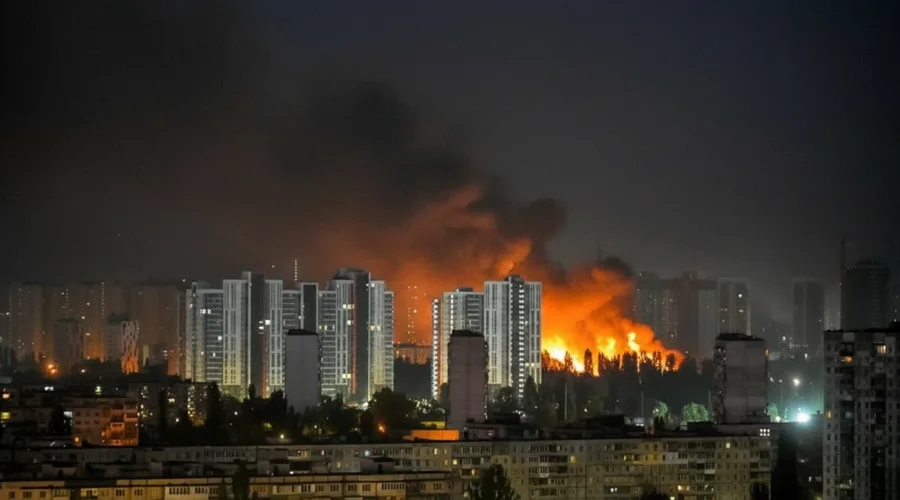
Escalating Tensions: Ukraine Endures Deadly Russian Barrage Amidst NATO Summit Preparations
 world
world
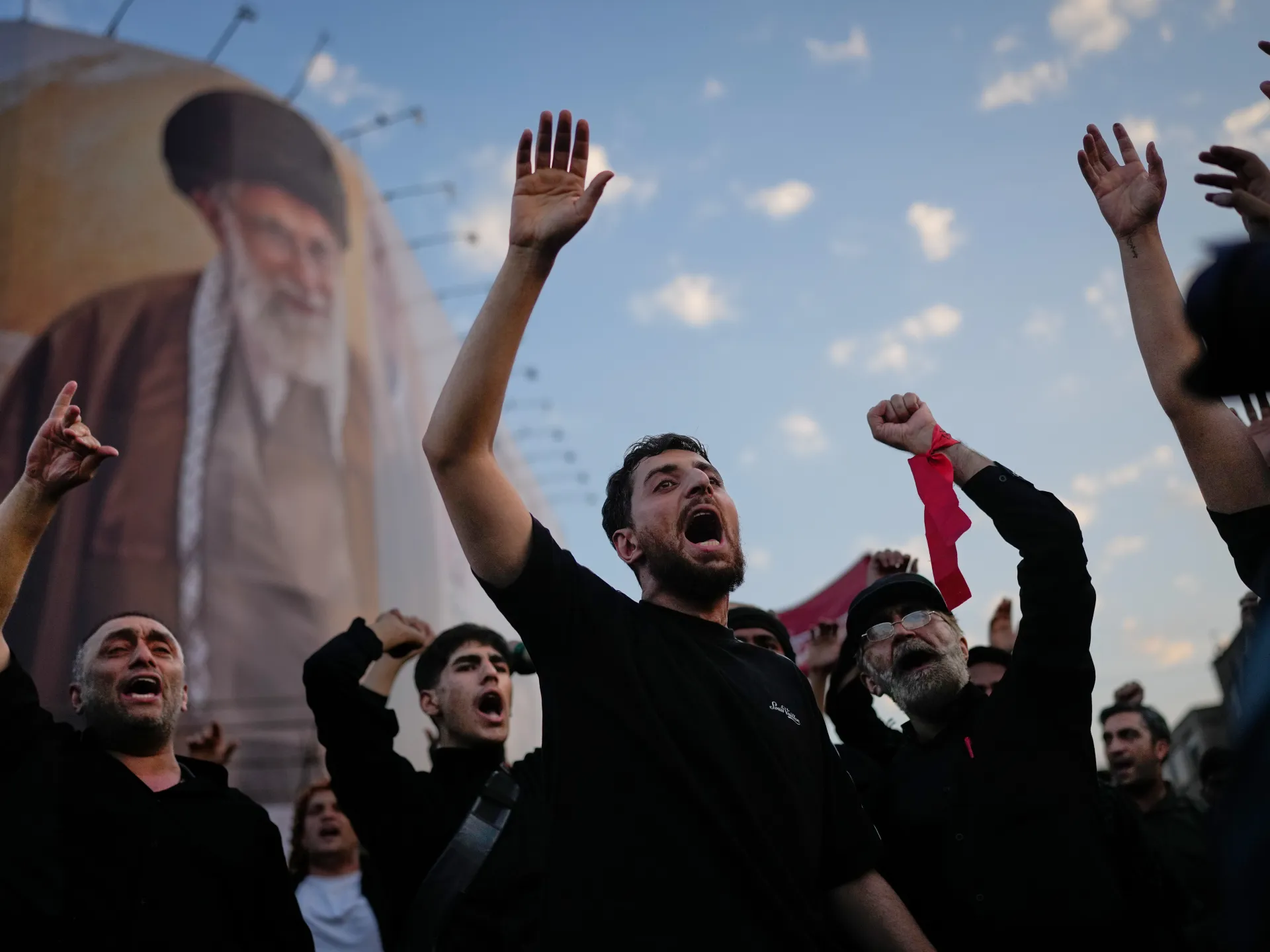
Iran Observes Multi-Day Funeral for Slain Supreme Leader Ali Khamenei
 world
world
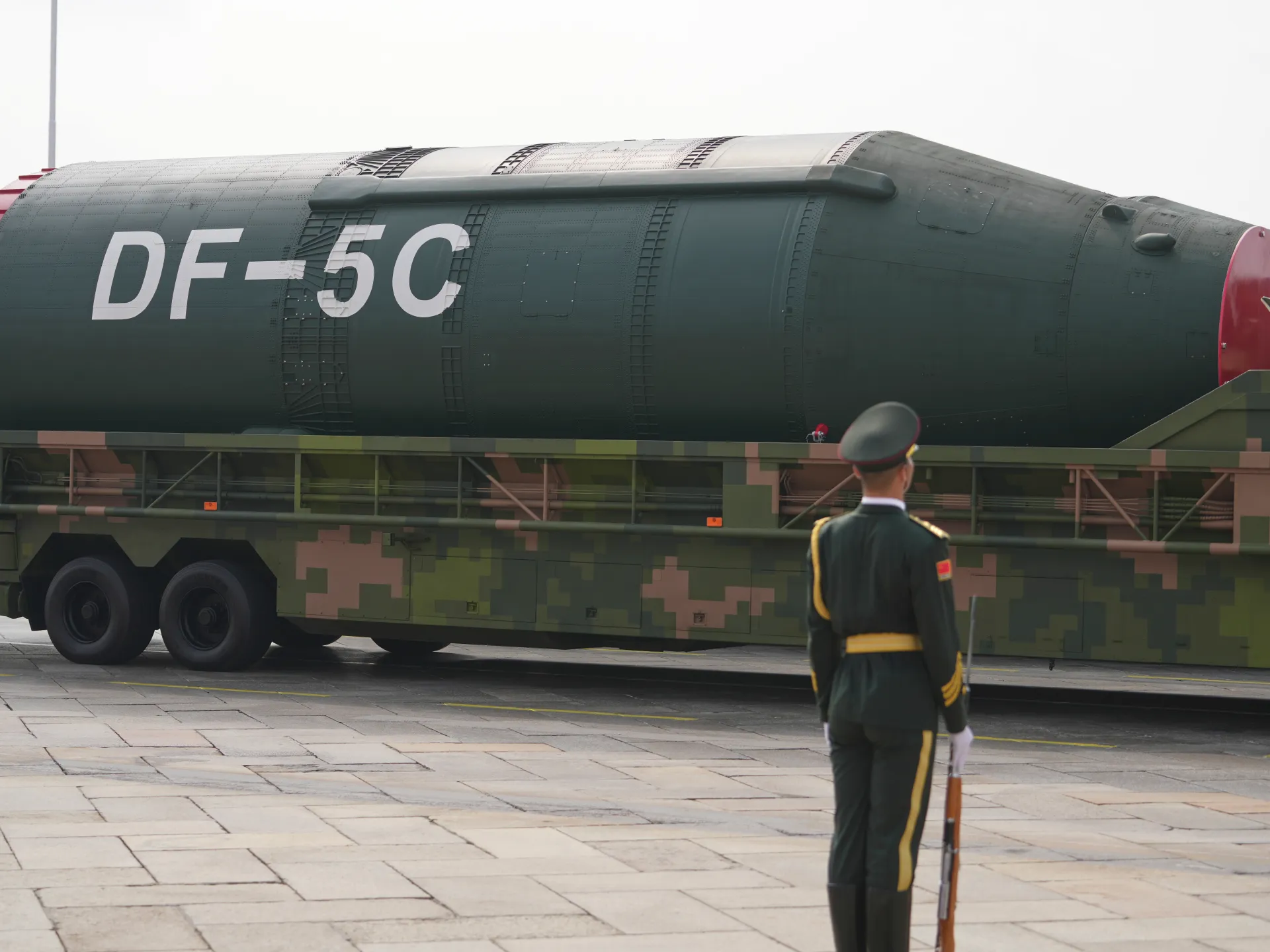
Pacific Missile Test by China Sparks Regional Concerns
 world
world