
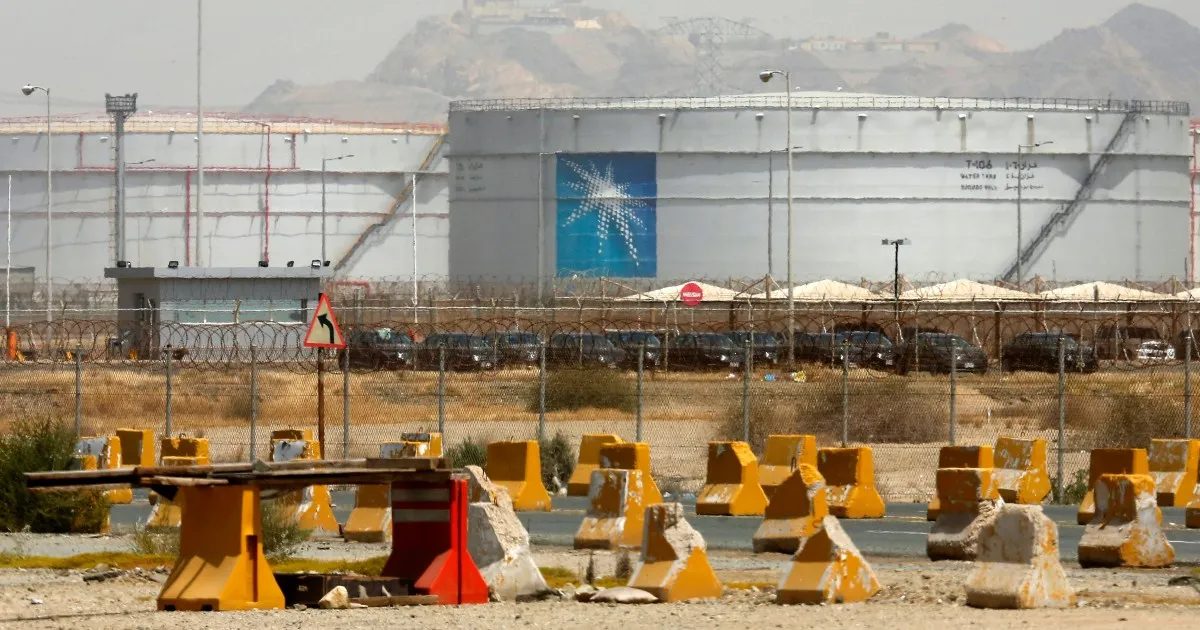
OPEC+ Agrees to Further Production Hike
In a recent development affecting global energy markets, a coalition of oil-producing nations, known as OPEC+, has committed to a further increase in monthly oil production. This decision, announced following a virtual meeting of officials, reflects an ongoing adjustment to market dynamics, particularly in the wake of geopolitical events impacting crude supply and demand. The group, comprising members of the Organization of the Petroleum Exporting Countries (OPEC) and its allies, including Russia, has been gradually restoring output that was significantly curtailed in previous years.
Seven prominent members of the OPEC+ alliance—Saudi Arabia, Russia, Iraq, Kuwait, Kazakhstan, Algeria, and Oman—are slated to collectively raise their daily oil output by an additional 188,000 barrels. This adjustment is scheduled to take effect from August, following a thorough assessment of prevailing global market conditions and future projections. This marks the fifth consecutive month that the alliance has opted to incrementally boost production, signaling a measured approach to reintroducing supply into the market after substantial cuts implemented in 2023.
Gradual Reversal of Previous Cuts
The current strategy by OPEC+ represents a deliberate unwinding of significant production reductions that were first initiated in April 2023 and further deepened in November of the same year. These earlier cuts were a direct response to a period of heightened market instability, characterized by a series of bank failures that triggered a widespread sell-off across various commodities, including crude oil. The intergovernmental organization emphasized its commitment to a cautious and flexible approach, stating that member countries would “continue to closely monitor and assess market conditions” and retain the “flexibility to increase, pause or reverse the phase out of the voluntary production adjustments.” A subsequent meeting is already scheduled for August 2 to further review the evolving market landscape.
Market Response and Geopolitical Factors
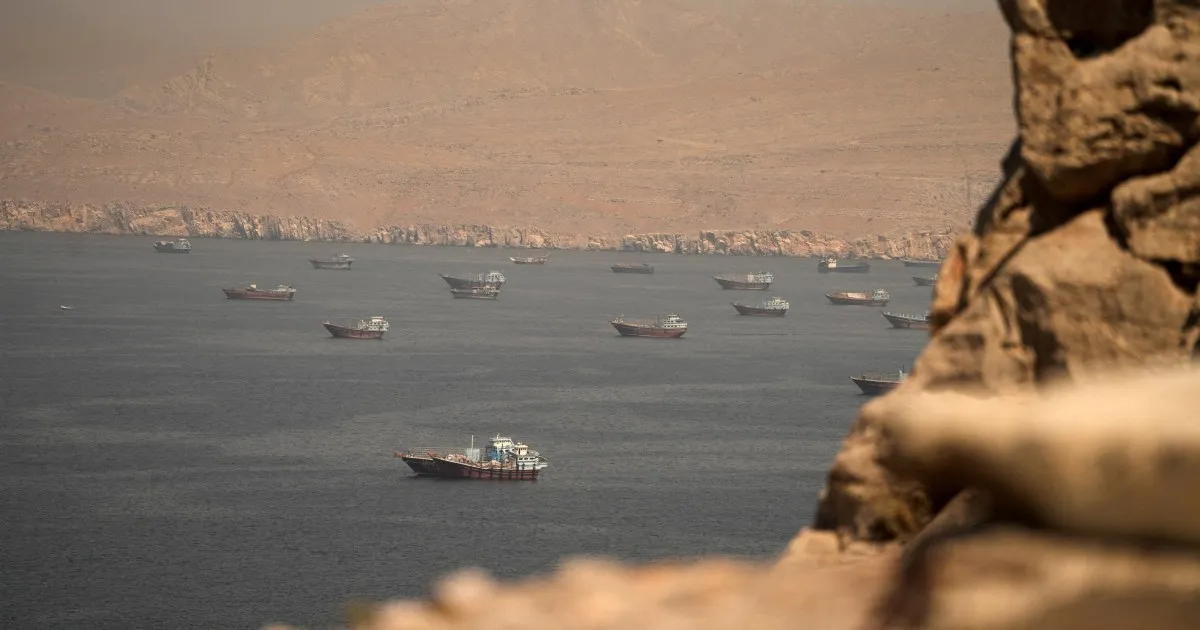
The announcement comes as crude oil prices show signs of stabilizing, moving closer to pre-conflict levels. Brent crude, a key international benchmark, had briefly surged past $126 per barrel in April but has since retreated. This decline is largely attributed to growing optimism surrounding the potential for a lasting resolution to the conflict involving Iran and the subsequent resumption of normal shipping operations through the Strait of Hormuz. The strait, a critical maritime chokepoint, is vital for a substantial portion of global oil and liquefied natural gas shipments.
Traffic through the Strait of Hormuz has shown a discernible uptick since a memorandum of understanding aimed at de-escalating the conflict was signed by US President Donald Trump and Iranian President Masoud Pezeshkian on June 17. Despite this improvement, current transit levels remain considerably below those observed before the conflict. For instance, on July 2, there were 38 confirmed transits, a decrease from 48 the previous day, and significantly lower than the approximately 130 daily crossings recorded before the hostilities. As of Monday, September delivery Brent crude futures were trading at $72, slightly below the $72.48 settlement price recorded on February 27, the day preceding the commencement of US and Israeli strikes on Iran.
Impact of Shipping Constraints on Production
The effective closure of the Strait of Hormuz during the conflict, which historically facilitated approximately one-fifth of global oil and liquefied natural gas supplies, compelled OPEC+ members to drastically reduce their production. This was primarily due to a rapidly accumulating backlog of unshipped crude, which quickly maxed out regional storage capacities. According to OPEC figures, total OPEC+ production plummeted from 42.77 million barrels per day in February to 33.13 million barrels per day in May, underscoring the profound impact of the shipping blockade.
Market analysts have offered nuanced perspectives on the significance of the latest production increases. Fabien Yip, a market analyst at IG in Sydney, Australia, characterized the announced boost as largely a “paper formality,” given the real-world constraints that have historically limited actual supply. Yip noted that “actual barrels have been constrained for months by the Strait of Hormuz blockade, falling well short of the quota,” and that the recent easing of these constraints is now contributing to downward pressure on prices. He highlighted a significant increase in shipping volumes by Saudi Arabia since June 17 compared to the preceding three months, and Iran's release of nearly 50 million barrels of crude onto the market since the naval blockade was lifted.
Neil Crosby, an oil market analyst at Sparta Commodities in Singapore, suggested that OPEC quotas might be considered “essentially meaningless” in the immediate term. He argued that the true relevance of these quotas would only emerge in the medium term, contingent on a stable and sustainable resolution to the issues surrounding the Strait of Hormuz. Crosby also cautioned against premature long-term predictions, stating, “we know little about the short-term future, so are not well able to predict the medium-term future,” particularly given the persistent uncertainties surrounding the Strait of Hormuz.
Source: Original Article
Related Articles
 economy
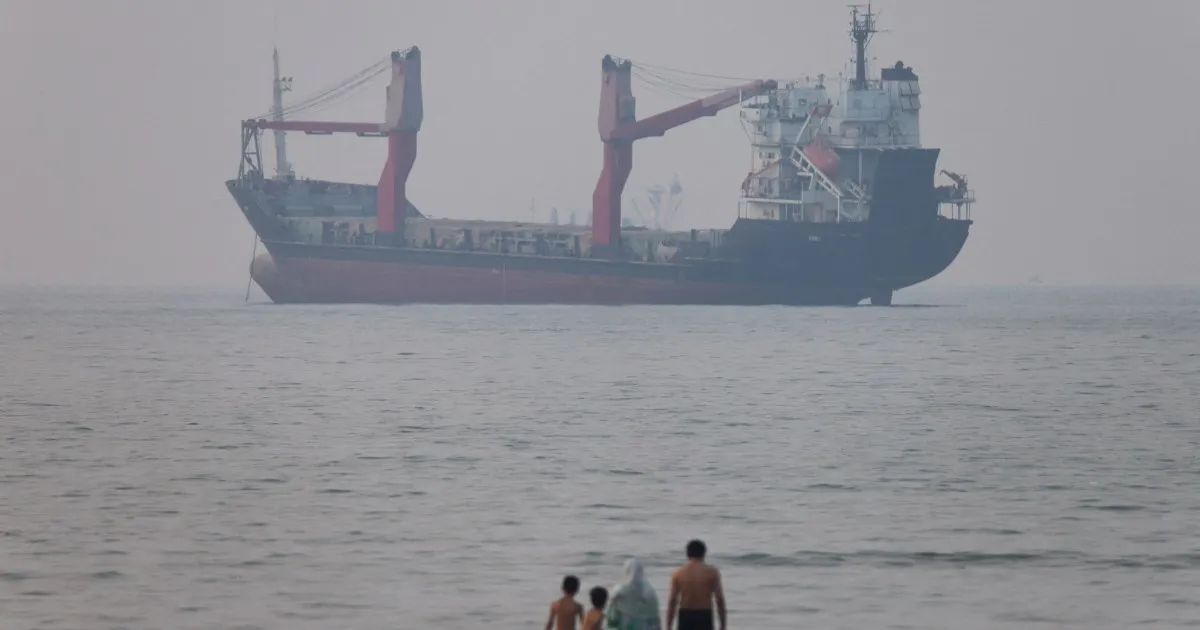
Iran Issues Warning to Vessels in Strait of Hormuz Over Unsanctioned Routes
 economy
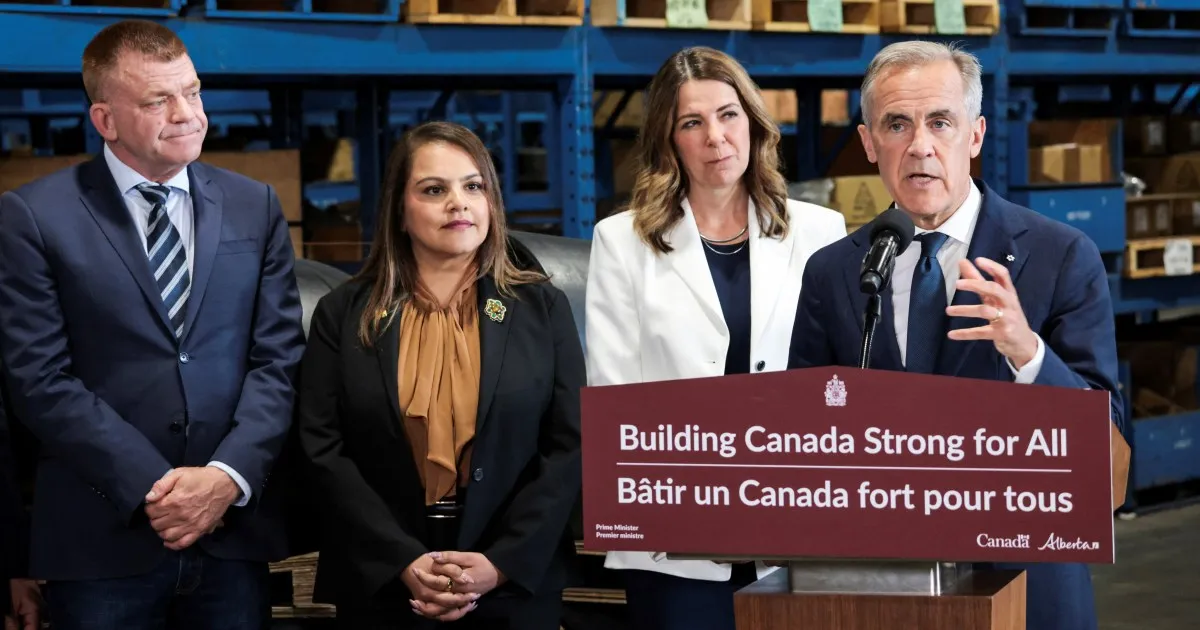
Canada Forges New Oil Export Route, Aiming to Diversify Beyond US Market
 economy
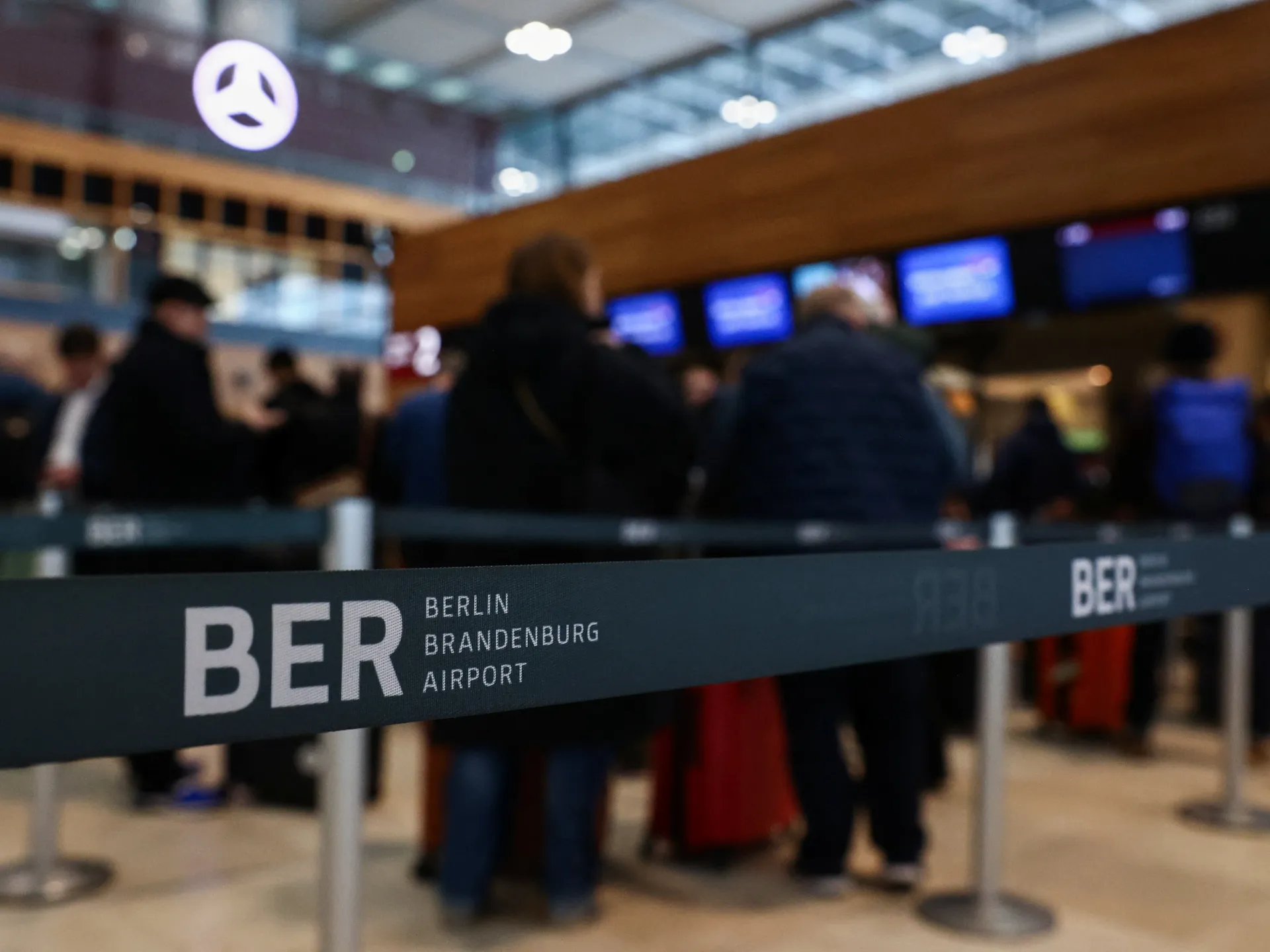
EU's Digital Border System Faces Scrutiny Amidst Pre-Summer Travel Disruptions
 economy