
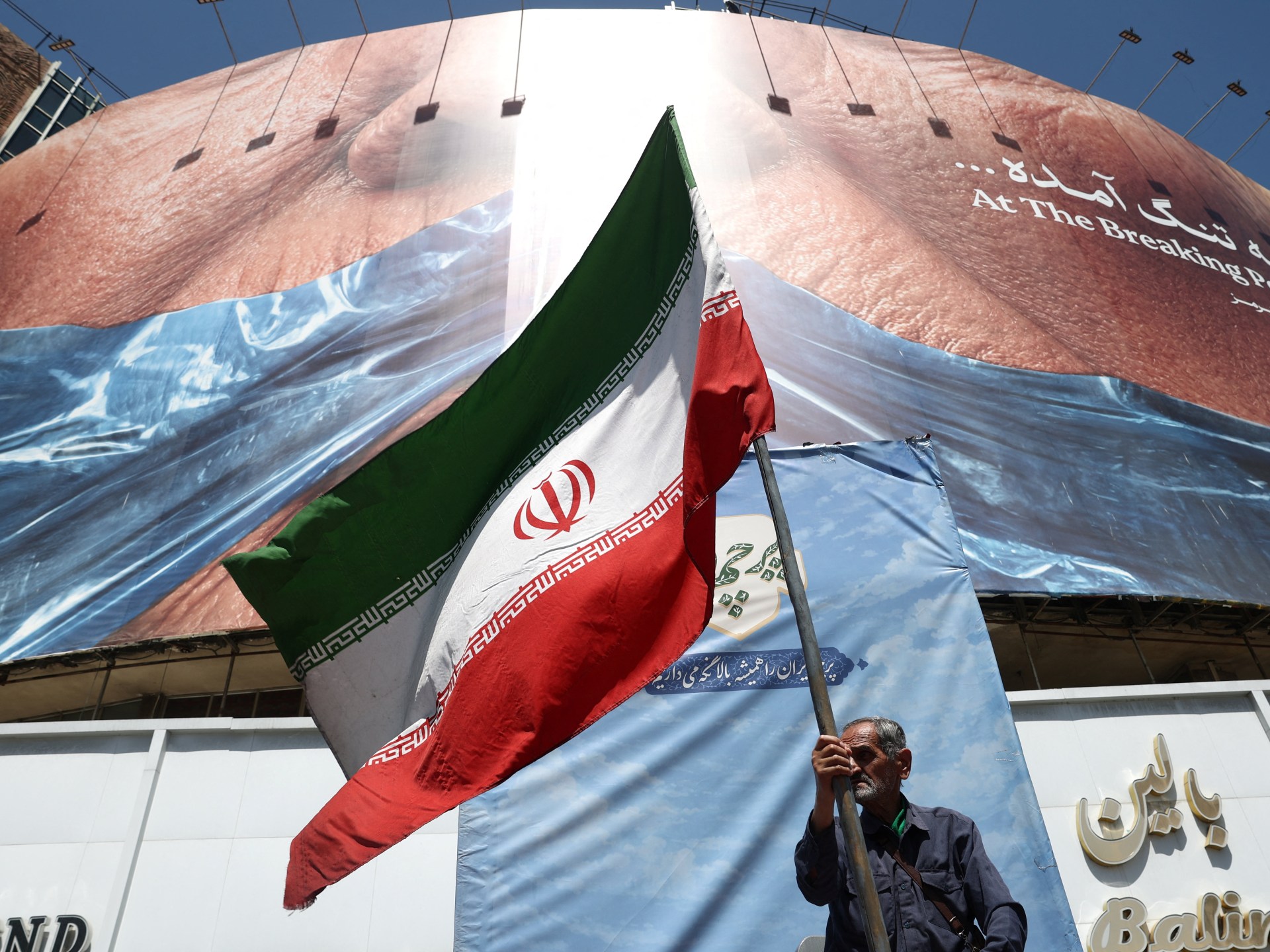
The First 100 Days: A Conflict's Far-Reaching Consequences
As the conflict involving the US, Israel, and Iran marked its 100th day, the initial expectation of a swift resolution, as expressed by US President Donald Trump, proved unfounded. Despite a ceasefire agreement in early April, the Strait of Hormuz remains largely inaccessible, sporadic hostilities persist, and diplomatic efforts have repeatedly faltered. This period has seen significant human suffering, widespread displacement, and profound economic upheaval across the globe.
Humanitarian Toll and Displacement
The human cost of the conflict has been substantial, with preliminary figures indicating at least 7,000 fatalities. Lebanon has tragically borne a higher number of casualties than Iran, the primary target of the war, with 3,593 deaths confirmed in Lebanon compared to 3,468 in Iran. Additionally, 29 individuals have been killed in Gulf states, alongside 26 Israelis and 13 US soldiers.
Israel's military operations in southern Lebanon have led to the displacement of over one million Lebanese citizens. Prime Minister Nawaf Salam characterized these actions as a 'scorched-earth policy and collective punishment,' resulting in widespread destruction of towns and villages. By early June, Israeli forces had advanced to the outskirts of Nabatieh, capturing Beaufort Castle, marking their deepest incursion into Lebanon in over two decades. Currently, Israel occupies nearly a fifth of Lebanon's territory, approximately 2,000 square kilometers (770 square miles), far exceeding its stated objective of removing Hezbollah fighters south of the Litani River. Similarly, in the initial two weeks of the war, more than three million Iranians were displaced due to US-Israeli attacks on infrastructure and civilian areas.
Global Economic Repercussions
The closure of the Strait of Hormuz, a vital maritime choke point through which one-fifth of global oil and gas previously transited, has severely impacted international shipping. Prior to the conflict, approximately 100 ships traversed the strait daily; this number has plummeted to an average of seven per day between late February and late May. This disruption, coupled with a US naval blockade on Iranian ports, has led to longer shipping routes, reduced vessel availability, and escalated freight rates.
Energy markets have experienced an unprecedented shock, with oil prices nearly doubling in three months. Brent crude, the international benchmark, surged from approximately $70 per barrel before the war to nearly $120, stabilizing around $100. This volatility was notably influenced by President Trump's social media posts, which frequently triggered significant swings in oil futures.
The price increases have had a direct impact on consumers worldwide. At least 146 countries have reported higher petrol prices since late February. Asian nations, heavily reliant on Gulf oil, have faced the steepest increases, with Myanmar experiencing over a 90 percent rise in petrol prices during the first three months. In Africa, Nigerians are paying over 50 percent more for petrol, while some Latin American countries, such as Peru, have seen increases of 40 percent. Beyond fuel, the rising costs of oil and gas, essential raw materials for numerous everyday products and agricultural fertilizers, have driven up food prices globally, affecting every stage of the food supply chain.
“It’s still too early to determine the full impact of the war,” Hadi Kahalzadeh, non-resident fellow at Quincy Institute for Responsible Statecraft, told Al Jazeera. “We know that it has contracted the global GDP, raised inflation, and raised concerns about slower growth, higher inflation, and the risk of a new economic downturn [as reflected in estimates from the IMF, World Bank, and OECD]. Higher energy, fertiliser, and key metal prices increased industrial and agricultural input costs, negatively affecting growth and inflation. But the complete effects on global supply chains remain unknown.”
Global Market Instability
Global equity markets initially reacted sharply, with the S&P 500 dropping 9.1 percent by late March as investors grappled with the energy shock and the risk of a broader regional conflict. Market movements have since been influenced by diplomatic signals and even President Trump’s social media activity, leading to allegations of market manipulation, which remain unproven.
European indices, including the FTSE 100, Euro Stoxx 600, and German DAX, suffered significant declines in early March due to their economies' reliance on energy-intensive industries. Asian markets, particularly the Nikkei, experienced some of their deepest single-day losses at the onset of the war. Despite the conflict, the Nasdaq Composite and S&P 500 have reached record highs this year, largely driven by a robust 'AI semis boom,' showcasing a complex interplay between geopolitical events and technological advancements.
Diplomatic Stalemate
The conflict has seen negotiations repeatedly interrupted by renewed hostilities. A two-week ceasefire, brokered by Pakistan and intended to pause fighting and facilitate diplomatic talks while reopening the Strait of Hormuz, took effect on April 8. However, within hours, Israel launched over 100 air strikes across Lebanon, killing more than 250 people.
Subsequent talks in Islamabad on April 11-12 ultimately collapsed over the nuclear question. President Trump stated that while 'most points were agreed to, but the only point that mattered, nuclear, was not.' Iran rejected the US position, offering a counter-proposal that Trump dismissed as 'garbage,' warning that the ceasefire was on 'life support.' The US then announced a naval blockade on Iranian shipping.
Omar Rahman, a fellow at the Middle East Council on Global Affairs, highlighted the challenges in reaching a detailed agreement, citing President Trump's reliance on 'non-professionals' for major negotiations. Rahman also noted a significant lack of trust from the Iranian side, stating, 'They don’t trust the United States, they don’t trust Trump to comply with any agreement that he signs in the future.'
President Trump's approval rating has seen a notable decline since the US-Israeli strikes on Iran, standing at 40.3 percent with 57 percent disapproval, indicating a net difference of 16.7 points.
Source: Al Jazeera
Related Articles
 world
world
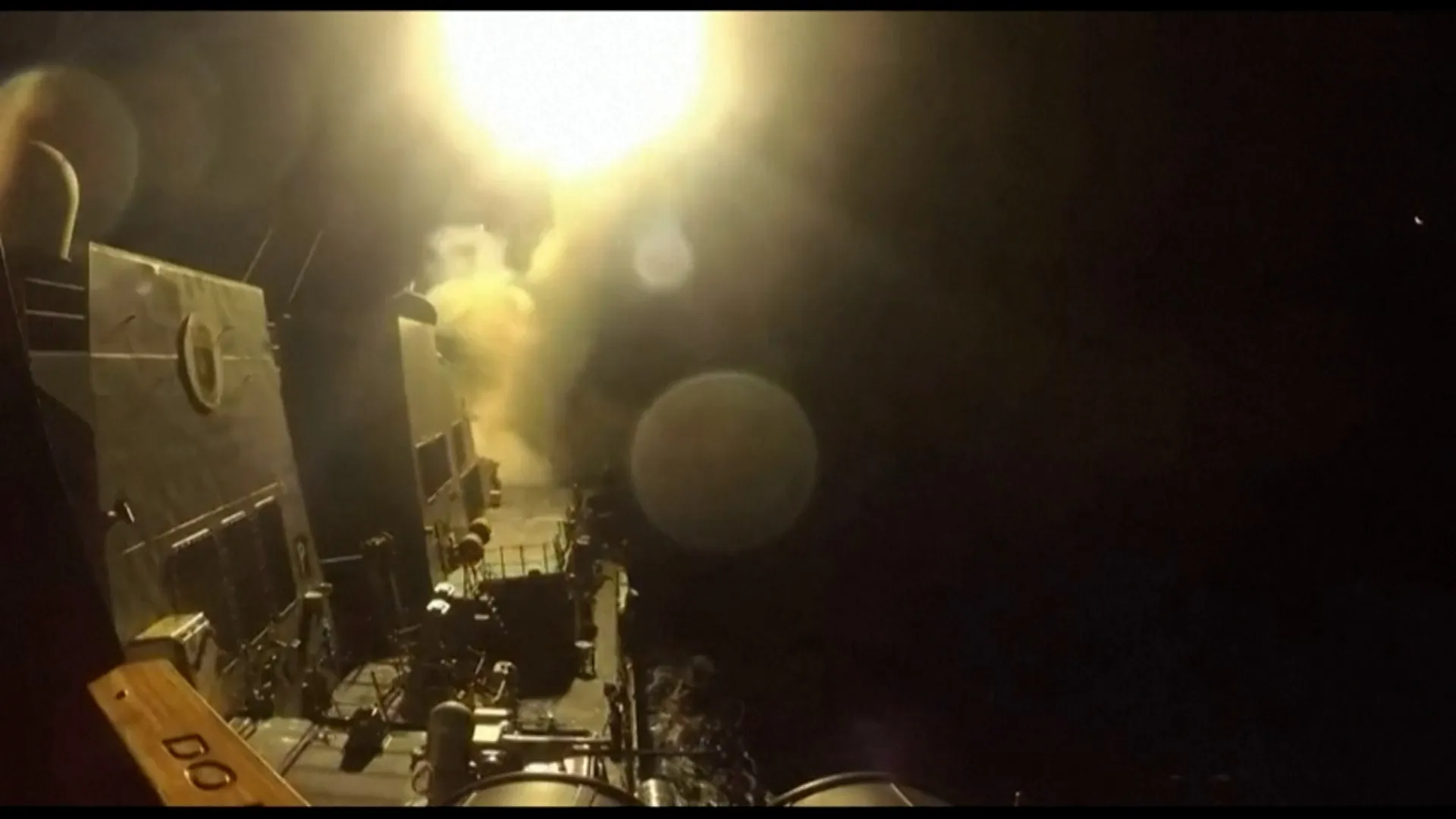
US Central Command Publishes Footage of Strikes Against Iranian Targets
 world
world
Allegations of Sexual Violence Surface in Israeli Detention Facilities
 world
world
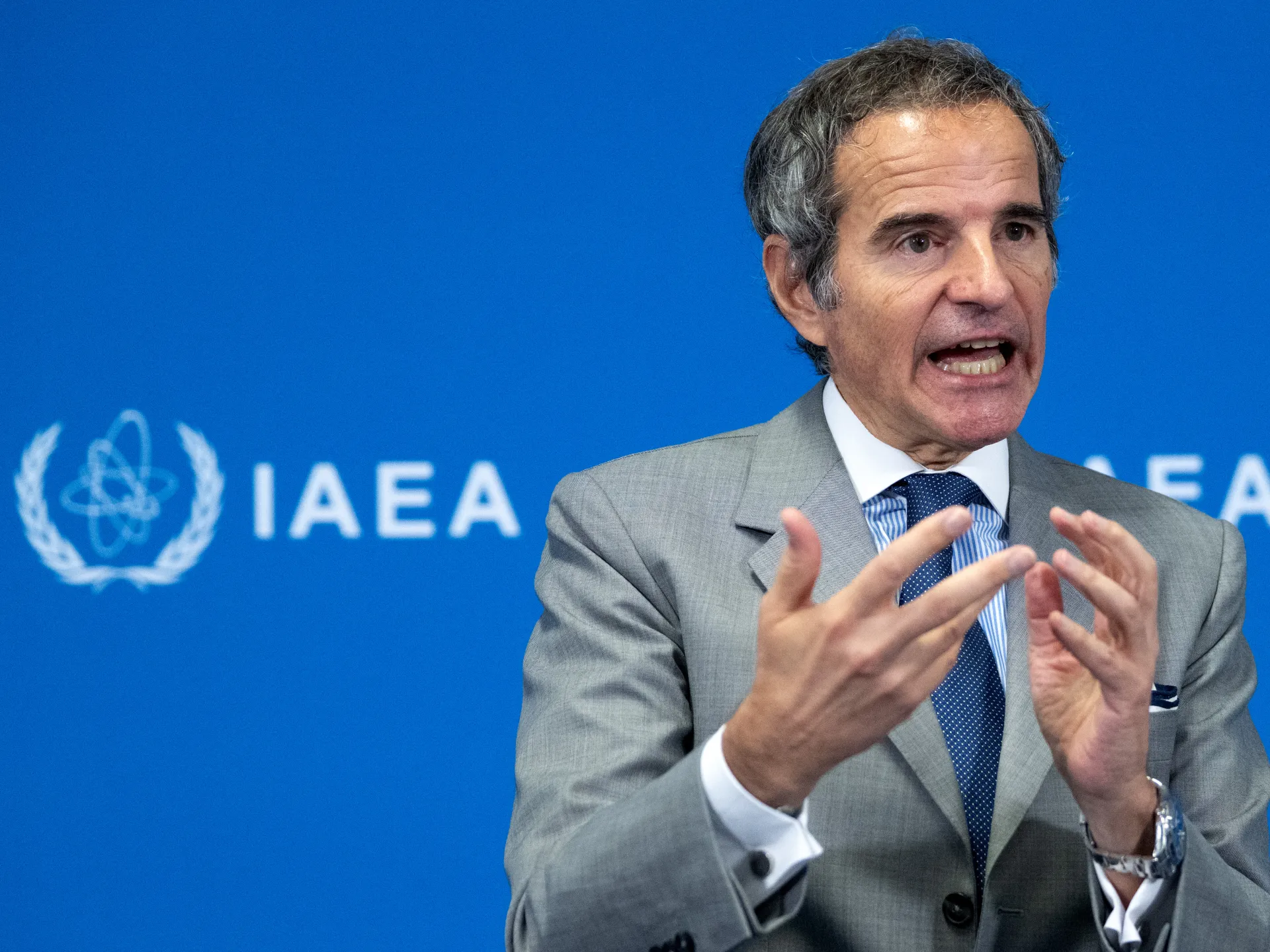
UN Watchdog Demands Iran Account for Enriched Uranium Stockpiles Amid Regional Tensions
 world
world