
The Stalled North American Trade Dialogue
The absence of substantive trilateral trade negotiations among the United States, Mexico, and Canada is drawing increasing scrutiny from international observers. Experts suggest that the delay in forging a robust, updated trade agreement among these three North American partners could have far-reaching implications, not only for their collective economic prosperity but also for their standing on the global stage. This situation is particularly pertinent given the current geopolitical climate, where major economic blocs are vying for influence and strategic advantage.
Economic Interdependence and Regional Stability
The economic relationship between the U.S., Mexico, and Canada is characterized by deep integration, with complex supply chains and substantial cross-border investment. The North American Free Trade Agreement (NAFTA), and its successor, the United States-Mexico-Canada Agreement (USMCA), were designed to foster this interdependence, creating one of the world's largest free trade areas. However, the ongoing challenges in fully implementing and evolving these agreements, particularly concerning their strategic direction, raise questions about the long-term stability and competitiveness of the region.
Analysts point out that robust trade frameworks are essential for maintaining predictable business environments, encouraging foreign direct investment, and supporting job growth across all three nations. Any perception of instability or uncertainty in these trade relations can lead to businesses reconsidering investment plans, potentially diverting capital and job creation to other regions with more stable and clearly defined trade policies. This is especially critical in sectors such as automotive manufacturing, agriculture, and technology, which rely heavily on integrated North American supply chains.
Geopolitical Implications and Global Competition
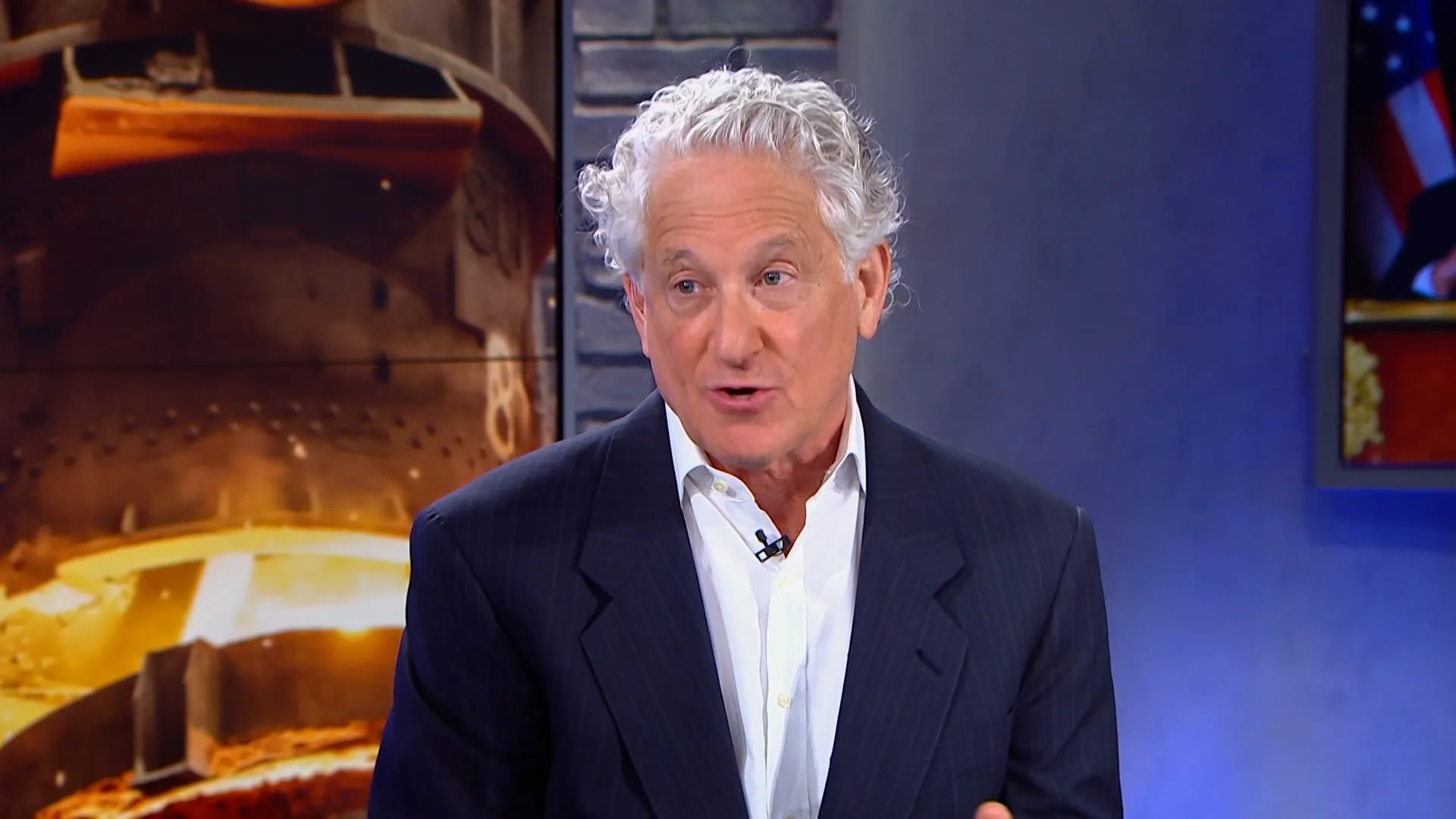
Beyond the immediate economic impact, the stalled trade talks carry significant geopolitical weight. A former lead U.S. international trade negotiator, Harry Broadman, has articulated concerns that a prolonged impasse could be perceived as a weakness by other global economic powers. Specifically, Broadman suggested that such a scenario might be viewed favorably by nations like China, which could interpret internal disagreements within the North American bloc as an opportunity to enhance its own global economic and political leverage.
"The longer it takes [for the U.S.] to get a trade deal with its neighbors, the weaker it looks to China," Broadman reportedly stated, highlighting the strategic dimension of intra-regional trade relations.
This perspective underscores the idea that strong, unified regional trade blocs are not merely economic constructs but also vital components of a nation's foreign policy and global power projection. When a major economic power like the United States appears to struggle with trade agreements even with its closest neighbors, it can inadvertently project an image of internal disunity or policy paralysis. This could potentially embolden rival nations to pursue their own aggressive trade agendas or seek to establish alternative alliances that challenge existing global economic structures.
The Imperative for Trilateral Engagement
The consensus among trade experts is that regular and constructive trilateral discussions are indispensable. These talks are not just about resolving specific trade disputes but also about proactively addressing emerging economic challenges, coordinating responses to global economic shifts, and collectively asserting North America's economic interests on the world stage. Without such ongoing dialogue, the framework of the USMCA, while robust in its design, risks becoming less effective in adapting to new realities.
Topics requiring continuous discussion include digital trade, labor standards, environmental protections, and intellectual property rights – all areas that are constantly evolving and require updated provisions to ensure fair and competitive trade. Furthermore, the ability of the three nations to present a united front on issues such as global supply chain resilience and strategic industries becomes compromised when their internal trade relations are perceived as contentious or unresolved.
Looking Forward: Paths to Resolution
To mitigate the risks identified by experts, a renewed commitment to high-level trilateral engagement appears necessary. This would involve not only ministerial-level meetings but also ongoing technical discussions aimed at identifying common ground and ironing out differences. The objective would be to move beyond transactional negotiations to a more strategic partnership that can collectively address the complex challenges of the 21st-century global economy.
Ultimately, the strength of the North American trade relationship is a crucial determinant of regional prosperity and global influence. Any perceived faltering in this relationship could have unintended consequences, creating openings for other global powers to expand their reach and potentially reshape the international economic order. The impetus is therefore on the U.S., Mexico, and Canada to prioritize and expedite their trade dialogue, ensuring that their collective economic future remains robust and resilient.
Source: Al Jazeera
Related Articles
 economy
Japan's Pet Care Industry Flourishes Amidst Declining Birthrate
 economy
Geopolitical Tensions Elevate Oil Prices Amidst Strait of Hormuz Standoff
 economy
The Economic Transformation of Qatar Under Sheikh Hamad bin Khalifa Al Thani
 economy