
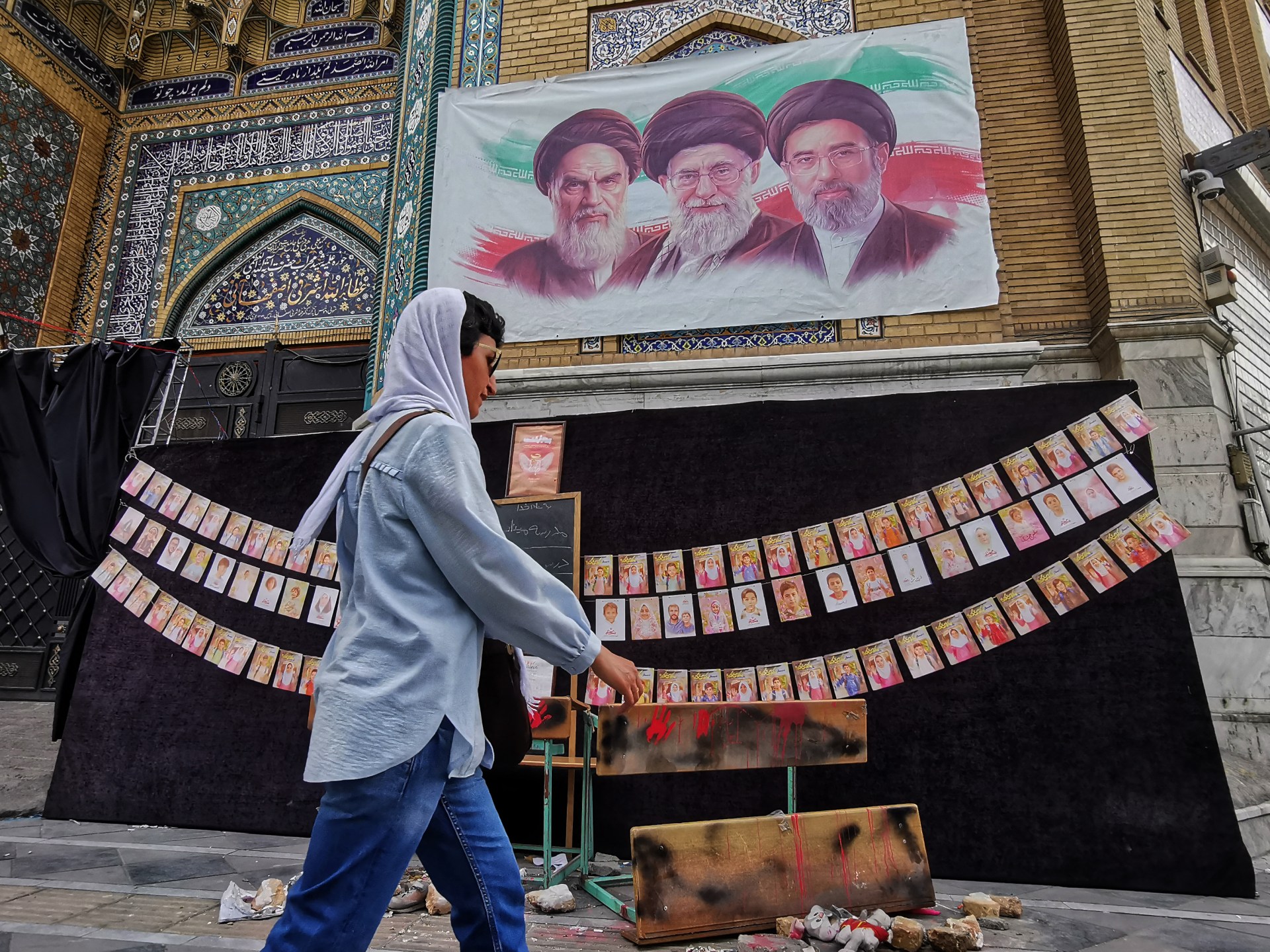
Internal Dynamics of Iranian Policy Towards the US
The prospect of a renewed agreement between Iran and the United States often brings to light the complex and multifaceted nature of Iranian political thought. While a foundational principle across the Iranian establishment is a steadfast rejection of what is perceived as 'capitulation' to external pressures, particularly from Washington, a closer examination reveals a spectrum of opinions and strategic approaches among different influential factions within the leadership.
The Principle of Resistance and National Sovereignty
At the core of Iran's foreign policy, especially concerning its interactions with the United States, is a deeply ingrained commitment to national sovereignty and the principle of 'resistance.' This doctrine, which gained prominence following the 1979 revolution, emphasizes self-reliance and the safeguarding of national interests against perceived foreign dominance. Consequently, any agreement with the US, particularly one that might be interpreted as compromising Iran's strategic autonomy or internal affairs, faces significant scrutiny and potential opposition from various quarters.
For many within the conservative and hardline elements of the Iranian political system, the historical context of US-Iran relations, marked by periods of intervention and sanctions, reinforces the imperative to approach any deal with extreme caution. From this perspective, a strong stance is not merely a negotiating tactic but a fundamental aspect of national identity and revolutionary ideals. They often argue that concessions only embolden adversaries, leading to further demands rather than genuine resolution.
Diverse Interpretations of 'National Interest'
Despite the overarching consensus against 'capitulation,' the interpretation of what constitutes Iran's 'national interest' in the context of a deal with the US can vary. Some factions, often associated with more pragmatic or reformist viewpoints, might prioritize economic stability and relief from international sanctions. They could argue that a carefully crafted agreement, even if it involves certain compromises, could unlock significant economic benefits, improve living standards, and reduce domestic pressures. For these groups, the long-term prosperity and stability of the nation might necessitate a more flexible approach to international diplomacy.
Conversely, other groups might place a higher value on maintaining strategic capabilities, regional influence, or ideological purity. For them, any deal that might impinge on these aspects, even if it offers economic advantages, could be seen as an unacceptable trade-off. They might contend that the economic challenges, while significant, are manageable and that preserving Iran's strategic depth and ideological integrity is paramount.
The Role of Supreme Leader and Key Institutions
The final arbiter in all major strategic decisions in Iran, including those pertaining to a deal with the US, is the Supreme Leader. His pronouncements and directives shape the broad contours of the nation's foreign policy. However, the Supreme Leader's office also engages with advice and perspectives from various influential bodies, such as the Guardian Council, the Expediency Discernment Council, and the Islamic Revolutionary Guard Corps (IRGC). These institutions represent different ideological currents and power centers, and their input can subtly influence the ultimate direction of policy.
For instance, while the Supreme Leader consistently champions the principle of resistance, his statements sometimes leave room for diplomatic engagement, provided it serves Iran's core interests and does not undermine its sovereignty. The challenge for negotiators, both Iranian and American, lies in identifying the precise boundaries within which a mutually acceptable agreement can be forged, respecting the diverse sensitivities and priorities within the Iranian leadership.
Public Opinion and Domestic Pressures
Beyond the formal leadership, public opinion and domestic pressures also play a role, albeit an indirect one. Economic hardship, for example, can create an environment where a deal that promises relief is viewed more favorably by segments of the population. However, a perception of weakness or betrayal of national principles could also trigger public resentment, making it difficult for leaders to endorse an agreement that lacks broad internal support.
In conclusion, while the Iranian leadership presents a united front against any form of 'capitulation,' the internal discussions surrounding a potential deal with the US are characterized by a sophisticated interplay of ideological commitments, strategic calculations, and varying interpretations of national interest. Understanding these subtle differences is crucial for comprehending Iran's negotiating posture and the prospects for a lasting agreement.
Source: Al Jazeera
Related Articles
 world
world
Escalating Tensions: Assessing the Impact of Recent Ceasefire Efforts in Lebanon
 world
world
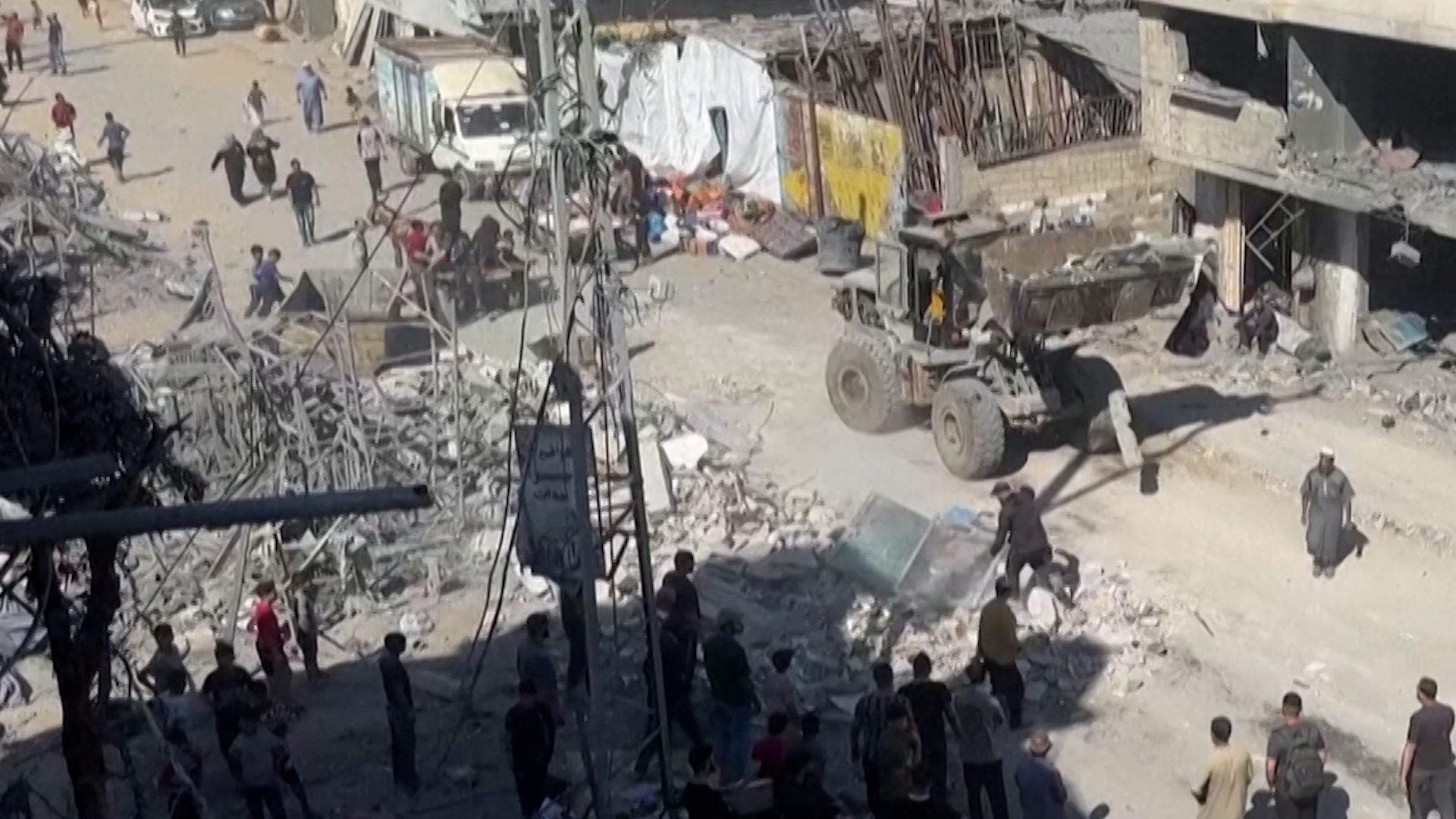
Gaza Residents Begin Cleanup Following Overnight Israeli Strikes
 world
world
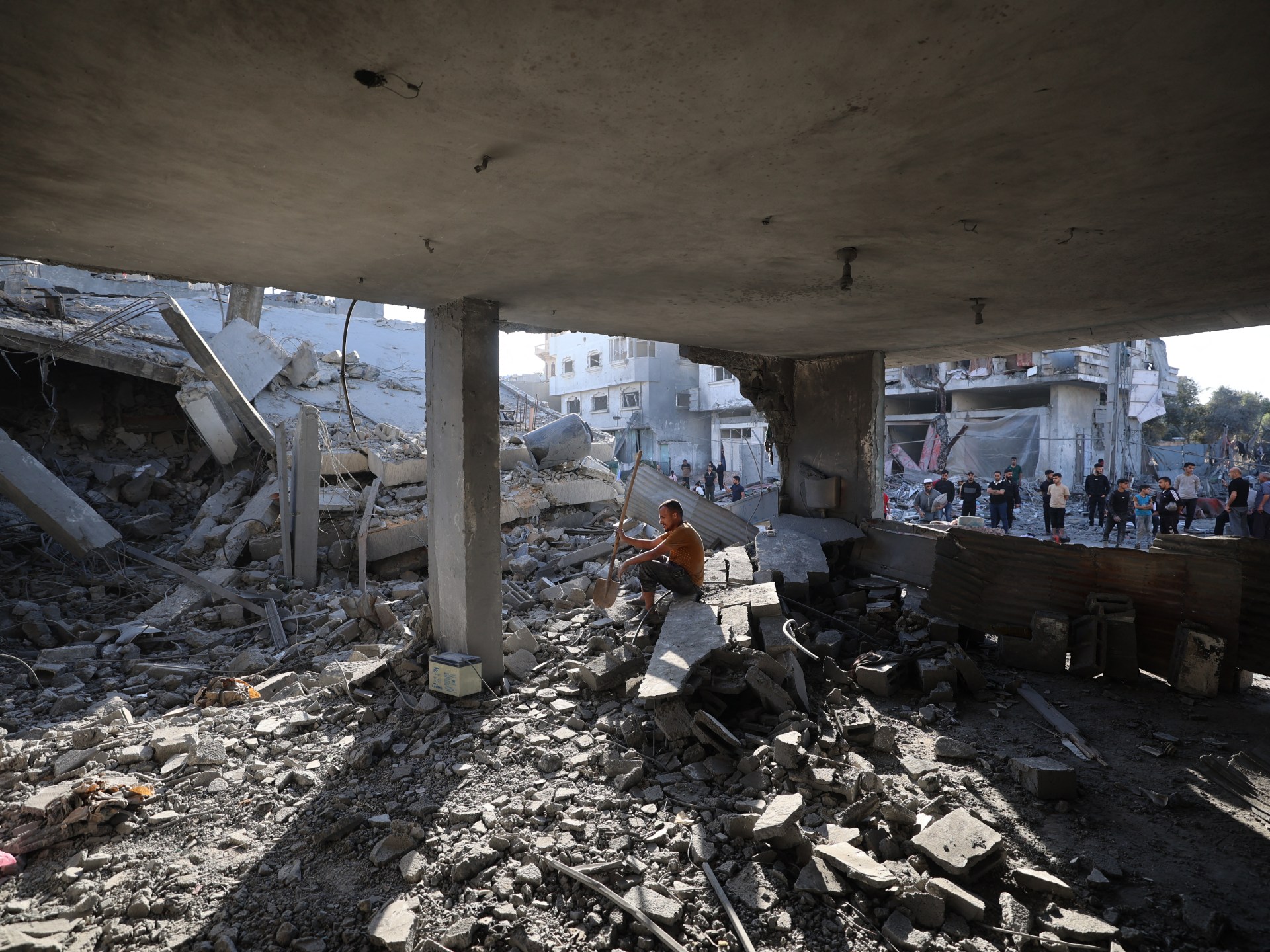
France Initiates Investigation into Allegations of Mistreatment of Gaza Aid Flotilla Activists
 world
world