
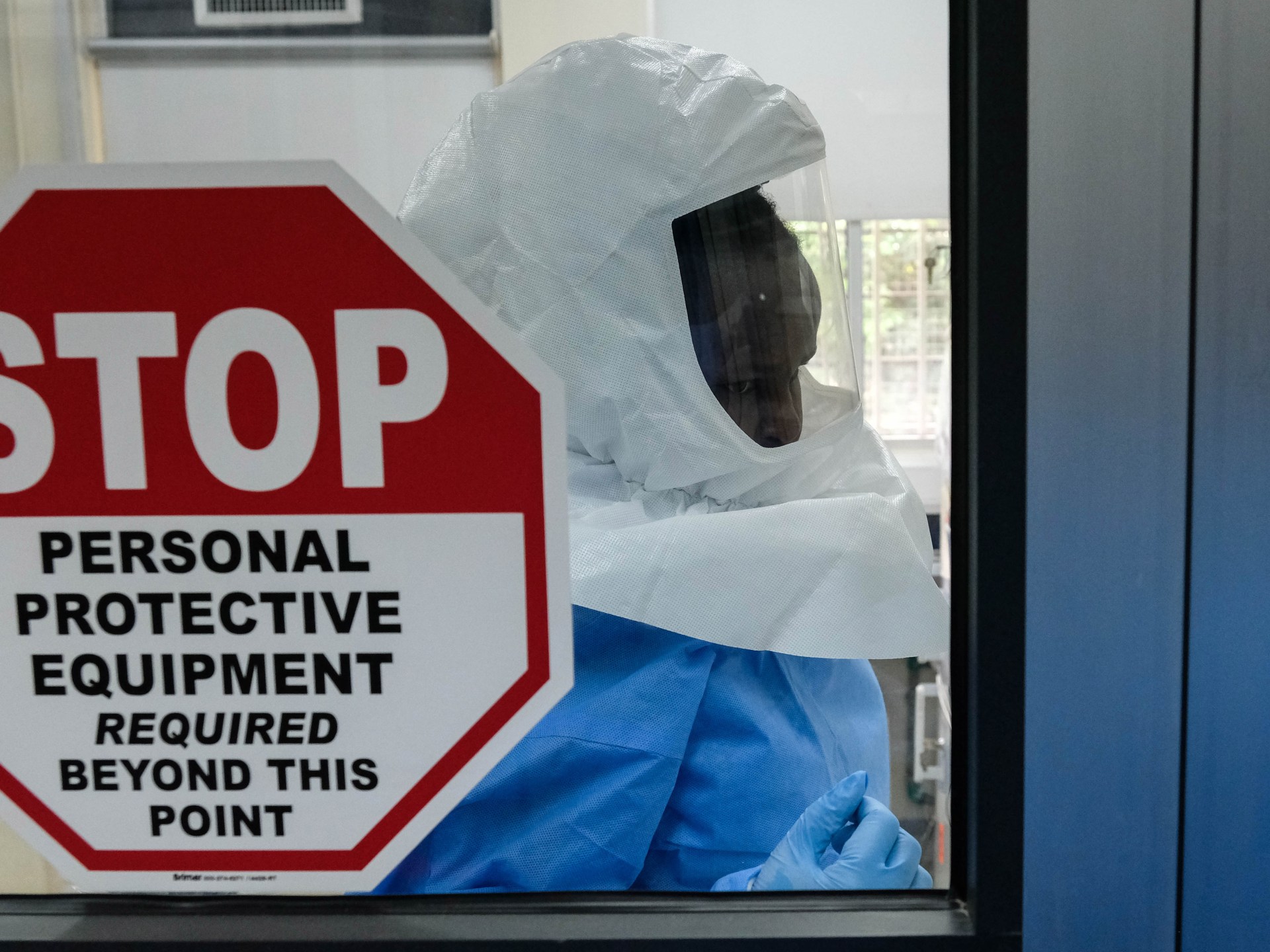
Global Response to Emerging Health Threat
The global community is currently observing a cautious but varied response to an outbreak of a rare Ebola strain. As health organizations work to understand and contain the virus in affected regions, nations worldwide are implementing a range of travel restrictions and public health measures designed to safeguard their populations from potential transmission. These measures reflect a spectrum of approaches, from stringent entry prohibitions for individuals arriving from specific areas to heightened surveillance and health checks at points of entry.
Diverse Travel Policies Emerge
The strategies adopted by different countries highlight the complexities involved in balancing public health protection with international travel and commerce. Some nations have opted for a more aggressive stance, imposing outright bans on travelers who have recently visited countries experiencing the Ebola outbreak. This approach aims to create a protective barrier, minimizing the risk of an infected individual entering their borders.
Conversely, other countries have chosen to implement more targeted measures, focusing on enhanced screening procedures. These often include:
- Thermal Scanners: Used at airports and other entry points to detect fevers, a common symptom of Ebola.
- Health Declarations: Requiring travelers to complete forms detailing their recent travel history and potential exposure to the virus.
- Medical Interviews: Conducting brief interviews with arriving passengers, particularly those from affected regions, to assess their health status and risk factors.
- Isolation Protocols: Establishing facilities for the temporary isolation and monitoring of individuals who present with symptoms or are deemed high-risk.
These varied responses underscore the ongoing debate among public health experts regarding the most effective and least disruptive methods for controlling the international spread of infectious diseases. While travel bans can be effective in preventing entry, they can also have significant economic and social consequences, and their long-term efficacy is often debated.
The Rationale Behind the Measures
The primary objective behind all these restrictions is to prevent the importation of the Ebola virus, thereby avoiding a potential secondary outbreak within an unaffected country. Ebola, known for its high fatality rate and the severity of its symptoms, poses a significant public health challenge. The emergence of a rare strain further complicates the situation, as health authorities may need time to develop specific diagnostic tools and treatment protocols.
“The proactive implementation of health security measures at borders is a critical component of any comprehensive strategy to manage an emerging infectious disease threat. The balance lies in being vigilant without unduly disrupting global connectivity.”
The decision to implement a particular type of restriction often depends on several factors, including a country's healthcare infrastructure, its geographical proximity to the outbreak, its economic reliance on international travel, and its assessment of the immediate threat level. Countries with robust public health systems might opt for screening, confident in their ability to detect and manage isolated cases, while those with more limited resources might lean towards more restrictive bans.
Ongoing Monitoring and Adaptation
It is expected that these travel restrictions and screening protocols will be subject to continuous review and adaptation as the situation evolves. International health organizations, such as the World Health Organization (WHO), play a crucial role in providing guidance and coordinating global responses. Their recommendations often influence national policies, aiming for a harmonized and effective international strategy to contain public health emergencies.
As the understanding of this rare Ebola strain deepens and the outbreak progresses, countries may adjust their measures, potentially easing restrictions if the threat diminishes or intensifying them if the situation deteriorates. The fluid nature of such health crises necessitates flexibility and a willingness to adapt policies based on the latest scientific information and epidemiological data.
Source: Al Jazeera
Related Articles
 health
Uganda Implements Border Closure with DRC to Combat Ebola Spread
 health
Malaria Cases Escalate in Zimbabwe Amid Aid Reductions and Climate Shifts
 health
Ebola Concerns Lead to Isolation and Economic Strain in DRC's Bunia
 health