
Humanitarian Crisis Deepens in Southern Lebanon
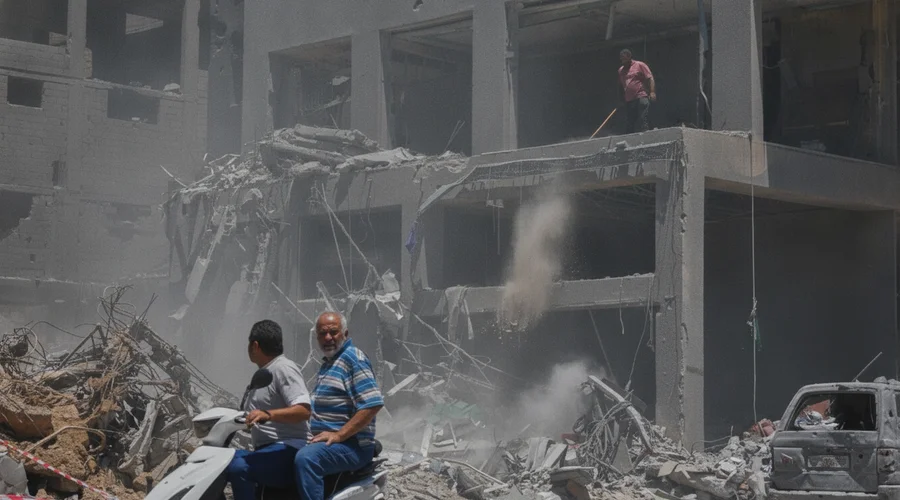
The humanitarian aid organization Doctors Without Borders (MSF) has issued a grave warning regarding the deteriorating conditions in the Nabatieh region of southern Lebanon. The area has experienced a significant escalation in Israeli military operations, leading MSF to describe the situation as akin to a 'death trap' for civilians and first responders alike.
Reports indicate that Israel intensified its attacks on Nabatieh and other areas of southern Lebanon starting Friday midnight. This escalation occurred prior to scheduled diplomatic discussions in Switzerland between the United States and Iran, aimed at brokering an interim peace agreement in the region.
Significant Casualties and Challenged Rescue Operations
According to Lebanese health officials, the renewed offensive has resulted in at least 50 fatalities, including one soldier. MSF has confirmed that its teams in Nabatieh are actively responding to a surge of individuals injured in these attacks. Among the casualties are paramedics who sustained injuries while attempting rescue missions.
A critical concern highlighted by MSF is the severe impediment to rescue operations. The organization stated that responders are largely unable to evacuate numerous individuals trapped under heavy shelling due to the high risk of coming under fire themselves. This inability to safely access affected areas is exacerbating the humanitarian crisis.
Pierre Boulet-Desbareau, MSF's emergency coordinator in Lebanon, provided a stark account of the injuries observed by medical teams. He stated, "People are arriving with severe head injuries, heavy bleeding, shrapnel injuries and in need of amputations." Describing the broader situation, he added, "The ongoing situation in Nabatiyeh is devastating. What our teams are describing resembles a death trap. People are caught under heavy shelling, while rescue teams are unable to safely reach them." Boulet-Desbareau emphasized the urgent need for protection for both civilians and first responders, along with unhindered access for rescue teams.
Military Context and Diplomatic Implications
The Israeli military acknowledged initiating strikes on multiple targets in southern Lebanon. These actions were reportedly in response to an attack by Hezbollah that resulted in the deaths of four Israeli soldiers. Despite an announcement by US President Donald Trump late on Friday, indicating an agreement for a ceasefire between Israel and Hezbollah, Israeli forces continued their operations in southern Lebanon into Saturday.
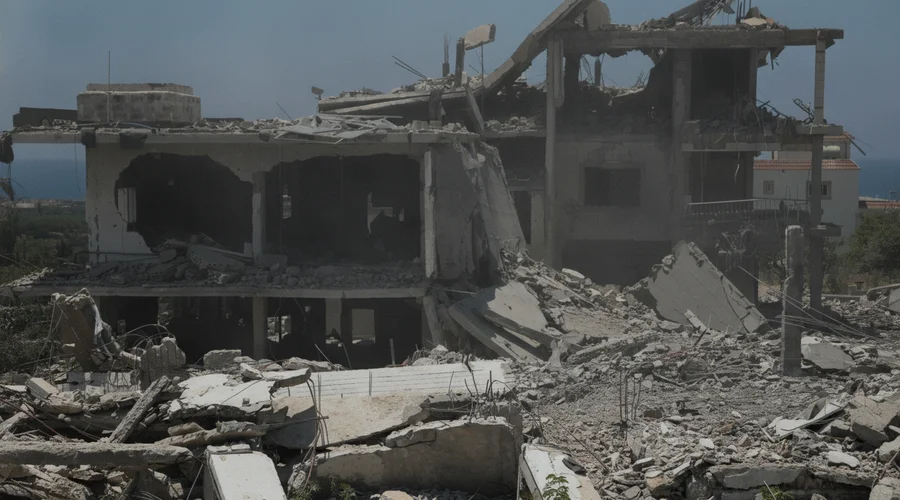
The Lebanese state-run National News Agency reported extensive damage in Nabatieh. It detailed that Israeli military aircraft and drones conducted a series of strikes throughout the night and into Saturday morning, resulting in the destruction of numerous residential buildings and homes across the area.
The ongoing military activities have also cast a shadow over diplomatic efforts. Tehran has maintained that any comprehensive peace settlement must include an end to the conflict on all fronts, including in Lebanon, involving both Israel and the United States. Reports suggest that Iran postponed sending its delegates to Switzerland for the face-to-face talks, which were also delayed, partly due to the intensified Israeli attacks in the region. This indicates the interconnectedness of the various regional conflicts and the challenges in achieving a broad de-escalation without addressing all contributing factors.
The situation in Nabatieh underscores the severe impact of ongoing hostilities on civilian populations and the critical need for humanitarian access and protection in conflict zones. The calls from MSF highlight the urgent requirement for all parties to respect international humanitarian law and ensure the safety of those caught in the crossfire and the personnel attempting to provide aid.
Source: Original Article
Related Articles
 world
world
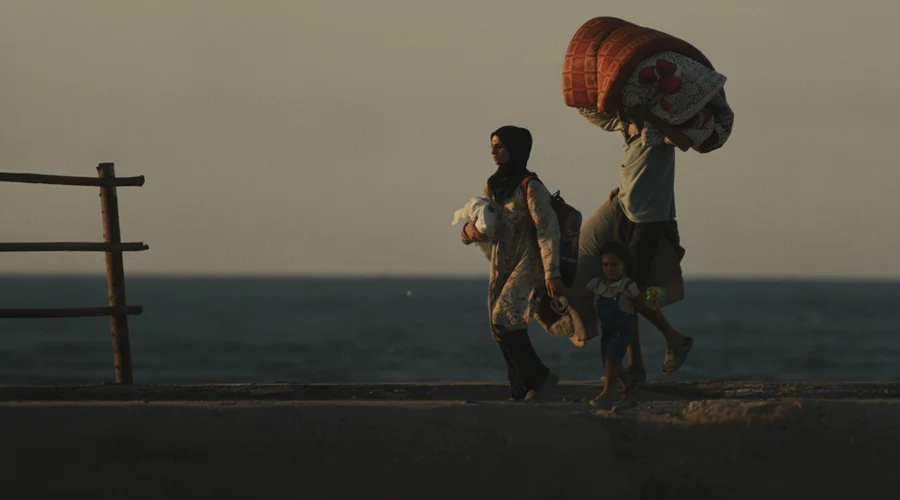
Global Displacement Sees First Decline in a Decade: What Led to Millions Returning Home?
 world
world
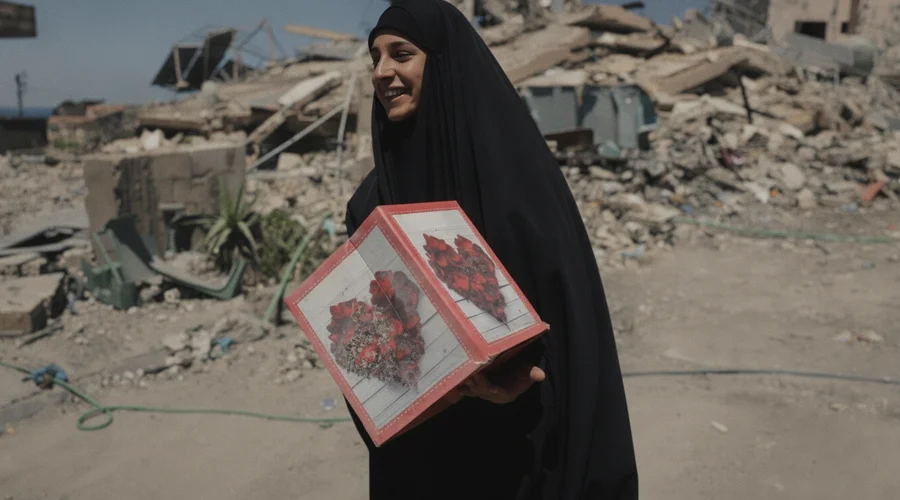
Iran Urges US to Ensure Israeli Compliance with Lebanon Ceasefire Amid Regional Tensions
 world
world
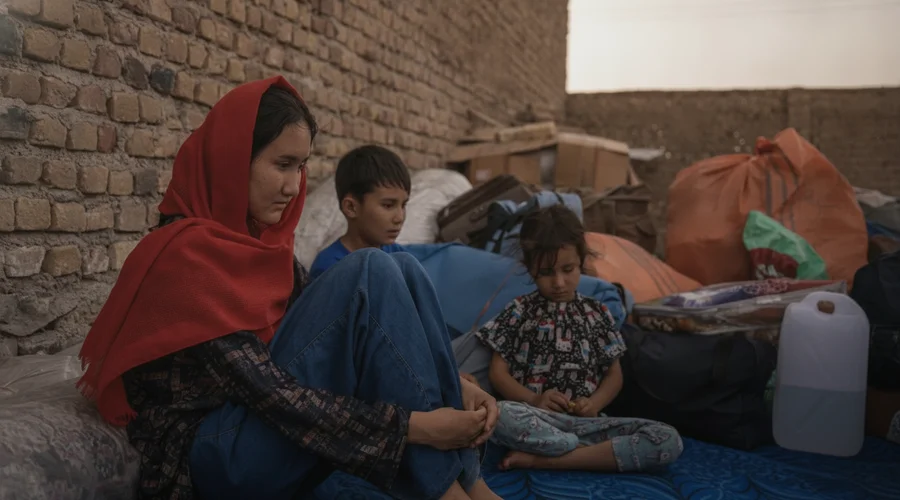
The Long Road Home: Examining the Surge in Refugee Returns Amidst Lingering Challenges
 world
world