
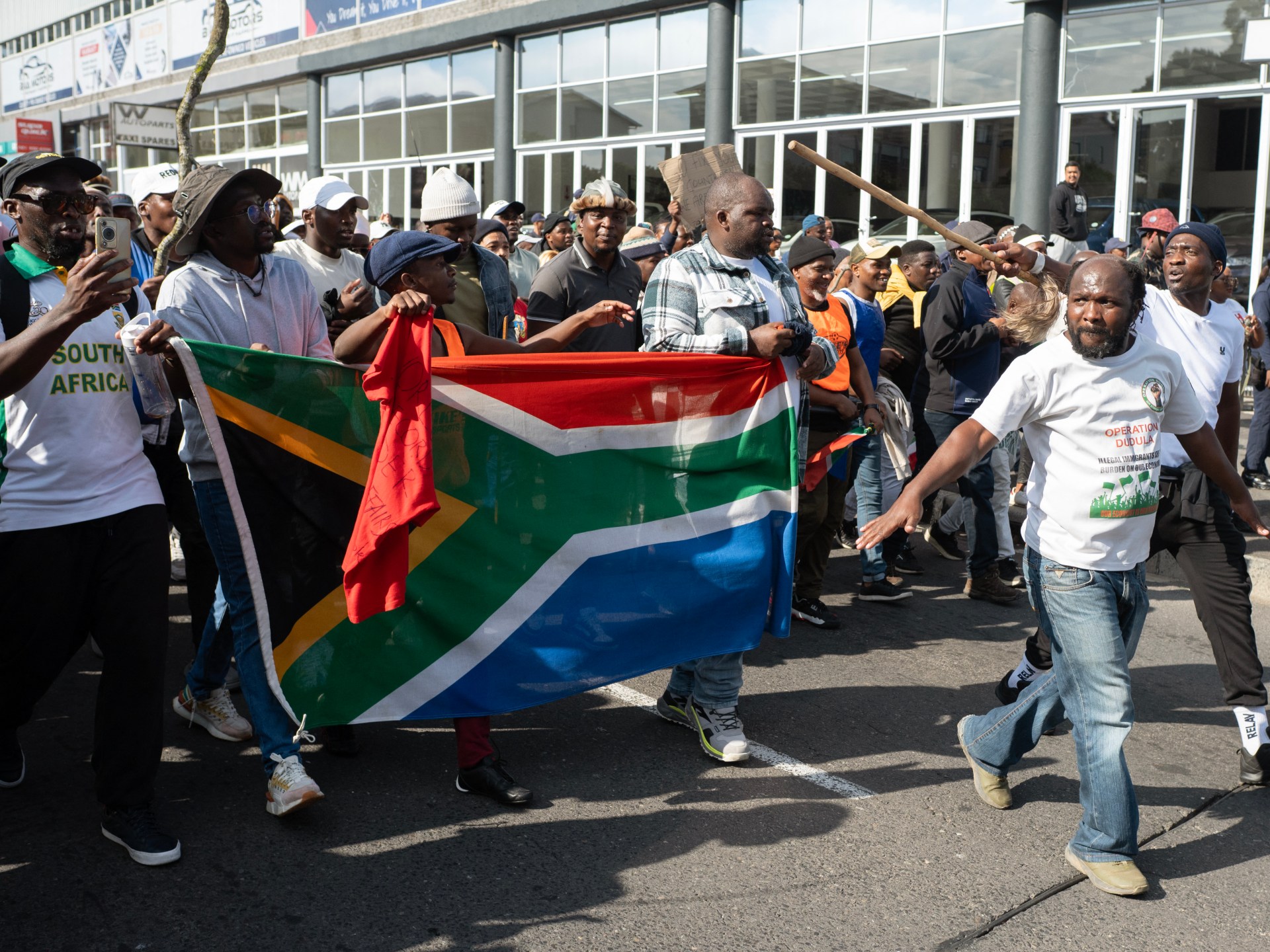
Mozambique Addresses Citizen Fatalities in South Africa
The Mozambican government has officially confirmed the deaths of five of its nationals in South Africa, attributing these fatalities to what it describes as 'xenophobic attacks.' This revelation comes amidst a period of heightened social unrest and violence in various parts of South Africa, which has disproportionately affected foreign nationals.
Impact on Mozambican Community
The escalating tensions and the confirmed deaths have had a significant impact on the Mozambican community residing in South Africa. In response to the precarious situation, approximately 300 Mozambican citizens opted to return to their home country over the recent weekend. This voluntary repatriation underscores the fear and insecurity felt by many foreign residents.
"We are deeply concerned by the reports of violence targeting foreign nationals in South Africa, and we have confirmed the tragic loss of five Mozambican lives due to what appear to be xenophobic incidents. Our priority is to ensure the safety of our citizens and facilitate the return of those who wish to come home."
Mozambique's diplomatic efforts are reportedly underway to engage with South African authorities regarding these incidents. The objective is to secure assurances for the protection of Mozambican citizens who remain in South Africa and to seek justice for the victims and their families.
Historical Context of Xenophobia in South Africa
South Africa has a documented history of xenophobic violence, where foreign nationals, particularly those from other African countries, have been targeted. These outbreaks are often fueled by socio-economic challenges such as high unemployment rates, poverty, and competition for resources, leading to resentment among some segments of the local population. While the South African government has condemned such acts in the past and committed to addressing them, sporadic incidents continue to occur, posing a challenge to regional stability and human rights.
The current wave of violence, which has seen property destruction and displacement, highlights the ongoing need for robust government intervention and community-level initiatives to foster social cohesion and combat discrimination. International bodies and neighboring countries have frequently called on South Africa to protect all residents, regardless of their nationality.
Regional Implications and Future Steps
The situation in South Africa has broader regional implications, as many Southern African Development Community (SADC) countries have significant populations living and working in South Africa. The safety and well-being of these foreign nationals are crucial for regional relations and economic stability. Mozambique's announcement is likely to prompt further discussions within SADC on how to collectively address the root causes of xenophobia and ensure the protection of all citizens within the region.
Efforts will likely focus on diplomatic engagement, humanitarian assistance for those affected, and long-term strategies to promote understanding and integration between different communities. The incident serves as a stark reminder of the challenges faced by migrant populations and the importance of upholding human dignity and rights for everyone.
Source: Al Jazeera
Related Articles
 world
world
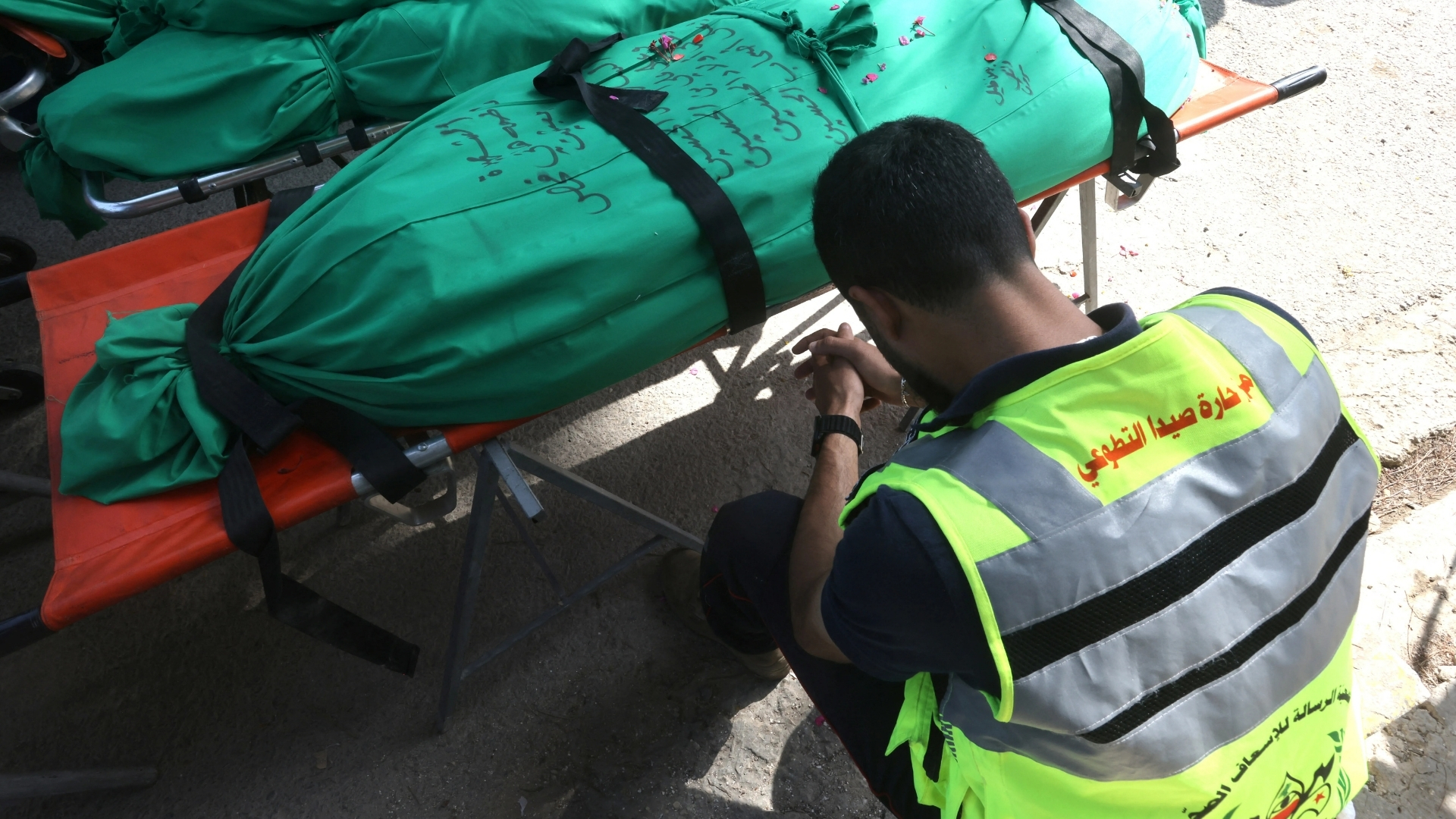
Escalating Tensions: Assessing the Impact of Recent Ceasefire Efforts in Lebanon
 world
world
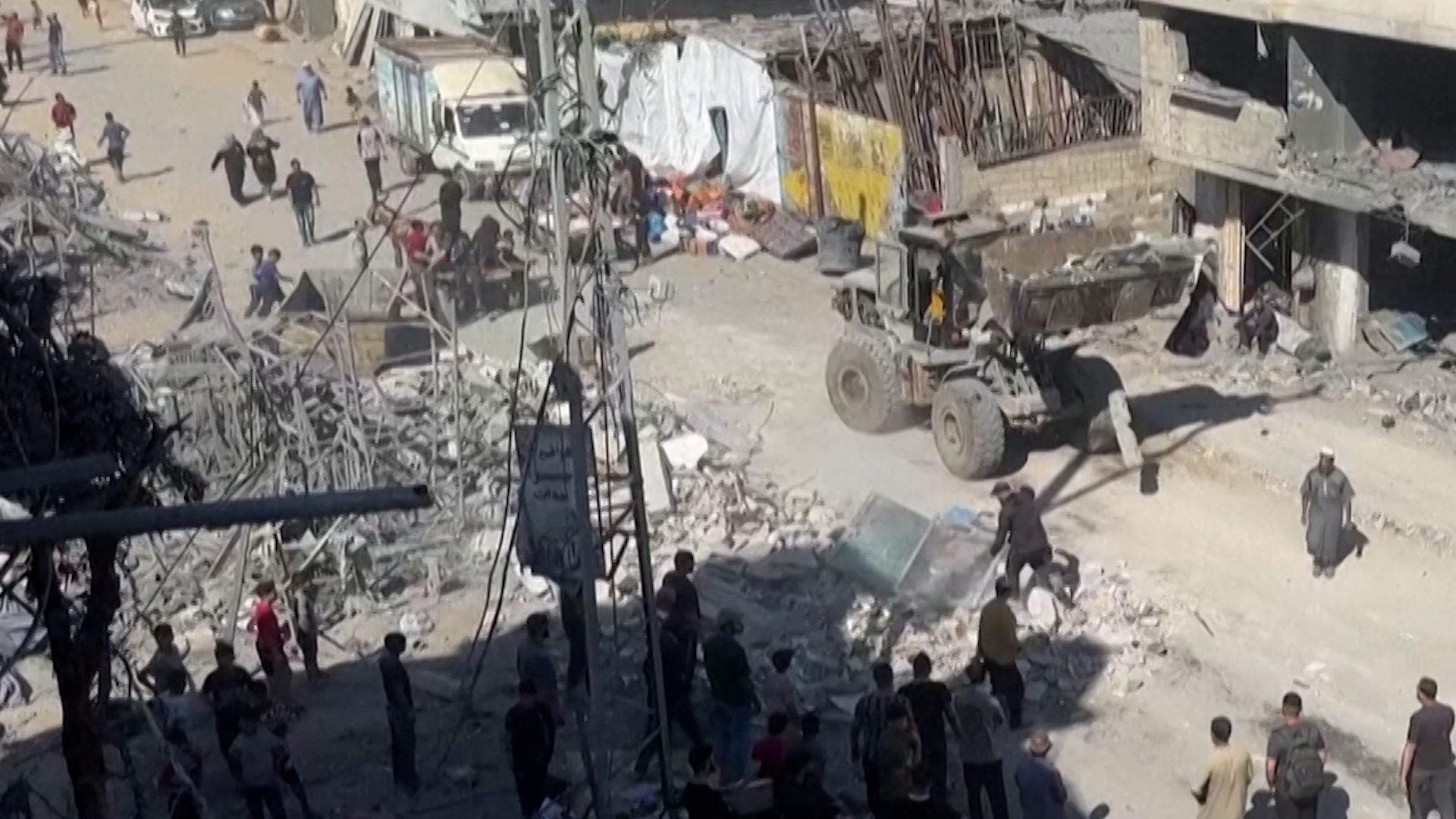
Gaza Residents Begin Cleanup Following Overnight Israeli Strikes
 world
world
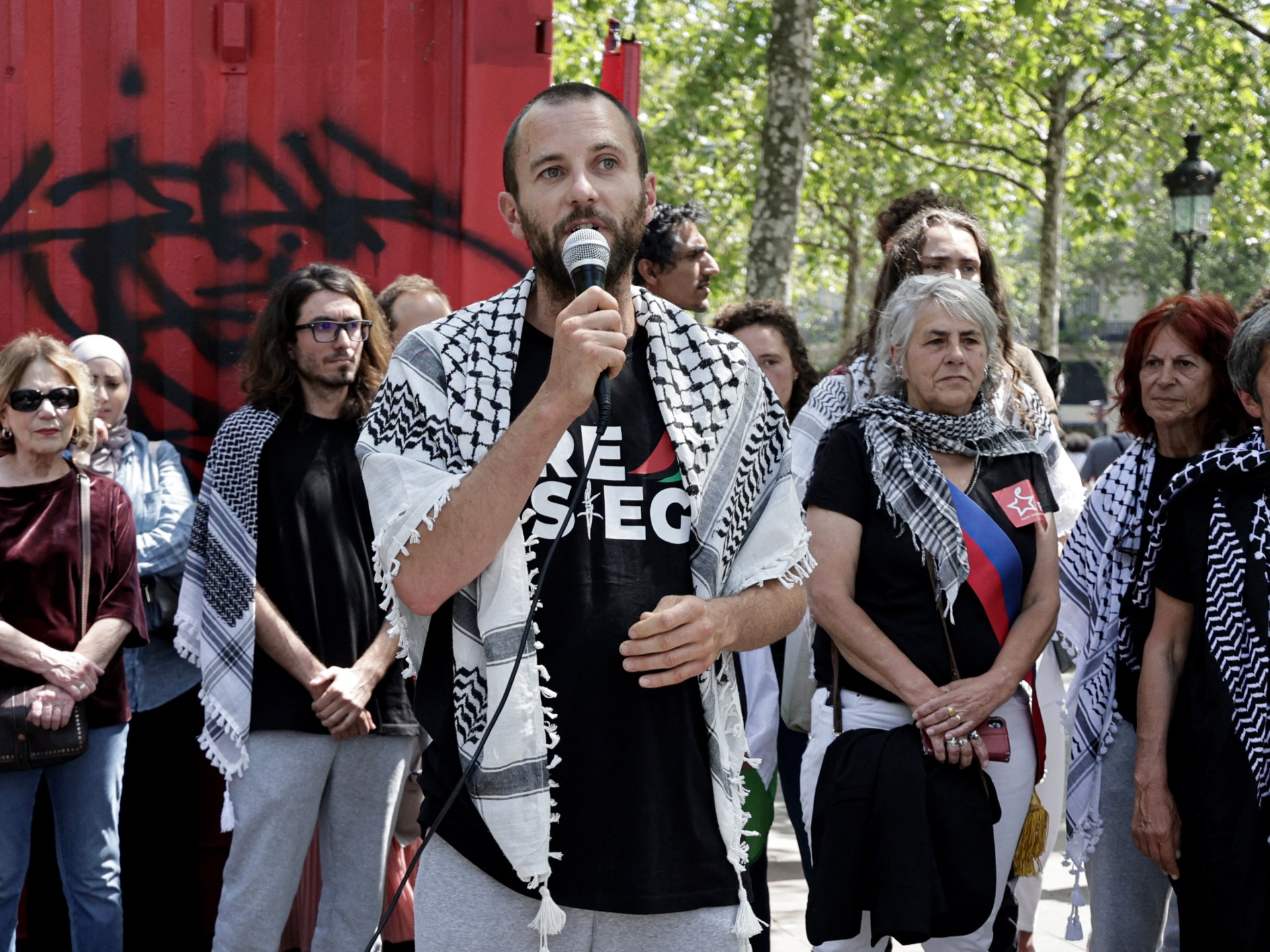
France Initiates Investigation into Allegations of Mistreatment of Gaza Aid Flotilla Activists
 world
world