
Overview of Recent Escalations
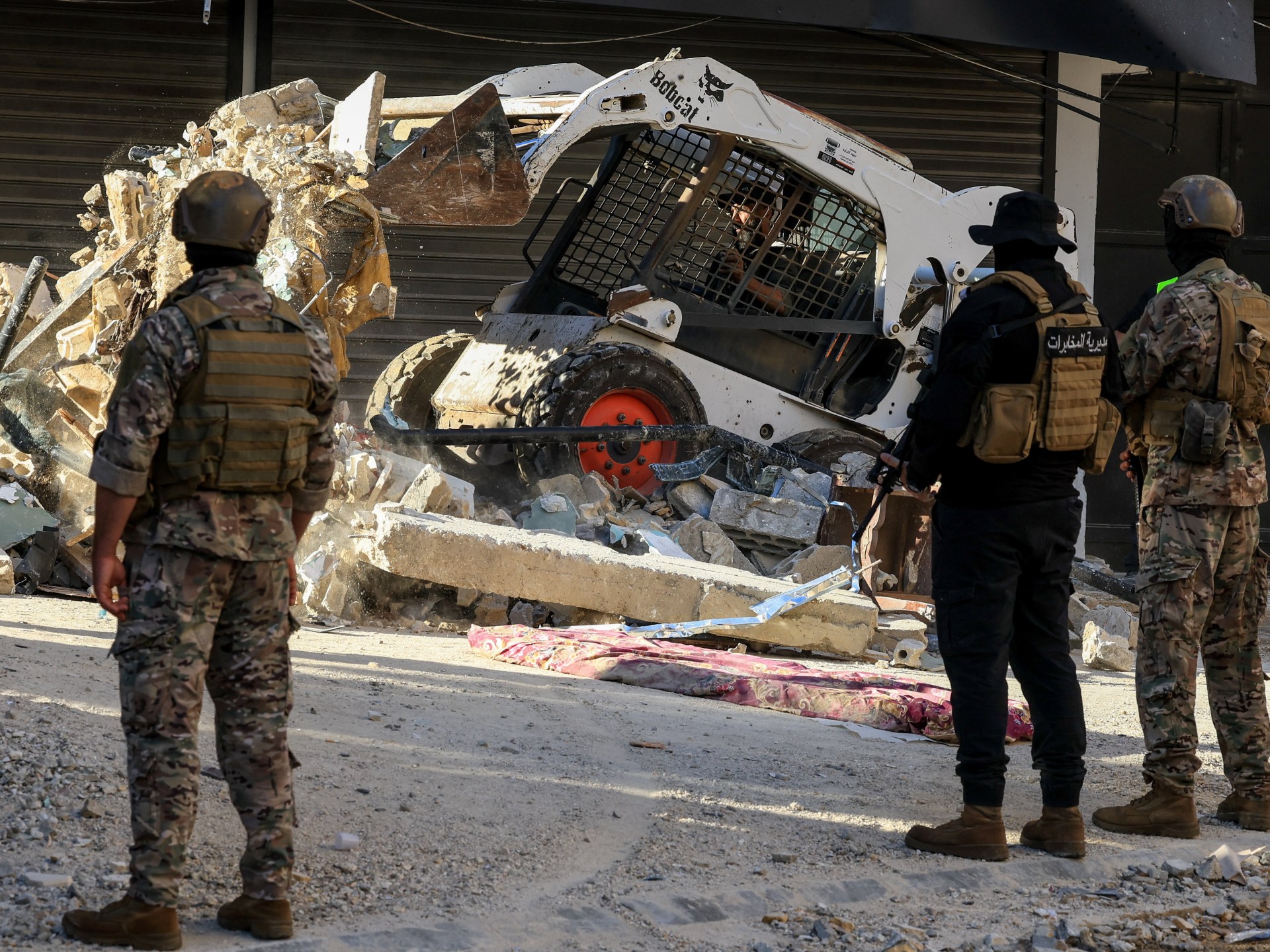
The long-standing animosity between Iran and Israel has recently intensified, marked by a series of direct and indirect confrontations. This period of heightened tension has seen both nations engage in air attacks, raising concerns across the international community about potential wider regional instability. Despite numerous calls for restraint and diplomatic interventions, a sustainable resolution remains elusive.
Key Incidents and Responses
Over the past weeks, a notable increase in military actions has been observed. Reports indicate that Israel conducted targeted strikes on what it identified as Iranian military installations and proxy assets within neighboring territories. These actions were purportedly in response to previous provocations attributed to Iran or its allied groups.
“The cycle of retaliation poses a significant risk to regional stability, and every effort must be made to prevent a full-scale conflict.”
Iran, in turn, has responded with its own aerial operations, targeting what it claimed were Israeli strategic sites or facilities supporting Israeli operations. These retaliatory strikes underscore a tit-for-tat dynamic that has become increasingly concerning for international observers. Each action and reaction pushes the region closer to a more direct and widespread confrontation.
The Role of Proxies and Regional Actors
The conflict between Iran and Israel is not solely confined to direct military exchanges. Both nations have long utilized proxy forces and allied non-state actors to project influence and engage in hostilities across the Middle East. Groups operating in Lebanon, Syria, Iraq, and Yemen, often with overt or covert support from either Tehran or Jerusalem, play a critical role in this broader geopolitical struggle.
- Hezbollah in Lebanon: Frequently cited as a key Iranian proxy, Hezbollah has been involved in border skirmishes and has a significant arsenal capable of reaching Israeli territory.
- Militias in Syria and Iraq: Various Iran-backed militias in these countries have been targeted by Israeli forces, who view their presence as a direct threat to Israel's security.
- Houthi Movement in Yemen: While geographically more distant, the Houthis, supported by Iran, have engaged in actions that indirectly contribute to regional instability, including attacks on shipping lanes.
The involvement of these groups complicates de-escalation efforts, as their actions can trigger responses from Israel, which then draws Iran into the cycle of retaliation.
Diplomatic Stagnation and International Reactions
International efforts to mediate a ceasefire or establish a framework for de-escalation have largely failed to yield concrete results. Various global powers and regional organizations have issued statements condemning the violence and urging both sides to exercise restraint, yet these calls have not translated into a cessation of hostilities.
The United Nations, along with several individual nations, has consistently expressed deep concern over the escalating violence. Envoys have been dispatched, and numerous diplomatic channels have been activated, but the fundamental disagreements and security concerns of both Iran and Israel appear to be too entrenched for a swift resolution.
Economic and Humanitarian Impact
Beyond the immediate military consequences, the ongoing tensions have significant economic and humanitarian implications for the region. The disruption of trade routes, the potential for refugee crises, and the diversion of resources towards military expenditures all contribute to a deteriorating quality of life for millions of people.
The uncertainty generated by the conflict also deters foreign investment and hinders economic development, perpetuating a cycle of instability that affects the broader Middle East.
Looking Ahead: Pathways to De-escalation
The current trajectory suggests a continued risk of further escalation unless a significant shift in diplomatic strategy or a substantial de-escalation by both parties occurs. For peace to prevail, there would likely need to be:
- Direct, high-level talks between Iranian and Israeli representatives, possibly facilitated by a neutral third party.
- A clear commitment from both sides to cease all offensive military actions, including those conducted by proxy forces.
- International guarantees and monitoring mechanisms to ensure compliance with any agreements reached.
- Addressing the underlying security concerns of both nations in a comprehensive and equitable manner.
Without such concerted efforts, the region remains vulnerable to the ongoing cycle of violence, with potentially devastating consequences.
Source: Original Article
Related Articles
 world
world
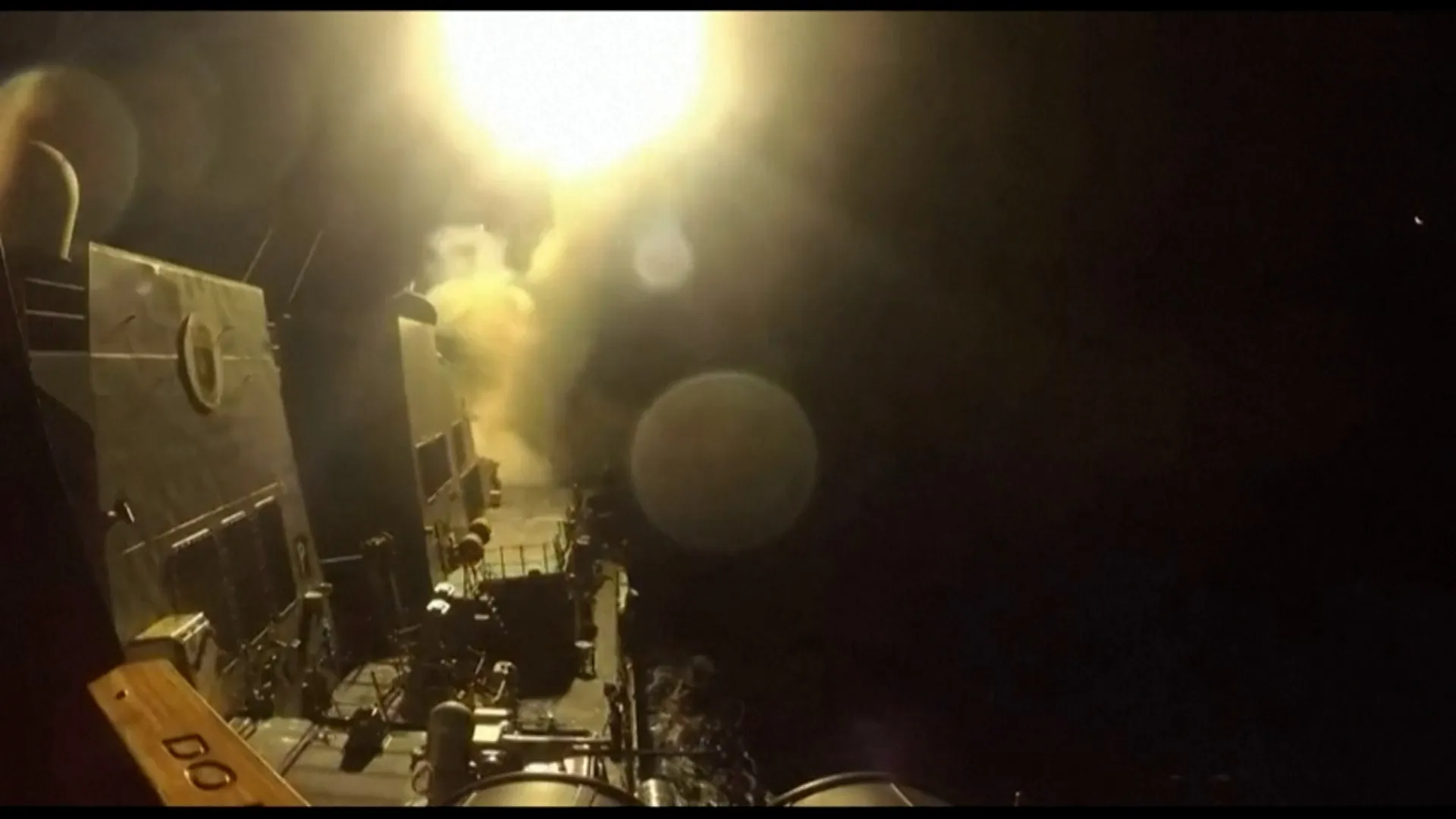
US Central Command Publishes Footage of Strikes Against Iranian Targets
 world
world
Allegations of Sexual Violence Surface in Israeli Detention Facilities
 world
world
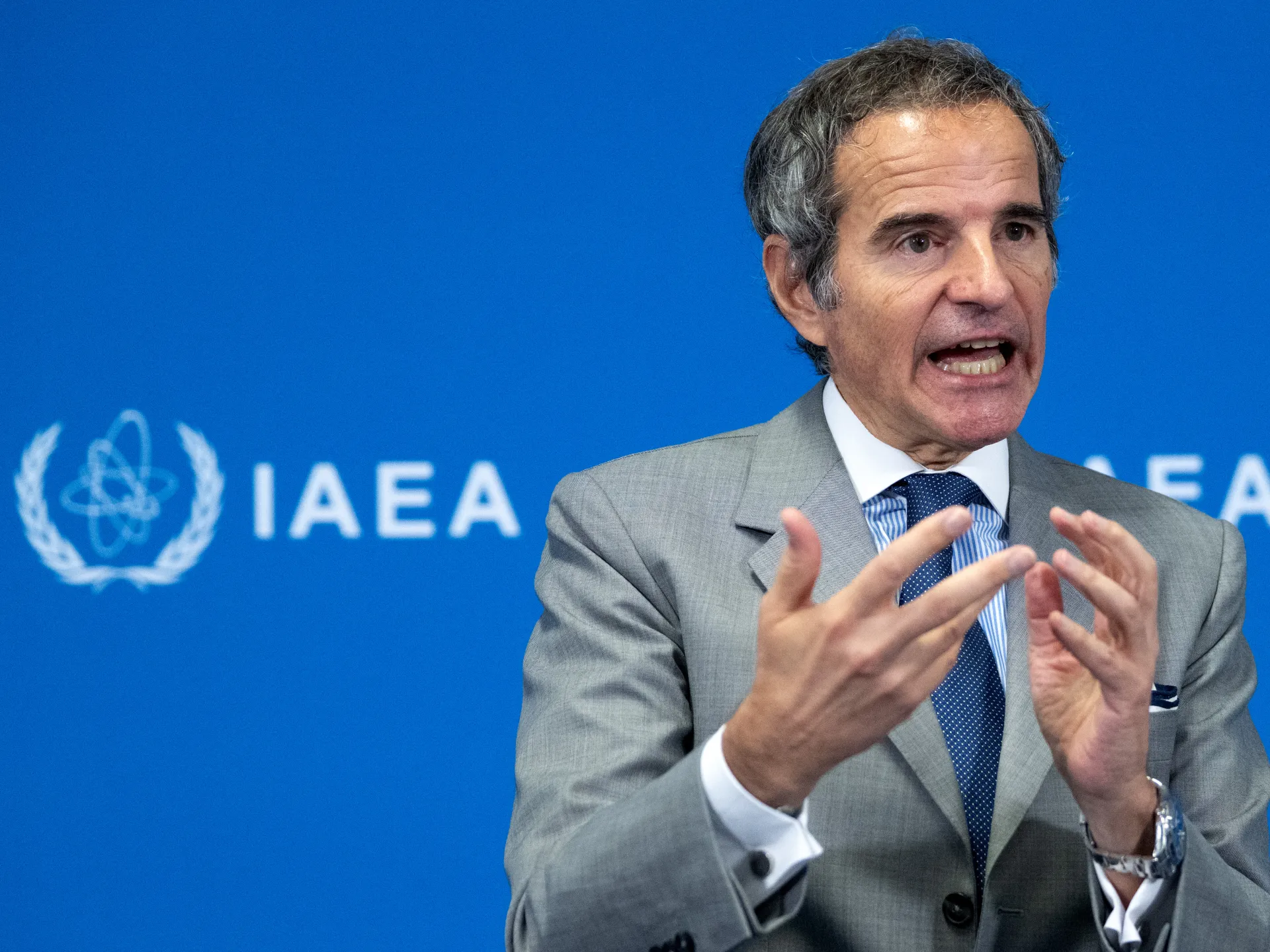
UN Watchdog Demands Iran Account for Enriched Uranium Stockpiles Amid Regional Tensions
 world
world