
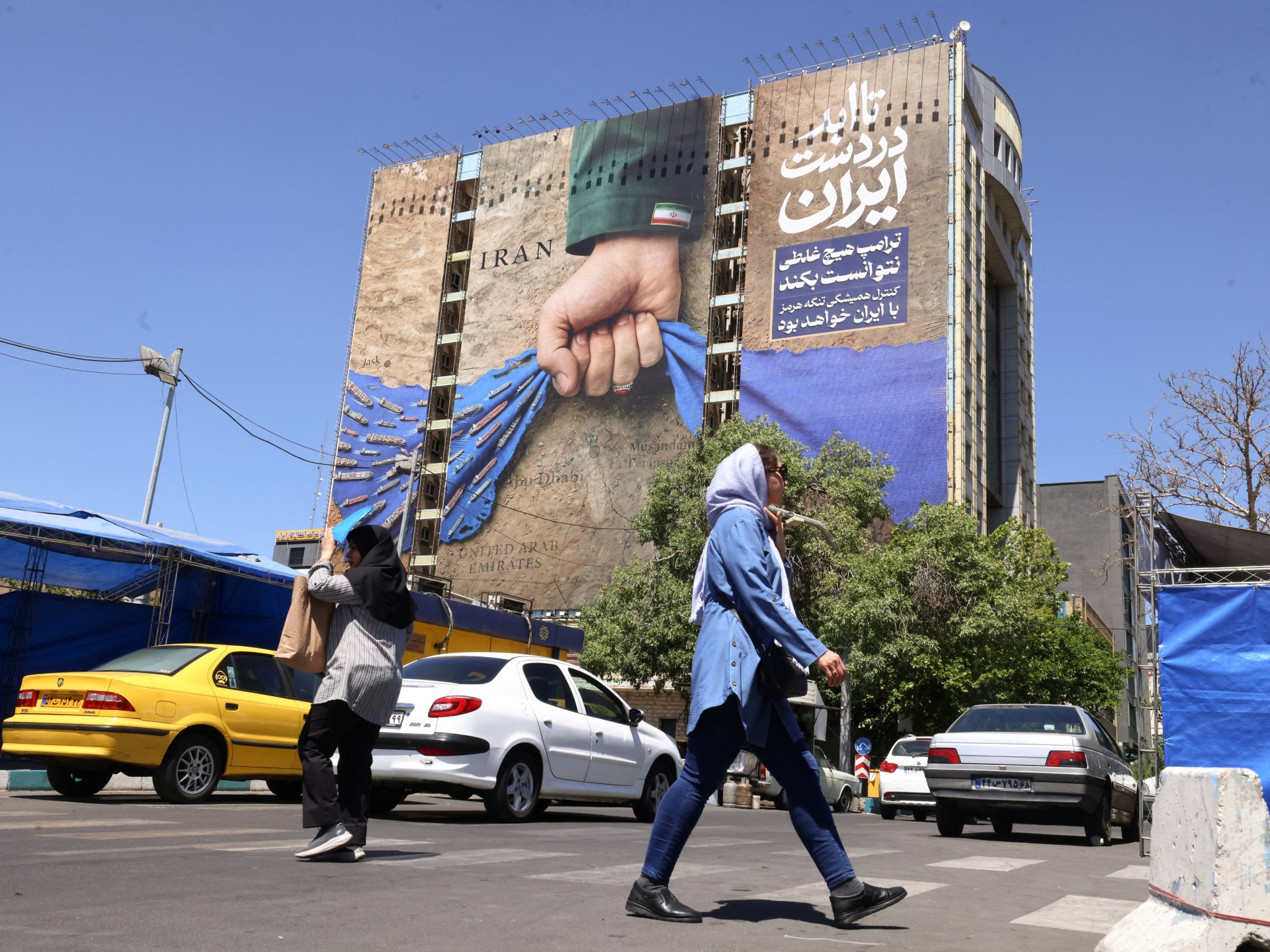
Diplomatic Deadlock and Regional Instability
Recent developments in the Middle East indicate a period of heightened instability, characterized by a lack of progress in international discussions surrounding Iran's activities and an uptick in military engagements. The situation remains complex, with various regional actors involved in a delicate balance of power and conflicting interests.
Iran's Stance on Negotiations
Tehran has reportedly expressed disappointment regarding the lack of advancement in ongoing international talks. While specific details of these negotiations are often kept confidential, the general sentiment from Iranian officials suggests a stalemate. These discussions typically revolve around Iran's nuclear program and its regional influence, with international powers seeking assurances regarding non-proliferation and stability. The absence of tangible progress could contribute to further regional uncertainty and potentially lead to more assertive actions from various parties.
“We have not seen significant progress in the recent rounds of discussions. The issues at hand are complex, and a resolution requires genuine commitment from all sides.”
Iran has also reiterated its justification for certain actions in Gulf nations, which have been criticized by some international observers. Tehran often frames these actions as defensive measures or responses to perceived threats, highlighting its commitment to national security and regional interests. The specific nature of these actions and the justifications provided contribute to the broader narrative of escalating tensions in the Gulf region.
Israel's Operations in Lebanon
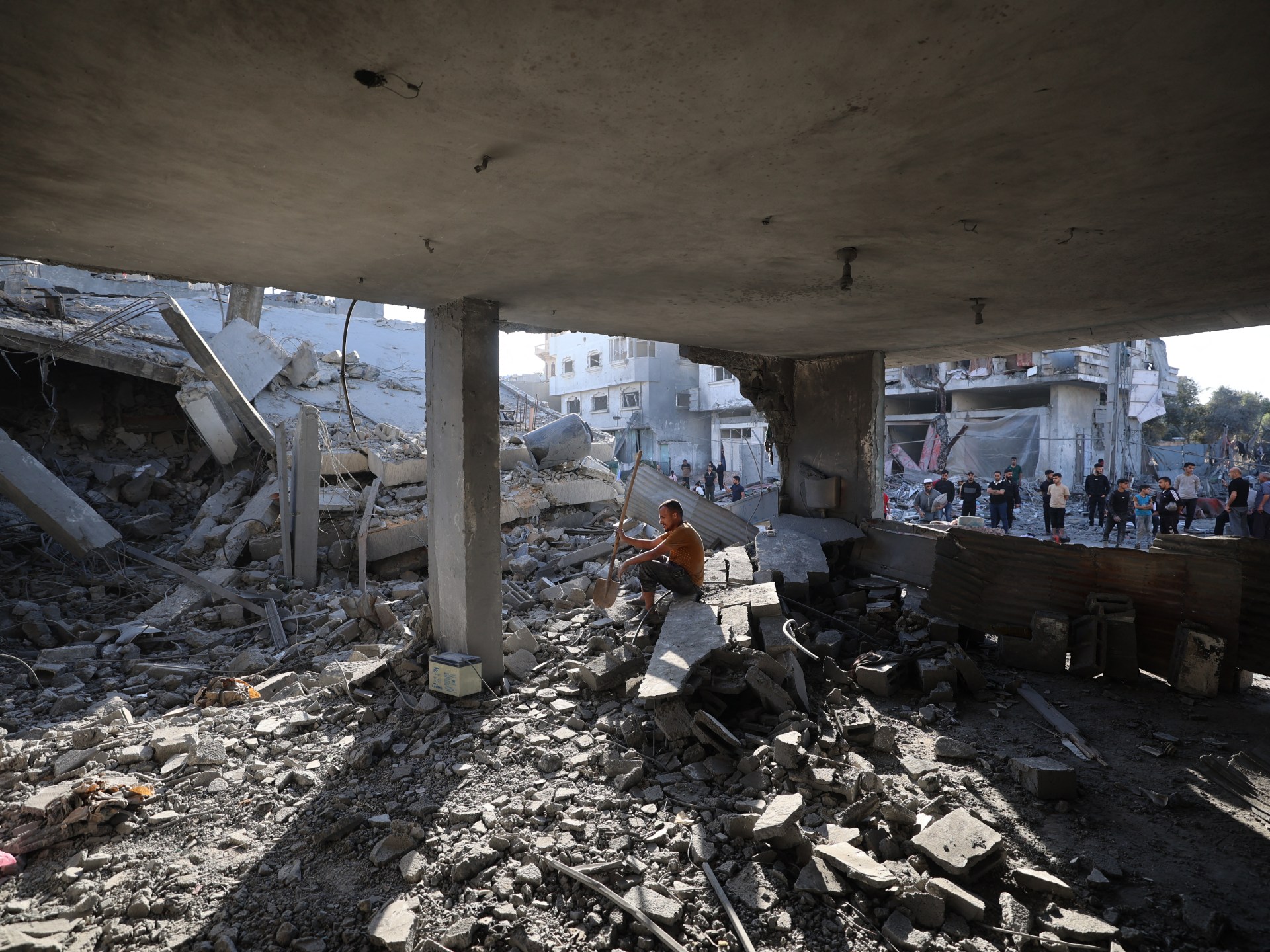
In a separate but related development, Israel has reportedly conducted drone attacks within Lebanese territory. These operations occurred despite previous agreements regarding a ceasefire, raising concerns about the fragility of existing peace arrangements. The motivations behind such attacks are often multifaceted, ranging from preemptive strikes against perceived threats to retaliatory actions following border incidents.
Cross-border military engagements between Israel and Lebanon have a long and complex history. The current incidents underscore the persistent challenges in maintaining peace along this border, where various non-state actors operate alongside national armies. The use of drone technology in these operations highlights a modern dimension to an enduring conflict, allowing for targeted strikes but also increasing the risk of unintended escalation.
The Broader Regional Context
The events in Iran and Lebanon are not isolated incidents but rather components of a larger, interconnected regional dynamic. The Middle East is a theater where geopolitical rivalries, ideological differences, and historical grievances frequently converge. External powers also play a significant role, often aligning with different regional factions, further complicating efforts to achieve lasting peace.
The renewal of a ceasefire, even if temporarily agreed upon, often serves as a fragile mechanism in such a volatile environment. The ability of all parties to adhere to such agreements, and the willingness of international mediators to enforce them, are critical factors in preventing a wider conflict. The current situation suggests that such mechanisms are under considerable strain, with diplomatic efforts struggling to keep pace with military realities on the ground.
The international community continues to monitor these developments closely, with calls for de-escalation and renewed diplomatic efforts. However, without a fundamental shift in the underlying dynamics and a greater willingness from all parties to compromise, the cycle of tension and conflict is likely to persist.
Source: Al Jazeera
Related Articles
 world
world
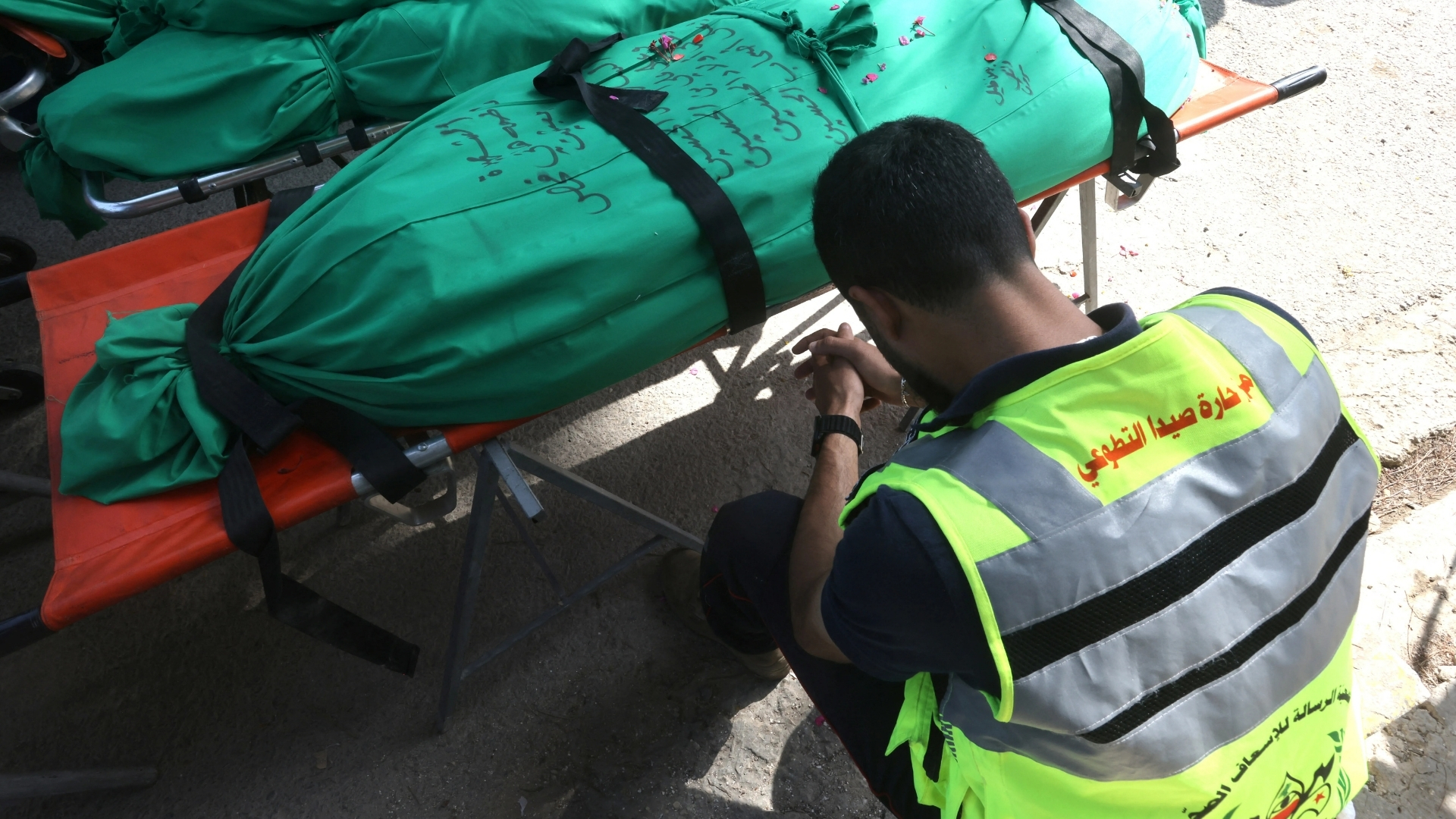
Escalating Tensions: Assessing the Impact of Recent Ceasefire Efforts in Lebanon
 world
world
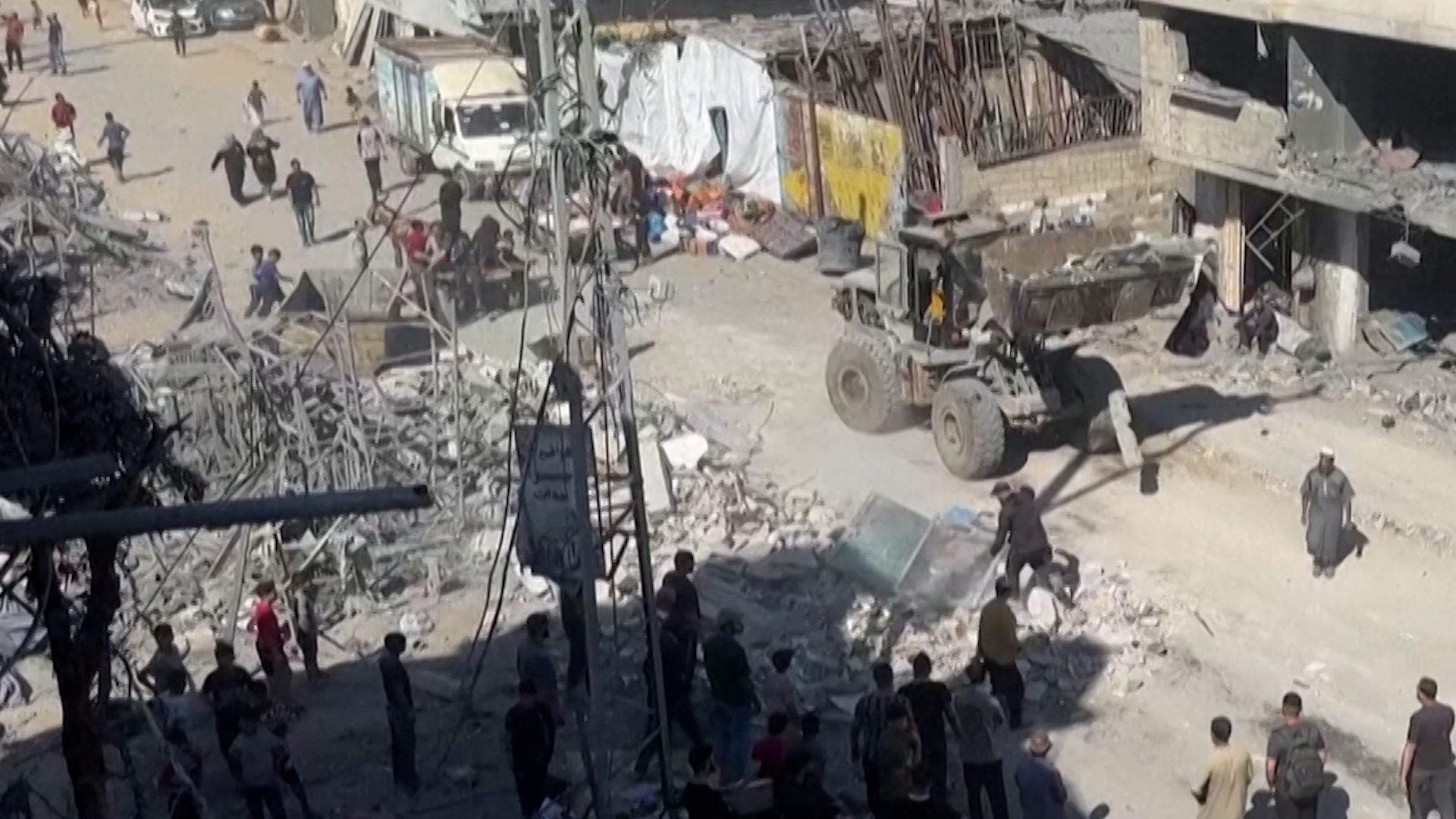
Gaza Residents Begin Cleanup Following Overnight Israeli Strikes
 world
world
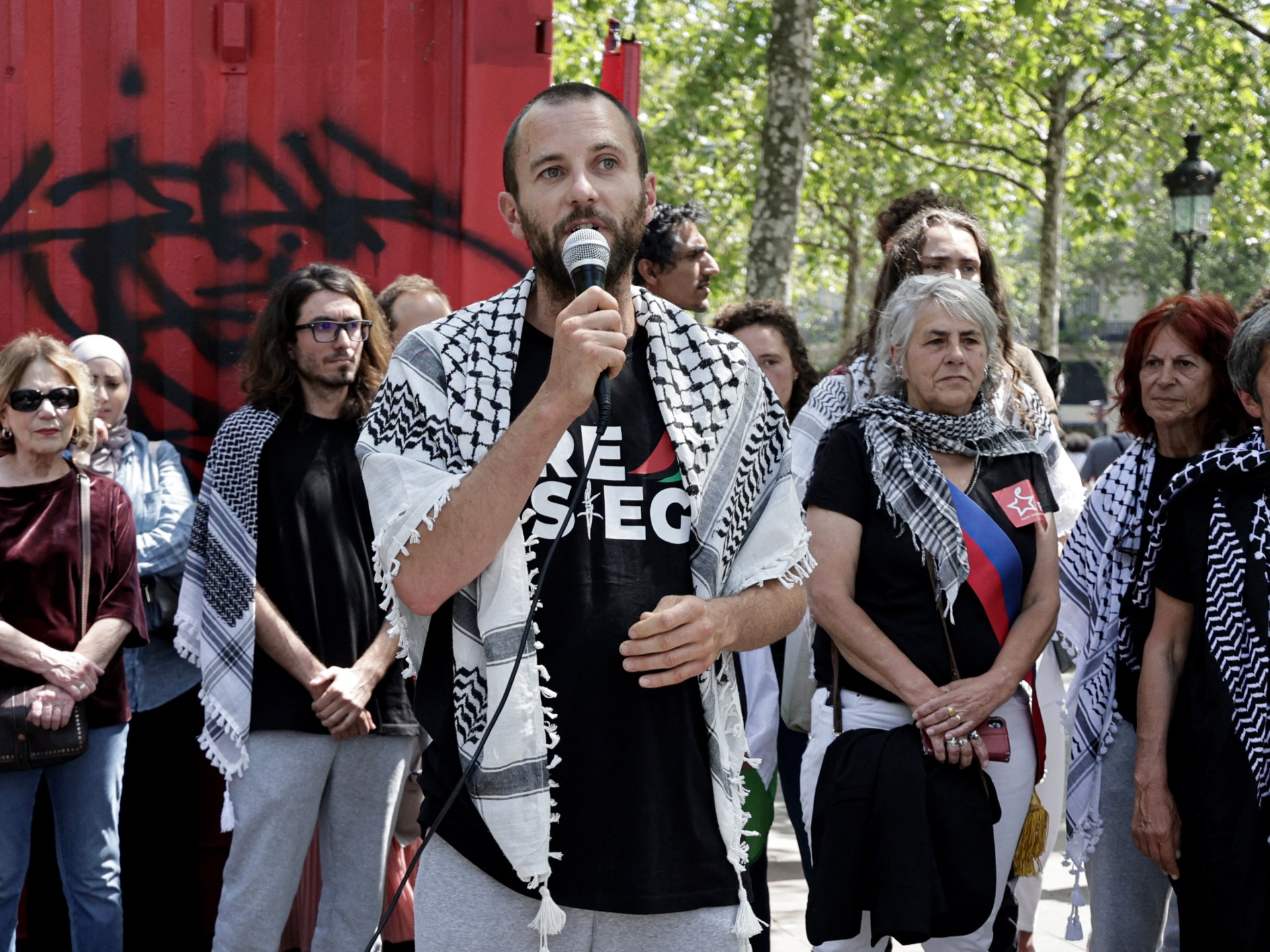
France Initiates Investigation into Allegations of Mistreatment of Gaza Aid Flotilla Activists
 world
world