
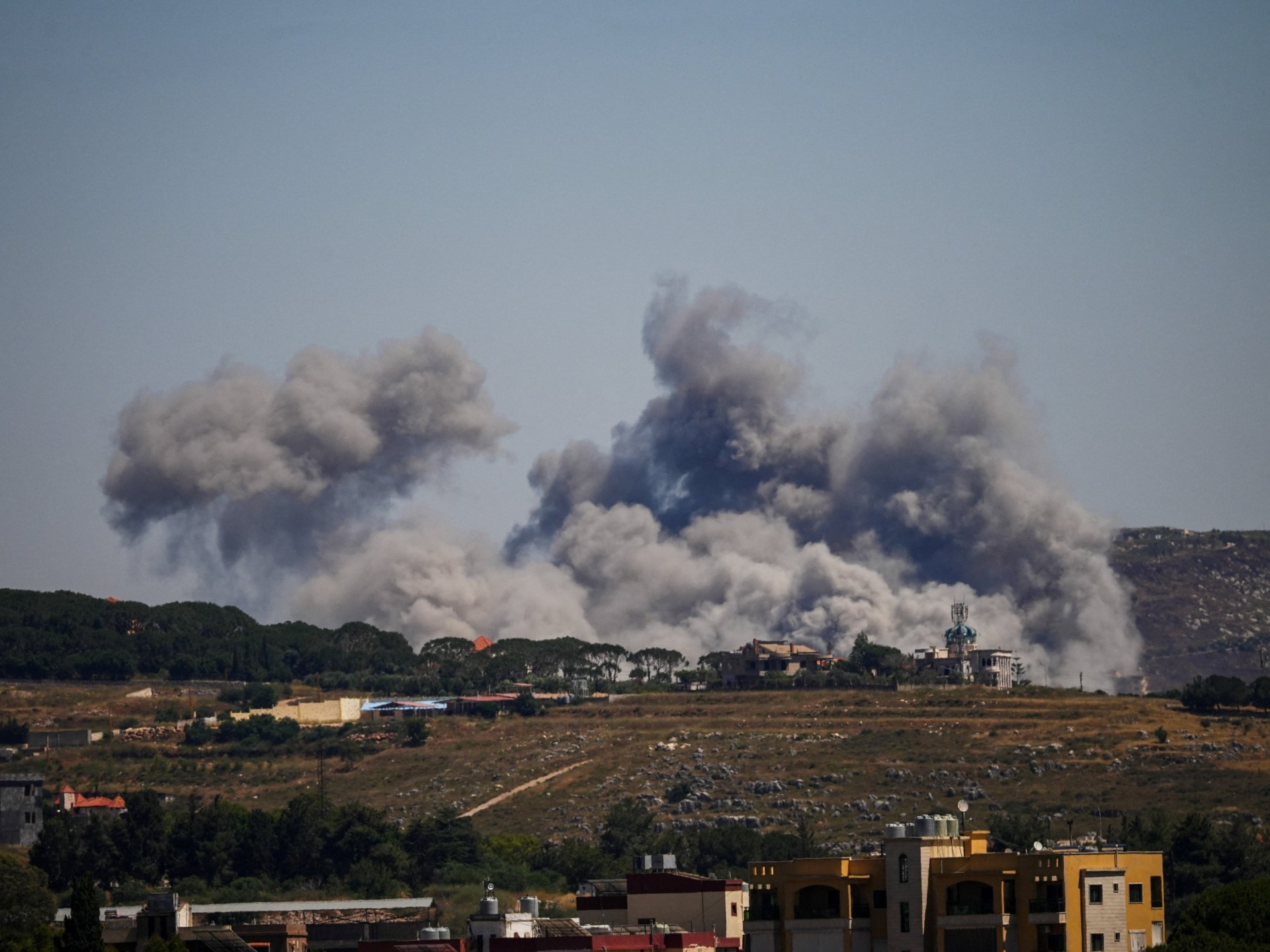
Overview of the Ongoing Conflict
The intricate geopolitical landscape of the Middle East continues to be marked by significant instability, with recent developments highlighting a deepening crisis. As the conflict in the region approaches its 98th day, international efforts to de-escalate tensions and secure a lasting peace deal face considerable hurdles. A primary point of concern revolves around Iran's expressed skepticism regarding the feasibility of a proposed agreement, casting a shadow over diplomatic initiatives.
Continued Hostilities in Lebanon
Despite reports of potential ceasefire arrangements, military actions have regrettably persisted, particularly in Lebanon. Recent accounts indicate that Israeli forces have conducted strikes within Lebanese territory. These actions come amidst a backdrop of ongoing clashes that have severely impacted civilian populations and infrastructure. The continuation of hostilities underscores the volatile nature of the situation and the challenges in enforcing any peace declarations.
Hezbollah's Stance on a Potential Deal
Adding another layer of complexity to the peace process is the unequivocal rejection of a proposed deal by Hezbollah, a prominent political and paramilitary organization based in Lebanon. Hezbollah's stance signals a significant impediment to achieving a comprehensive resolution, as their involvement is crucial for any agreement to be effective and sustainable in the region. Their refusal further complicates the already delicate negotiations aimed at calming the protracted conflict.
The rejection of a peace deal by key regional actors, coupled with ongoing military operations, severely undermines the prospects for a swift resolution and highlights the deep-seated grievances that continue to fuel the conflict.
Mounting Human Cost
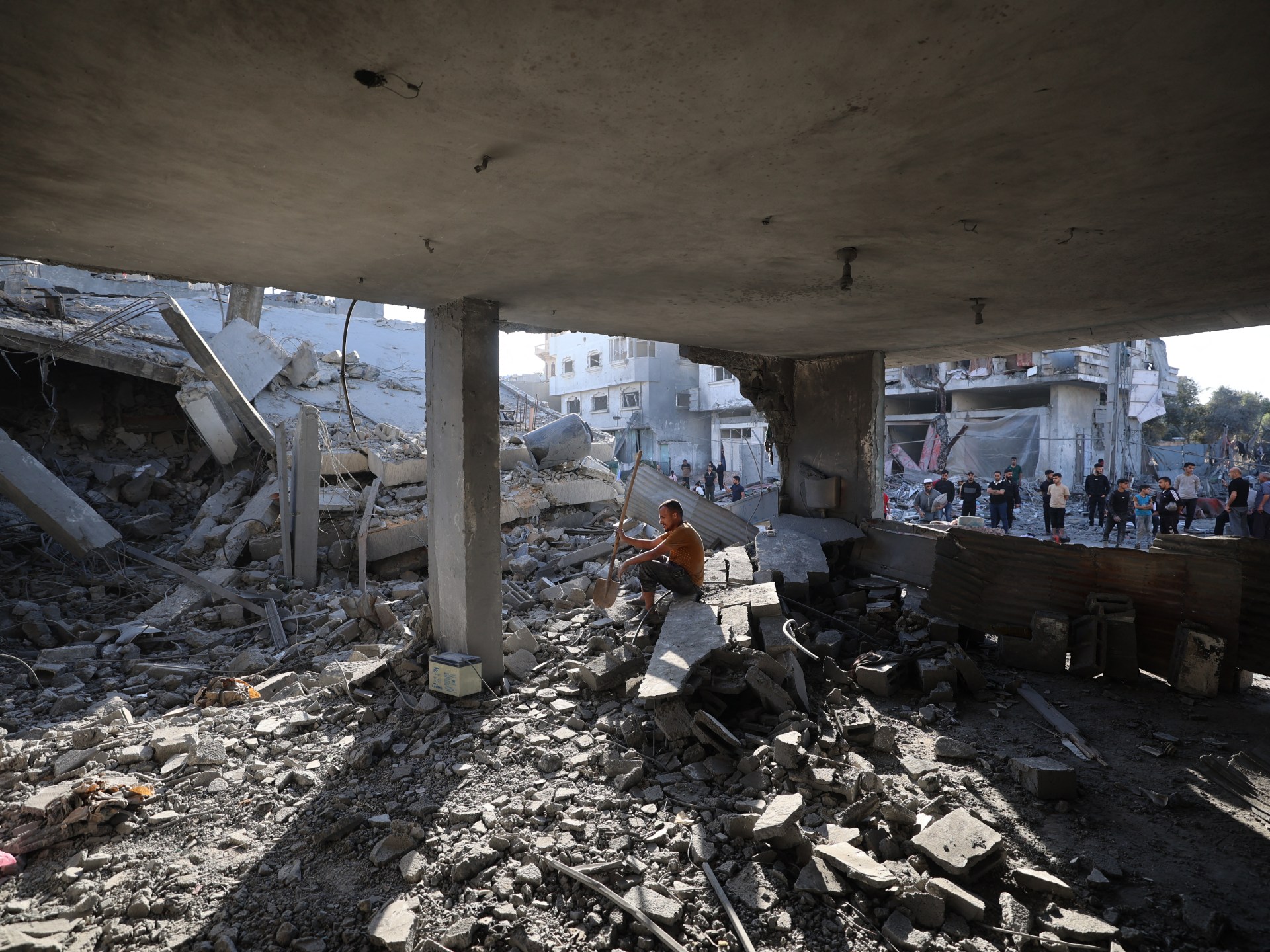
The prolonged period of conflict has, tragically, resulted in a substantial human toll. Reports indicate that the death toll has now tragically surpassed 3,500 individuals. This grim statistic encompasses both combatants and, regrettably, a significant number of civilians caught in the crossfire. Beyond the fatalities, countless others have been injured, displaced, or have had their livelihoods irrevocably disrupted. The humanitarian crisis continues to worsen, prompting urgent calls from international organizations for increased aid and protection for affected populations.
Iran's Reservations and Regional Implications
Iran's recent statements, which convey doubts about the efficacy and fairness of the proposed peace deal, introduce a critical dimension to the ongoing diplomatic efforts. As a significant regional power, Iran's perspective holds considerable weight and can influence the actions of various non-state actors and allied governments. Tehran's skepticism could potentially signal a lack of confidence in the terms of the agreement or in the commitment of other parties to uphold their obligations. Such reservations could further embolden groups that are resistant to a ceasefire, thereby prolonging the conflict and intensifying regional instability.
The current situation demands a renewed focus on multilateral diplomacy, with all relevant parties engaging in constructive dialogue to address the core issues driving the conflict. Without a genuine commitment from all stakeholders, the path to a lasting peace remains fraught with uncertainty, and the humanitarian suffering is likely to continue.
Source: Al Jazeera
Related Articles
 world
world
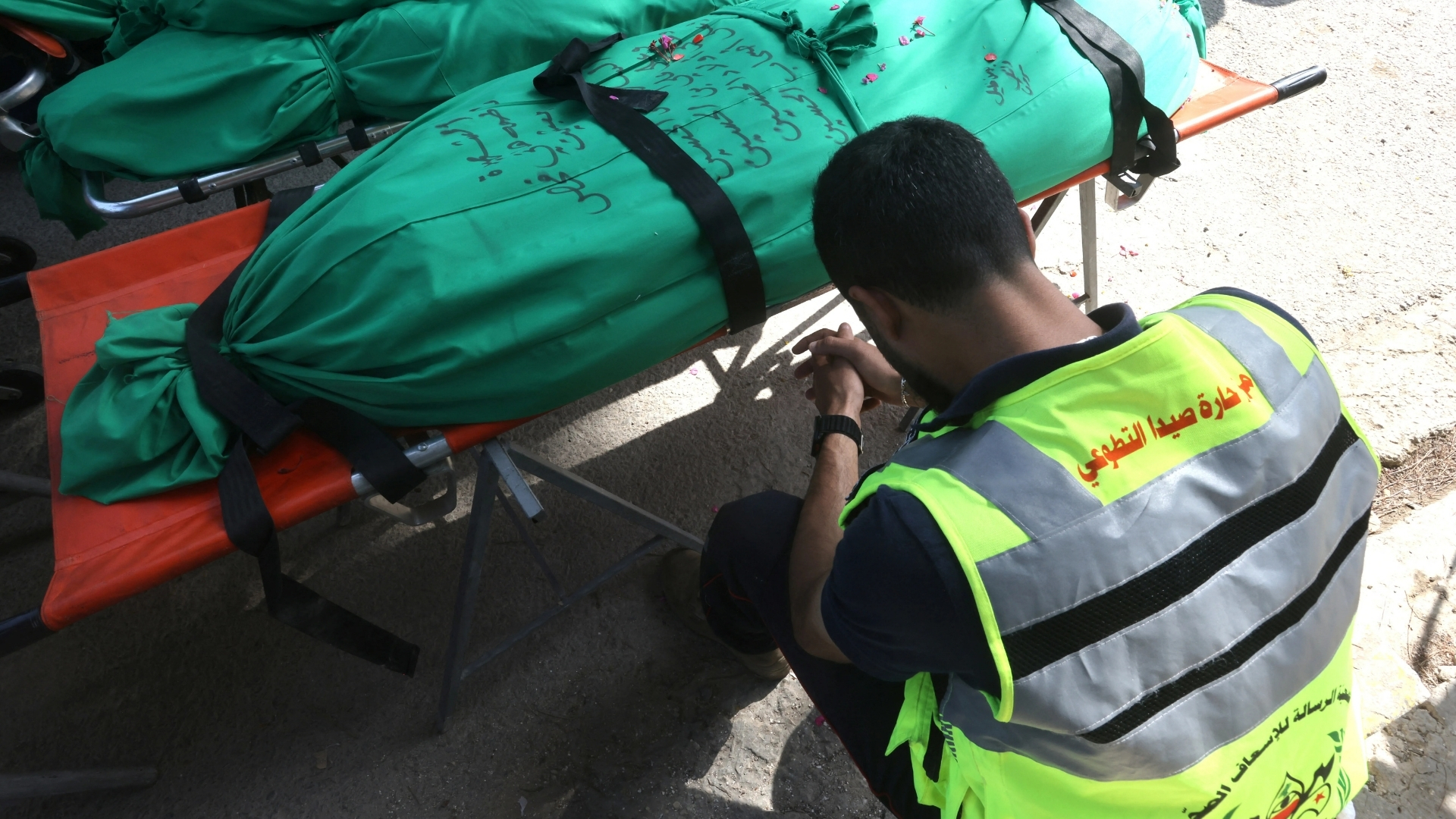
Escalating Tensions: Assessing the Impact of Recent Ceasefire Efforts in Lebanon
 world
world
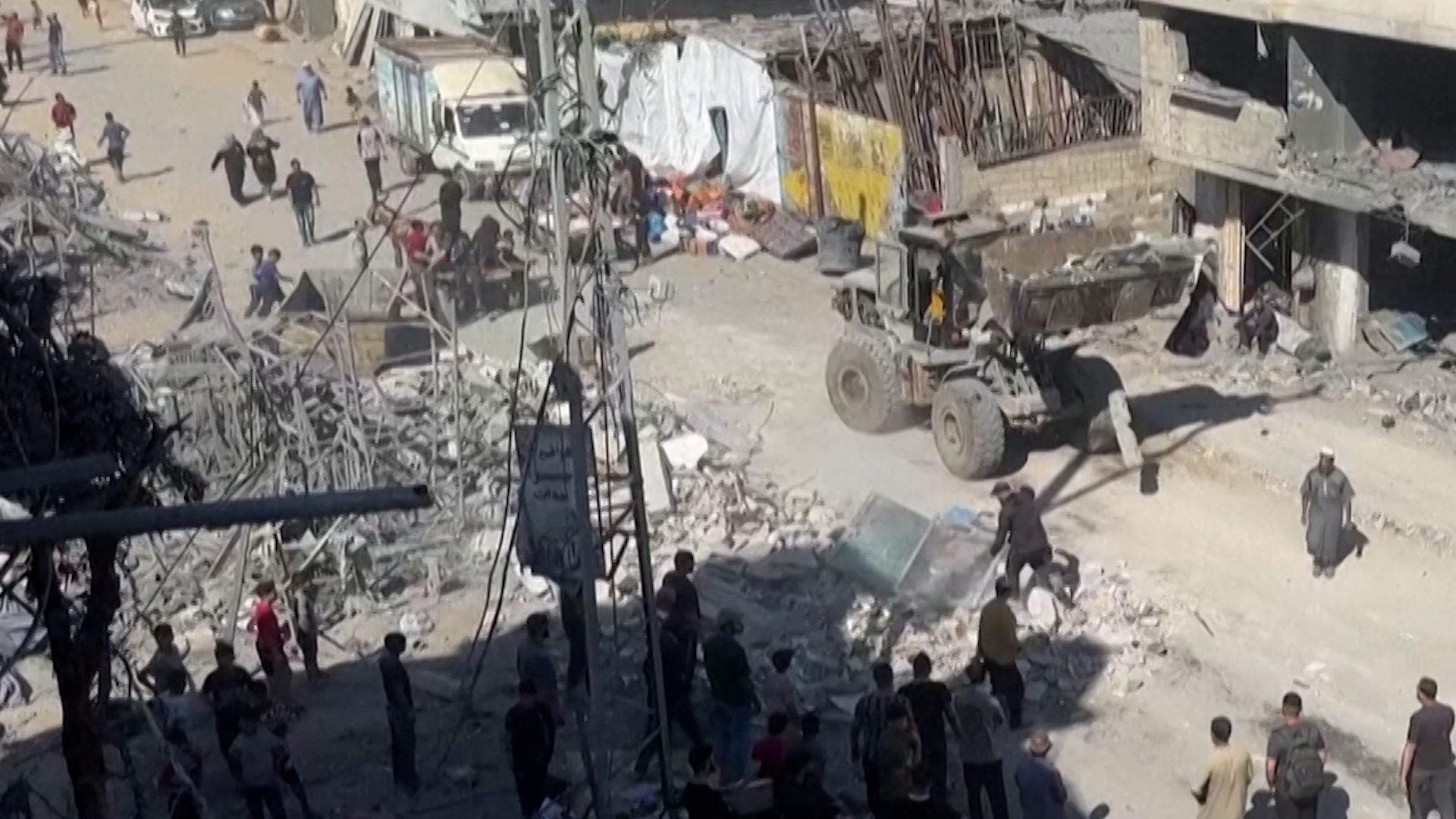
Gaza Residents Begin Cleanup Following Overnight Israeli Strikes
 world
world
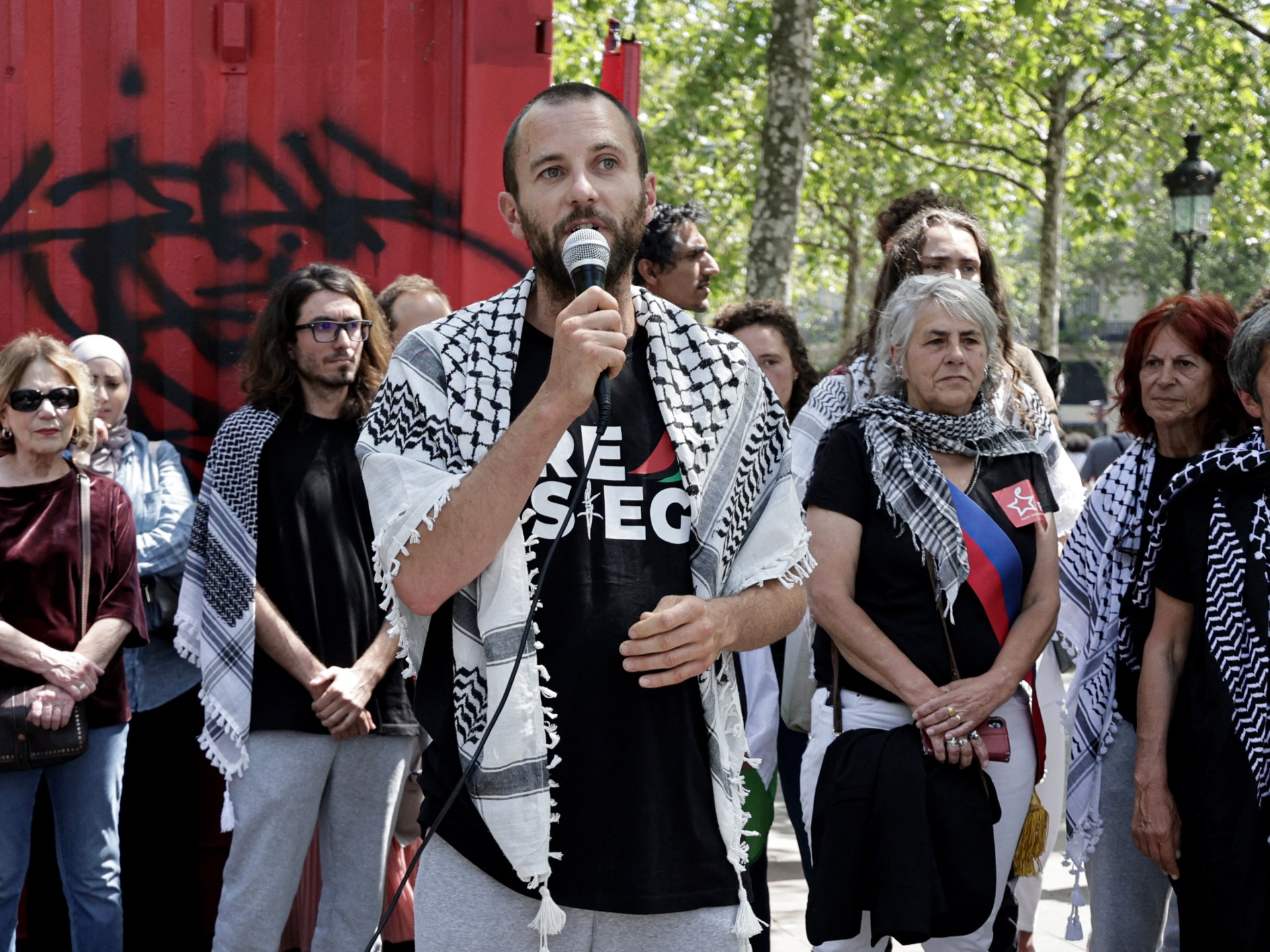
France Initiates Investigation into Allegations of Mistreatment of Gaza Aid Flotilla Activists
 world
world