
Fragile Ceasefire Faces Renewed Challenges
A delicate truce established on April 8 between Iran and Israel is currently under considerable stress, marked by recent exchanges of attacks and escalating diplomatic tensions. Despite a temporary halt in direct hostilities, the underlying friction remains high, prompting international calls for restraint and warnings about potential escalation.
Tehran has issued a cautionary statement, indicating that military actions could resume if Israel persists with its operations, particularly those extending into Lebanon. This warning highlights the interconnected nature of regional security dynamics and the potential for localized conflicts to destabilize broader peace efforts.
Diplomatic Divisions Emerge
The ceasefire's stability is further complicated by increasing public disagreements between key international players. Reports suggest that former U.S. President Donald Trump has cautioned Israeli Prime Minister Benjamin Netanyahu, advising prudence in military actions to avoid jeopardizing the current truce. This counsel underscores a growing divergence in approaches to managing the conflict.
Mohammad Bagher Ghalibaf, the Iranian parliamentary speaker, expressed skepticism regarding Israel's commitment to de-escalation, citing repeated violations as evidence of a lack of genuine intent to foster trust. He emphasized the precariousness of the ceasefire, suggesting it could easily collapse.
Recent Military Engagements
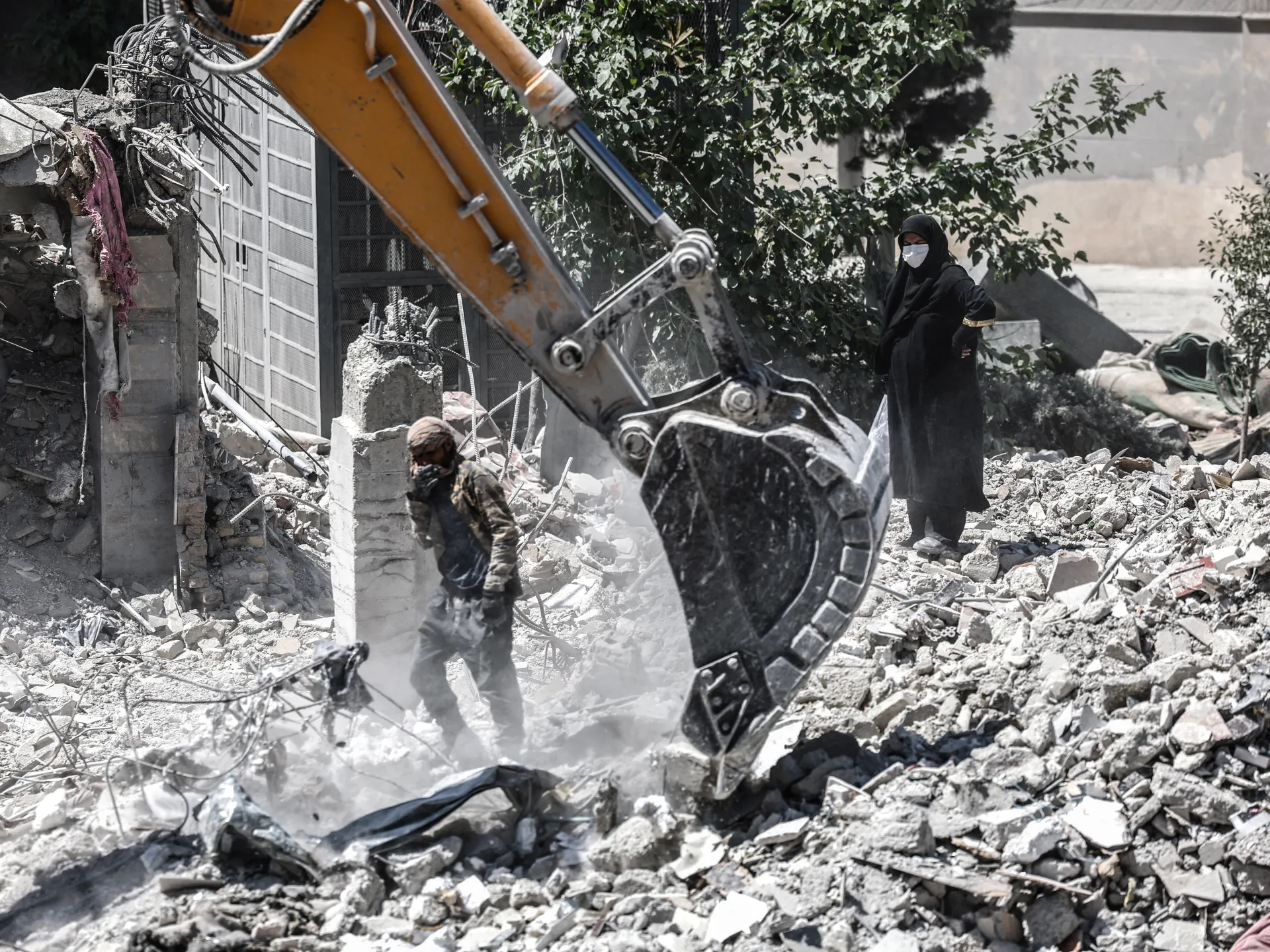
In a recent development, Israel reportedly targeted the Mahshahr petrochemical complex in southwestern Iran. This facility is a crucial industrial hub for the country. Iranian media outlets confirmed the strike but reported no casualties, with authorities currently assessing the extent of material damage and potential economic repercussions.
"Israel's ambassador to the US, Yechiel Leiter, said negotiations between Washington and Tehran have 'nothing to do with Lebanon', accusing Iran of trying to connect the two issues. Speaking to Fox News, Leiter said Israeli operations against Hezbollah are separate from the US-Iran talks and warned that 'Lebanon will not have a future if it remains linked to Iran'."
The timing of these Israeli strikes, despite calls for restraint from the U.S., has been interpreted by some analysts as a strategic message. Military historian Danny Orbach suggested that these actions serve as a signal to Washington that Israeli security interests cannot be overlooked in any lasting agreement with Tehran, and that Israel retains the capacity to influence negotiations if its concerns are not adequately addressed.
U.S. Stance and Regional Implications
Former President Trump's warning to Prime Minister Netanyahu reportedly included a statement that Israel might find itself isolated if it continued with strikes against Iran. This stern message reflects growing U.S. concern over the potential unraveling of the ceasefire and the broader implications for regional stability. The U.S. has urged Israel to avoid retaliation following Iran's indications of a halt in attacks, underscoring the delicate balance of power and diplomacy at play.
However, some observers, like Phyllis Bennis of the Institute for Policy Studies, argue that such warnings from the U.S. might lack substantial impact if not accompanied by concrete policy shifts. She posited that continued U.S. military aid, diplomatic backing, and weapons transfers could undermine the message of restraint, giving Israel little incentive to alter its current strategy.
Developments in Lebanon
Concurrently, Hezbollah announced that it conducted 16 operations against Israeli forces in southern Lebanon. These actions reportedly targeted troop gatherings, military vehicles, and equipment. The group claimed to have employed a variety of weaponry, including drones, guided missiles, artillery, and loitering munitions, in areas such as Beaufort Castle, Odaisseh, and Yohmor al-Shaqif. Hezbollah reported the destruction of ammunition transport vehicles and military bulldozers during these engagements.
Source: Al Jazeera
Related Articles
 world
world
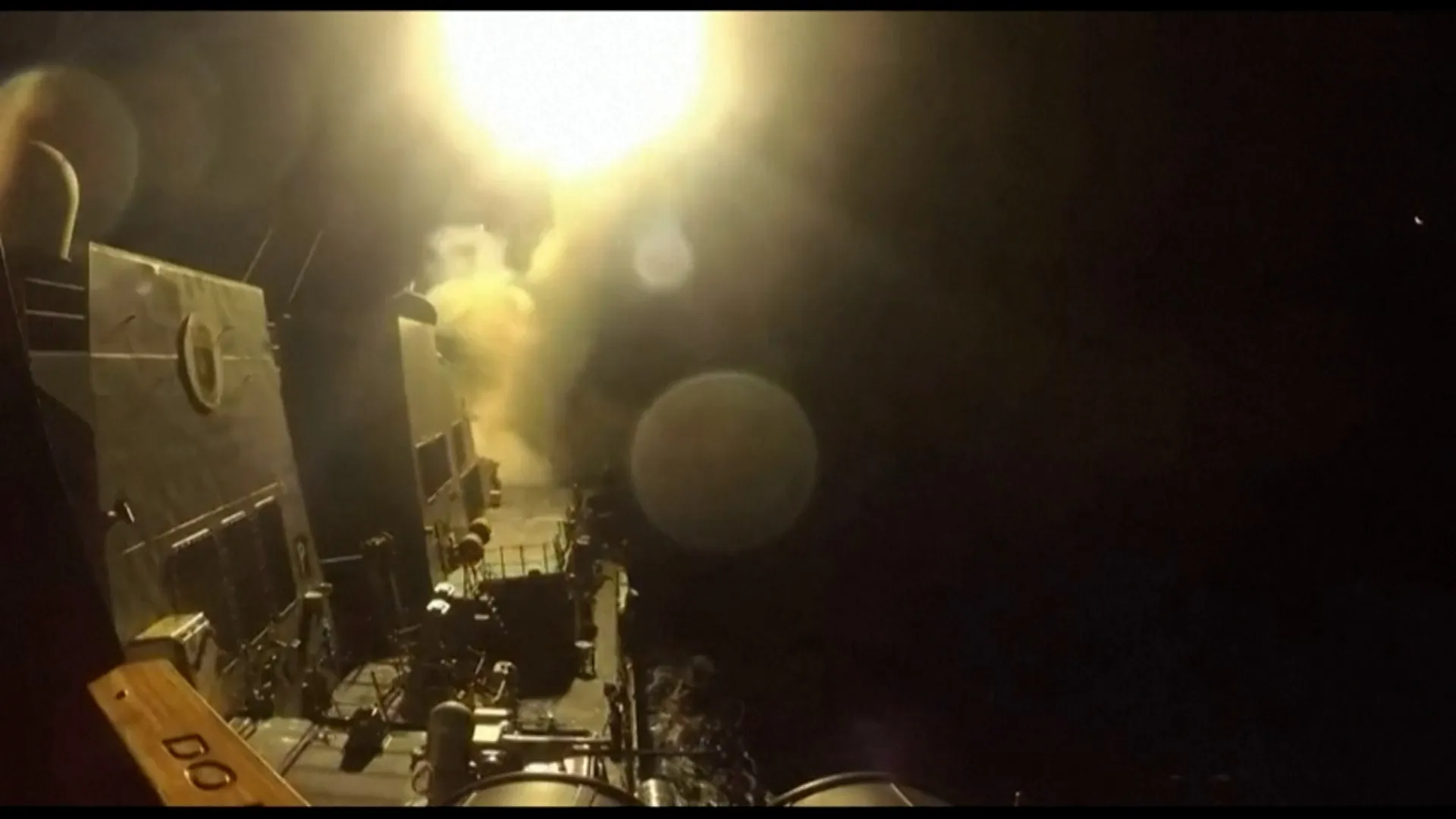
US Central Command Publishes Footage of Strikes Against Iranian Targets
 world
world
Allegations of Sexual Violence Surface in Israeli Detention Facilities
 world
world
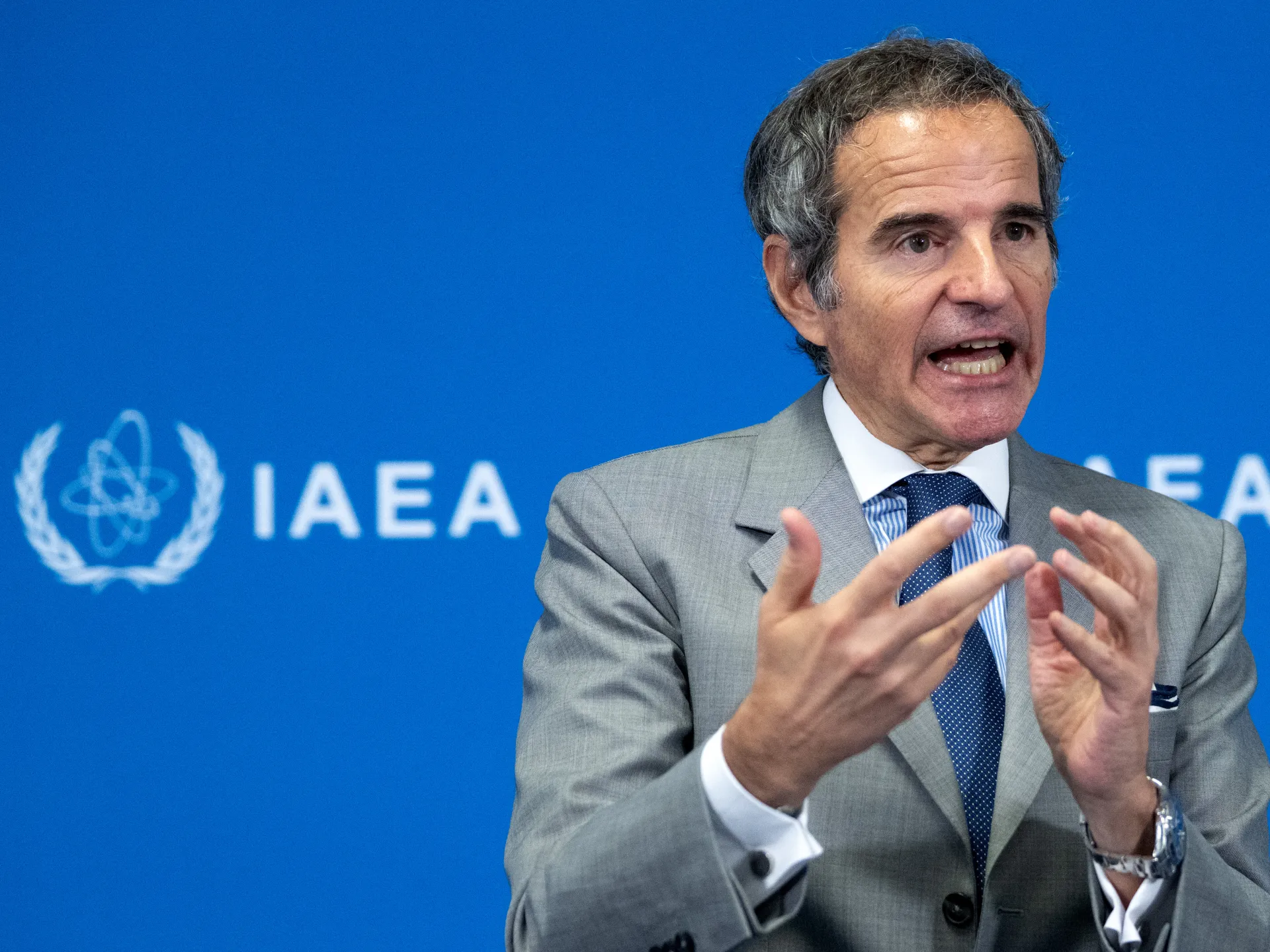
UN Watchdog Demands Iran Account for Enriched Uranium Stockpiles Amid Regional Tensions
 world
world