
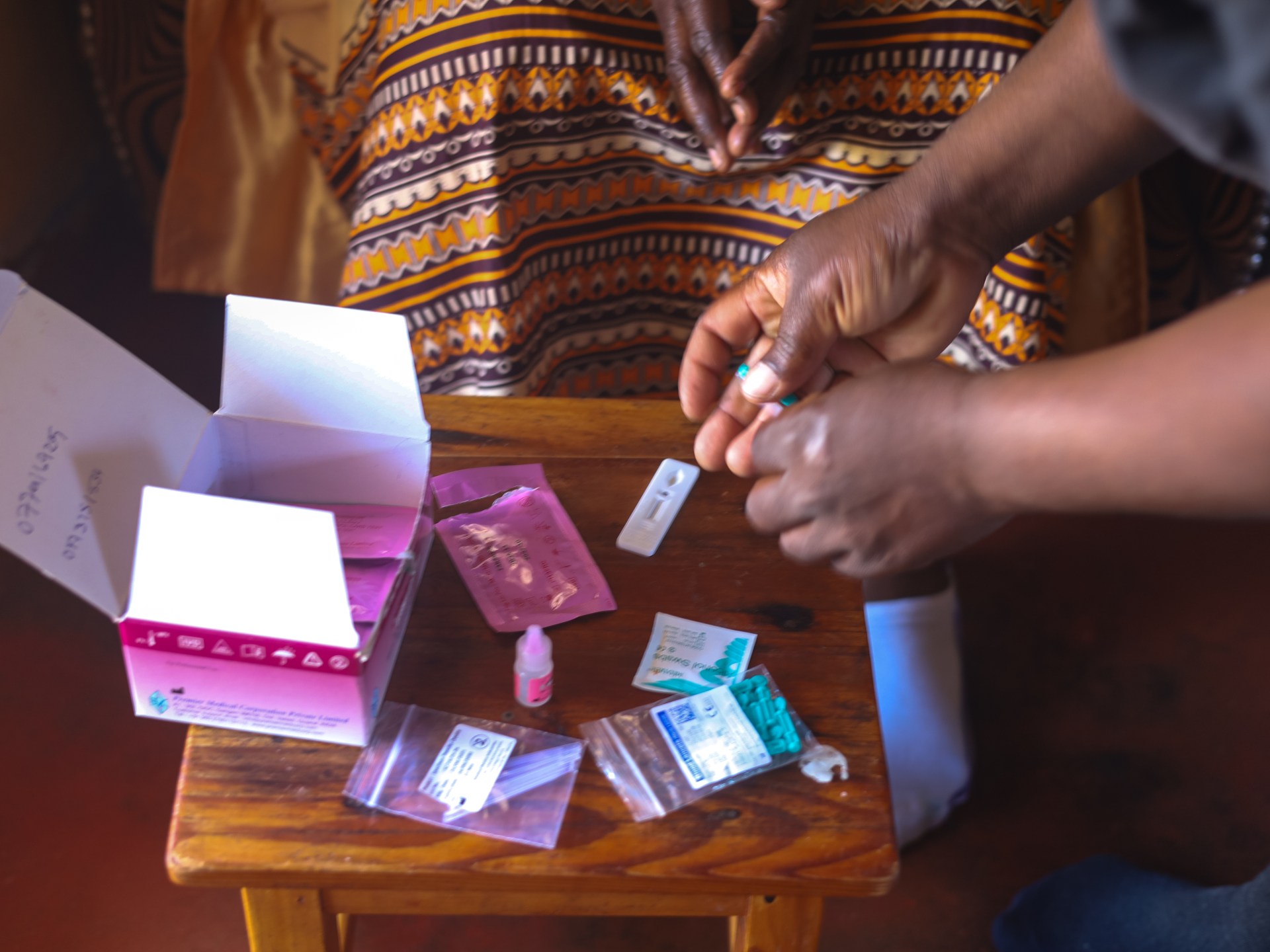
Zimbabwe Grapples with Rising Malaria Incidences
Zimbabwe is currently facing a worrying uptick in malaria cases, a situation that is placing considerable strain on its already delicate health systems, particularly in rural communities. This escalation underscores critical challenges, including diminishing access to vital medical supplies and a healthcare infrastructure struggling to meet demand.
Interplay of Factors Driving the Surge
Several interconnected factors appear to be contributing to this alarming trend. A primary concern is the reduction in international aid, which has historically played a crucial role in supporting public health initiatives across the nation. These funding cuts directly impact the procurement of antimalarial drugs, diagnostic tools, and preventative measures such as insecticide-treated nets and indoor residual spraying programs.
The withdrawal or reduction of external support inevitably creates gaps in a country's ability to combat diseases effectively, especially in regions where local resources are already stretched thin.
Compounding the issue are the effects of climate change. Zimbabwe, like many other sub-Saharan African nations, is experiencing altered weather patterns characterized by more unpredictable rainfall and higher temperatures. These climatic shifts create more conducive breeding grounds for mosquitoes, the vectors responsible for transmitting the malaria parasite. Extended rainy seasons or unseasonal downpours can lead to an increase in stagnant water bodies, providing ideal conditions for mosquito larvae to thrive and mature. Warmer temperatures also accelerate the parasite's development cycle within the mosquito, leading to a higher transmission potential.
Impact on Rural Healthcare Systems
The impact of this surge is most acutely felt in Zimbabwe's rural areas. These regions often lack adequate healthcare facilities, trained personnel, and consistent access to medicines. When malaria cases rise, existing clinics become overwhelmed, and the limited stock of antimalarial drugs quickly depletes. Patients in remote villages may face long journeys to reach the nearest health center, further delaying diagnosis and treatment, which can be critical for preventing severe illness and death.
Challenges in Treatment and Prevention
The shortage of antimalarial drugs is a critical concern. Without a steady supply of effective medications, healthcare providers are constrained in their ability to treat patients promptly and effectively. This not only jeopardizes individual health outcomes but also increases the risk of drug resistance developing if treatments are incomplete or inconsistent. Furthermore, the disruption of preventative campaigns, such as the distribution of insecticide-treated bed nets and comprehensive spraying programs, leaves communities more vulnerable to mosquito bites and subsequent infection.
Need for Integrated Solutions
Addressing this complex public health crisis requires a multi-faceted approach. There is an urgent need to re-evaluate and potentially increase funding for malaria control programs, both from domestic sources and international partners. Strengthening the healthcare infrastructure in rural areas, including improving access to essential medicines and diagnostic tools, is paramount. Additionally, integrating climate change adaptation strategies into public health planning is crucial for anticipating and mitigating the health impacts of environmental shifts.
Public health education campaigns are also vital to inform communities about malaria prevention, early symptom recognition, and the importance of seeking timely treatment. Engaging local communities in mosquito control efforts can also be an effective strategy to reduce breeding sites and minimize exposure.
The current situation in Zimbabwe serves as a stark reminder of the interconnectedness of global health, climate resilience, and sustainable development. A robust and well-funded health system, resilient to external shocks and environmental changes, is essential for protecting populations from preventable diseases like malaria.
Source: Al Jazeera
Related Articles
 health
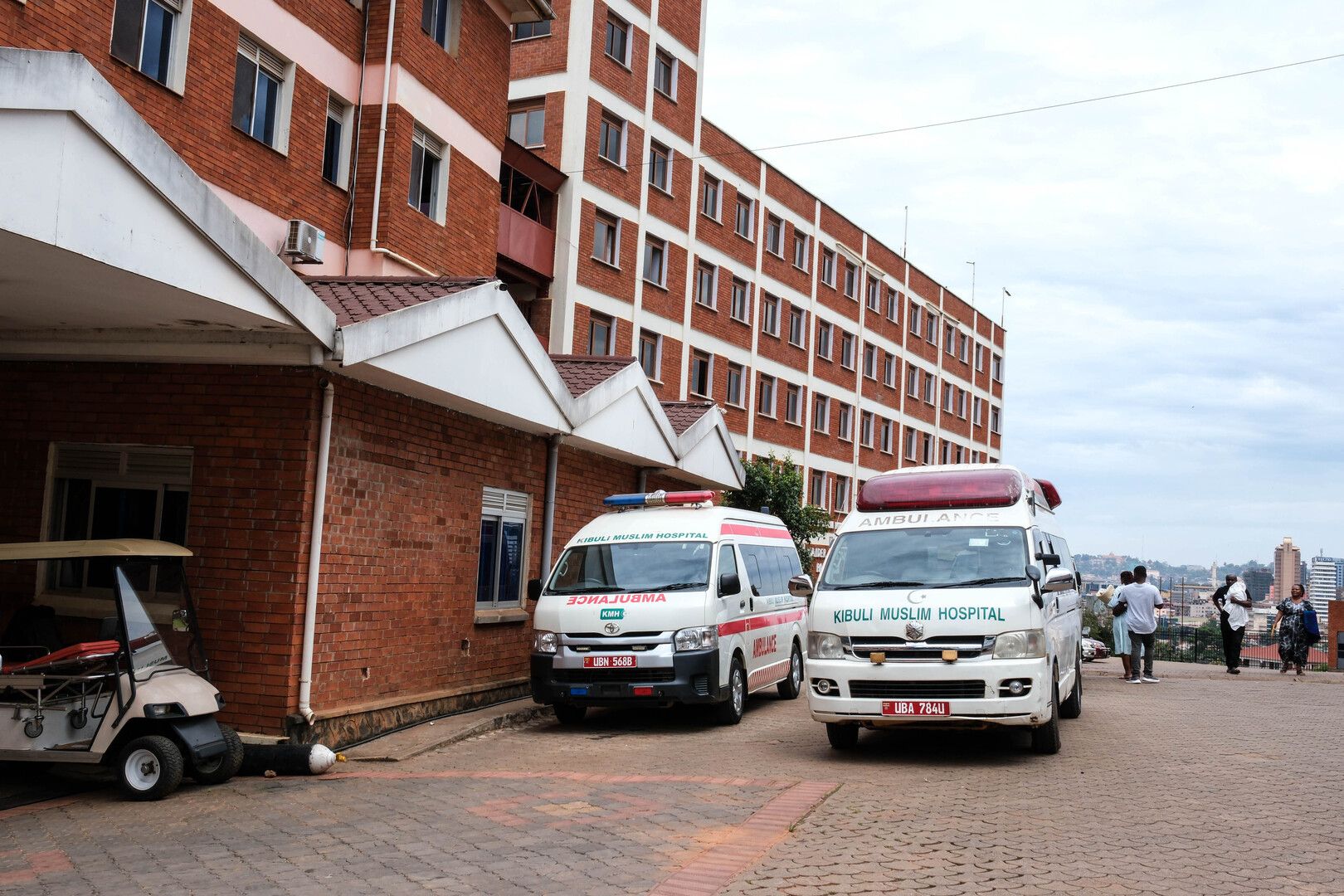
Uganda Implements Border Closure with DRC to Combat Ebola Spread
 health
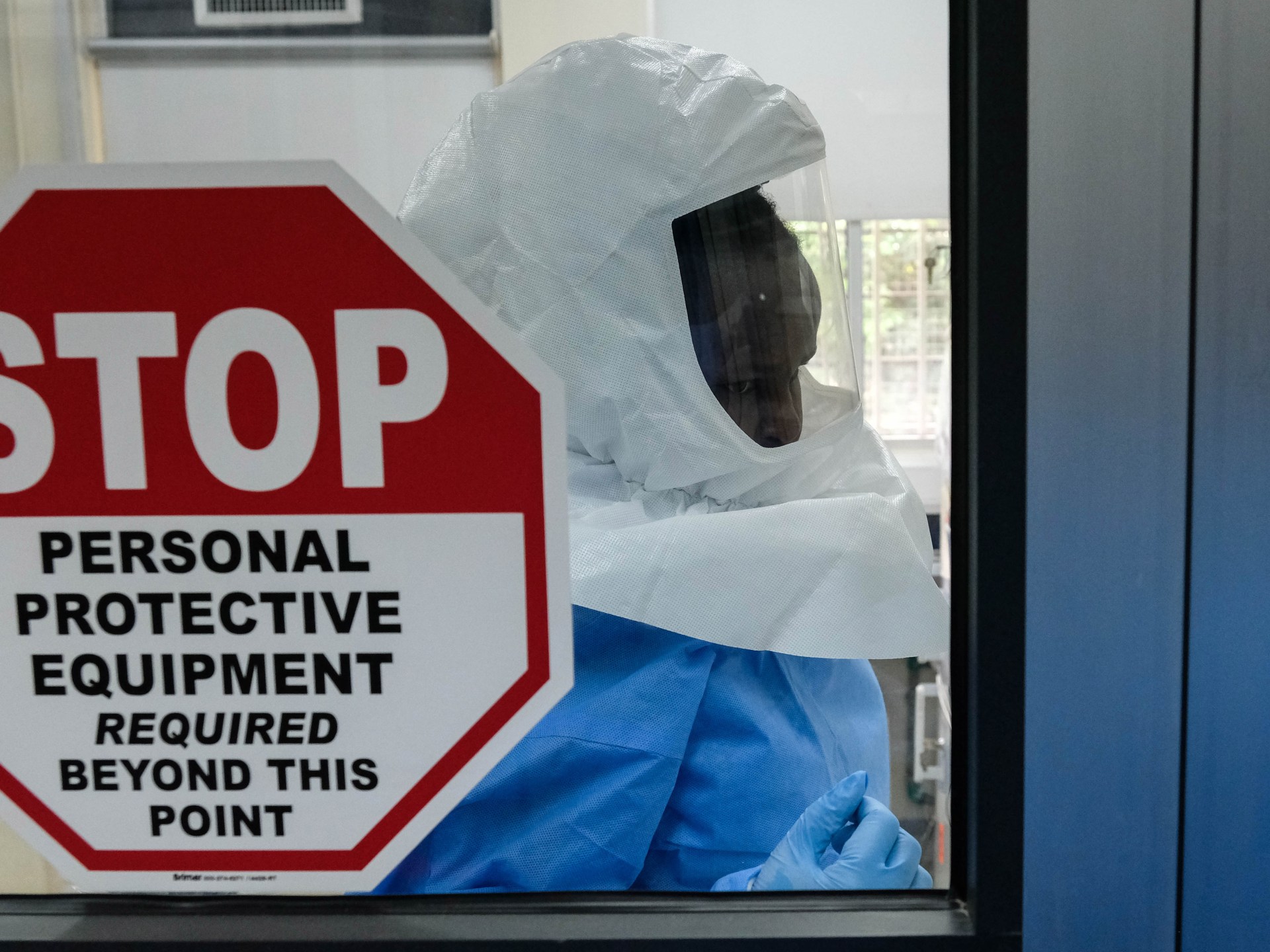
Nations Implement Varied Measures Amidst Rare Ebola Strain Concerns
 health
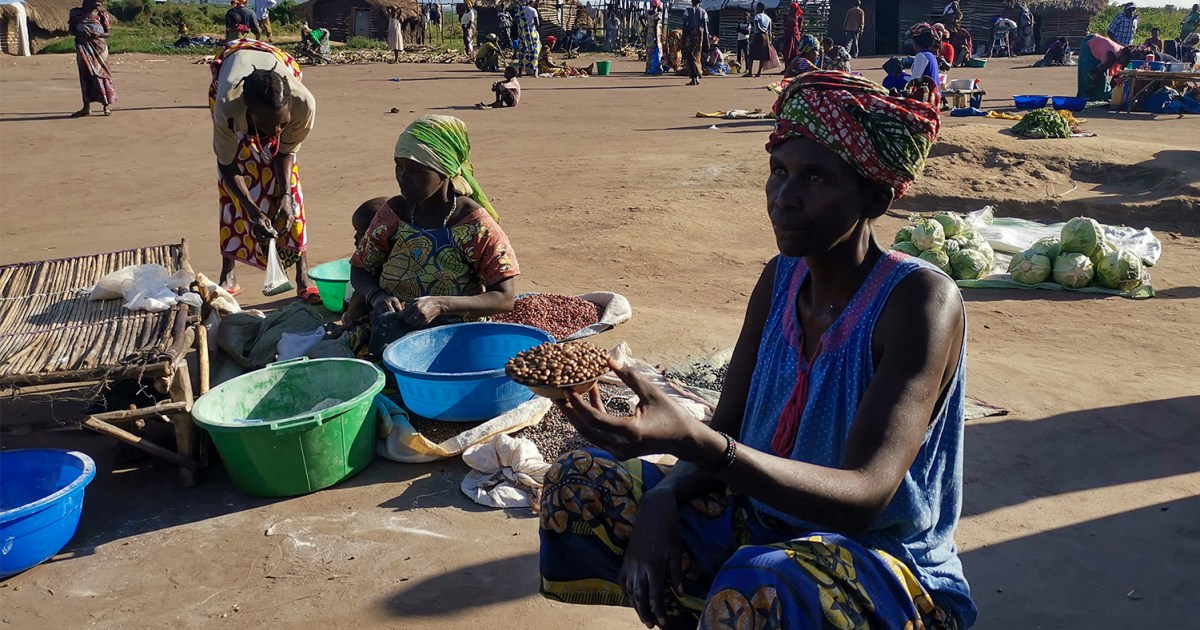
Ebola Concerns Lead to Isolation and Economic Strain in DRC's Bunia
 health