
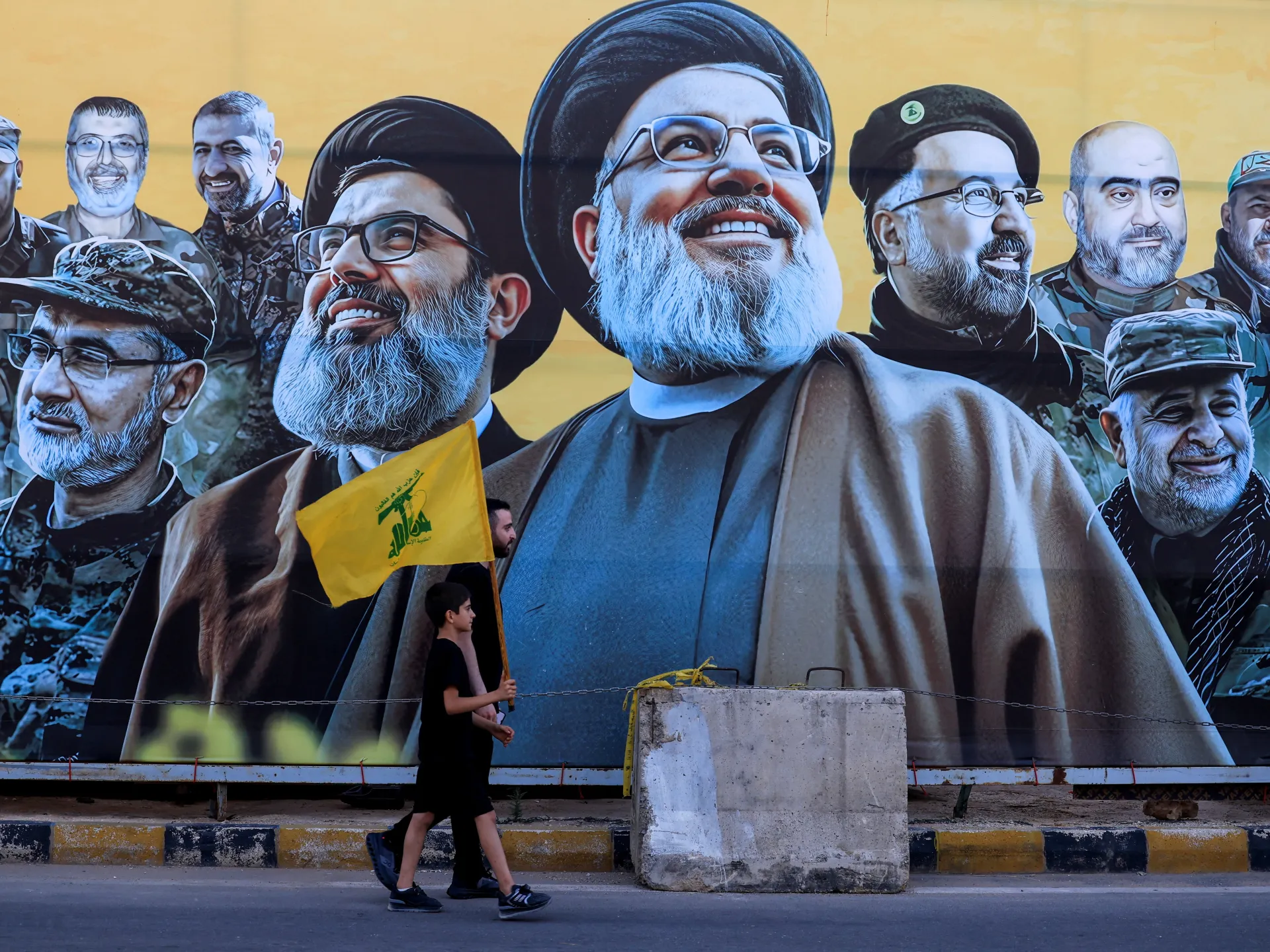
The Intertwined Destinies of Lebanon and the Iran-US Deal
A recently established memorandum of understanding (MoU) between the United States and Iran explicitly calls for "the immediate and permanent termination of military operations on all fronts, including Lebanon," involving both nations and their respective allies. This interim agreement, formalized recently, further reinforces that the final accord will confirm the cessation of hostilities across all operational areas, including Lebanon. Despite these clear stipulations, Israeli military activities in Lebanon have persisted following the MoU's signing. These continued operations have resulted in a death toll exceeding 4,000 since Israel's air and ground offensive commenced on March 2. The escalation prompted Iran to postpone planned talks with the US in Switzerland, highlighting the fragility of the nascent diplomatic efforts.
Both the Lebanese armed group Hezbollah and the Lebanese government have demanded a complete Israeli withdrawal from Lebanese territory. While Hezbollah advocates for linking Lebanon's situation to the broader Iran negotiations, the Lebanese government prefers direct discussions with Israel. According to Michael Young, a Lebanon expert at the Carnegie Middle East Center, Lebanon's inclusion at the outset of the agreement underscores Iran's conviction that the territorial integrity of Lebanon is fundamental to the MoU's success.
Israel's Stance and Regional Ramifications
The conflict between Israel and Iran-backed Hezbollah has been ongoing since October 2023. However, Israel has twice intensified its offensive, in September 2024 and again in March of this year, launching extensive bombardments and conducting ground incursions into Lebanese territory. The March escalation followed Hezbollah's first attack on Israel in over a year, which occurred after the assassination of Iranian Supreme Leader Ali Khamenei and was presented as a response to over 10,000 Israeli ceasefire violations since late 2024. Since then, over 4,057 individuals have been killed in Lebanon, with more than 12,121 wounded. Israeli forces have reportedly targeted paramedics and journalists and have razed numerous villages.
Despite repeated attempts by the US to broker ceasefires in Lebanon, the situation on the ground has remained volatile. US President Donald Trump has publicly expressed concerns, stating that Israel needs to reduce its operations in Lebanon. However, Israeli officials have consistently asserted their right to continue military actions in the country. Speaking at a G7 summit in France, Trump remarked, "Israel is fighting Hezbollah too long, and too many people are being killed." He added, "You don’t have to knock down an apartment house every time you’re looking for somebody because there are a lot of people in those apartment houses and they’re not all Hezbollah. That I can tell you." Trump also conveyed his dissatisfaction with Israel's handling of the situation, suggesting they should have completed the task more swiftly.
Analysts suggest that Lebanon's prominent mention in the MoU indicates Iran's strong interest in the country's stability. The US, which maintains positive bilateral relations with the Lebanese government, may be inclined to exert pressure on Israel to cease its military activities. David Wood, the International Crisis Group’s senior analyst on Lebanon, believes the US aims to compartmentalize the conflicts in Lebanon and Iran. He suggests that the US could assist Lebanon by insisting on Israel's implementation of the June 3 proposal for a bilateral ceasefire. This approach, Wood argues, would empower the Lebanese state to demonstrate its capacity for effective control over its territory and defend the nation through nonviolent means, contrasting with Hezbollah's armed resistance strategy.
However, Israel's intentions may diverge. Young speculates that Israel might attempt to undermine the MoU and the US-Iran talks by continuing the conflict in Lebanon. Karim Safieddine, a nonresident fellow at the Tahrir Institute for Middle East Policy, also posits that Israel lacks any significant political, technological, industrial, or economic incentive to halt its war in Lebanon.
Hezbollah's Role and Internal Dynamics
Iran faces the challenge of determining its response should Israel persist in its attacks on Lebanon, especially if the US proves unable or unwilling to pressure the Israeli government. Safieddine notes internal divisions within Iran, including within its state apparatus, regarding the extent to which it should intervene to ensure the cessation of Israeli aggression in Lebanon. Following renewed Israeli attacks on Lebanon despite another declared ceasefire, Iran responded by announcing the closure of the strategically and economically vital Strait of Hormuz once more.
Many Lebanese citizens harbor hopes that the MoU will signal an end to the conflict. Yet, several unresolved issues remain. In a recent address, Hezbollah Secretary-General Naim Qassem commended Iran, stating, "We… thank the Islamic Republic of Iran for linking Lebanon’s arena as both a resistance movement and a people to a spirit of readiness for sacrifice that compelled" Israel to "halt its aggression."
Direct negotiations between Israel and Lebanon are scheduled to resume next week, with Hezbollah's disarmament remaining a significant point of contention. The Lebanese government had initiated efforts to disarm the group in early 2025, but the second Israeli intensification of the conflict brought these efforts to a halt. Wood observes that Lebanon's political leadership is in a difficult position under the US-Iran MoU. While Lebanon understandably seeks to control its own future and end the Israel-Hezbollah war, President Joseph Aoun's welcome of Iran's insistence on including a Lebanon ceasefire in the MoU, despite its limited immediate impact, is understandable. Wood concludes that Lebanon possesses limited agency in addressing the fundamental conflict between Israel and Hezbollah, necessitating external support in the foreseeable future.
Related Articles
 news
news
Former Trump Aide Praises Iran's World Cup Visa Approvals Amid Logistical Challenges
 news
news
Family Grieves Loss of Al Jazeera Cameraman in Gaza Airstrike
 news
news
Tributes Pour in for Slain Gaza Journalist Ahmed Wishah Amidst Ongoing Conflict
 news
news