
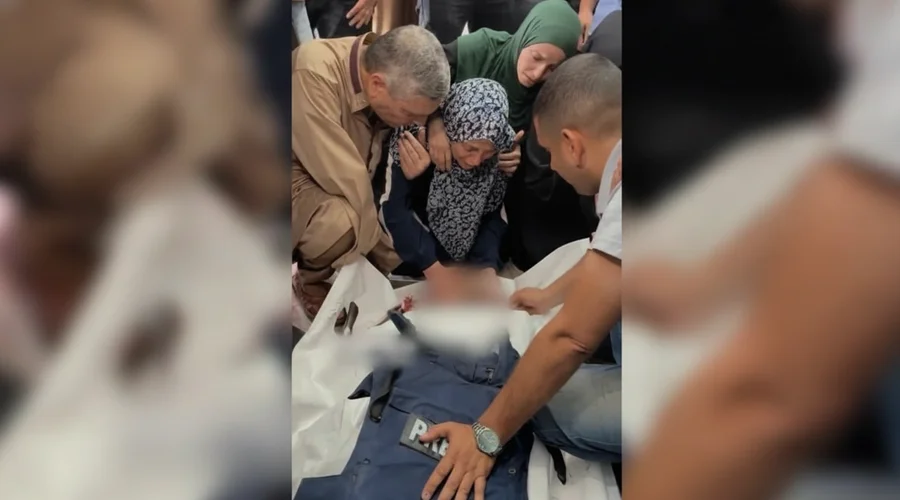
Tragic Loss in Bureij Refugee Camp
The Bureij refugee camp in central Gaza has become the scene of profound sorrow following an Israeli airstrike that resulted in the death of Ahmed Wishah, a cameraman for Al Jazeera. Wishah's passing has deeply affected his family, particularly his mother, whose initial encounter with her son's body was captured, illustrating the raw grief experienced by those impacted by the ongoing hostilities in the region. This incident underscores the precarious and often perilous environment in which journalists strive to report from conflict zones, frequently putting their lives at risk to document events for a global audience.
The Human Cost of Conflict
Ahmed Wishah's death is a somber reminder of the human cost of armed conflict, extending beyond combatants to include civilians and those working to inform the public. His role as a cameraman meant he was often on the front lines, capturing images and stories that convey the realities of life in Gaza. The emotional toll on families and communities in such circumstances is immense, with each loss representing a personal tragedy that reverberates through their lives. The images of his mother's grief serve as a powerful testament to the devastating impact of violence on individuals and families.
Journalism Under Fire
The targeting or accidental killing of journalists in conflict areas is a recurring concern for international organizations and human rights advocates. Journalists, by virtue of their profession, are often required to be present in dangerous locations to gather news, making them vulnerable to the dangers inherent in warfare. The principles of international humanitarian law generally afford protection to journalists, recognizing their vital role in providing information during times of crisis. However, the reality on the ground often diverges from these protections, leading to tragic outcomes such as Wishah's death.
Al Jazeera, as a prominent international news organization, has frequently highlighted the challenges and dangers faced by its staff and other media professionals operating in volatile regions. The network has, on multiple occasions, called for greater protection for journalists and thorough investigations into incidents where media personnel are killed or injured while performing their duties. The loss of a team member like Ahmed Wishah not only impacts his family and colleagues but also raises broader questions about accountability and the safety of those tasked with reporting from the world's most dangerous places.
Context of the Incident
The airstrike that claimed Wishah's life occurred in the Bureij refugee camp, an area that has experienced significant military activity. Refugee camps in Gaza, despite being densely populated civilian areas, have frequently been caught in the crossfire of the conflict. The precise circumstances surrounding the strike that killed Wishah are part of a larger pattern of incidents in the region, where infrastructure and residential areas have sustained considerable damage, and civilian casualties have been reported.
Understanding the context of such events requires acknowledging the complex dynamics of the conflict. Each side often presents its narrative, and independent verification of incidents can be challenging amidst ongoing hostilities. However, the consistent thread through these events is the profound impact on human lives, particularly those who are non-combatants or who are engaged in essential civilian functions, such as journalism.
The Role of Media in Conflict
The presence of journalists like Ahmed Wishah in conflict zones is crucial for providing independent reporting and eyewitness accounts. Their work helps to shape public understanding of events, hold powerful actors accountable, and document human experiences during times of crisis. Without the dedication of such individuals, information vacuums can emerge, making it more difficult for the international community to respond effectively to humanitarian needs or to advocate for peaceful resolutions.
The dangers associated with this vital work are immense. Journalists often operate in environments where infrastructure is compromised, communication lines are unreliable, and the threat of violence is constant. Despite these risks, many continue their work, driven by a commitment to truth and the belief that the world needs to know what is happening. Wishah's legacy, therefore, extends beyond his individual life to represent the broader commitment of journalists to inform and bear witness, even at great personal cost.
Calls for Investigation and Protection
In the wake of such tragedies, there are often renewed calls from international bodies, press freedom organizations, and human rights groups for independent investigations into the circumstances of journalists' deaths. These calls aim to ensure accountability for any violations of international law and to deter future attacks on media professionals. Furthermore, there is a continuous push for all parties involved in conflicts to uphold their obligations under international humanitarian law, which includes protecting civilians and ensuring the safety of journalists.
The death of Ahmed Wishah serves as a poignant reminder of the urgent need for these protections to be not just theoretical but practically enforced on the ground. His story adds to a growing list of journalists who have lost their lives while reporting from conflict zones, highlighting a persistent and critical issue for the global media community and advocates for press freedom worldwide.
Source: Original Article
Related Articles
 news
news
Former Trump Aide Praises Iran's World Cup Visa Approvals Amid Logistical Challenges
 news
news
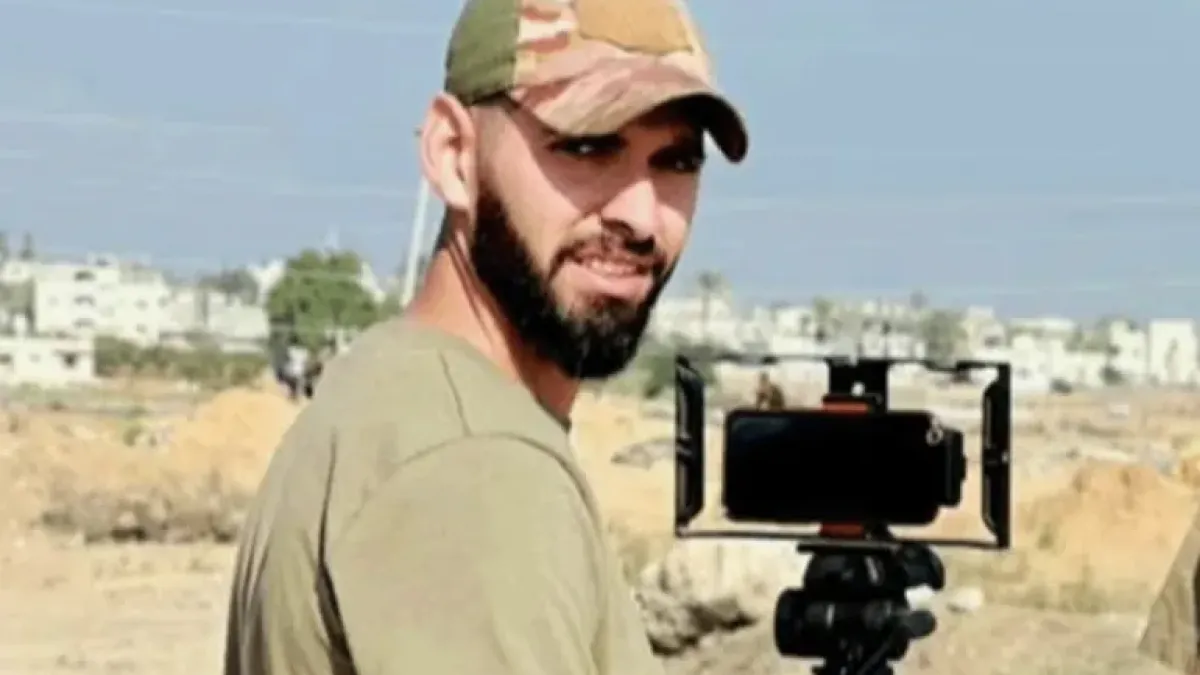
Tributes Pour in for Slain Gaza Journalist Ahmed Wishah Amidst Ongoing Conflict
 news
news
Ukrainian Strikes Target Oil Infrastructure in Crimea and Krasnodar Amid Escalated Attacks
 news
news