
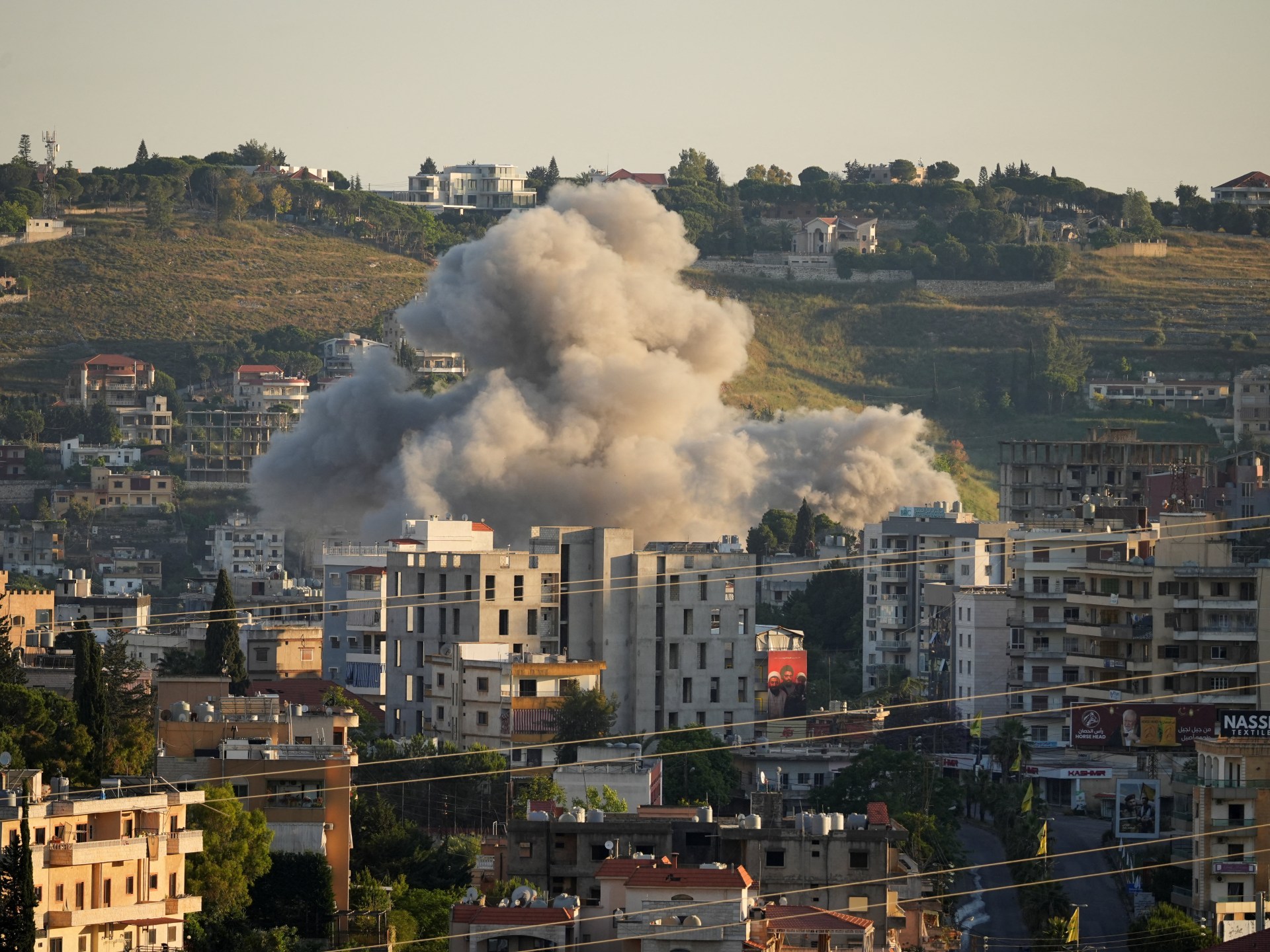
Funeral Plans Underway for Lebanese Soldiers
Funerals are scheduled for Sunday for three Lebanese military personnel who lost their lives in an Israeli attack in southern Lebanon. The deceased, identified as a brigadier general, a captain, and a soldier, were killed when their military vehicle was struck on the Khardali-Nabatieh road. The Israeli army has stated it is investigating the incident.
Army Chief's Surprise Visit to Pakistan
Amidst these developments, Lebanon’s army chief, Rodolphe Haykal, embarked on a surprise visit to Pakistan. This visit is particularly noteworthy given Pakistan's emerging role as a key mediator in broader discussions between the United States and Iran. Lebanese leaders, including the president, have consistently emphasized the importance of keeping ceasefire negotiations for Lebanon distinct from the wider US-Iran talks.
Continued Violence Despite Ceasefire Efforts
A ceasefire initially agreed upon on April 17 was intended to halt hostilities between Israel and Hezbollah. However, Israel has reportedly continued near-daily attacks, leading to retaliatory actions from the Lebanese group. Since hostilities resumed on March 2, the violence has resulted in a significant civilian toll in Lebanon, with over 3,500 fatalities.
Last week, Lebanese and Israeli envoys announced a conditional ceasefire in Washington. This proposal was subsequently rejected by Hezbollah, citing its exclusion from the agreement and the absence of provisions for Israel's withdrawal from southern Lebanon.
Intensified Strikes Across Southern Lebanon
Overnight, Israeli attacks targeted numerous towns across southern Lebanon and the western Bekaa region. In response, Hezbollah claimed responsibility for launching rockets, artillery fire, and drone attacks against Israeli forces, including an area near the Beaufort Castle in Yohmor al-Shaqif.
Lebanon's Ministry of Public Health reported on Sunday that an Israeli raid on Saksakiyeh killed at least two people and wounded 22 others, including three children and a woman. Additionally, two individuals were injured in an Israeli drone attack on Shahabiyeh, as reported by Lebanon’s National News Agency (NNA). Further Israeli air attacks were reported in Qalawiya, al-Qatrani, Byblos, Rihan, Deir Kifa, Barashit, Chaqra, al-Mansouri, Bayt al-Sayyad, Srifa, and Dweir.
Paramedics are actively searching for survivors amidst the rubble following these attacks. Observers have noted a pattern of actions in Lebanon reminiscent of those seen in Gaza, including the targeting of schools, hospitals, clinics, and journalists, as well as 'double-tap' attacks on paramedics and rescue workers. Concerns have also been raised about the expansion of 'Yellow Lines' in Lebanon, similar to those established in Gaza, which reportedly encompass a significant portion of the territory.
Call for Negotiations Amidst Power Imbalance
Najat Aoun Saliba, an independent member of Lebanon’s parliament, condemned the killing of the Lebanese soldiers and stressed the necessity for President Joseph Aoun to engage in negotiations with Israel. She argued that war is not a viable alternative for achieving peace, especially given the significant power disparity between the Israeli and Lebanese armies. Saliba highlighted that the Lebanese Armed Forces have been intentionally weakened over the past three decades to bolster Hezbollah's presence, and that Hezbollah has proven unable to prevent Israeli aggression.
Broader Regional Context and Calls for a Solution
The deaths of Brigadier General Wissam Sabra, Captain Elie Khoury, and soldier Hussein Ghozal occur at a critical juncture, amidst wider diplomatic efforts to broker an agreement involving the US, Iran, Hezbollah, the Lebanese government, and Israel. Lebanese President Joseph Aoun described the attack as an attempt to undermine all efforts towards a resolution, while Prime Minister Nawaf Salam characterized it as a heinous crime against Lebanon and its people.
Lebanon became involved in the broader Middle East conflict following an attack by Iran-backed Hezbollah on Israel on March 2, which came after joint US-Israeli attacks on Iran. Tehran has made a ceasefire in Lebanon between Israel and Hezbollah a prerequisite for any peace deal with Washington.
Source: Original Article
Related Articles
 world
world
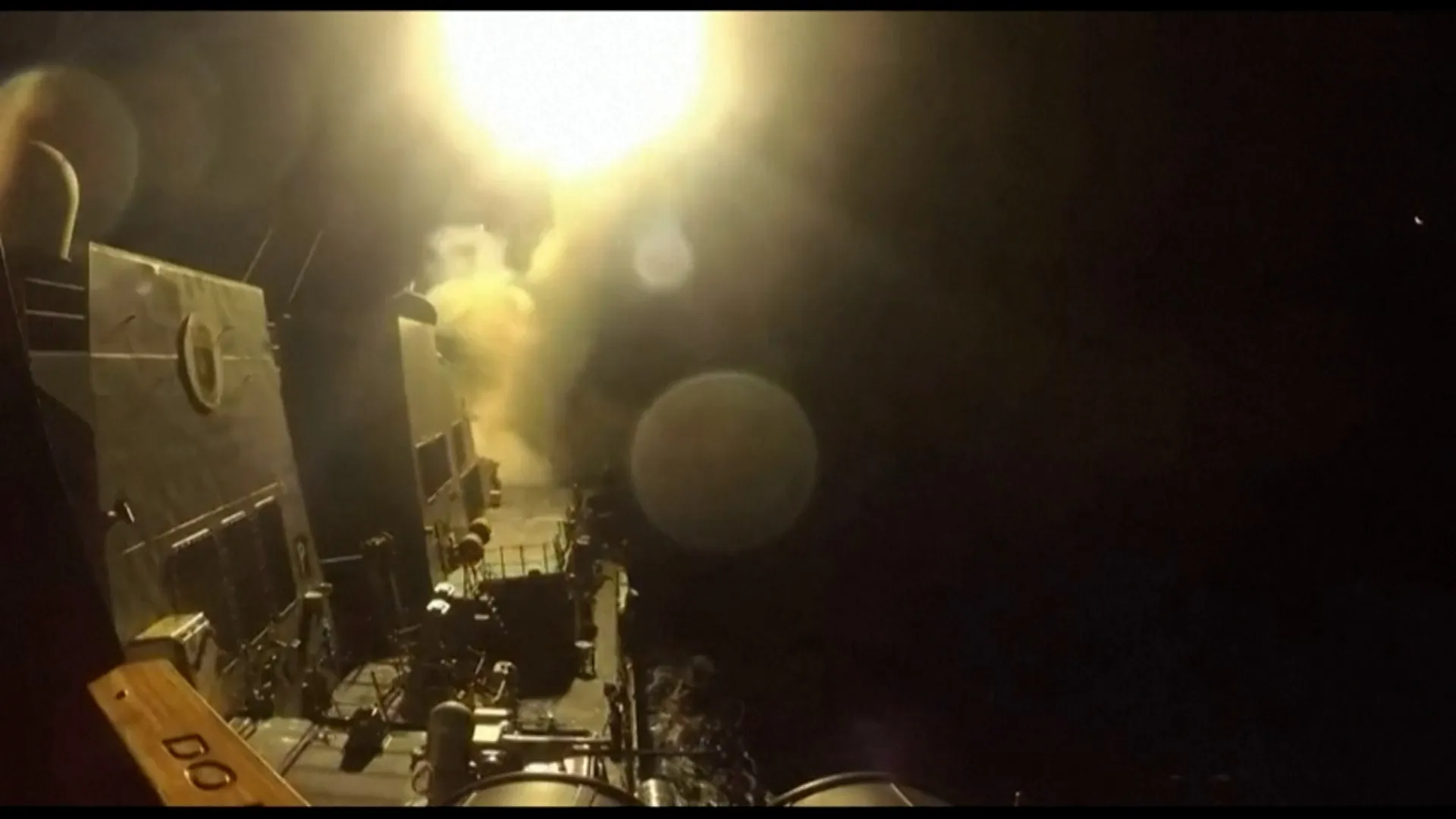
US Central Command Publishes Footage of Strikes Against Iranian Targets
 world
world
Allegations of Sexual Violence Surface in Israeli Detention Facilities
 world
world
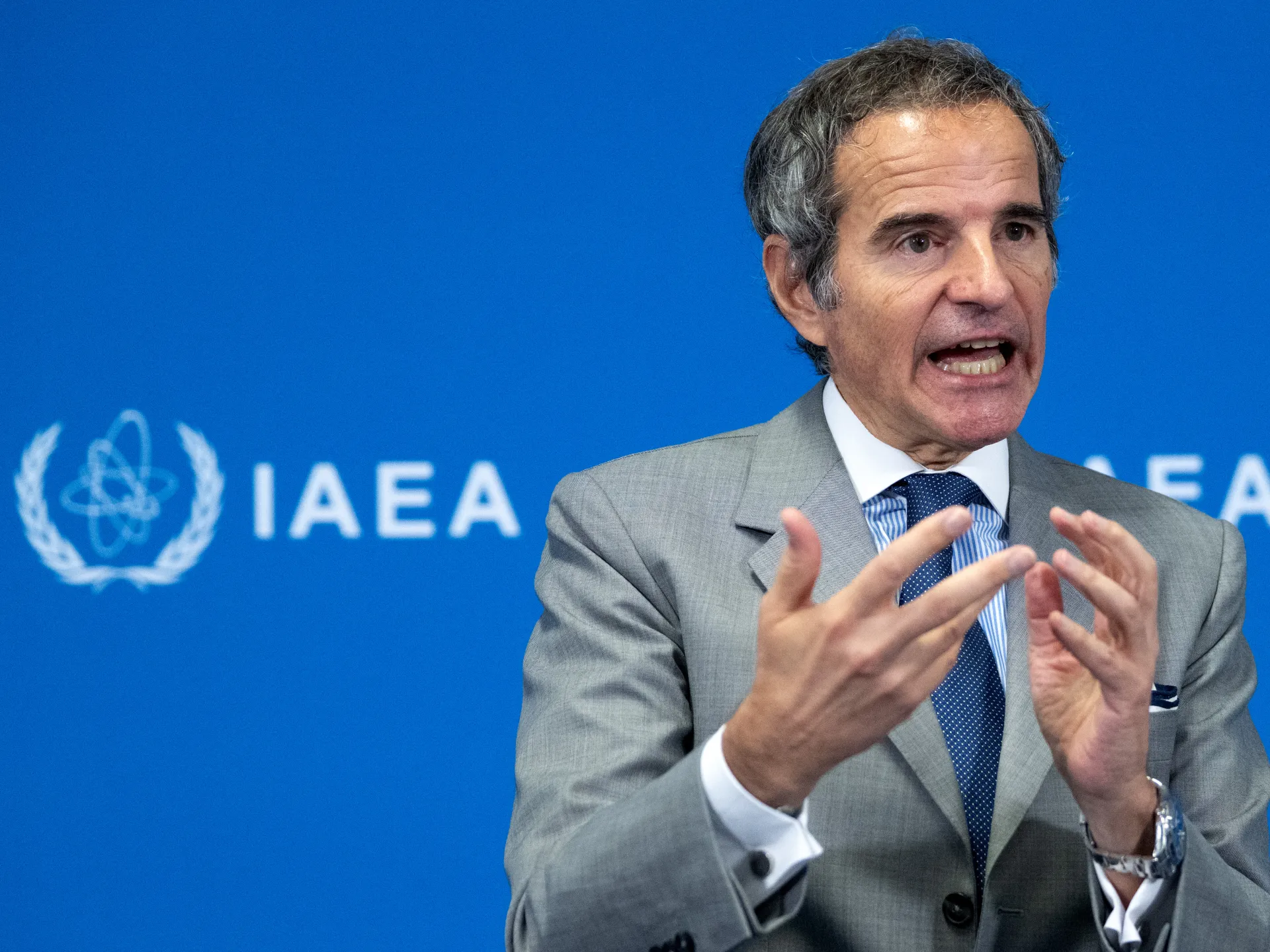
UN Watchdog Demands Iran Account for Enriched Uranium Stockpiles Amid Regional Tensions
 world
world