Kyrgyzstan's Proactive Stance on Sanctions Evasion
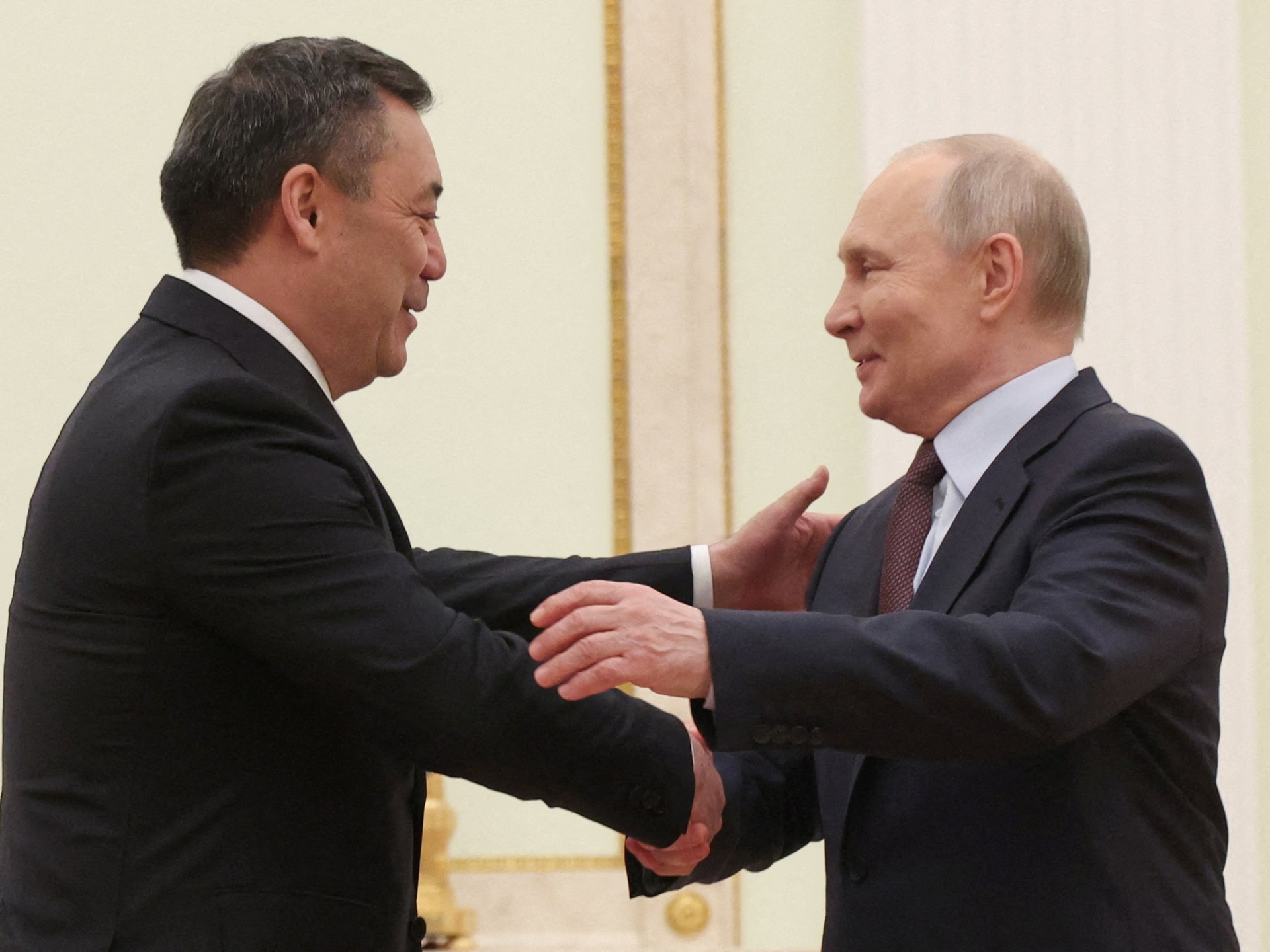
The Central Asian nation of Kyrgyzstan has recently taken decisive action against a significant number of businesses, specifically targeting around 50 firms on suspicion of assisting Russia in circumventing international sanctions. This move by Bishkek is widely interpreted by analysts as a pre-emptive measure, reflecting the Kyrgyz government's growing apprehension about the possibility of facing secondary sanctions itself.
The Context of International Sanctions
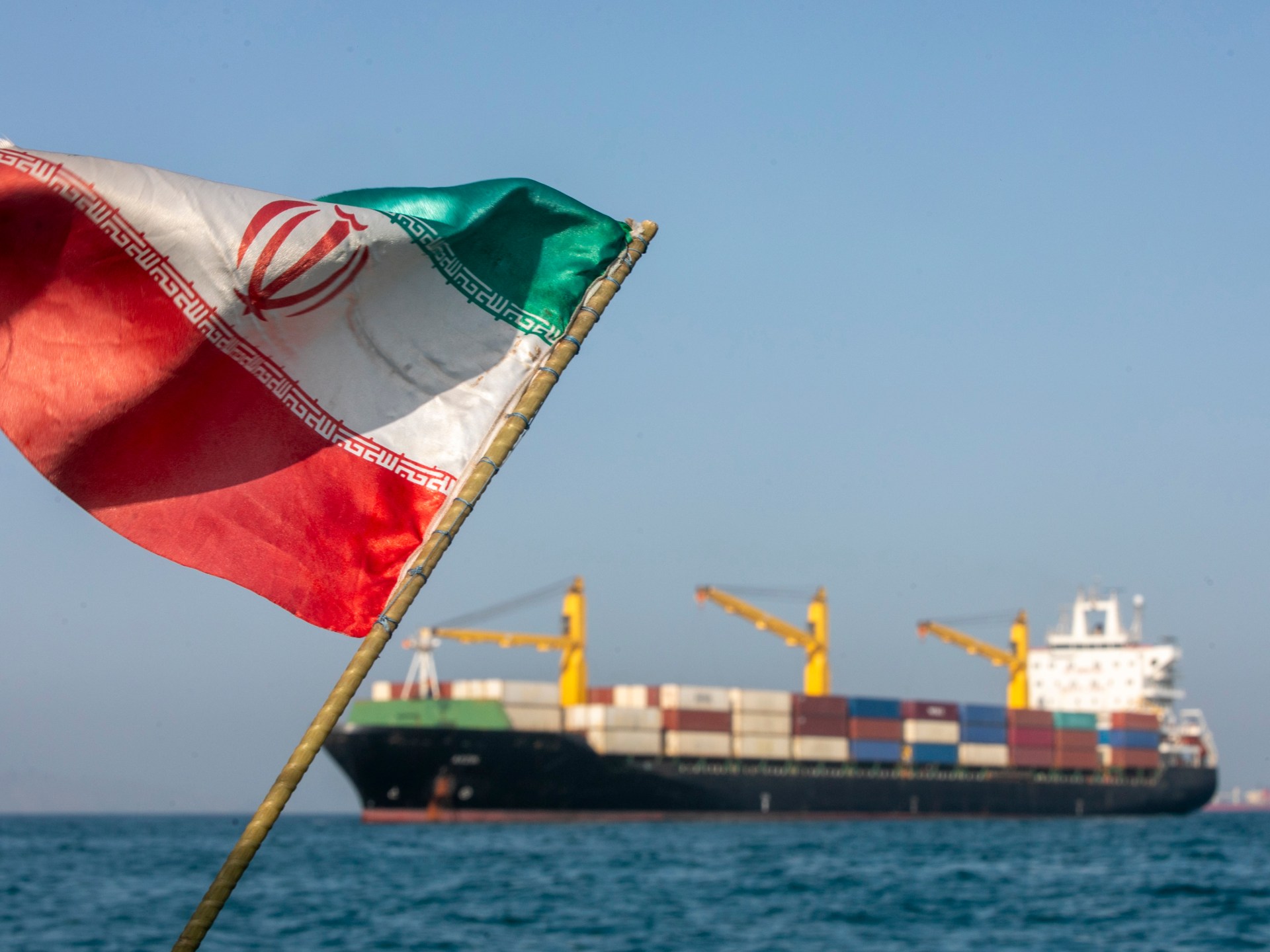
Since the full-scale invasion of Ukraine, Russia has been subjected to extensive economic sanctions by numerous Western countries, including the United States, the European Union, and the United Kingdom. These sanctions aim to cripple Russia's economy and its ability to finance its military operations. Consequently, there has been an increased focus on countries and entities that might be inadvertently or deliberately aiding Russia in circumventing these restrictions, leading to a global effort to prevent sanctions evasion.
Bishkek's Motivations: Avoiding Secondary Sanctions
Analysts suggest that Kyrgyzstan's recent crackdown is primarily motivated by a desire to avoid becoming a target of secondary sanctions. Secondary sanctions are penalties imposed by a country (typically the U.S.) on entities from a third country for engaging in certain transactions with a sanctioned country. For a relatively small economy like Kyrgyzstan's, being subjected to such sanctions could have severe repercussions, including restricted access to international financial systems, reduced foreign investment, and damage to its reputation.
“Bishkek is keenly aware of the risks associated with being perceived as a hub for sanctions evasion,” commented a regional expert. “Their actions demonstrate a clear intent to safeguard their economic ties with Western partners and avoid any measures that could isolate them financially.”
The Kyrgyz government's proactive approach signals a recognition of the importance of adhering to international norms and demonstrating compliance with global efforts to enforce sanctions against Russia. This strategy aims to reassure international partners and prevent any accusations of complicity in sanctions evasion.
The Scope of the Crackdown
Details regarding the specific nature of the alleged activities of the 50 companies remain somewhat limited. However, it is generally understood that these firms were suspected of facilitating the flow of goods, technology, or financial services that could directly or indirectly benefit Russia, thereby undermining the effectiveness of existing sanctions regimes. Such activities could range from re-exporting sanctioned goods to providing financial services that obscure the ultimate beneficiaries of transactions.
Economic Implications for Kyrgyzstan
While the immediate impact of closing these companies might involve some economic disruption, the long-term benefits of avoiding secondary sanctions are likely to outweigh these short-term costs. Maintaining good relations with international financial institutions and major trading partners is crucial for Kyrgyzstan's economic stability and development. The government's actions could be seen as an investment in its future economic security, ensuring continued access to global markets and financial systems.
Regional Context and Future Outlook
Kyrgyzstan's actions also reflect a broader trend in Central Asia, where countries are navigating complex geopolitical landscapes. While maintaining historical ties with Russia, these nations are also increasingly looking to diversify their economic and political partnerships. The balancing act involves managing relations with major powers while safeguarding their own national interests and economic well-being.
The crackdown serves as a strong signal to both domestic and international actors that Kyrgyzstan is serious about its commitment to international compliance. It underscores the increasing pressure on countries that might be inadvertently or otherwise involved in facilitating sanctions evasion, highlighting the global reach and impact of the current sanctions regimes.
Source: Al Jazeera