
Overview of Recent Events
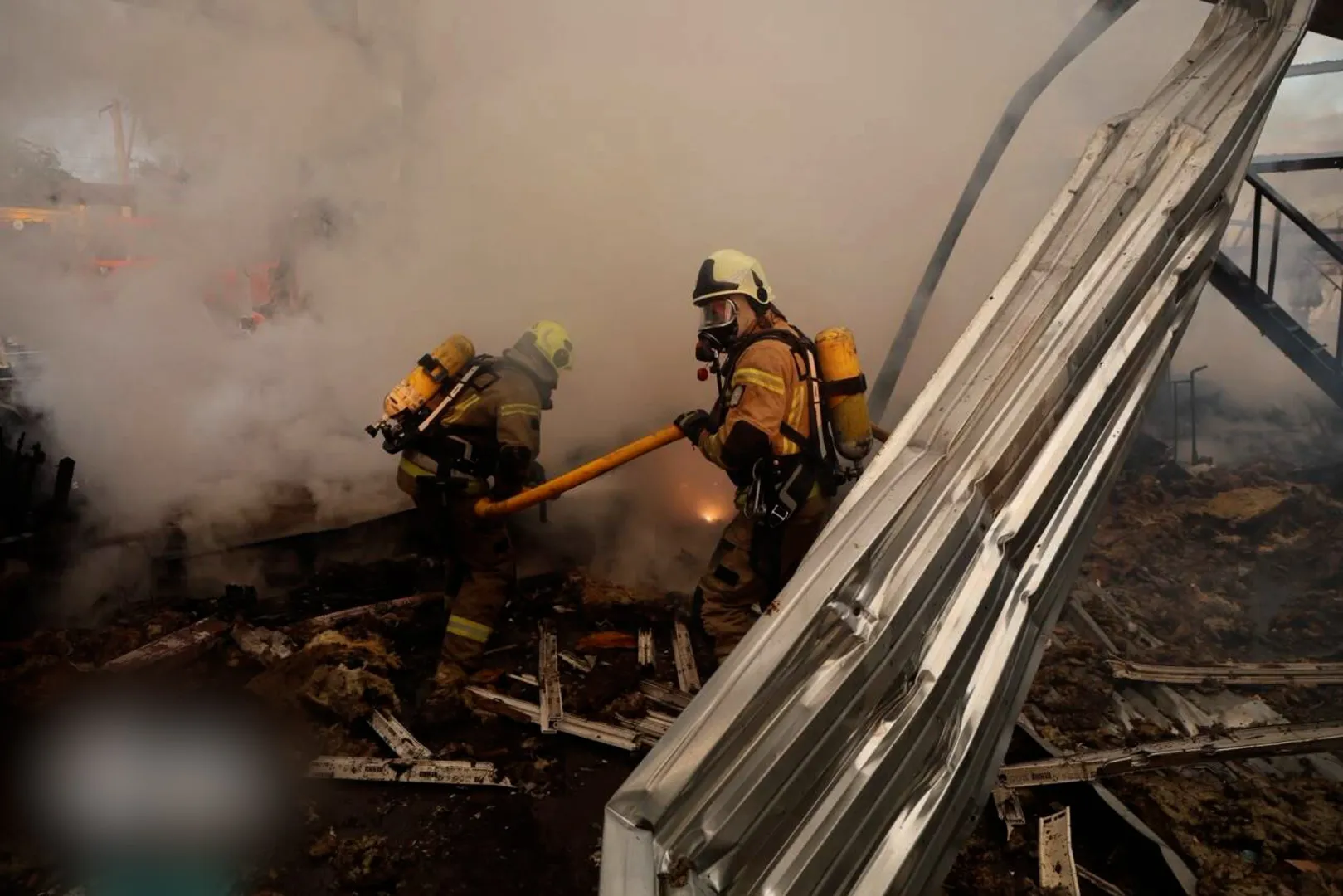
The Ukrainian capital, Kyiv, was subjected to a series of overnight missile strikes attributed to Russian forces, leading to the injury of ten people. This event on July 11, 2026, contributes to a pattern of heightened aggression against the city, which has seen an increase in such incidents over recent weeks. The attacks have not been isolated, with previous strikes in the current month reportedly causing over 60 fatalities in Kyiv and its adjacent regions. The situation underscores the ongoing volatility and the significant human impact of the protracted conflict.
Allegations Regarding Strike Targets
In the aftermath of the overnight assaults, Russia has issued statements asserting that the strikes were specifically aimed at defense industry facilities. According to Russian claims, these operations utilized high-precision weaponry, suggesting a strategic intent behind the targeting. Such declarations often accompany military actions, aiming to justify operations and delineate the nature of the targets involved. However, independent verification of these claims remains challenging amidst active hostilities.
Escalation of Attacks on Kyiv
The recent intensification of attacks on Kyiv represents a notable shift in the conflict dynamics. While the capital has been a target at various points throughout the hostilities, the frequency and impact of recent strikes have raised concerns among residents and international observers alike. The accumulation of casualties, particularly the more than 60 reported deaths in the current month alone, highlights the severe consequences of these aerial bombardments. The sustained targeting of urban centers poses significant humanitarian challenges, including the displacement of populations, damage to infrastructure, and the psychological toll on civilians.
Military analysts often interpret such escalations as attempts to degrade an adversary's military capabilities, disrupt supply lines, or exert psychological pressure. The focus on what Russia describes as 'defense industry facilities' aligns with a strategy of undermining Ukraine's ability to produce or repair military equipment. However, the proximity of these alleged targets to civilian areas invariably leads to collateral damage and civilian casualties, which are consistently reported by Ukrainian authorities.
International Response and Humanitarian Concerns
The international community has consistently expressed alarm over the targeting of civilian areas and the increasing casualty figures in Ukraine. Organizations like the United Nations and various human rights groups have called for adherence to international humanitarian law, which mandates the protection of civilians and civilian infrastructure during armed conflicts. The repeated strikes on populated centers, regardless of stated military objectives, contribute to a deteriorating humanitarian situation and exacerbate the need for aid and protection for affected populations.
The ongoing nature of these attacks also raises questions about the effectiveness of existing air defense systems and the broader implications for regional security. Efforts to bolster Ukraine's defensive capabilities have been a key aspect of international support, yet the continued success of some Russian strikes indicates persistent vulnerabilities. The long-term consequences of these sustained attacks on Ukraine's urban landscape and its population are profound, affecting not only physical infrastructure but also the social fabric and economic stability of the nation.
In summary, the recent overnight strikes on Kyiv, resulting in ten injuries, are part of an escalating pattern of Russian military actions against the Ukrainian capital. While Russia claims to target defense industry facilities with precision weapons, the human cost, evidenced by recent casualty figures, remains a critical concern. The situation continues to draw international attention and underscores the complex challenges of the ongoing conflict.
Source: Original Article
Related Articles
 news
news
Sudanese Students in Exile Confront Educational Disruption Amidst Conflict
 news
news
Indonesia's Anti-Graft Prosecutor Resigns Amidst Police Investigation
 news
news
Typhoon Bavi Prompts Mass Evacuations Across China as it Approaches
 news
news