
Widespread Aerial Assaults Target Ukrainian Cities
Ukraine has recently experienced one of the most substantial aerial bombardments by Russian forces in several weeks, leading to fatalities among rescue workers in the northeast and igniting a significant fire at a historic cathedral in Kyiv. This escalation in hostilities unfolded even as diplomatic discussions elsewhere offered limited prospects for broader de-escalation.
According to Ukraine's air force, Russia launched 70 missiles and 611 drones during an overnight assault, with the majority directed at the capital. Ukrainian air defense systems reportedly intercepted 50 missiles and 582 drones. In Kyiv, officials reported at least four fatalities and approximately 30 injuries, including children. Missile and drone debris struck residential buildings, marketplaces, and power infrastructure, causing power outages for an estimated 140,000 residents.
Damage to Cultural Heritage and Civilian Infrastructure
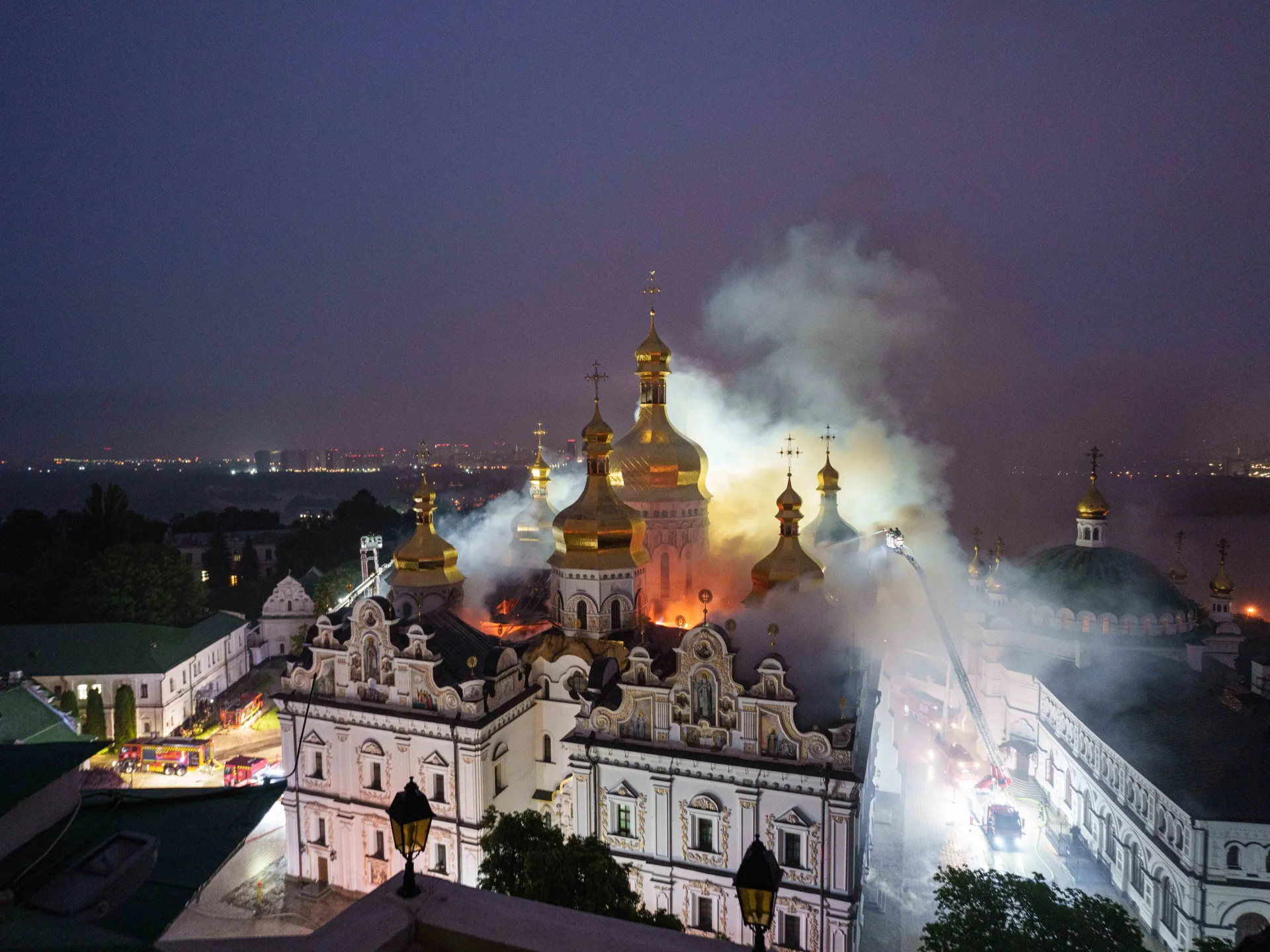
The Dormition Cathedral, situated within the 11th-century Kyiv-Pechersk Lavra monastery complex—a designated UNESCO World Heritage Site—caught fire following what local authorities described as a direct impact. Flames rapidly consumed the roof of the landmark, which overlooks the Dnipro River. Metropolitan Epiphanius of the Orthodox Church of Ukraine condemned the strike as 'a crime against humanity, history, and Christianity,' highlighting the profound cultural and religious significance of the site.
The recent attacks represent one of the most destructive aerial bombardments on Kyiv's cultural and civilian infrastructure in many months, as confirmed by Ukrainian officials. Emergency services in Kyiv struggled to contain a severe blaze that erupted in the early hours on the roof of the Dormition Cathedral, which holds immense spiritual importance for Ukrainian Orthodoxy. Powerful explosions resonated across Kyiv, with a series of ballistic missiles followed by drones prompting many residents to seek shelter underground.
Tactics and Casualties in Other Regions
Beyond Kyiv, additional attacks were reported in various regions. In Kharkiv, officials accused Russia of employing a 'double tap' tactic, launching subsequent strikes on the same location as an initial attack. This strategy tragically resulted in the deaths of four emergency service personnel and one municipal official. Further assaults were documented in Dnipro and the Sumy region, indicating a broad scope of Russian military operations.
Moscow's Ministry of Defense issued a statement asserting that its forces utilized long-range precision weaponry and drones to target military-industrial facilities, conscription offices, and airbases. The ministry maintained that its objectives had been successfully achieved. Concurrently, Ukraine has intensified its own long-range attacks, reporting a drone assault that claimed three lives in the Russian city of Tula and strikes on bridges leading to occupied Crimea, aimed at disrupting supply lines.
Diplomatic Efforts Amidst Ongoing Conflict
This latest escalation in fighting coincided with separate diplomatic engagements. Ukrainian President Volodymyr Zelenskyy and Russian President Vladimir Putin each held individual discussions with United States President Donald Trump. Furthermore, Washington and Tehran announced a framework agreement to conclude their ongoing conflict, underscoring the persistent challenges in achieving a resolution to the conflict in Ukraine. More than four years after Russia's full-scale invasion, efforts to end the hostilities remain stalled, with the latest military actions highlighting the persistent volatility of the situation.
The ongoing conflict continues to inflict significant human and material costs, impacting both military and civilian populations. The damage to the Kyiv-Pechersk Lavra serves as a stark reminder of the conflict's devastating impact on cultural heritage, drawing international condemnation and concern for the preservation of historical sites.
Source: Al Jazeera
Related Articles
 world
world
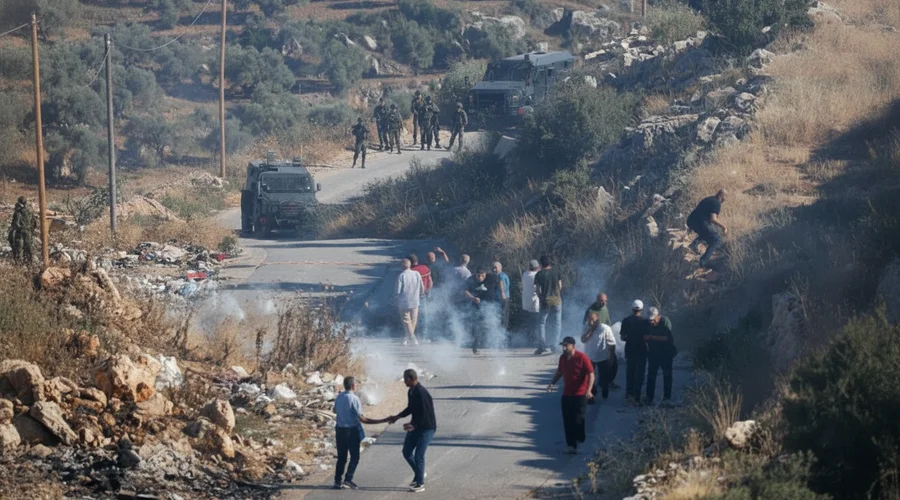
International Sanctions Target Settlers Amidst Escalating West Bank Tensions
 world
world
G7 Leaders Convene in France Amidst Critical Discussions on Iran and Ukraine
 world
world
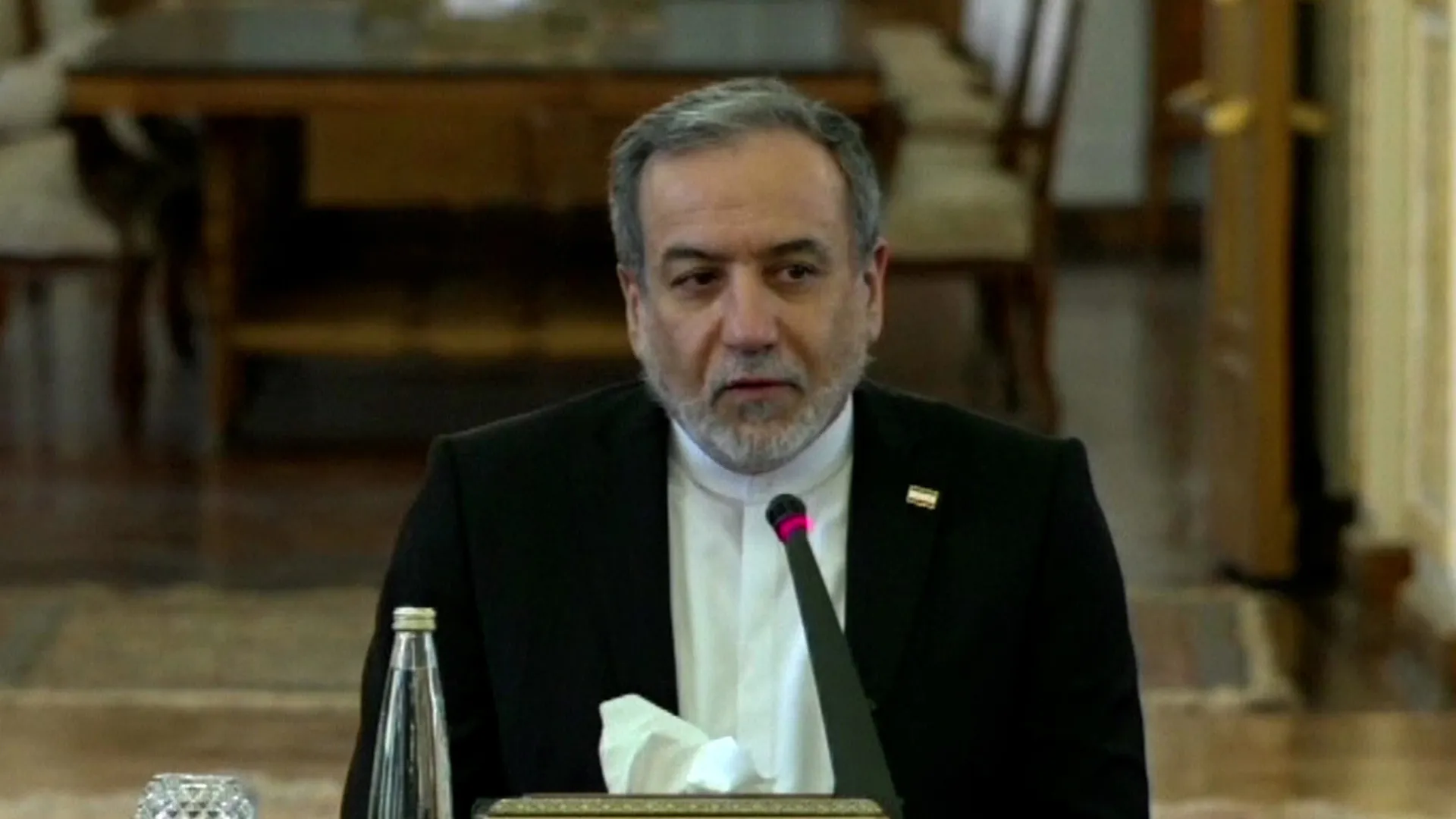
Iran Cautions Against Israeli Presence in Lebanon, Citing Potential US Accord Violation
 world
world