
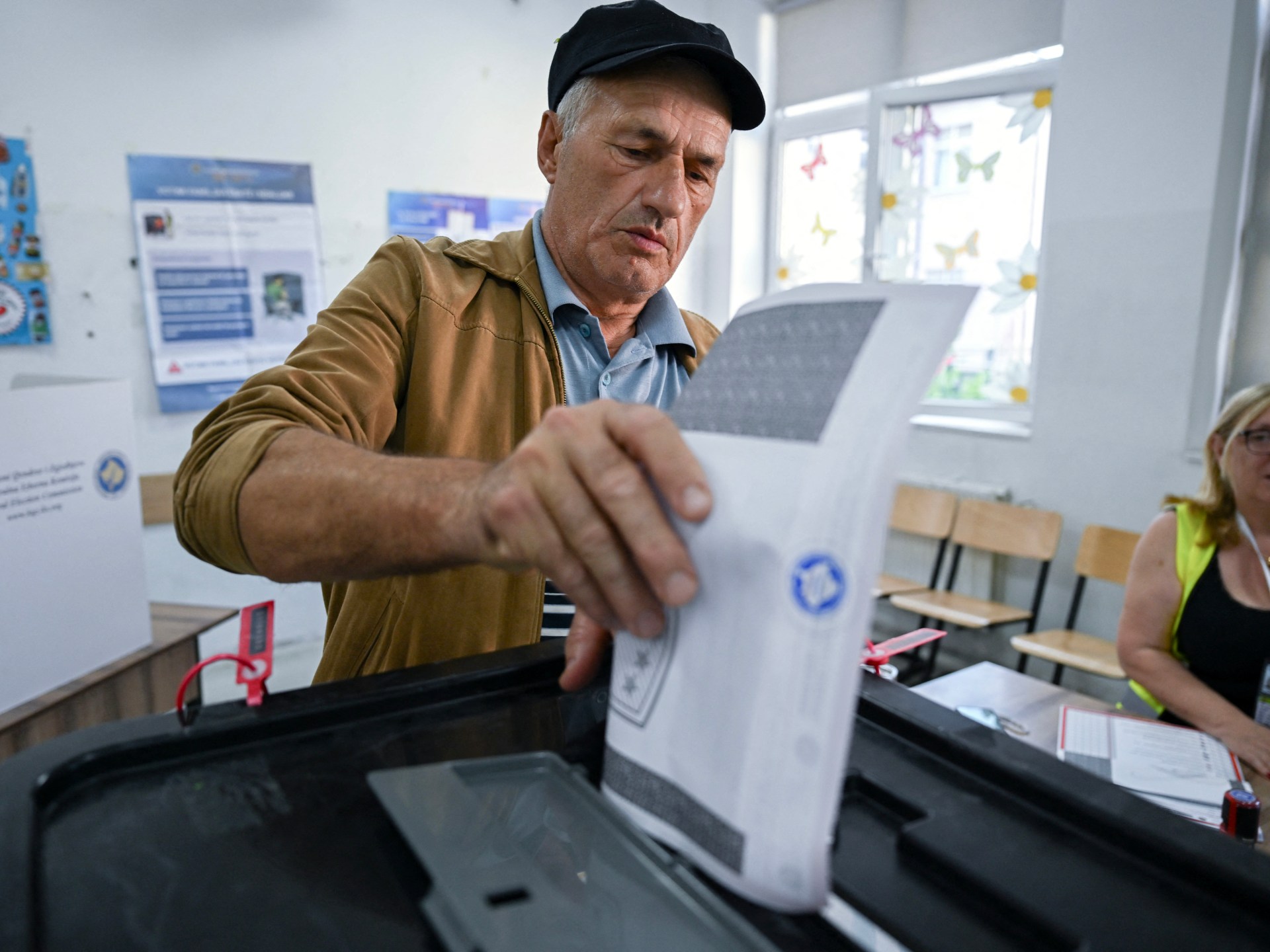
Political Uncertainty Grips Kosovo as Voters Return to Polls
Voters in Kosovo have once again participated in early parliamentary elections, marking the third such ballot in a year and a half. This repeated electoral process is an attempt to break a protracted political impasse that has stalled the small Balkan nation's ambitions for integration into the European Union and NATO.
The latest election, held on Sunday, was necessitated after the country's primary political factions failed to reach an agreement on a successor for former President Vjosa Osmani by a March deadline. The initial inconclusive election in February 2025 left Kosovo without a fully functioning government for a significant portion of the previous year, leading to a second election in December.
Economic Repercussions of Political Instability
The ongoing political crisis has had detrimental effects on Kosovo's economy, which was already struggling under the weight of a global energy crisis and escalating fuel costs. As one of Europe's youngest and most impoverished nations, Kosovo declared independence from Serbia in 2008 following the 1998-99 conflict, which concluded with a NATO bombing campaign compelling Serbia's withdrawal.
This institutional vacuum, characterized by the absence of a stable government, has also impeded Kosovo's access to crucial EU and other international financial assistance. European Council President Antonio Costa, during a recent visit, emphasized the urgency for Kosovo to overcome its political deadlock and unite behind the objective of EU integration.
Challenges to Presidential Election and Party Dynamics
Despite Prime Minister Albin Kurti’s centre-left Vetevendosje party securing a clear parliamentary majority in the December early election, the selection of Kosovo's president requires a broader political consensus. The president must be elected by at least 80 lawmakers within the 120-member assembly, a threshold that has proven difficult to meet without cross-party agreement.
Kurti is facing significant opposition from the Democratic Party of Kosovo and the Democratic League of Kosovo. These parties accuse him of attempting to consolidate excessive control over the nation's political institutions. Notably, former President Osmani is now running on the opposition LDK list, having shifted her allegiance after Kurti declined to support her bid for a second term.
Public Disappointment and International Expectations
While key political figures have engaged in mutual blame for the crisis, their collective inability to forge a compromise has led to widespread disappointment among Kosovo's approximately two million voters. Citizens are increasingly eager for their government to prioritize economic improvements and enhance living standards rather than focusing on political infighting.
Analysts do not foresee significant alterations in the election results compared to the previous December vote. Kosovo's independence has been recognized by the United States and the majority of EU member states, although Serbia, along with its allies Russia and China, do not acknowledge it. Tensions persist in northern Kosovo, an area predominantly inhabited by the ethnic Serbian minority. Both Pristina and Belgrade have been advised that mending their relationship is a prerequisite for advancing their respective EU membership applications.
Source: Kosovo votes again amid political deadlock, seeking EU and NATO progress
Related Articles
 politics
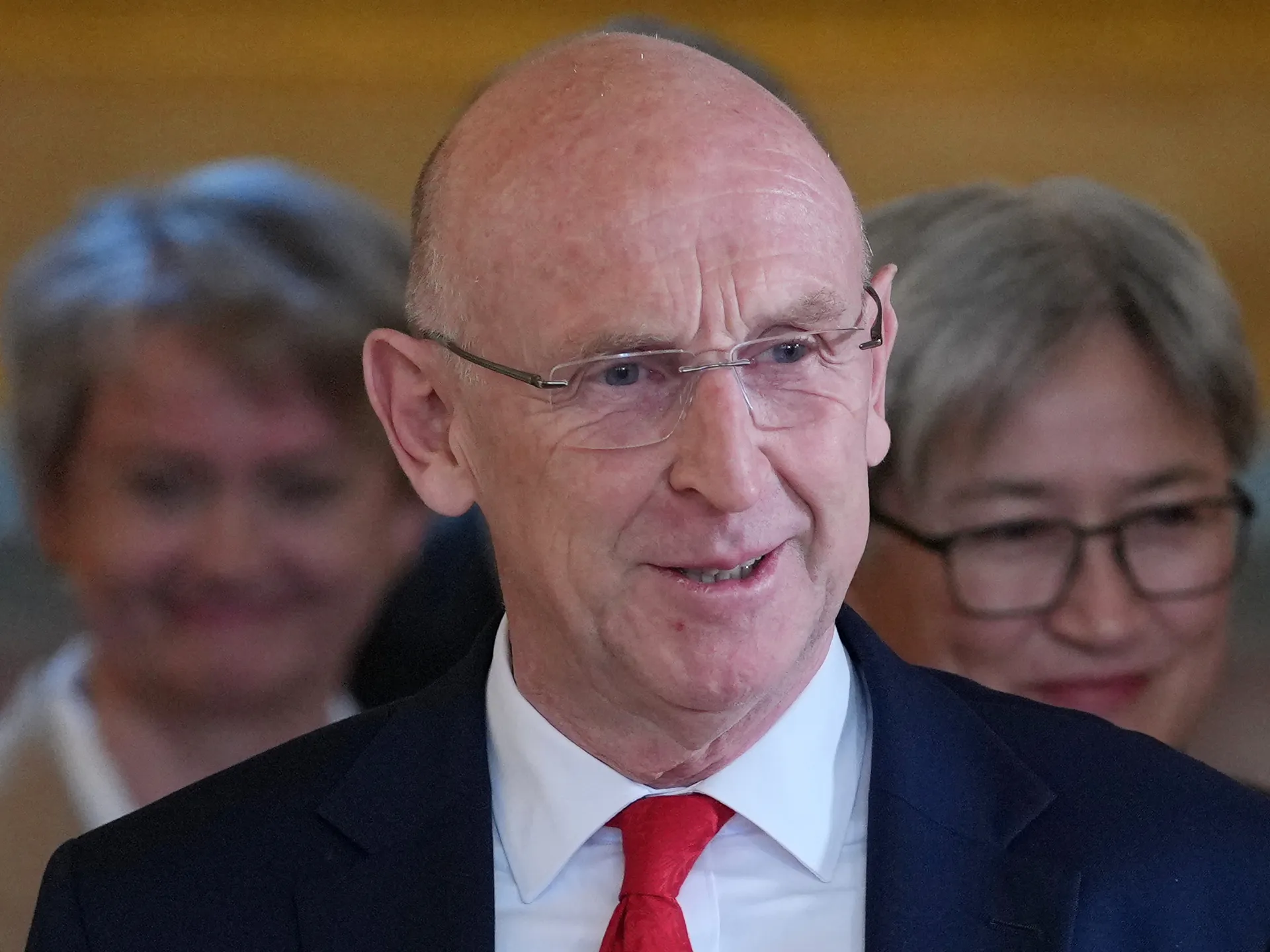
UK Defence Minister Resigns Amidst Defence Spending Dispute with Prime Minister
 politics
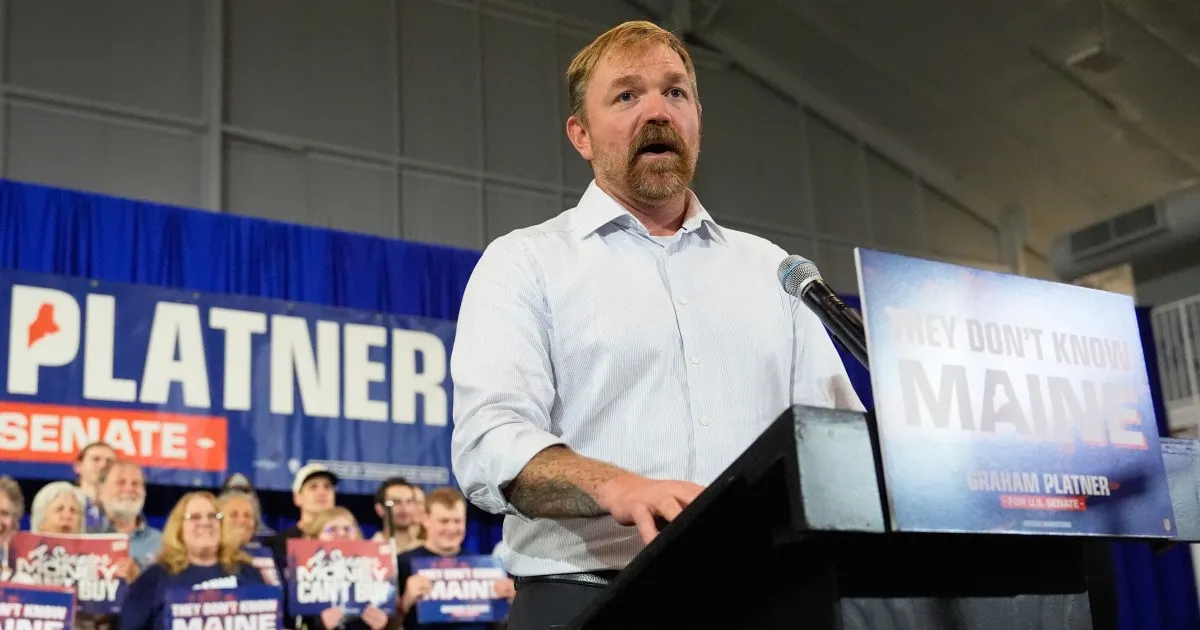
Graham Platner Secures Democratic Nomination in Maine Senate Race, Prepares for Challenge Against Susan Collins
 politics
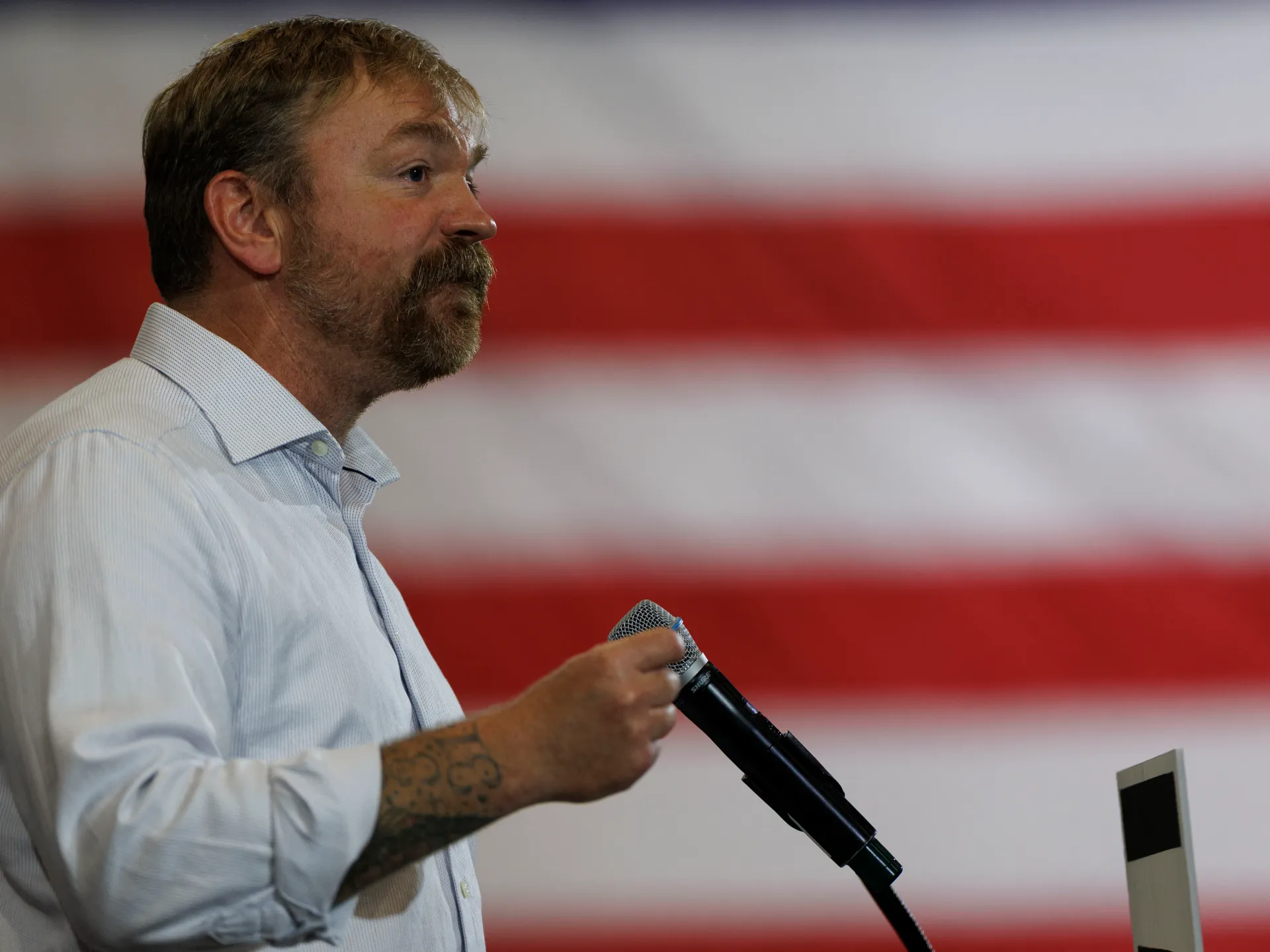
Graham Platner Secures Maine Senate Primary, Setting Stage for November Showdown
 politics