
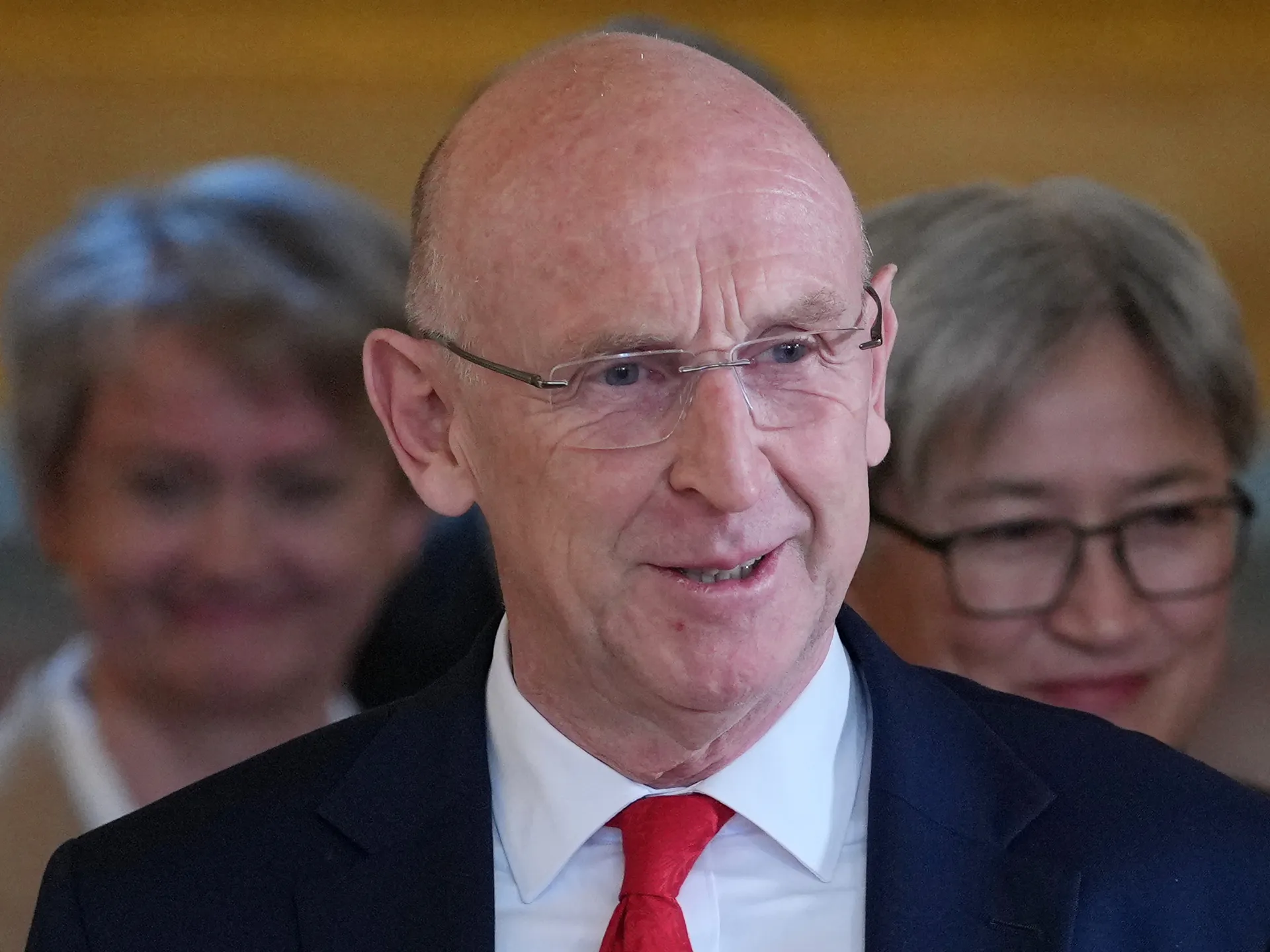
Defence Secretary Cites Insufficient Funding for National Security
John Healey, the United Kingdom's Defence Secretary, has announced his resignation, attributing his departure to an unresolved conflict with Prime Minister Keir Starmer over the level of defence spending. In a public letter addressed to the Prime Minister, which was shared on the social media platform X, Healey contended that the government was not dedicating adequate resources to safeguard the nation, especially in the face of escalating global threats.
The issue of military expenditure has been a contentious point within the British government for an extended period. Discussions between the Ministry of Defence and the Treasury have reportedly been ongoing for several months, aiming to address increasing pressures to expand military investment. This internal disagreement has led to a significant delay in the publication of Britain's Defence Investment Plan, which has been pending since the previous year.
Stalemate Over Resource Allocation
In his resignation letter, Healey articulated his frustrations directly to Prime Minister Starmer, stating, "You have been unable, and the Treasury has been unwilling, to commit the resources that the nation needs to defend the country at this time of rising threats." This statement underscores a perceived lack of commitment from both the Prime Minister's office and the Treasury to bolster the nation's defensive capabilities to a level that Healey deemed necessary.
The protracted delay in finalizing the Defence Investment Plan has not only caused internal governmental strife but has also generated considerable dissatisfaction within Britain's defence industry. Industry leaders have expressed concerns that the uncertainty surrounding long-term funding commitments hinders their ability to invest in crucial security programmes. This situation is particularly problematic given the current climate of significant geopolitical instability and the perceived shift in the United States' focus away from its traditional role in European security.
Impact on Defence Industry and Geopolitical Standing
The defence sector relies heavily on clear, long-term government investment strategies to plan and execute complex, high-cost projects. Without a definitive investment plan, companies within the industry face challenges in making strategic decisions regarding research and development, manufacturing, and job creation. This can lead to a weakening of the domestic defence industrial base, potentially impacting the UK's ability to develop and procure cutting-edge military technology independently.
Furthermore, the timing of this internal dispute is critical. The international landscape is characterized by numerous evolving threats, including regional conflicts, cyber warfare, and renewed great power competition. In this environment, a nation's commitment to defence spending is often viewed as a signal of its resolve and its capacity to protect its interests and allies. A perceived hesitation or inability to adequately fund defence could potentially affect Britain's standing on the global stage and its relationships with international partners.
Healey's departure highlights the difficult balance governments must strike between various national priorities, particularly when faced with economic constraints and competing demands for public funds. While the need for robust defence is often acknowledged, the specific level of investment required remains a subject of intense debate, especially when it involves diverting resources from other critical sectors such as healthcare, education, or infrastructure.
The resignation of a high-profile cabinet minister over such a fundamental policy disagreement signals a significant challenge for the Prime Minister and his administration. It brings to the forefront the ongoing tension between fiscal prudence and the imperative of national security, a dilemma that many nations are currently grappling with in an increasingly complex world. The government will now need to address the void left by Healey's departure and articulate a clear path forward for its defence strategy and investment plan.
Source: Original Article
Related Articles
 politics
Graham Platner Secures Democratic Nomination in Maine Senate Race, Prepares for Challenge Against Susan Collins
 politics
Graham Platner Secures Maine Senate Primary, Setting Stage for November Showdown
 politics
Peruvian Presidential Candidate Roberto Sanchez Visits Former President Pedro Castillo Amidst Vote Count
 politics