
Keir Starmer's Departure from Labour Leadership
Keir Starmer, who ascended to the position of Prime Minister in 2024, officially announced his resignation as the leader of the Labour Party on Monday. This decision follows a period of increasing pressure and a notable challenge to his leadership from Andy Burnham, a newly elected Labour legislator. Starmer's tenure was marked by various controversies and strategic missteps, ultimately culminating in a significant decline in confidence from within his own party.
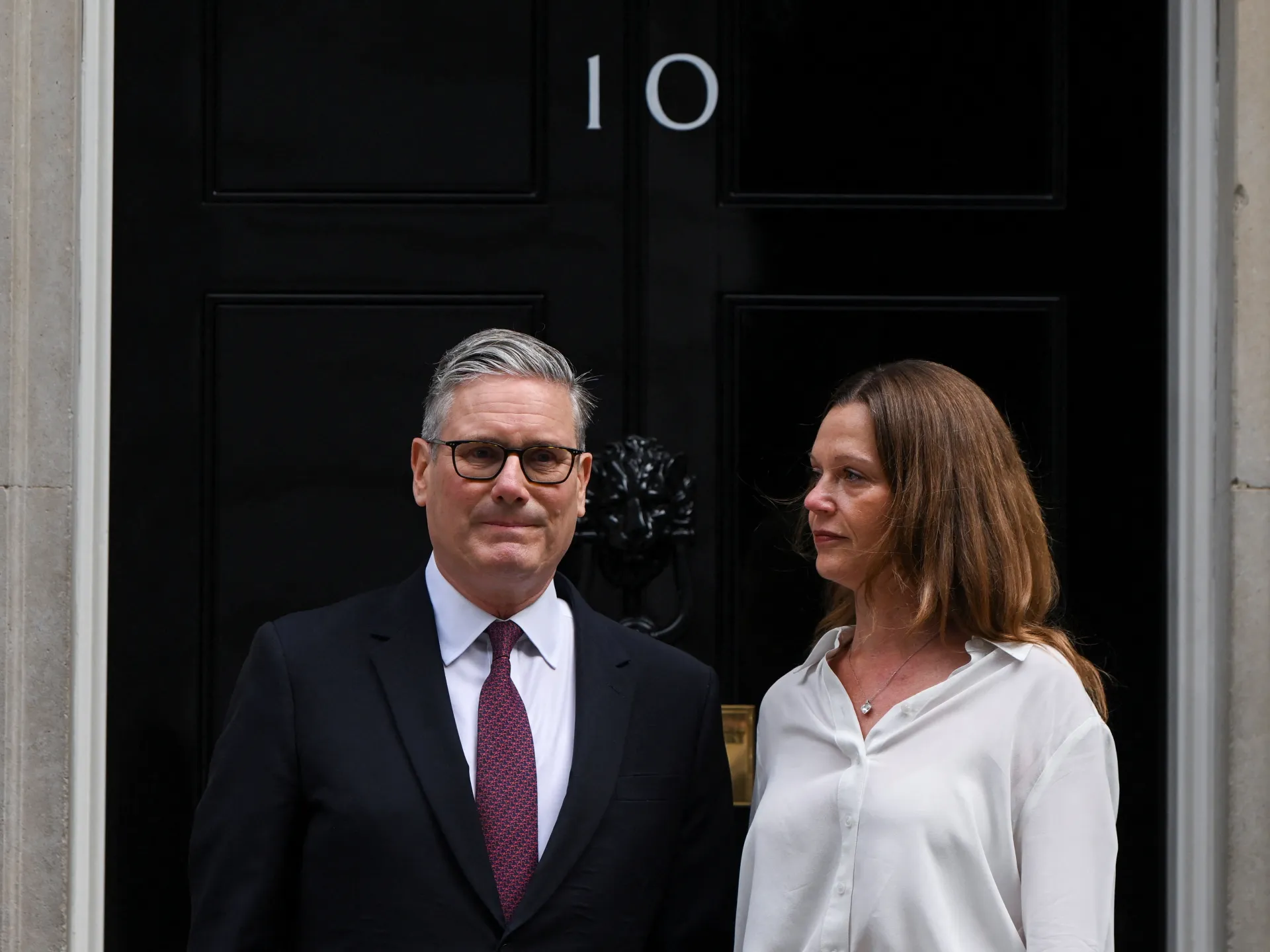
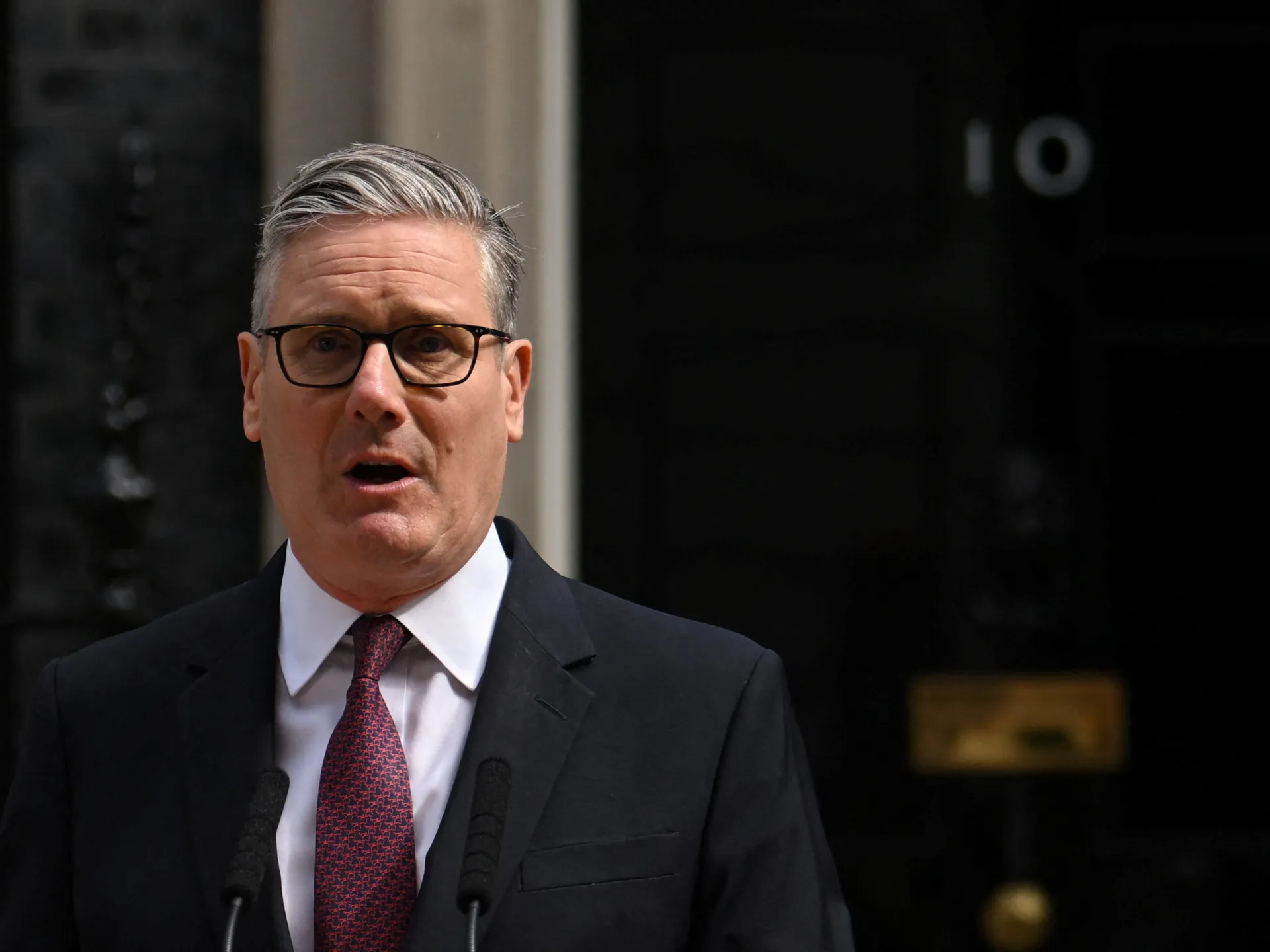
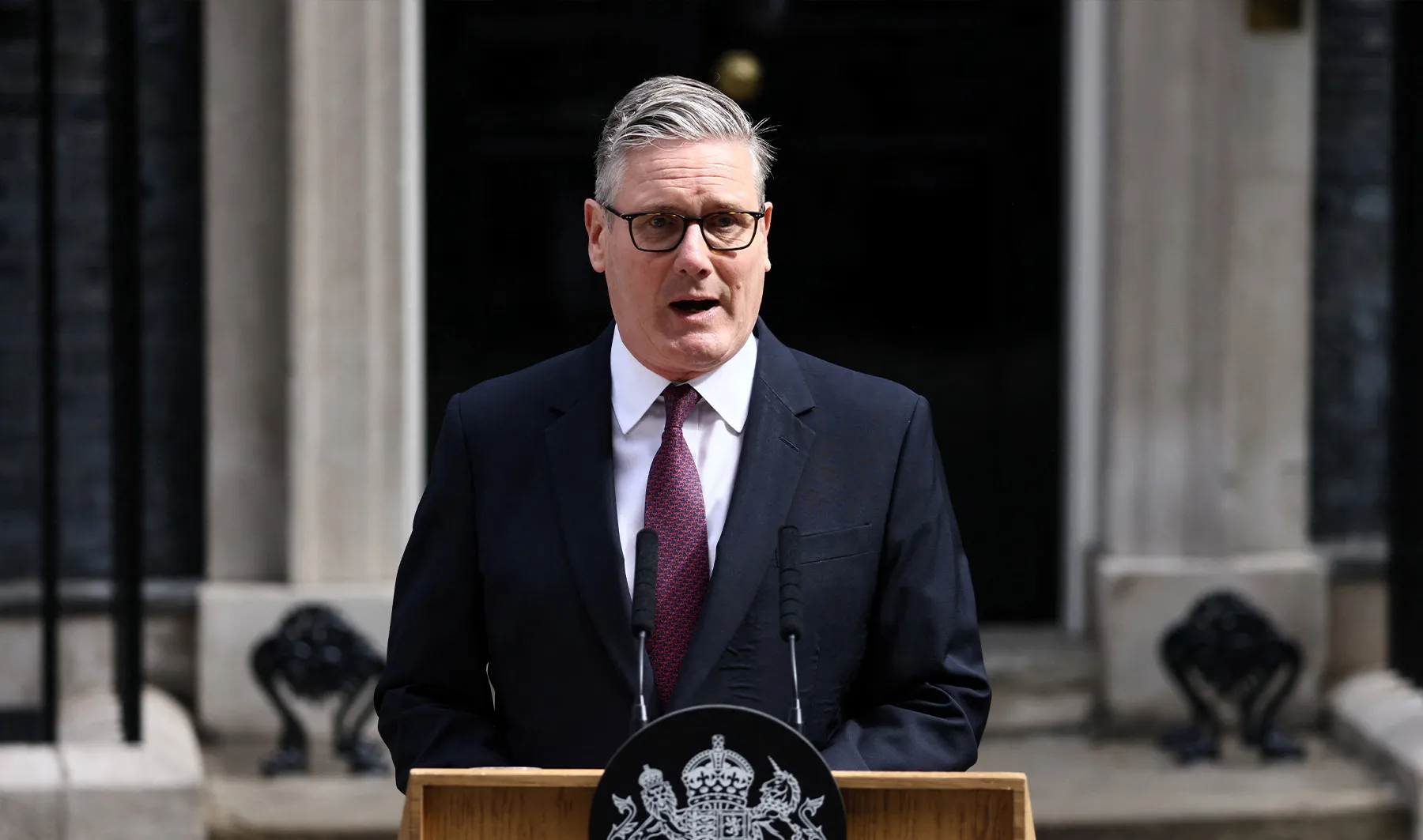
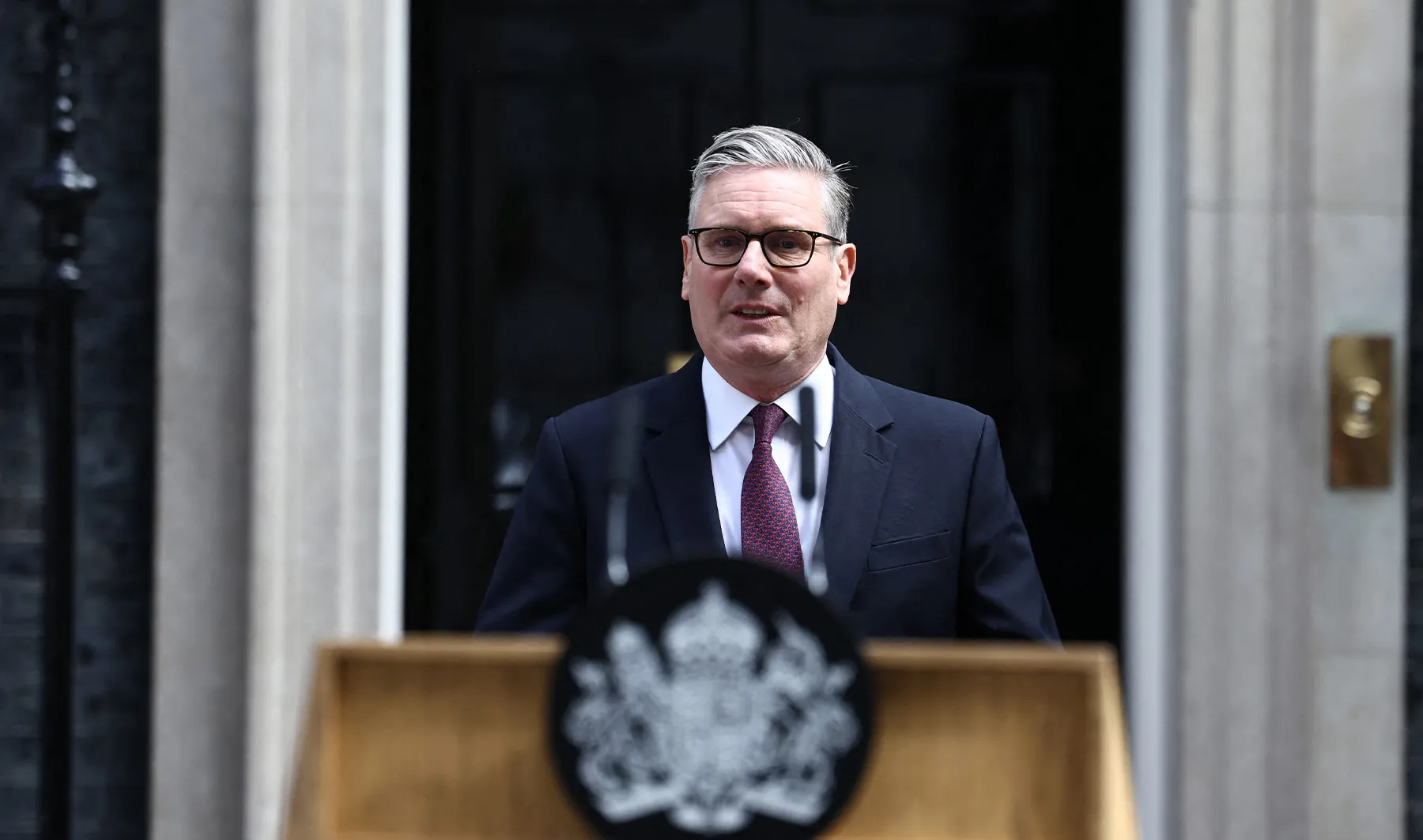
The announcement was made outside 10 Downing Street, where Starmer delivered his resignation speech. He was met with applause upon his arrival at the podium. Towards the conclusion of his address, Starmer displayed visible emotion, his voice faltering as he expressed gratitude for the unwavering support of his wife, Victoria Starmer.
Reflecting on Achievements and Challenges
In his speech, Starmer began by reflecting on the profound significance of entering Downing Street two years prior. He described it as the proudest moment of his life, signaling the dawn of a new Labour government—the first in fourteen years—and a turning point in the nation's history after an extended period of disillusionment. He emphasized that his primary motivation for entering politics was to enact positive change in the lives of millions.
Starmer recounted the arduous journey to that point, recalling the state of the Labour Party six years ago, which he described as politically, financially, and morally bankrupt. He highlighted the pervasive skepticism he faced, with many asserting that the party was irrecoverable and that securing a general election majority, let alone a landslide, was an impossible feat. He proudly stated that these predictions were disproven through the party's transformation.
The former leader detailed the significant reforms undertaken during his leadership, including eradicating antisemitism, rebuilding trust in economic management, defense, and national security, and repositioning the party to align with national symbols rather than against them. He affirmed that these efforts were driven by a singular purpose: not merely to gain power, but to improve Britain. His vision included fostering a fairer society characterized by dignity and respect, where every individual felt seen and valued, and where wealth and opportunity were accessible to all, not just an elite few.
Claimed Accomplishments of the Labour Government
Starmer then enumerated what he regarded as the significant achievements of his government in just two years. He pointed to an economy that he claimed was stronger and growing faster than those of peer nations, with wages consistently outstripping inflation since Labour came to power. He also highlighted secured investments, ongoing infrastructure projects, and an end to austerity measures, evidenced by the fastest reduction in NHS waiting lists in 17 years.
Further accomplishments cited included the most substantial improvements in workers' and renters' rights in a generation, the largest increase in defense spending since the Cold War, a decrease in small boat crossings, the closure of asylum hotels, initiatives to protect young people from the negative impacts of social media, and the lifting of half a million children out of poverty due to his administration's policies.
On the international stage, Starmer asserted that Britain's global reputation had been restored, with the nation once again championing decency, respect, and the rule of law. He mentioned securing new trade deals, showing solidarity with Ukraine, upholding British values, and rebuilding relationships with European allies. He concluded this section by stating that the Labour government had not only promised change but had actively fought for and delivered it.
Accepting the Party's Decision
Acknowledging the current political climate, Starmer conceded that the pertinent question for his party was no longer about his ability to transform Labour or lead them to power, but rather his suitability to lead them into the next general election. He stated, "I have heard the answer of my parliamentary party to that question, and I accept that answer with good grace."
He underscored that every decision he had made was motivated by his commitment to the country, which he loved. It was for this reason, he explained, that he would resign as leader of the Labour Party. Starmer confirmed that he had informed His Majesty the King of his decision earlier that morning. He announced his intention to request the National Executive Committee of the Labour Party to establish a timetable for a leadership contest, with nominations opening on July 9 and concluding by the summer recess. This timeline, he noted, would ensure a new leader is in place before Parliament reconvenes in September.
Starmer confirmed that he would remain in his role as Prime Minister until the leadership contest is finalized, committing to an orderly transfer of power. He also pledged his full and unequivocal support to his successor, expressing confidence that they would inherit a Britain significantly stronger and fairer than the one he inherited, better equipped for future challenges, and well-positioned for Labour to secure a second term in office.
Gratitude and Future Plans
He extended his gratitude to the friends and colleagues who had supported him over the past six years, acknowledging their dedication, service, and unwavering support. He also thanked the dedicated staff at Number 10 and the country's civil service for their commitment to public service.
Concluding his speech, Starmer shared his personal plans for the future. He stated that upon leaving what he called "the biggest job in the country," he would dedicate more time to what he considered the most important role: being the best husband to his wife, Vic, whom he described as his steadfast support through all circumstances, and being the best father to his children, who are his pride and joy.
Source: Original Article
Related Articles
 politics
UK Prime Minister Keir Starmer Announces Resignation Amidst Party Pressure
 politics
Keir Starmer Declares Intent to Resign as UK Prime Minister Amidst Leadership Speculation
 politics
Keir Starmer Announces Resignation as UK Prime Minister
 politics