
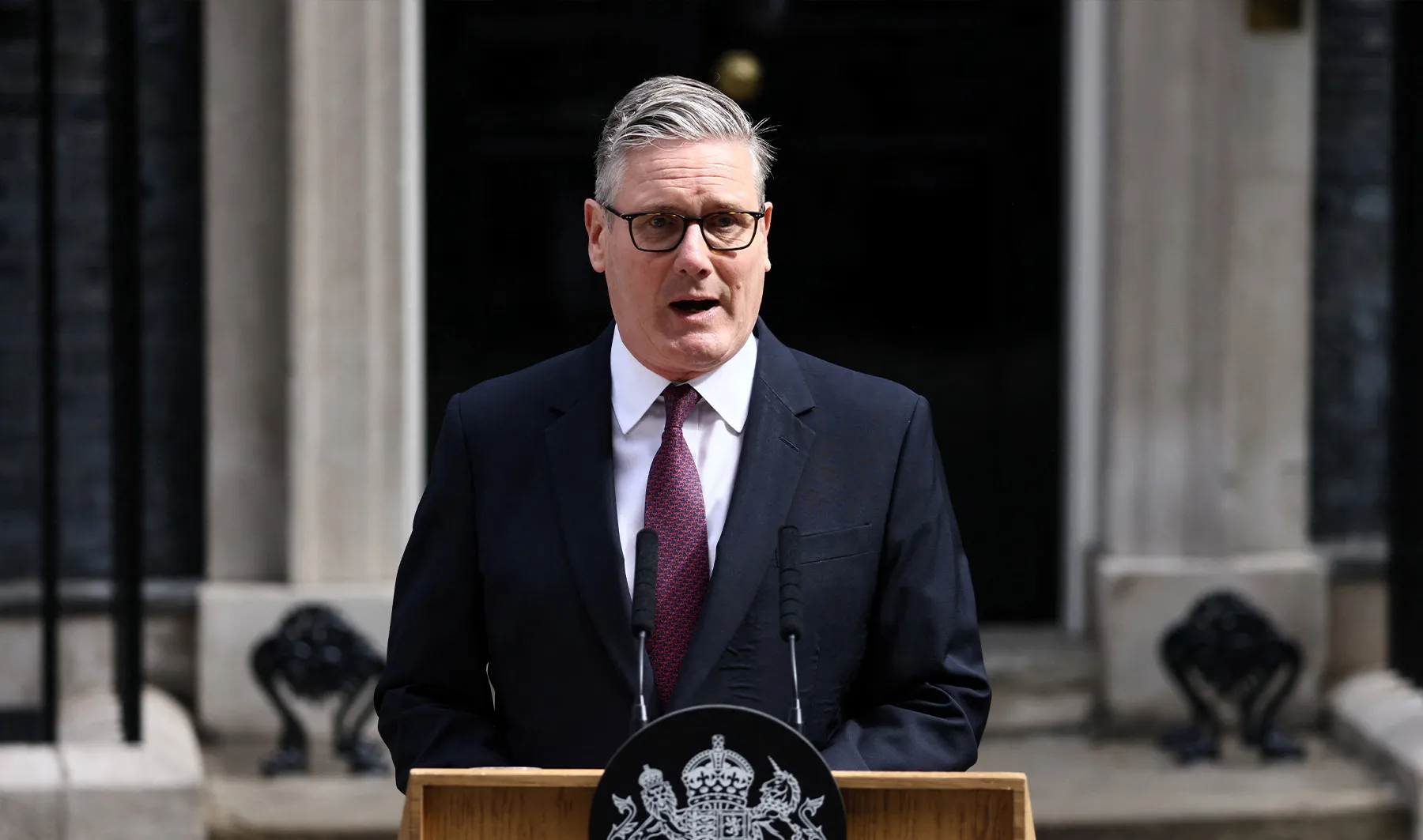
Prime Minister Keir Starmer's Resignation Announcement
In a significant development for British politics, Prime Minister Keir Starmer has publicly revealed his intention to resign from his role. The announcement, delivered with visible emotion, marks a pivotal moment for the United Kingdom and its political landscape. This decision comes at a time of heightened scrutiny and internal debate within his party, particularly in the wake of recent electoral challenges.
The Prime Minister's declaration has immediately ignited discussions about succession, with various figures emerging as potential candidates to lead the country. The timing of the announcement appears to be closely linked to a recent by-election outcome, which has been widely interpreted as a catalyst for the leadership change.
The Impact of Recent By-Election Results
A crucial by-election victory by former Manchester mayor Andy Burnham has been identified as a key factor contributing to Prime Minister Starmer's decision. This electoral success for Burnham, a prominent figure within the party, reportedly intensified calls for a change in leadership. By-elections are often viewed as barometers of public sentiment and can significantly influence the political trajectory of a governing party. In this instance, the outcome seems to have bolstered arguments among some party members and observers for a fresh approach at the helm.
The by-election result not only highlighted the popularity of Andy Burnham but also brought into sharp focus the internal dynamics and pressures facing the Prime Minister. Such electoral events can often expose underlying tensions and provide a platform for alternative leadership figures to gain traction.
Andy Burnham Emerges as a Frontrunner
Following the by-election success and the Prime Minister's resignation announcement, Andy Burnham has quickly risen to prominence as a leading contender to replace Keir Starmer. Burnham, known for his political experience and public profile as the former mayor of Manchester, has garnered significant support and attention. His recent electoral victory has undoubtedly strengthened his position and made him a formidable candidate in the anticipated leadership contest.
The prospect of Burnham assuming the premiership introduces a new dynamic to British politics. His policy positions and leadership style will likely be subject to intense scrutiny as the leadership race unfolds. The process of selecting a new leader will involve internal party mechanisms, which typically include nominations, hustings, and a vote by party members.
The Political Context and Future Implications
The resignation of a sitting Prime Minister is always an event of considerable national importance, triggering a period of political transition and often, uncertainty. For the United Kingdom, this development means a shift in leadership at a critical juncture, both domestically and internationally. The incoming leader will face numerous challenges, including economic pressures, social issues, and the ongoing complexities of international relations.
The process of selecting a new leader will undoubtedly be a closely watched affair. It will involve a period of campaigning, debates, and internal party maneuvering. The outcome will not only determine the next Prime Minister but also potentially reshape the direction and priorities of the governing party for years to come. The public and political commentators will be keenly observing how the party navigates this transition and what vision the new leader will articulate for the country.
This period of political change underscores the dynamic nature of democratic governance, where leadership transitions can occur in response to various factors, including electoral performance, internal party pressures, and personal decisions. The focus now shifts to the leadership contest and the eventual emergence of a new Prime Minister who will guide the UK forward.
Source: Al Jazeera
Related Articles
 politics
UK Prime Minister Keir Starmer Announces Resignation Amidst Party Pressure
 politics
Keir Starmer Announces Resignation as UK Prime Minister
 politics
Keir Starmer's Short Tenure: A Look at His Premiership's Challenges and End
 politics