
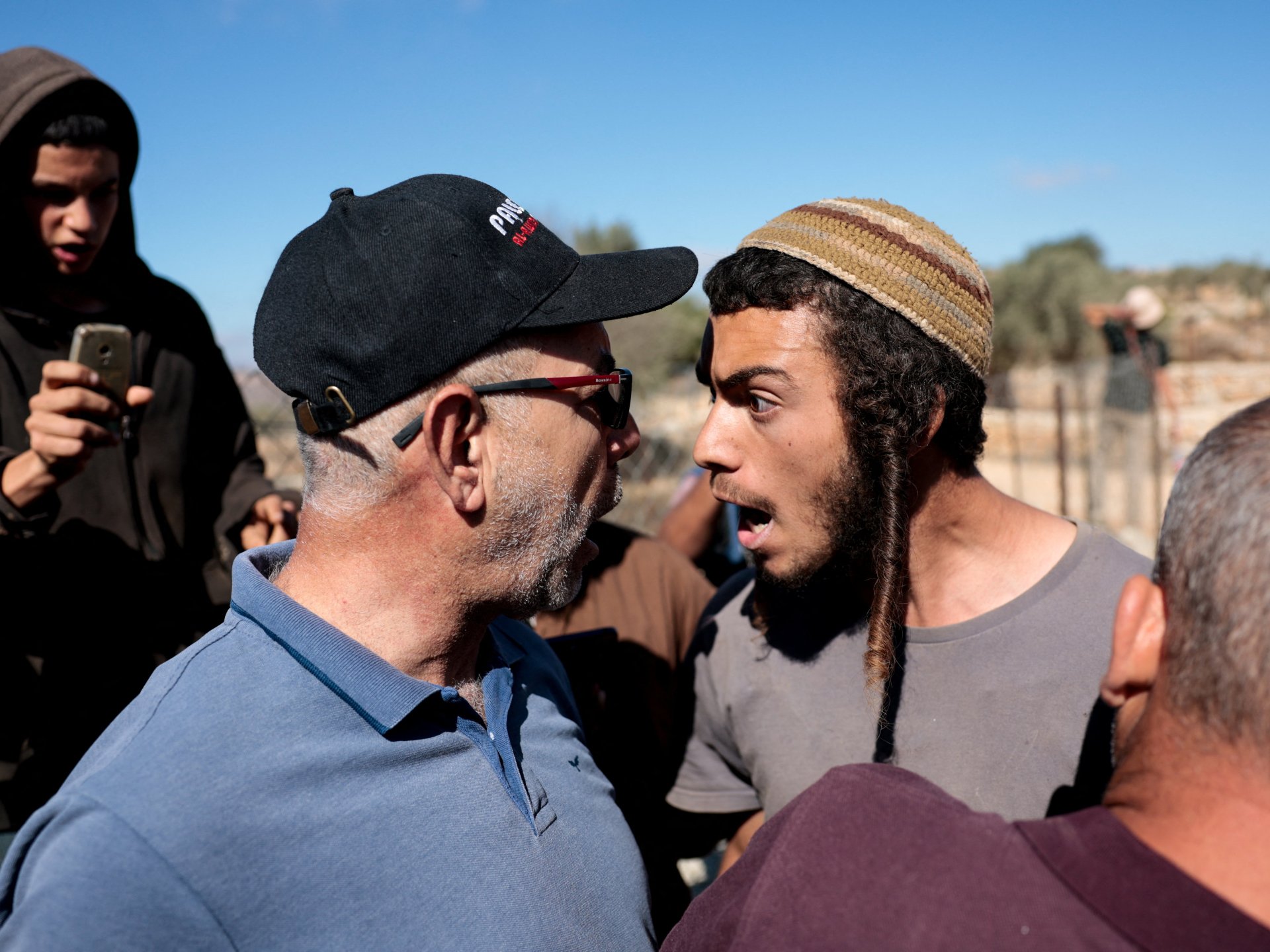
International Sanctions Met with Disregard by Israeli Settlers
Recent sanctions imposed by the European Union on Israeli settler groups and their leaders have been met with a dismissive attitude, with many targeted individuals and entities characterizing the measures as a 'badge of honor.' This response suggests that international penalties may not be effectively curbing settlement expansion or the associated violence in the occupied West Bank.
Among those sanctioned by the EU were Regavim, an organization co-founded by Israel's Finance Minister Bezalel Smotrich, and Daniella Weiss, a prominent figure in the Nachala movement, which advocates for settlement expansion into Palestinian territories. Both Weiss and representatives from Regavim publicly downplayed the significance of the European sanctions, with Weiss describing them as 'ridiculous' and 'banal.'
Scope of Sanctions and Government Complicity
The EU's actions targeted four entities and three individuals, including Weiss, Regavim, its director Meir Deutsch, and the Amana cooperative association, which provides financial and logistical support to settlements. Beyond the EU, Western nations like the United Kingdom and Canada have also sanctioned Finance Minister Bezalel Smotrich, a figure with deep ties to the settler movement, for his alleged role in supporting or enabling violence in the West Bank. These broader sanctions highlight the perceived involvement of high-level Israeli government officials in the settlement project.
Analysts suggest that the nonchalant reaction from those targeted indicates that the sanctions are unlikely to halt settlement expansion or hold individuals accountable for the increasing violence against Palestinians. Instead, these measures might inadvertently enhance the domestic standing of hardline settler leaders, who are largely unaffected by travel restrictions to European capitals. Observers anticipate that the wave of violence in the occupied West Bank will persist, often with the tacit support of the Israeli government.
Escalation of Violence and State Support
Activists and observers contend that the EU's focus on individual and group 'violations' fails to capture the coordinated nature and extensive scale of settler attacks, as well as the profound level of state and societal support for these actions. Following the events of October 2023, the United Nations and human rights organizations have documented a systematic pattern of lethal settler attacks in various locations, including the South Hebron Hills, where residents have suffered severe injuries or fatalities during collective incursions. In the northern West Bank, Palestinian homes, vehicles, and olive groves have been torched during nighttime raids, while entire Bedouin herding communities in the Jordan Valley have faced forced displacement due to sustained intimidation and violence.
Tahseen Alayan, deputy director of Al-Haq, reported a significant intensification of settler aggression since October 2023, noting that settlers now feel emboldened to attack densely populated Palestinian villages. He described a pervasive pattern of theft, destruction of property, and arson, indicating a climate of impunity.
Evidence of Israeli government complicity in these raids is substantial, with statistics pointing to concerted efforts to solidify Israeli control over the West Bank, occupied since 1967. Since October 2023, Israeli forces and settlers are accused of killing approximately 1,168 people and injuring 12,666 Palestinians in the occupied West Bank. Additionally, 33,000 people have been displaced, and nearly 23,000 Palestinians have been detained, many without formal charges.
Alayan emphasized that the violence is not isolated but rather an extension of Israeli government policy, with settlement being central to their identity. He cited the case of Yinon Levi, a settler allegedly involved in the killing of Palestinian activist Awdah Hathaleen, who remains at large despite video evidence. Alayan noted that even when prosecuted, sentences for such crimes rarely reflect their severity, and perpetrators are often celebrated as heroes within their communities.
Ideology of Entitlement and Superiority
The perceived impunity among settlers is linked to the appointment of prominent settler figures or sympathizers, such as Ben-Gvir and Smotrich, to ministerial positions. In a move that contravenes the Oslo Accords and signals state-settler cooperation, Israel announced plans for the E1 settlement last year, which aims to connect occupied East Jerusalem with the Maale Adumim bloc. Smotrich's plans suggest that this settlement would effectively undermine the prospect of a Palestinian state and align with a biblical prophecy pursued by many in the movement.
Daniel Bar-Tal, a professor of social-political psychology at Tel Aviv University, explained the ideological underpinnings of settler violence, stating that many believe it is a 'divine order' to settle the West Bank, mirroring ancient conquests. Shai Parnes of the Israeli human rights group B'Tselem highlighted that the lack of international pressure has strengthened the alliance between the state and the settler movement. Parnes described the Israeli regime as an 'apartheid regime based on Jewish supremacy and institutionalized discrimination against Palestinians,' where Israelis who harm Palestinians receive immunity and support from the state, with perceived backing from the international community. This, he argued, fosters a sense of entitlement and superiority among Israelis.
Yehouda Shenhav-Shahrabani, a leading Israeli sociologist, described a 'closed loop' of 'Jewish supremacy' that flows from individuals to groups to the state and back. This dynamic, combined with a militarized society, makes violence against the Palestinian population, who are seen as obstacles to fulfilling biblical prophecies, almost inevitable. Shenhav-Shahrabani noted that many settlers are motivated by a belief in divine right or economic necessity, and often serve as soldiers, carrying weapons and operating within a system where both fellow soldiers and politicians share similar beliefs, reinforcing the cycle of violence.
Source: Original Article
Related Articles
 world
world
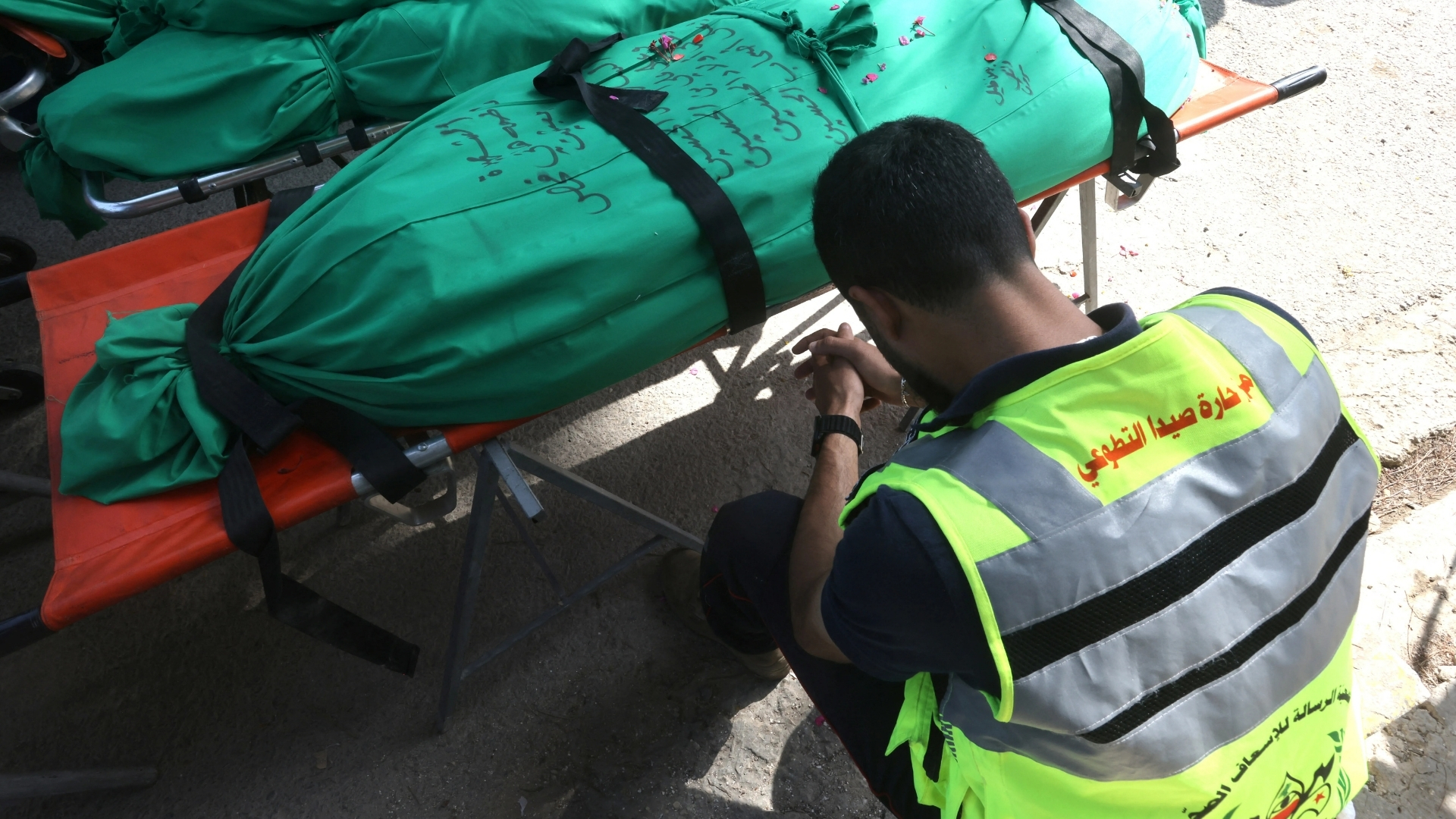
Escalating Tensions: Assessing the Impact of Recent Ceasefire Efforts in Lebanon
 world
world
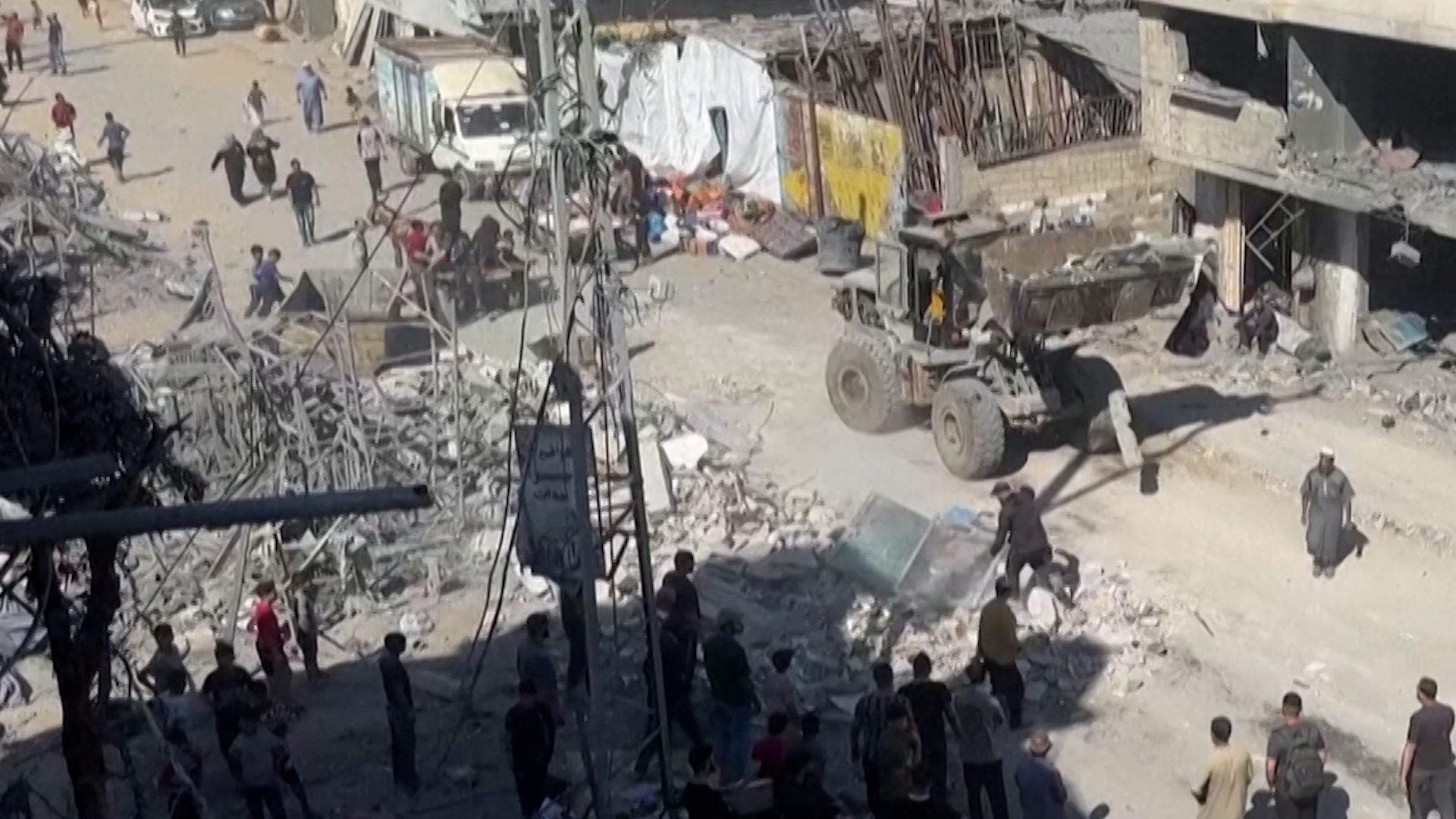
Gaza Residents Begin Cleanup Following Overnight Israeli Strikes
 world
world
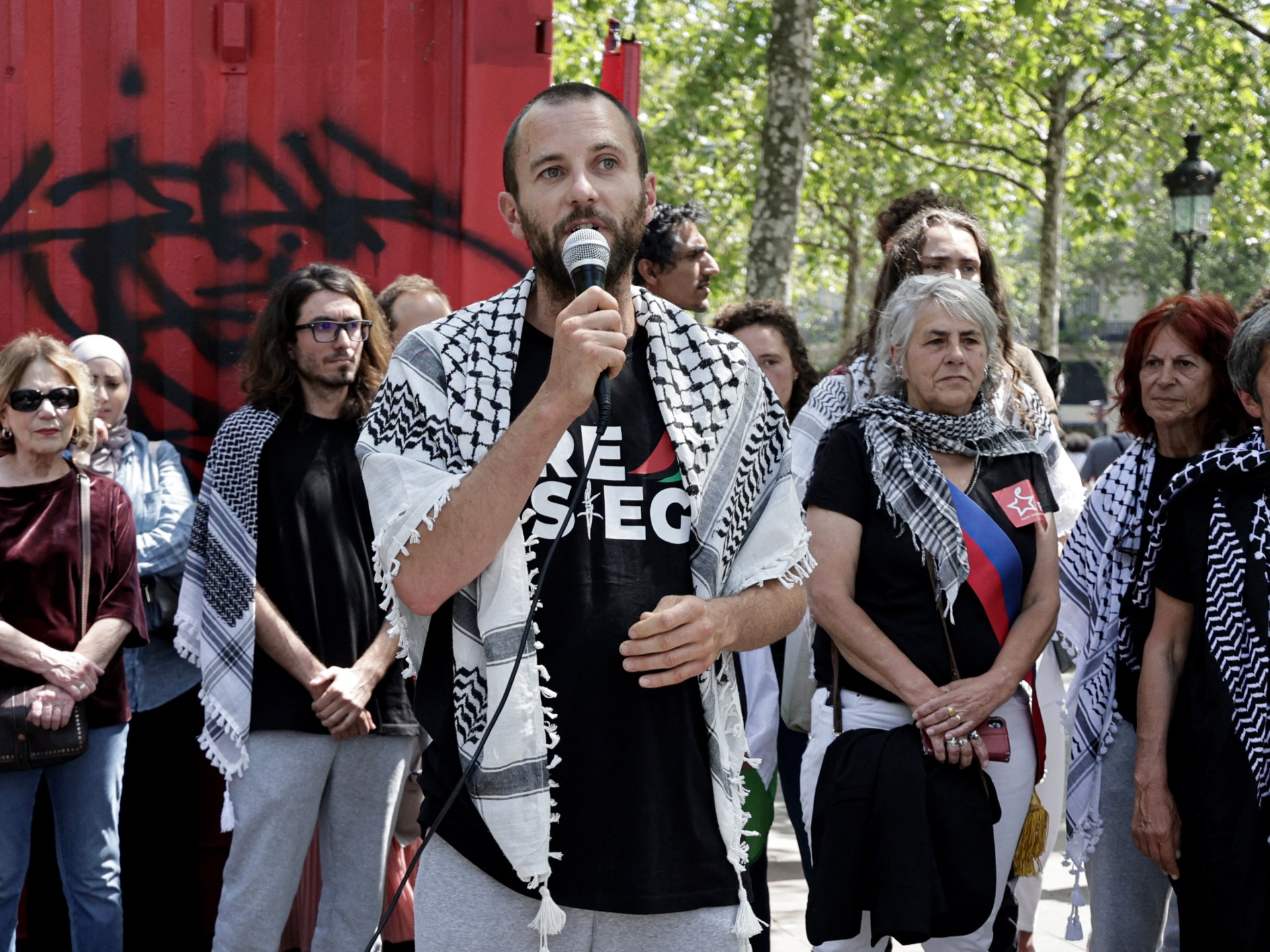
France Initiates Investigation into Allegations of Mistreatment of Gaza Aid Flotilla Activists
 world
world