
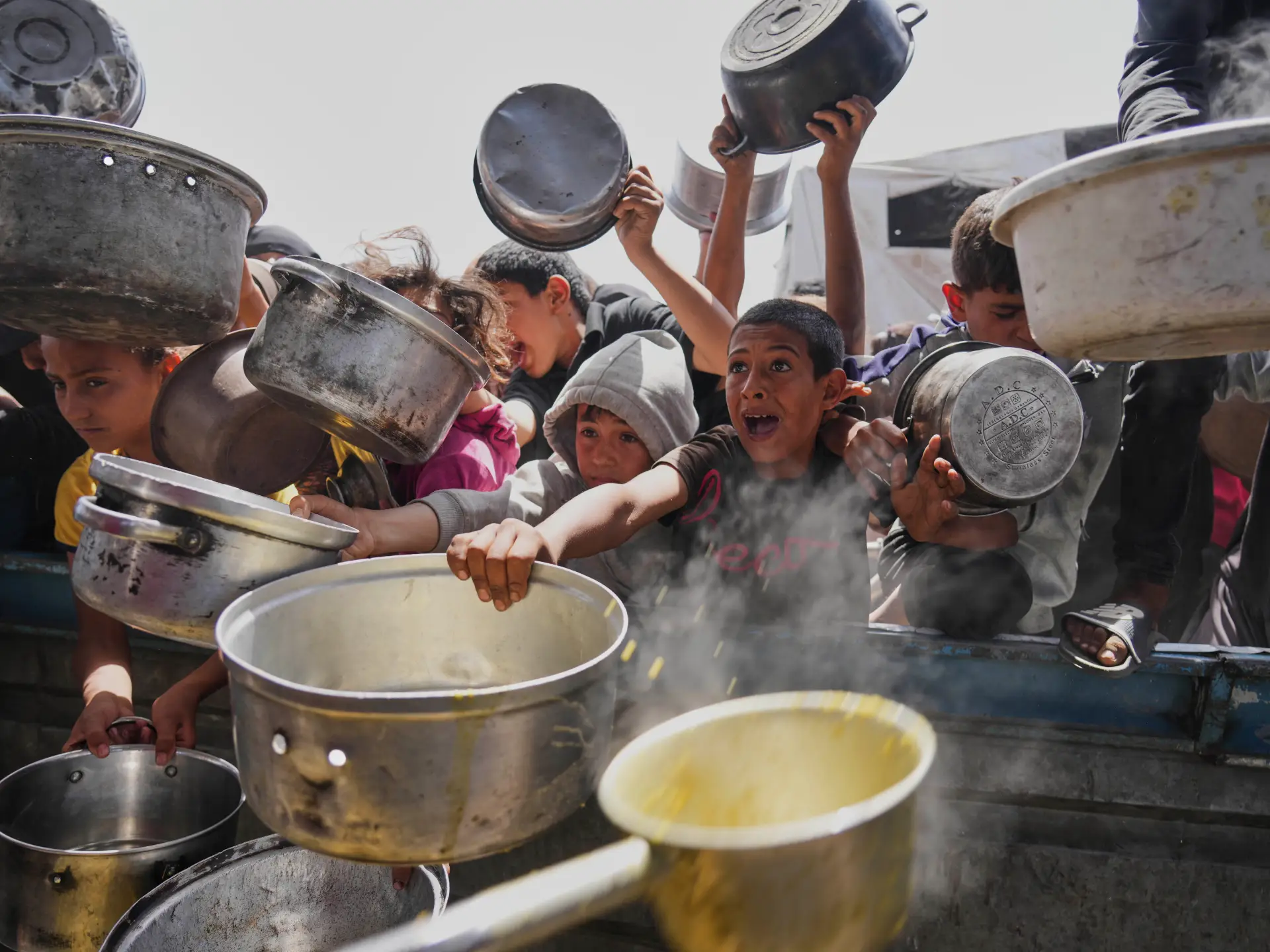
Exploring the Possibility of Settlements in Gaza
In the wake of prolonged conflict and humanitarian crises, Israeli leaders are signaling intentions to establish settlements in the Gaza Strip. Prime Minister Benjamin Netanyahu and Finance Minister Bezalel Smotrich are at the forefront of this discussion, suggesting plans to build new Jewish settlements in the area, which has seen severe devastation due to ongoing hostilities.
Political Context and Statements
Earlier this week, Smotrich, who plays a crucial role in Israel's settlement policies, revealed that his ministry has prepared plans for three settlements in northern Gaza. He emphasized that these plans await approval from Netanyahu. This development follows years of conflict in Gaza, resulting in significant casualties and destruction.
Netanyahu, speaking on a prominent right-wing television channel, did not dismiss the idea of settlements in Gaza, hinting at the possibility without providing a definitive stance. His comments have been interpreted as a strategic move to appeal to the right-wing electorate ahead of upcoming elections.
International Law and Humanitarian Concerns
Israel's current settlements in the West Bank and East Jerusalem are deemed illegal under international law. Critics argue that any attempts to establish similar settlements in Gaza could exacerbate tensions and further displace Palestinian residents. Reports from international bodies have accused Israel of imposing severe hardships on Gaza's population, including allegations of ethnic cleansing.
The prospect of new settlements is contentious within Israel and internationally. While some Israeli factions view it as a strategic move to secure national interests, others warn of the humanitarian and legal implications.
Domestic and International Reactions
Domestically, the idea of settling in Gaza has support among certain hardline groups. Organizations like the Nachala movement actively advocate for resettlement, viewing it as a means to enhance security. However, political dynamics are complex, with figures like Smotrich facing challenges in garnering sufficient electoral support, despite his efforts to advance settlement agendas.
Internationally, the proposed settlements have the potential to spark significant backlash. Critics argue that Israel's actions in Gaza could lead to further isolation on the global stage. Despite occasional criticism, Israel continues to receive substantial support from key allies, notably the United States and European nations.
Strategic and Political Implications
The timing of these settlement discussions is politically significant. Netanyahu, who is currently embroiled in legal battles, could leverage the settlement issue to solidify his political base. Analysts suggest that the move could serve as a distraction from domestic controversies, including corruption charges faced by the Prime Minister.
Moreover, the settlement plans are seen as part of a broader strategy to reshape the political landscape in Israel. By appealing to right-wing voters, Netanyahu and his allies aim to consolidate power and influence policy directions related to the Israel-Palestine conflict.
Uncertain Future
The future of potential settlements in Gaza remains uncertain. While plans are reportedly in place, actual implementation may encounter obstacles both domestically and internationally. The Israeli government's decisions will likely depend on political calculations, international reactions, and the evolving geopolitical landscape.
Ultimately, the notion of establishing settlements in Gaza is a multifaceted issue that involves complex considerations of legality, politics, and humanitarian impact. As discussions continue, stakeholders from various sectors will closely monitor developments and assess their implications for the region.
Source: Original Article
Related Articles
 politics
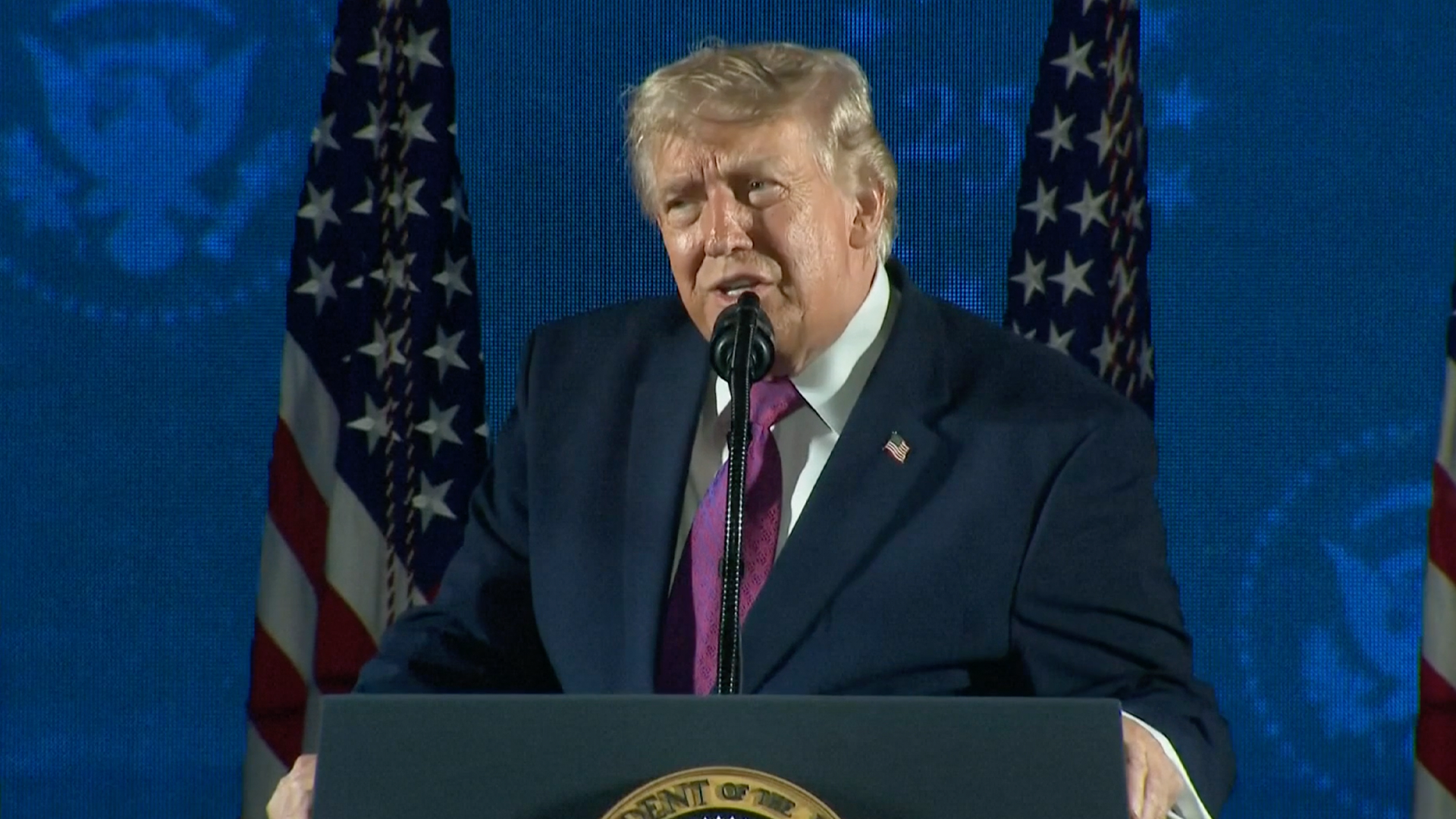
Trump Labels Communism a Grave Danger at US Independence Celebration
 politics
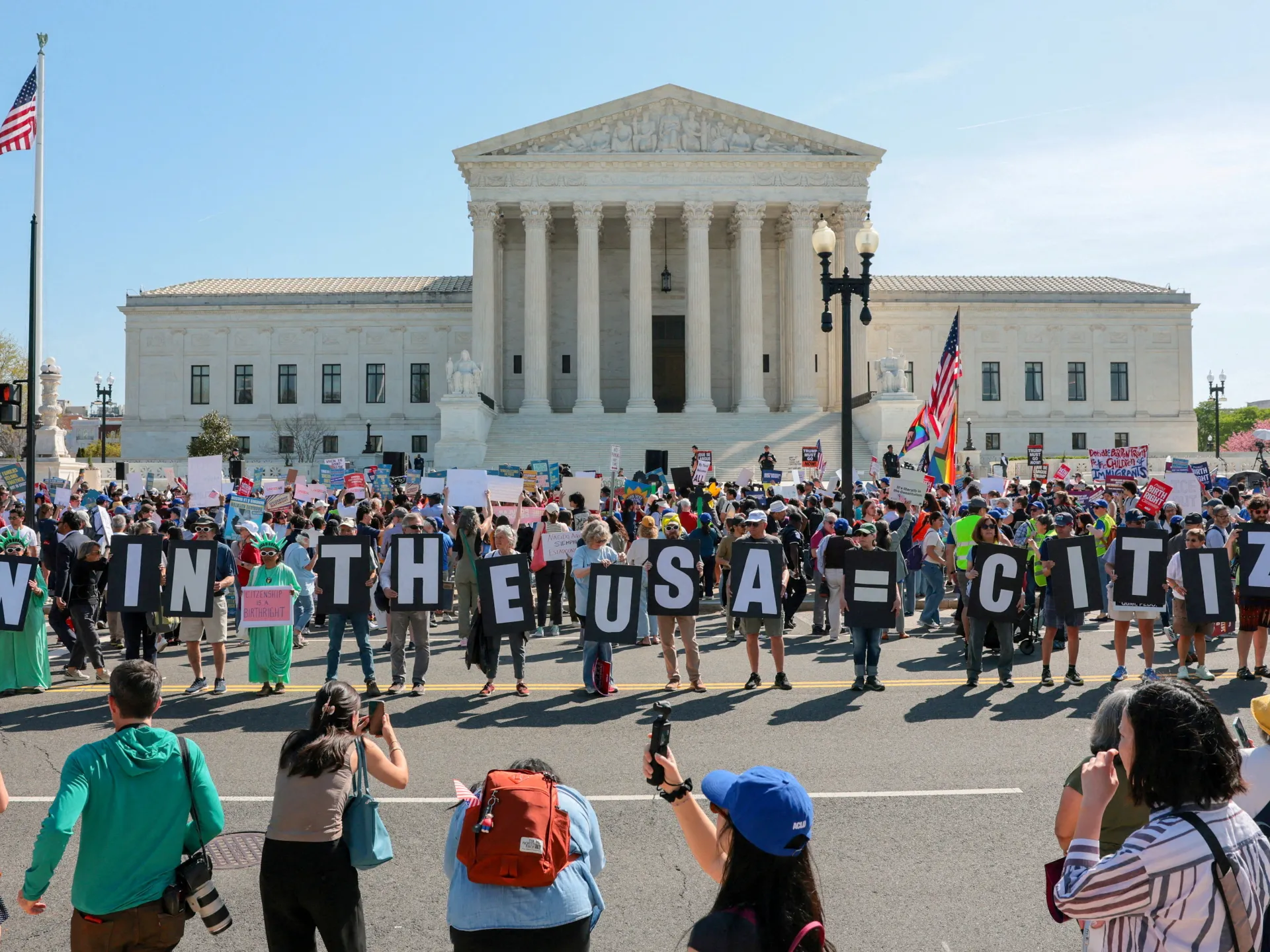
America at 250: The Ongoing Debate Over Citizenship and Inclusion
 politics
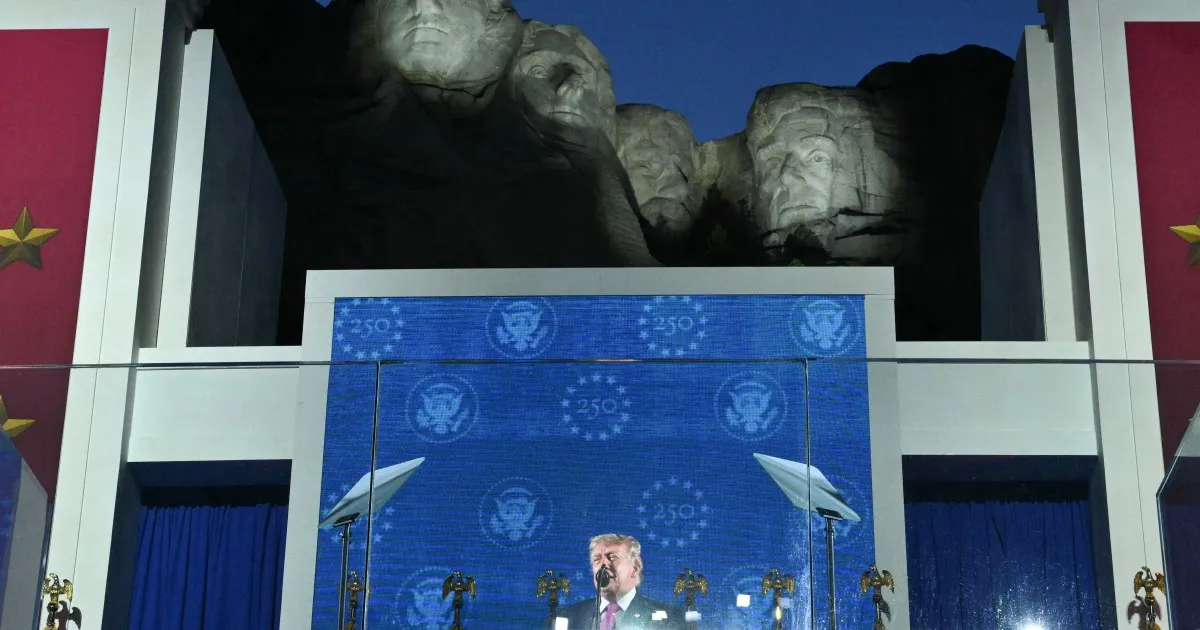
Trump Highlights Military Strength, Warns of Communism in 250th Anniversary Speech
 politics