Allegations of a Significant Strike
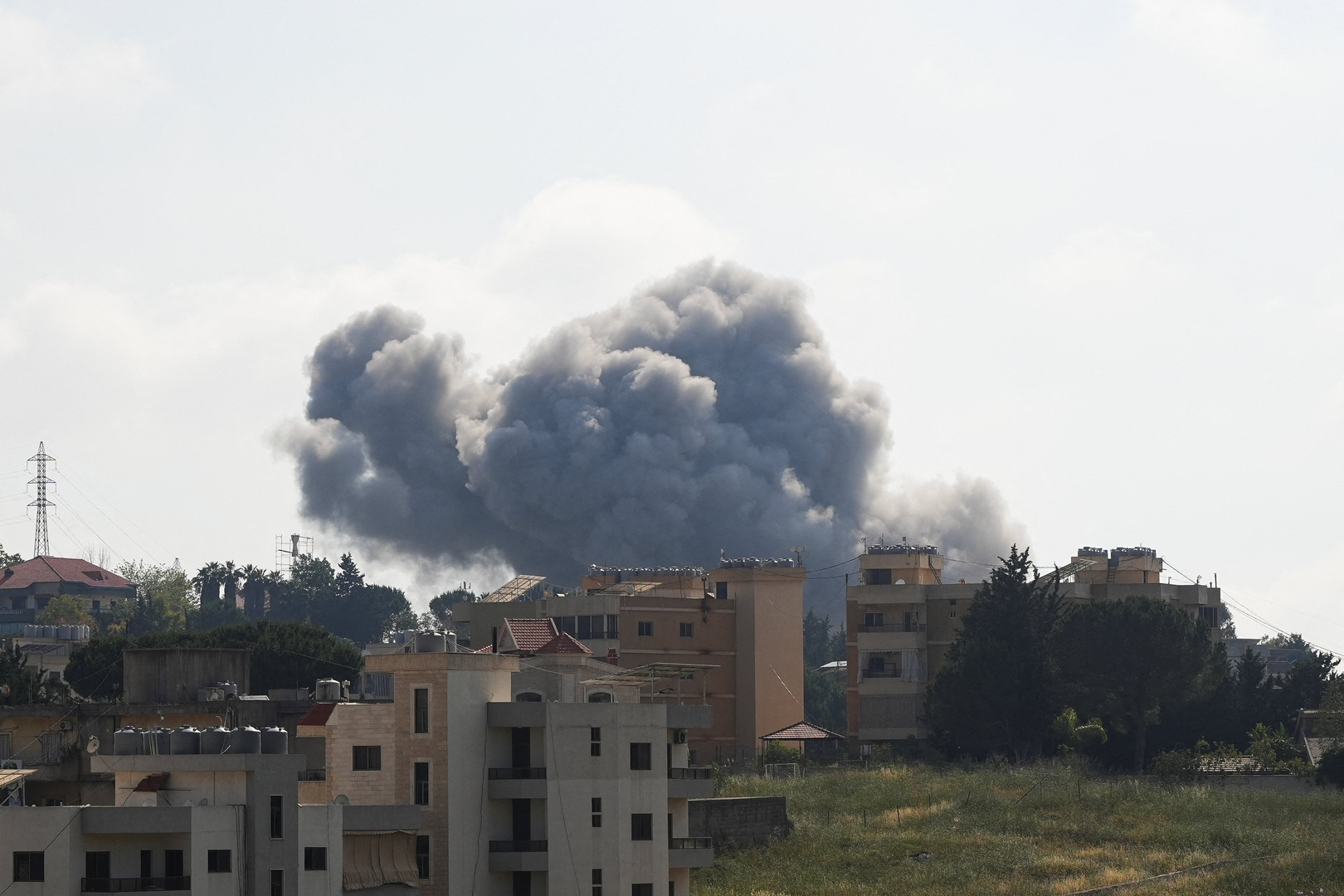
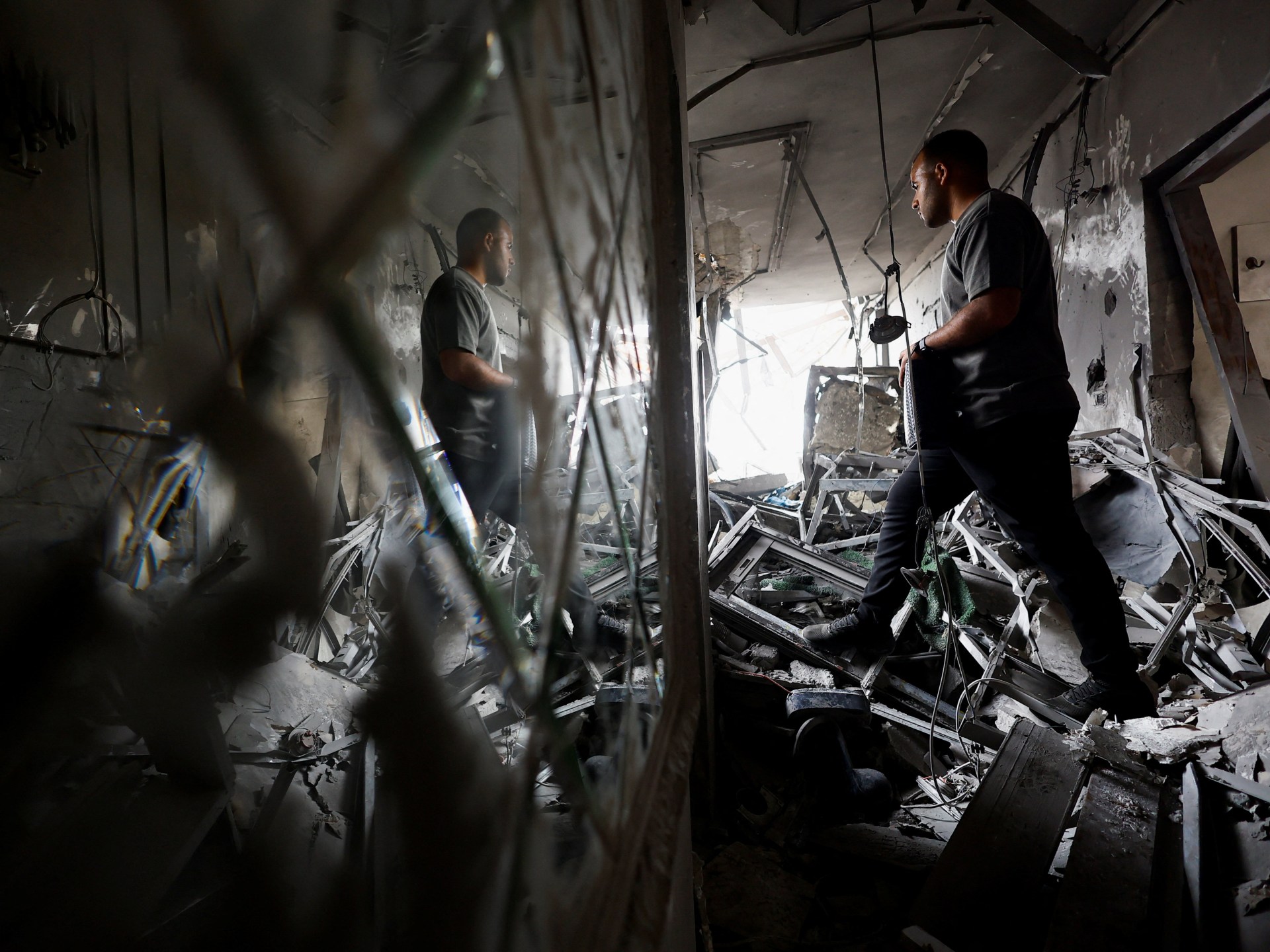
The Israeli armed forces have stated that they successfully targeted and eliminated a prominent figure in the military wing of Hamas. According to official Israeli sources, Mohammed Odeh, identified as a senior commander, was killed during an operation conducted in the Gaza Strip. This assertion marks a potentially significant development in the ongoing conflict, as it suggests the removal of a key operational leader within the Palestinian organization.
However, as of the time of this report, there has been no immediate confirmation or denial from Hamas regarding the Israeli claim. The absence of a swift response from the Palestinian group leaves the Israeli assertion unverified by independent sources or by Hamas itself.
Context of Ongoing Tensions
The alleged strike occurs amidst a backdrop of persistent hostilities and military engagements between Israel and Palestinian factions in Gaza. Both sides have frequently engaged in a cycle of actions and reactions, with each side often reporting successes against the other. Such claims are common during periods of heightened conflict, and their verification often proves challenging due to the dynamic and often opaque nature of military operations.
The Israeli military frequently targets individuals it identifies as commanders or operatives within Hamas and other armed groups, asserting these actions are necessary for national security. Conversely, Palestinian groups accuse Israel of targeting civilians and infrastructure, a charge Israel denies, stating its operations are aimed solely at military targets and infrastructure used by militants.
Implications of Such a Loss
If confirmed, the death of a commander like Mohammed Odeh could have several implications for Hamas's operational capabilities. Senior commanders are typically involved in strategic planning, coordination of military activities, and the command of specific units. Their removal can, at least temporarily, disrupt command structures and potentially impact the effectiveness of military operations.
Historically, such losses have often led to a period of reorganization within militant groups, with new leaders stepping forward to fill the void. The long-term impact, however, can vary widely depending on the group's depth of leadership, its succession planning, and its overall resilience.
Hamas's Potential Response
Hamas's eventual response to the Israeli claim could take several forms. It might issue a statement confirming the death and vowing retaliation, or it might refute the claim altogether. Alternatively, the group might choose to remain silent for a period, perhaps to assess the situation internally or to plan a response that is not immediately announced. The timing and nature of any such response will be closely watched by observers seeking to understand the evolving dynamics of the conflict.
"In conflicts of this nature, claims of high-value target eliminations are often used by both sides to project strength and demoralize the opposition. Verification is key, but often comes much later, if at all, from independent sources."
The international community typically calls for de-escalation and adherence to international humanitarian law from all parties involved. The precise details and independent confirmation of events on the ground, however, remain difficult to obtain in the immediate aftermath of such reported incidents.
Source: Original Article