
Iran's Water Scarcity Reaches Critical Levels
Iran is facing an increasingly severe water crisis, a challenge that, for many of its citizens, has become as pressing as any geopolitical concern. Years of persistent drought, declining precipitation, and inefficient water usage have pushed the nation into a state of extreme water stress. This has led to the depletion of vital reservoirs, rivers, and groundwater reserves across the country. The situation has reportedly been exacerbated by recent conflicts, with initial reports indicating damage to essential water infrastructure, including desalination plants and pipelines.
According to the World Resources Institute, Iran is categorized as experiencing “extremely high” baseline water stress, indicating that it consumes over 80 percent of its annually renewable water supplies. This dire assessment underscores the urgent need for comprehensive solutions to address the nation's dwindling water resources.
The Dramatic Decline of Lake Urmia
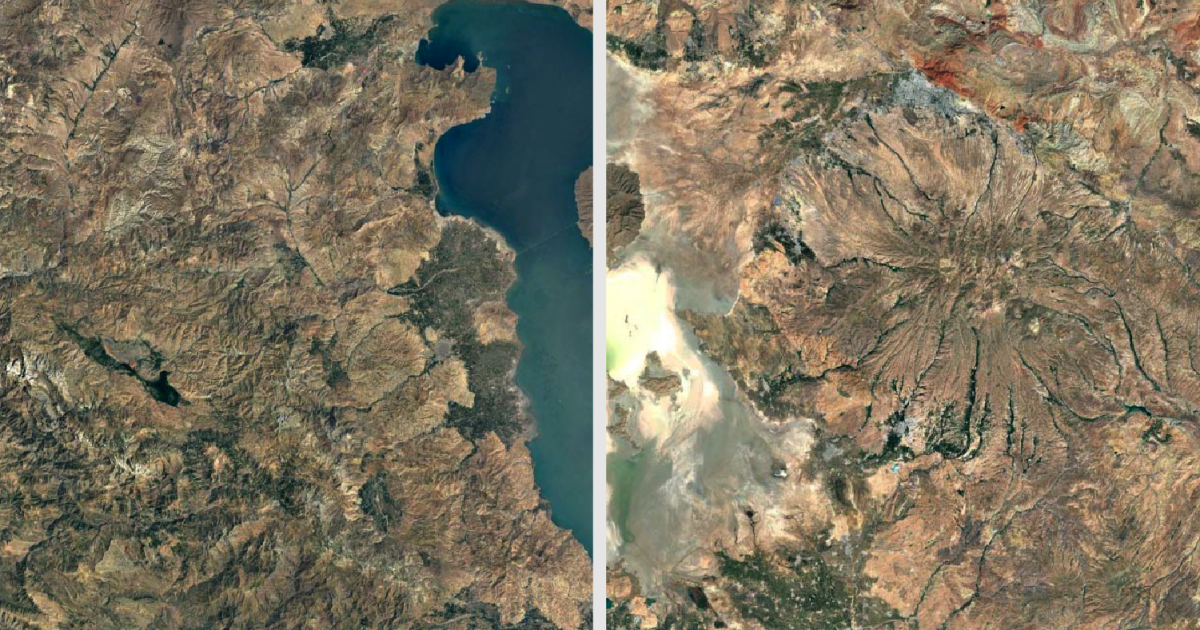
One of the most stark visual indicators of Iran's water crisis is the dramatic transformation of Lake Urmia. Located in northwestern Iran, this lake was once recognized as the Middle East's largest saltwater lake, spanning nearly 6,000 square kilometers (2,300 square miles) in the 1990s. Satellite imagery reveals a shocking decline, with its surface area shrinking to a mere 581 square kilometers (224 square miles) by 2026 – less than a tenth of its original size.
This drastic reduction is attributed to a combination of factors: successive droughts, extensive agricultural water use, the diversion of feeder rivers, and excessive groundwater extraction. More than 60 dams constructed on its tributary rivers have severely restricted water inflow, while farmers have redirected significant volumes for irrigation. Decades of groundwater pumping have further depleted underlying aquifers. Compounding these issues, rising temperatures have accelerated evaporation rates, while precipitation levels have concurrently fallen.
Iran's Unsustainable Water Balance
For any nation to maintain its freshwater resources, the volume of water replenished must at least equal the amount withdrawn for various uses, including agriculture, industry, and domestic consumption. Iran has consistently fallen short in this crucial balance. Decades of intensive dam construction, widespread intensive farming, and unchecked groundwater extraction have propelled water consumption far beyond what natural rainfall can replenish.
In 2025, Iran's population of 92 million people consumed approximately 100 billion cubic meters of water, exceeding its renewable resources by nearly 13 billion cubic meters. Agriculture stands as the predominant consumer, accounting for about 91 percent of all water withdrawals. In contrast, households use about seven percent, and industry accounts for two percent. A significant portion of the water designated for agriculture is lost due to aging and inefficient irrigation systems, further exacerbating the scarcity of this precious resource.
Dams Around Tehran Face Depletion
Iran is a prominent global dam builder, having constructed hundreds of dams to store water, generate electricity, and manage water shortages. However, in recent years, numerous reservoirs have reached critically low levels, with several nearly running dry. Satellite images of key dams surrounding Tehran, such as Lar Dam, Latyan Dam, and Mamloo Dam – all integral to the capital region's water supply – illustrate a severe decline in water levels. This decline reflects the mounting pressure on Tehran's water system due to persistent drought and increasing demand.
Water Scarcity and Internal Displacement
The intensifying water scarcity is profoundly impacting settlement patterns across Iran. As wells dry up and farming becomes unsustainable, many rural families are compelled to abandon their homes in search of more secure livelihoods. According to Abdolkarim Hosseinzadeh, Iran’s vice president for Rural Development and Disadvantaged Regions, a staggering 31,000 of the country's 69,000 villages have been deserted, leaving only 38,000 inhabited.
The crisis extends beyond abandoned settlements. Iran’s state-owned Water and Wastewater Company reports that approximately 27,000 villages, home to over 10 million people, are currently experiencing water shortages. Overall, more than 70 percent of Iran’s villages are grappling with some form of water crisis. A significant number of these migrants are moving to major urban centers like Tehran, Mashhad, Isfahan, and Shiraz, which are themselves struggling with their own water pressures. Tehran, with its population exceeding nine million, faces increasing strain on its water system as drought conditions persist and demand continues to rise.
The western half of Iran, where roughly 75 percent of the population resides on less than 40 percent of the country's land area, concentrates both people and water demand in a relatively small region. The impact of water scarcity is also evident along the Zayandehrud River, historically a vital waterway in central Iran. Satellite imagery of the Zayandehrud Dam shows declining water levels upstream due to years of drought and overuse. Downstream, in the heart of Isfahan, the historic Allahverdi Khan Bridge (Si-o-Se Pol), once spanning a river that sustained the city for centuries, now frequently overlooks dry riverbeds as sections of the Zayandehrud repeatedly run dry.
Limited Role of Desalination
Desalination currently meets only about three percent of Iran's water requirements, a stark contrast to its Gulf neighbors, many of whom rely on it for the majority of their drinking water. Most of Iran's desalination plants are situated along its southern coast on the Gulf. Consequently, desalination primarily benefits coastal cities, while inland regions such as Tehran, Isfahan, and most agricultural areas remain dependent on other, increasingly strained, water sources.
Source: Al Jazeera
Related Articles
 world
world
US Central Command Publishes Footage of Strikes Against Iranian Targets
 world
world
Allegations of Sexual Violence Surface in Israeli Detention Facilities
 world
world
UN Watchdog Demands Iran Account for Enriched Uranium Stockpiles Amid Regional Tensions
 world
world