
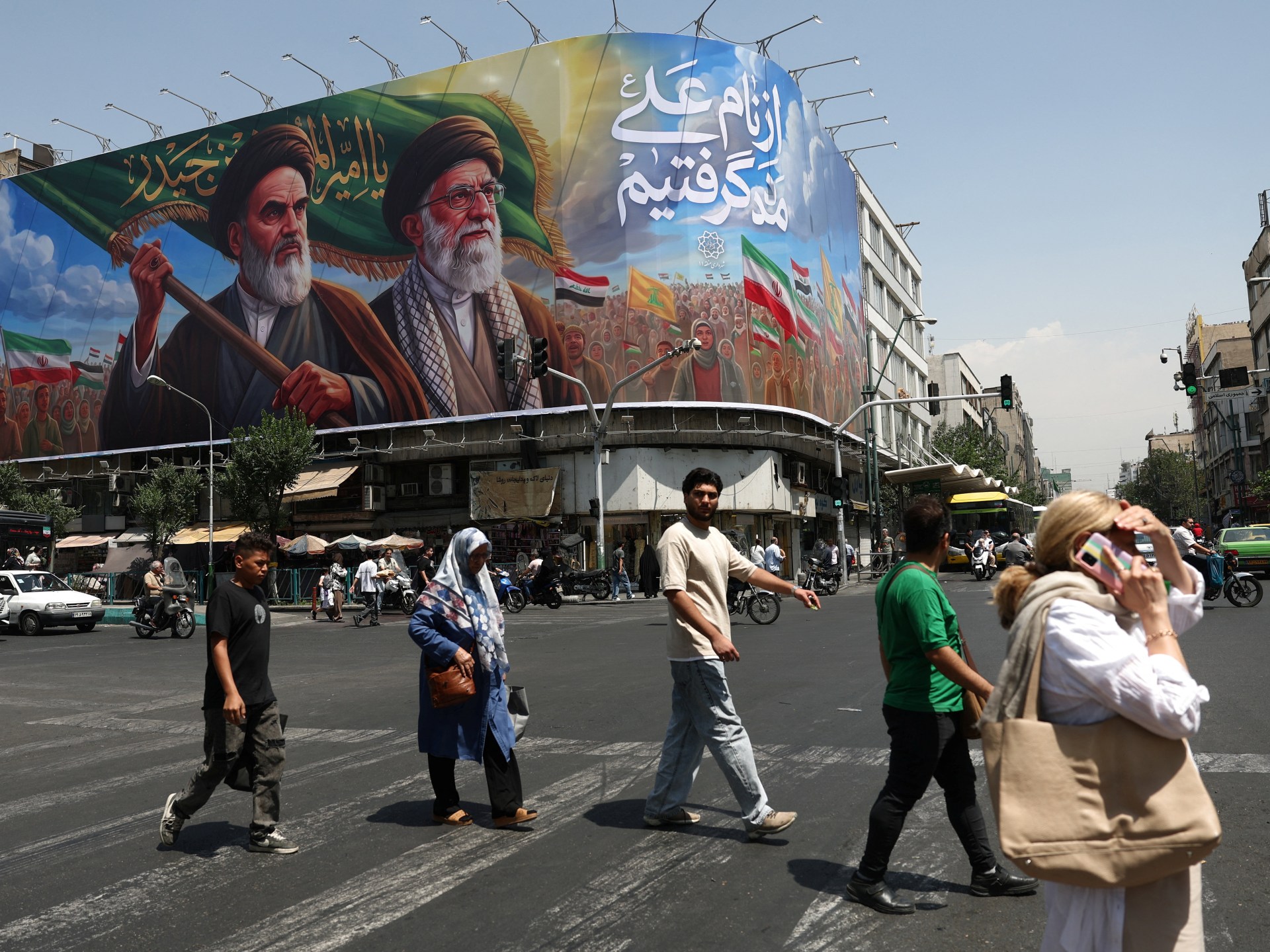
Iran's Strategic Posture Amidst Ongoing Conflict
One hundred days after a coordinated campaign by the United States and Israel targeting Iran, Tehran perceives its continued governmental stability as a strategic victory. The conflict, which commenced in April and has been marked by a fragile ceasefire often punctuated by exchanges of fire, has seen both sides grappling with unfulfilled objectives. The Strait of Hormuz remains closed, and hostilities persist in Lebanon, indicating that a lasting peace remains distant.
The primary aims of Washington and Tel Aviv included dismantling Iran's nuclear program, weakening its security and military infrastructure, and fostering internal political change. Conversely, Tehran's paramount objective has been the preservation and continuity of its governing system, viewing its current resilience as a significant advantage.
Impacts and Losses on All Sides
The conflict has exacted a heavy toll on Iran, with over 3,400 Iranian citizens, including numerous senior political and military figures, losing their lives. The war has underscored vulnerabilities in Iran's capacity to safeguard its leadership, military assets, and nuclear facilities. Within the initial two weeks, Iranian missile and drone attacks reportedly decreased by 90 percent, as US and Israeli operations effectively destroyed launchers faster than they could be replaced. This revealed limitations in a deterrent capability developed over two decades. Iran's nuclear program, already damaged in a 2025 conflict, faced further strikes, alongside significant damage to civilian infrastructure and energy facilities. The nation's economy, already under strain, has experienced further deterioration.
Moreover, Iran's network of allied forces across the region appears to be weakening. Attacks on US forces stationed in Gulf states have further strained relations with neighbors Iran had previously sought to engage.
However, Iran's adversaries have also incurred significant losses. Iranian missiles and drones struck several US bases in the region, highlighting potential gaps in US protective capabilities. Gulf states found themselves inadvertently drawn into the conflict, enduring attacks on their own territories, which has led to questions regarding the reliability of their security assurances with Washington. Consequently, a lasting outcome of the war may be the increased uncertainty within the regional security framework, rather than solely the damage inflicted on Iran's capabilities.
Economic Leverage and Diplomatic Challenges
Soon after the initial US-Israeli strikes, Iran began restricting maritime traffic through the Strait of Hormuz, a crucial waterway for approximately one-fifth of the world's seaborne oil and liquefied natural gas. Despite a US air campaign in March to reopen the strait and a naval blockade on Iranian ports in April, the passage remains largely closed, with only a few Iran-vetted vessels permitted to transit.
Diplomatic efforts to address the situation have also presented challenges. When Washington sought assistance from NATO and its European and Asian partners to secure the route, these allies declined, with European governments largely categorizing the conflict as outside their jurisdiction. For Tehran, this outcome demonstrated that its adversaries, despite striking at the core of the Iranian state, were unable to mobilize their allies to reopen a vital shipping lane. The closure of the Strait of Hormuz is thus perceived in Iran not merely as an economic tool, but as a political and strategic setback for the US and Israel, validating Iran's strategy of imposing costs on its opponents.
Feeling emboldened, Iran has reportedly resisted US demands for unconditional surrender, opting instead for continued negotiations. Ongoing support from Russia and China, including at the United Nations, has enabled Tehran to frame the conflict as part of a broader struggle over the international order, rather than an isolated confrontation. Domestically, the Islamic Republic has maintained stability through a demonstration of continuity. Following the reported assassination of Supreme Leader Ali Khamenei, his son, Mojtaba, was appointed as successor within days. While the new leader's prolonged absence from public view has raised questions, the perception of stability and cohesion has largely been maintained.
Future Trajectories and Internal Dynamics
By its own assessment, Tehran believes it holds the upper hand. The inability of its adversaries to overthrow the governing system is paramount to its leadership, with other losses deemed recoverable as long as the Islamic Republic endures. Iran now appears focused on leveraging its survival into a partial restoration of regional standing, notably by linking any conflict resolution to an end to the war in Lebanon. This strategy aims to position Iran as a key participant in regional de-escalation efforts, halting the erosion of its influence, particularly in Syria, and converting remaining leverage into continued relevance.
However, the perceived failure of Iran's conventional military deterrent has reinforced the argument within its leadership that only a nuclear capability could have prevented the US-Israeli attacks. This perspective could complicate future negotiations with the US regarding the nuclear issue.
Domestically, the conflict has temporarily overshadowed the economic and governance grievances that fueled protests over the winter, shifting the narrative towards external threats and national resistance. A divergence exists between the political leadership, which acknowledges governance failures exposed by protests, and the security establishment, which tends to view dissent and external pressure as a unified existential threat. This internal dynamic, alongside the ongoing conflict, will likely shape Iran's domestic political trajectory, potentially towards increased repression or towards reconciliation and recovery.
Key questions remain: Can a leadership that equates regime survival with victory achieve a lasting peace? Or will it conclude that only a more assertive stance, potentially including a nuclear weapon, can guarantee its future? The coming months may offer further clarity.
Source: Al Jazeera
Related Articles
 world
world
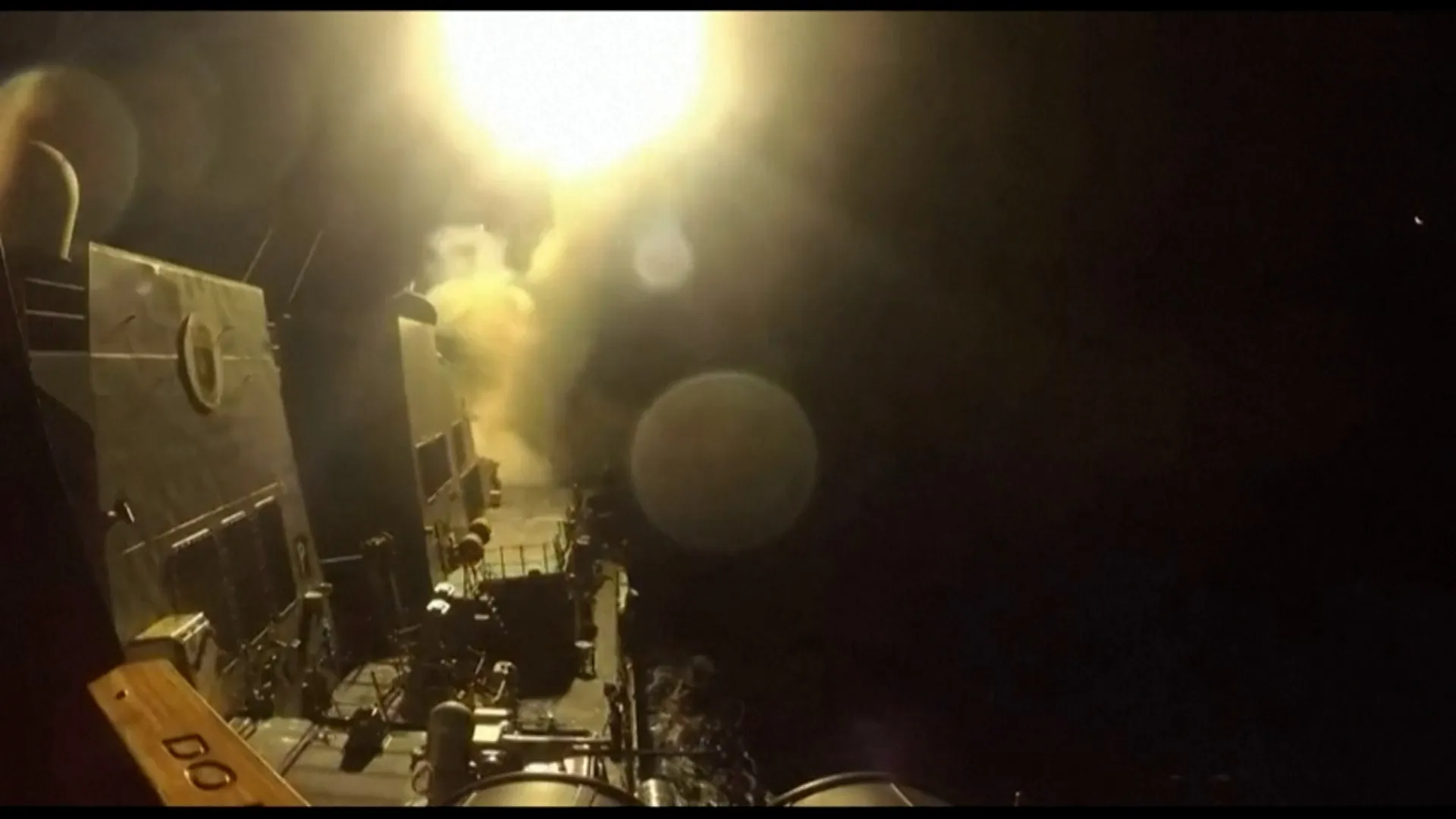
US Central Command Publishes Footage of Strikes Against Iranian Targets
 world
world
Allegations of Sexual Violence Surface in Israeli Detention Facilities
 world
world
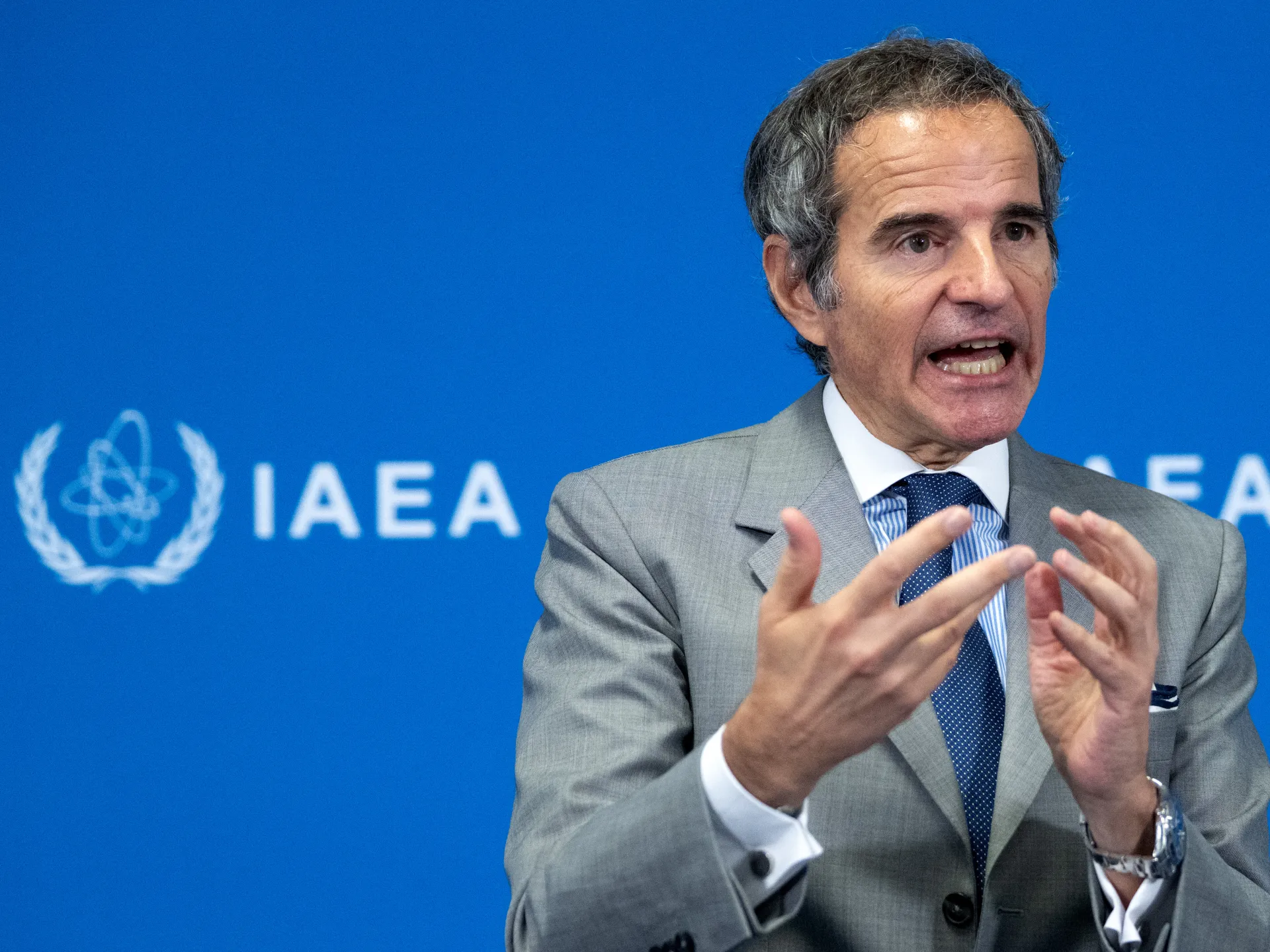
UN Watchdog Demands Iran Account for Enriched Uranium Stockpiles Amid Regional Tensions
 world
world