
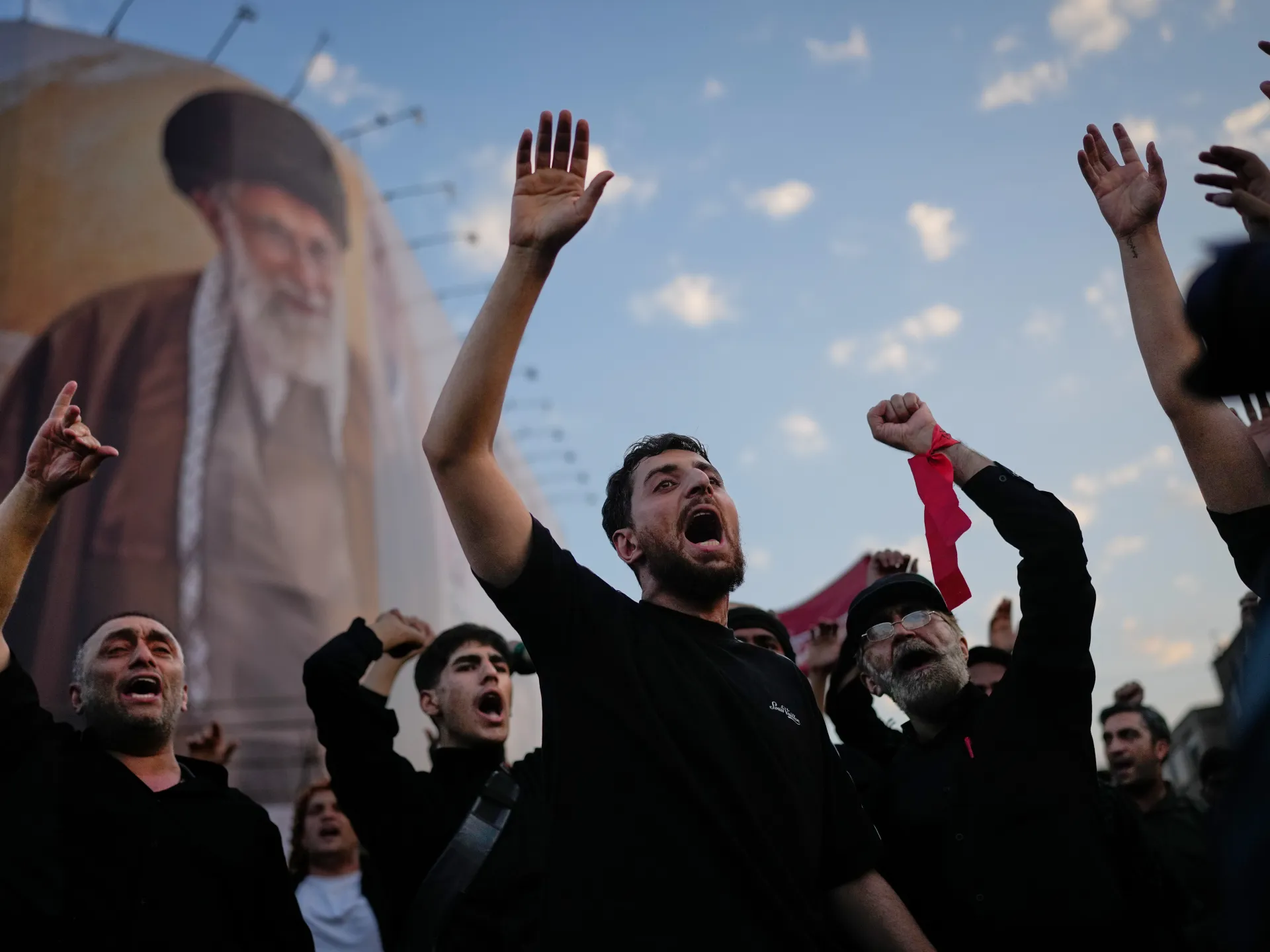
Extensive Funeral Rites Underway for Iran's Deceased Supreme Leader
Funeral ceremonies for Iran's former Supreme Leader, Ali Khamenei, have commenced in Tehran, drawing significant public attention. Authorities are preparing for a turnout that could potentially mirror the large crowds seen at the funeral of his predecessor, Ruhollah Khomeini, nearly four decades ago. Khamenei, along with four family members, died on February 28 following airstrikes on his office in Tehran, an event coinciding with the beginning of the United States-Israel conflict with Iran.
Following a two-day lying in state period at Tehran's Grand Mosalla religious complex, Khamenei's remains began their journey through the capital on Monday. State broadcaster IRIB reported that the procession was accompanied by a substantial number of mourners.
Precedent and Preparations
Officials are reportedly aiming to prevent a recurrence of the organizational challenges that characterized the 1989 funeral of Ruhollah Khomeini. That event, according to the state news agency IRNA, attracted an estimated 10 million people, leading to crowd surges that resulted in over 10 fatalities and more than 10,000 injuries. The Grand Mosalla had already seen thousands gather on Sunday to pay their respects to Khamenei and his family members who perished in the same incident.
Multi-City Commemoration
The extensive funeral schedule includes multiple stops across the region. Following the Tehran procession, similar events are planned for Tuesday in Qom, a prominent clerical center in Iran. Subsequently, on Wednesday, the commemorations will extend to the holy cities of Najaf and Karbala in Iraq. The week-long ceremonies are set to conclude on Thursday with Khamenei's burial in Mashhad, his hometown located in northeastern Iran.
Images from Tehran depicted large gatherings of people at various points along the procession route, including Revolution Square and Ferdowsi Square. Mourners were seen holding portraits of the late leader, and in some instances, images of his son, Mojtaba Khamenei, who has been identified as Iran's new supreme leader. Security personnel were also visible, managing the crowds as the truck carrying the coffins made its way through the city streets. The public display of grief and respect underscores the significant impact of the leader's passing on the nation.
The coordinated nature of these events, spanning multiple cities and days, highlights the cultural and religious importance placed on such rites in the region. The inclusion of holy sites in Iraq also signifies the broader regional connections and influence of the late Supreme Leader. As the ceremonies progress, international observers will likely monitor the unfolding events for insights into the political and social landscape of Iran following this significant loss.
Source: Original Article
Related Articles
 world
world
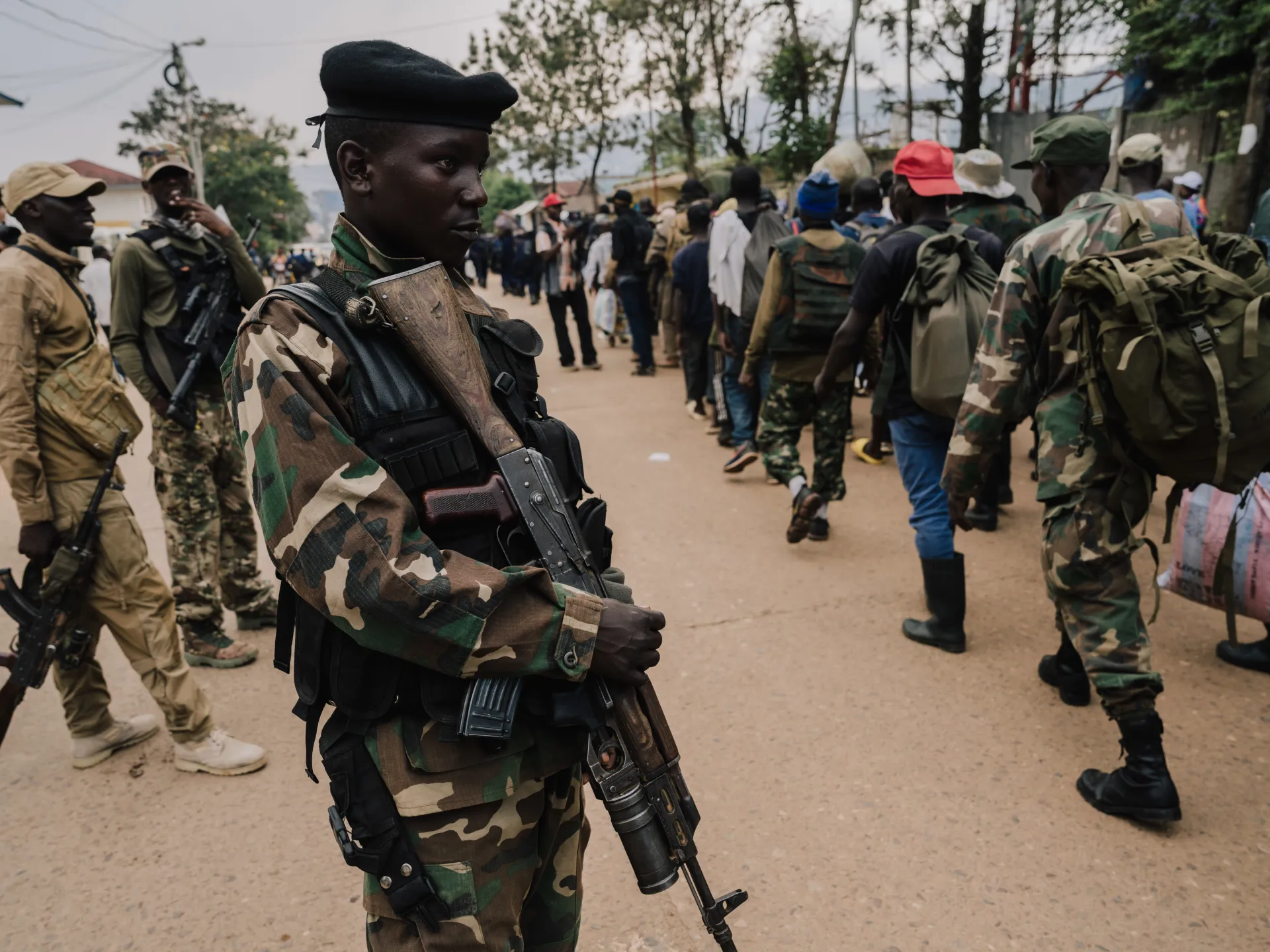
US Sanctions Target Rwandan Entities Over Alleged Role in DR Congo Conflict Minerals Trade
 world
world
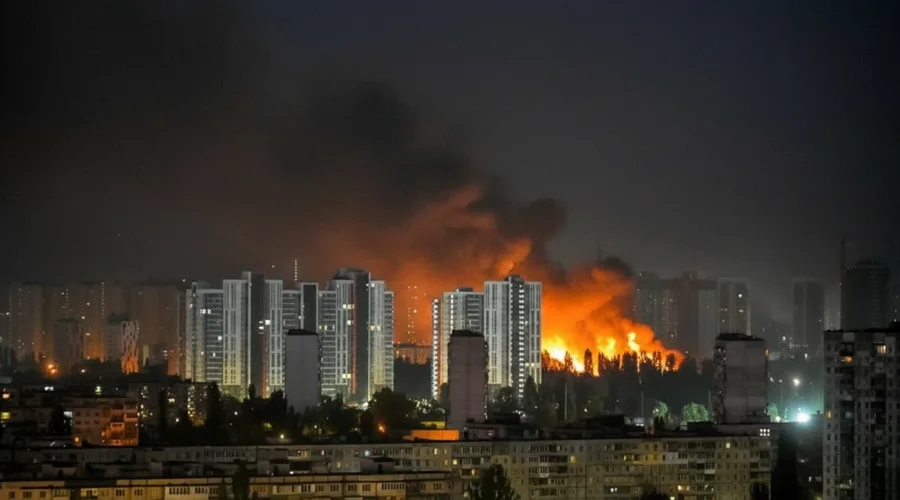
Escalating Tensions: Ukraine Endures Deadly Russian Barrage Amidst NATO Summit Preparations
 world
world
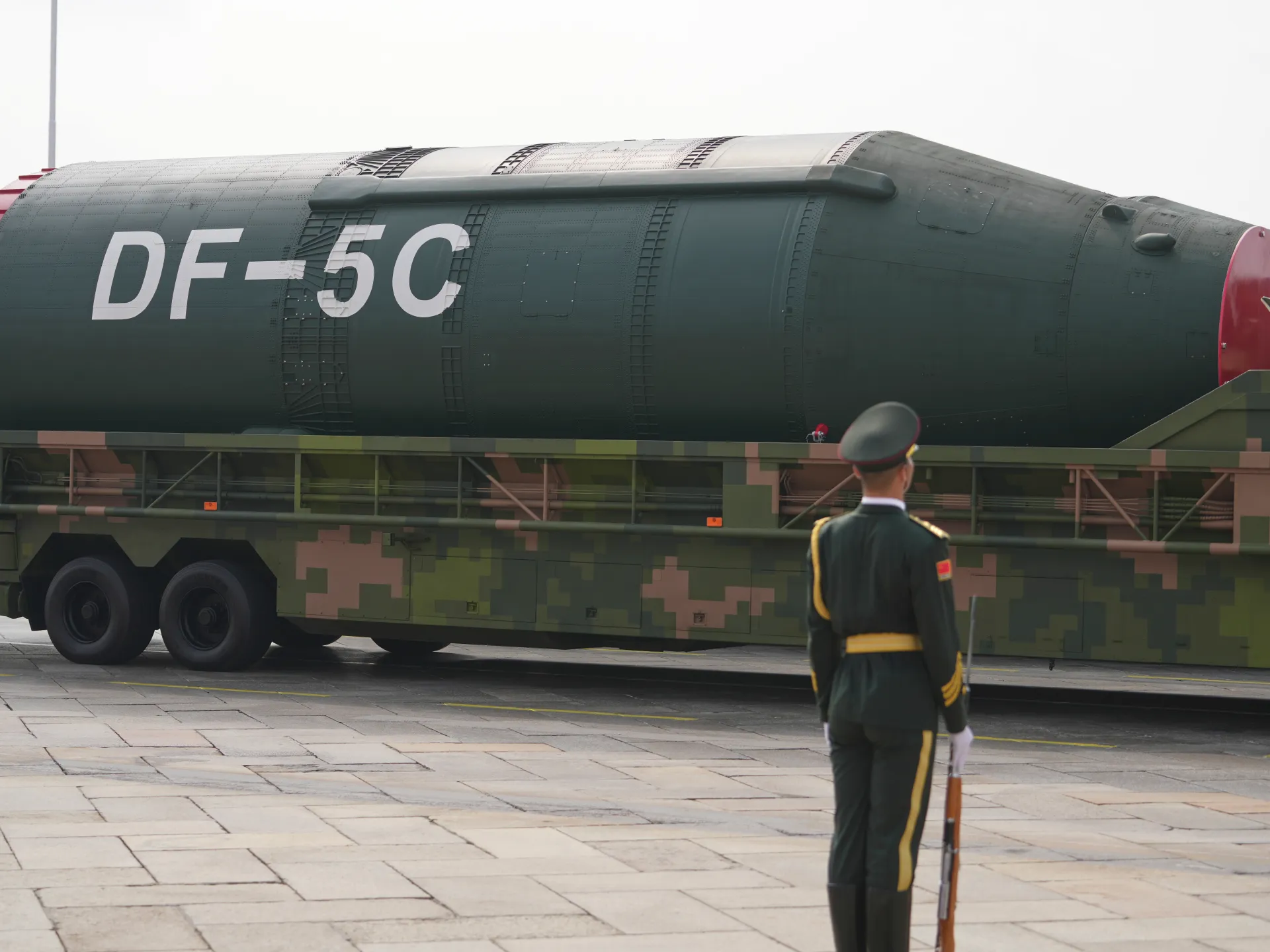
Pacific Missile Test by China Sparks Regional Concerns
 world
world