
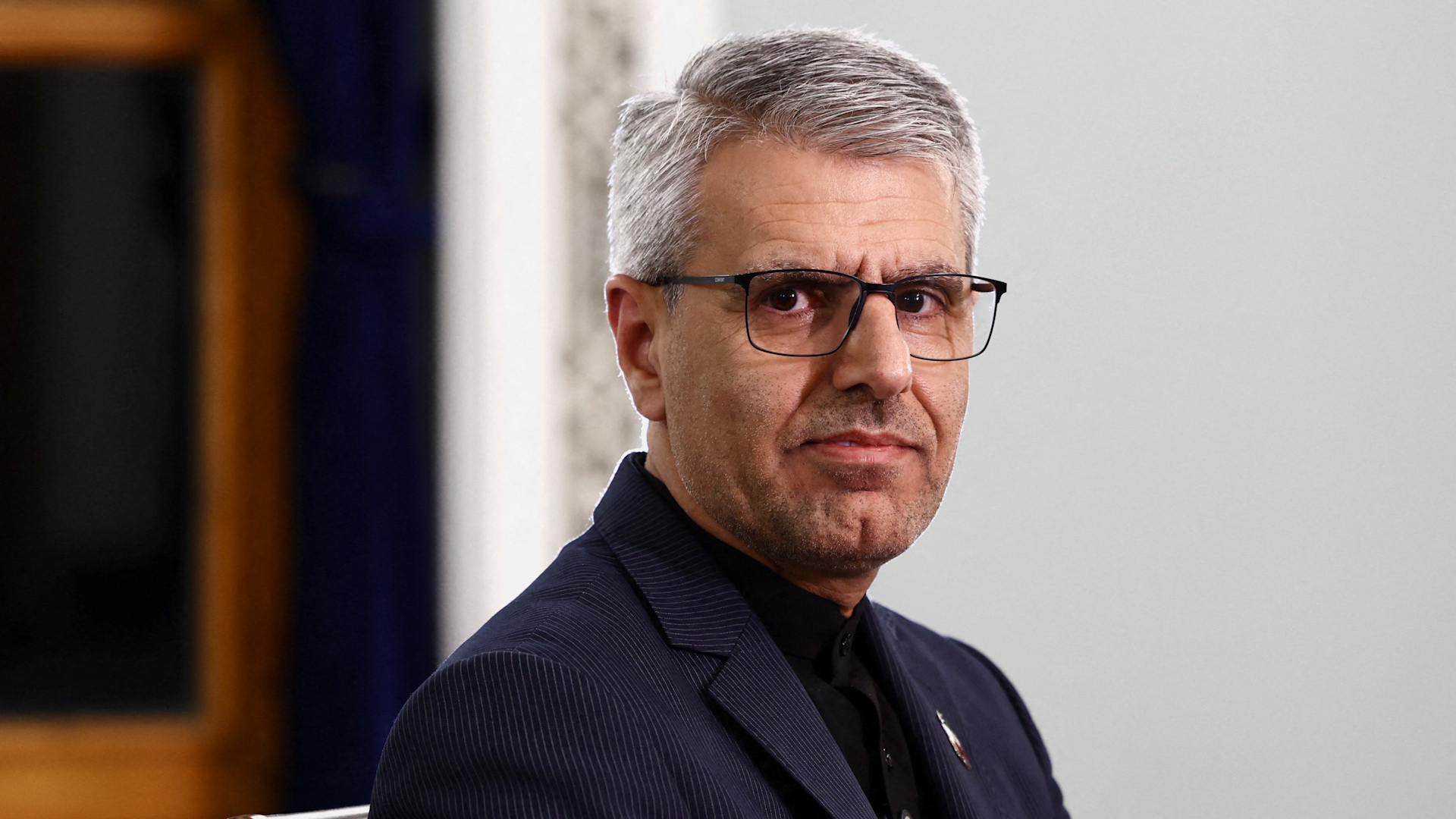
Iran Holds US Accountable for Regional Tensions
A recent statement from Iran's Foreign Ministry indicates a clear stance regarding the instigation of hostilities in the Middle East. Esmaeil Baghaei, a spokesperson for the ministry, has directly attributed any potential resurgence of conflict in the region to the United States, citing its close alliance with Israel.
The Context of Regional Dynamics
The Middle East is a complex geopolitical landscape, often characterized by intricate alliances and long-standing rivalries. The relationship between the United States and Israel is a cornerstone of American foreign policy in the region, providing significant military and diplomatic support. This alliance is frequently viewed by various regional actors, including Iran, as a primary factor influencing the balance of power and contributing to existing tensions.
Iran's perspective often highlights what it perceives as an interventionist foreign policy by the U.S., particularly concerning its presence and activities in the Persian Gulf and broader Middle East. From Tehran's viewpoint, American support for Israel, coupled with sanctions and other diplomatic pressures against Iran, exacerbates instability and hinders regional peace efforts. This sentiment is not new; Iranian officials have consistently voiced concerns about the impact of U.S. policies on the security and sovereignty of states in the area.
Implications of Such Statements
Statements from high-ranking officials, such as a foreign ministry spokesperson, often serve multiple purposes. They can communicate a country's official position to the international community, rally domestic support, and send clear signals to adversaries. In this instance, Baghaei's remarks appear to be a direct warning, placing the onus of future destabilization squarely on Washington.
Such pronouncements can escalate diplomatic rhetoric and potentially contribute to a cycle of accusation and counter-accusation. While they may not directly lead to immediate military action, they reflect underlying tensions and can shape the narrative surrounding regional events. Understanding these perspectives is crucial for analyzing the broader geopolitical landscape and anticipating potential flashpoints.
Historical Precedents and Future Outlook
The history of U.S.-Iran relations is marked by periods of intense hostility, punctuated by brief attempts at diplomacy. Key events, such as the 1979 Iranian Revolution, the Iran-Iraq War, and more recently, the withdrawal from the Joint Comprehensive Plan of Action (JCPOA), have all contributed to the current state of strained relations. Each side often frames the other as the primary aggressor or destabilizing force.
Looking ahead, the interplay between U.S. foreign policy, Israeli security concerns, and Iranian regional ambitions will continue to be a defining feature of Middle Eastern politics. Statements like Baghaei's underscore the deep-seated mistrust and differing interpretations of responsibility for regional security. The challenge for international diplomacy remains in finding pathways to de-escalation and fostering dialogue amidst these entrenched positions.
Source: Al Jazeera
Related Articles
 world
world
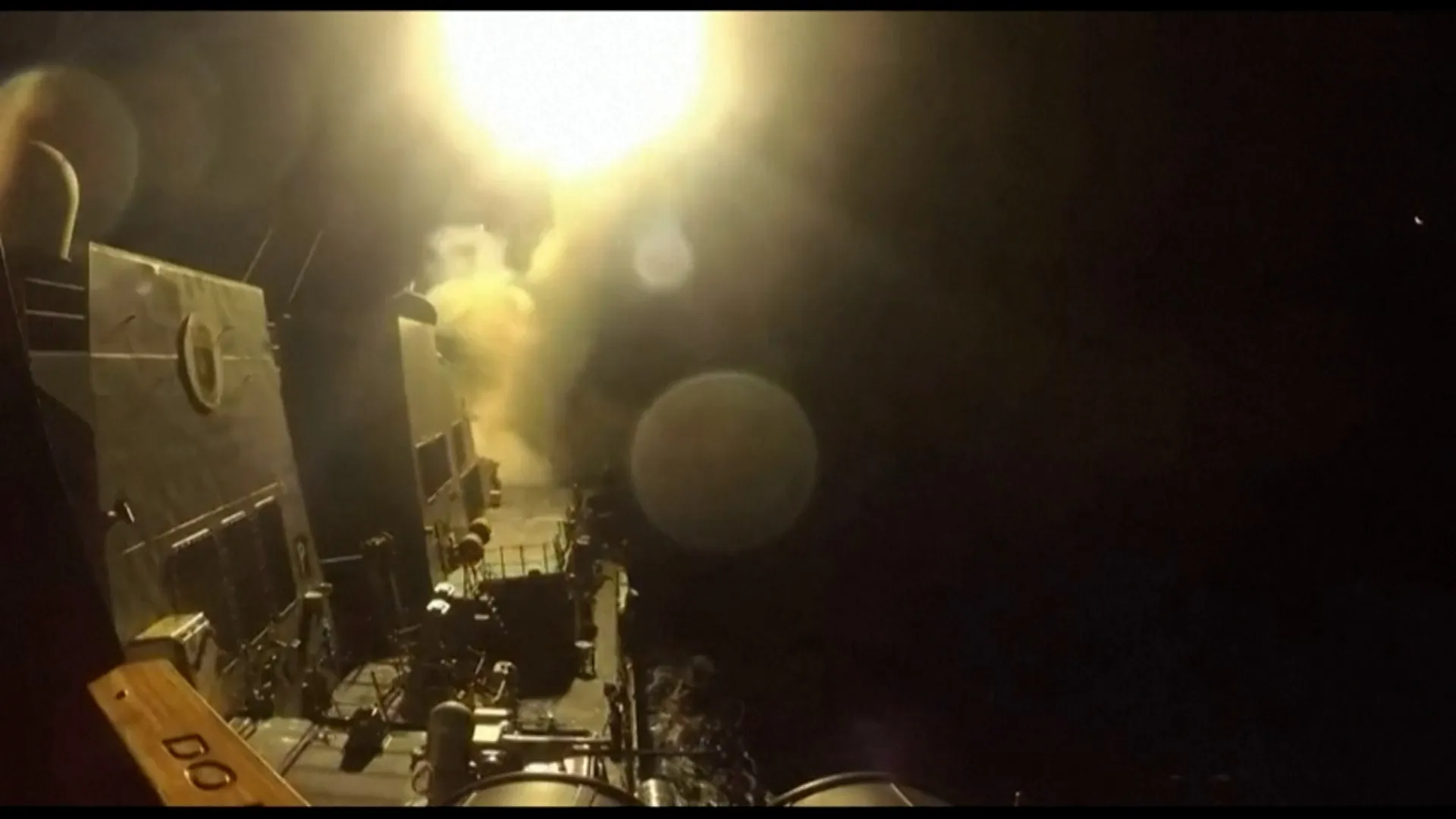
US Central Command Publishes Footage of Strikes Against Iranian Targets
 world
world
Allegations of Sexual Violence Surface in Israeli Detention Facilities
 world
world
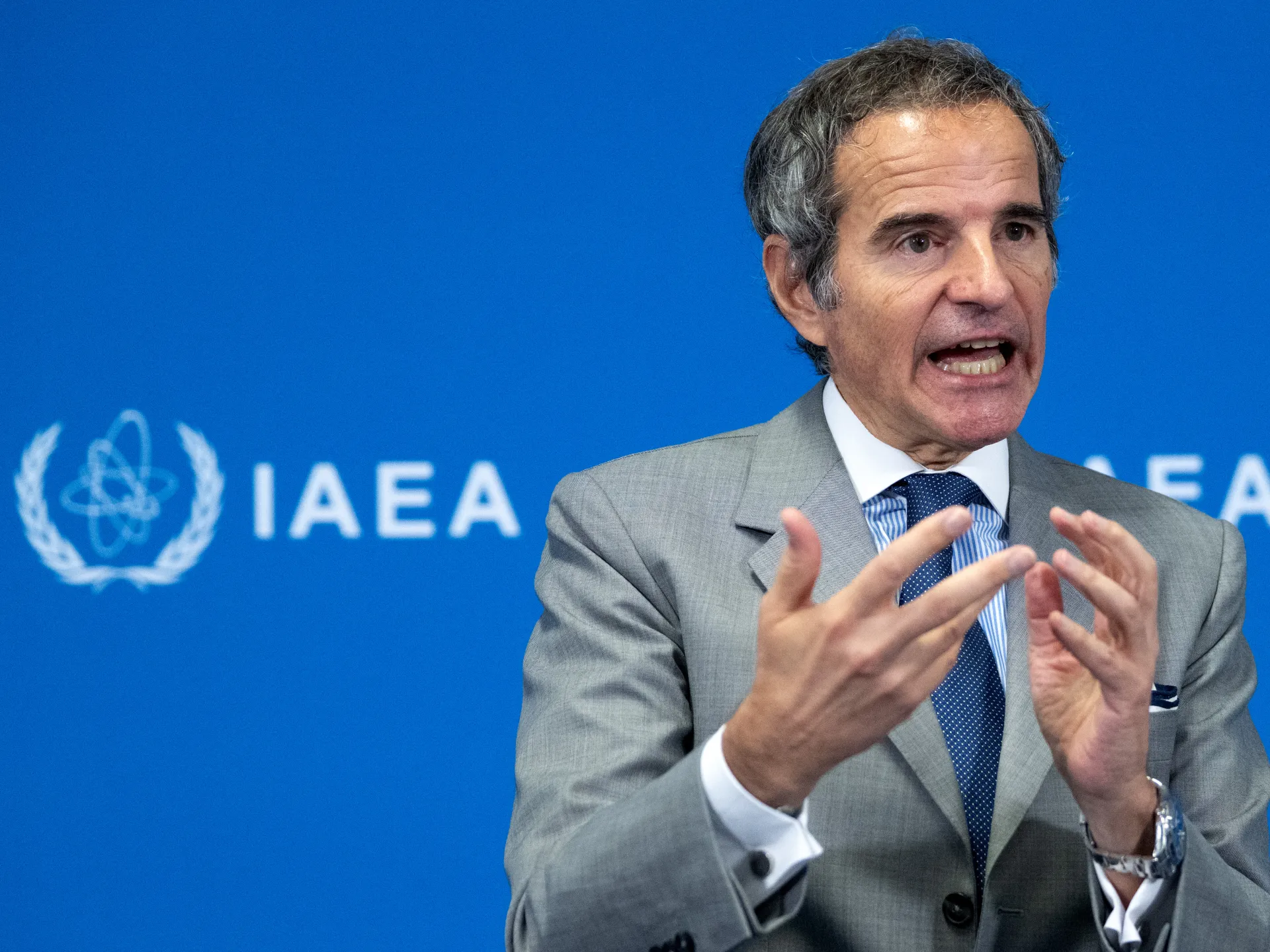
UN Watchdog Demands Iran Account for Enriched Uranium Stockpiles Amid Regional Tensions
 world
world